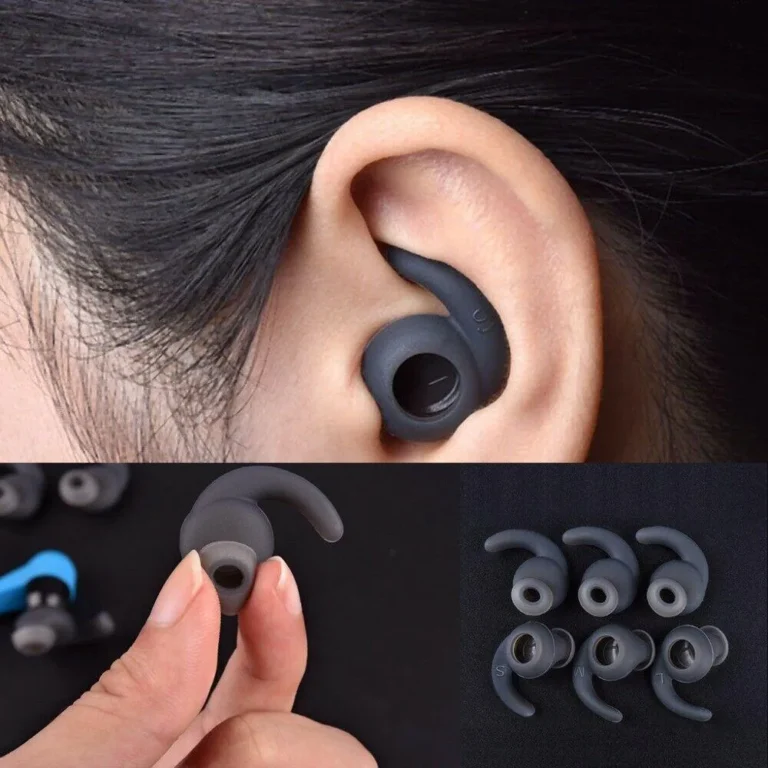
What are the most comfortable earphones
What are the most comfortable earphones? The honest answer is that comfort comes down to three things: tip material, earpiece weight, and how well the shape matches your ear canal. A $20 pair with the right silicone tips can out-comfort a $300 flagship if it just fits your ears better.
Fit is everything here, not brand or price.
Earphone comfort isn't a single spec. It's a blend of design choices that interact with your ear shape, your wearing time, and what you're doing while listening. As of 2026, the global true-wireless market is packed with options, but comfort ratings from verified buyers consistently show that the lightest, softest-sealing models lead the pack.
We'll break down what actually drives comfort, then show you which designs and materials match different ears and use cases.
Quick Answer
The most comfortable earphones are usually lightweight in-ear models with memory foam or soft silicone tips that match your canal size. Comfort comes from a proper seal, low per-piece weight (ideally under 5 g), and a shallow nozzle that doesn't press the canal wall. Fit matters far more than brand, price, or sound quality.
What Actually Makes Earphones Comfortable (Quick Answer)
Comfort comes down to fit, weight, and pressure. A pair that seals properly, sits light in your ear, and doesn't press the canal wall will disappear during long sessions. Discomfort usually starts with one of three things: a wrong-sized tip, a heavy earpiece, or a stiff nozzle angle.
Get those right and you've solved most of the problem.
The Three Pillars of Comfort
| Factor | What to Look For | Why It Matters |
|---|---|---|
| Tip seal | Correct size, soft material | Stops bass loss and pressure hot spots |
| Earpiece weight | Under 5 g per piece (true wireless) | Prevents ear fatigue after 1+ hour |
| Nozzle angle | Shallow, anatomically tilted | Keeps the tip off the canal wall |
Why Generic Reviews Miss This
Most "most comfortable earphones" lists rank by user-review averages. Those averages reward popular models, not anatomically friendly ones. A flagship with hard plastic tips and a deep nozzle can have great reviews and still hurt your ears after 40 minutes.
We focus on fit mechanics so you can judge comfort yourself, even for models that aren't on every roundup.
The Anatomy of Ear Comfort: Fit, Weight, and Pressure
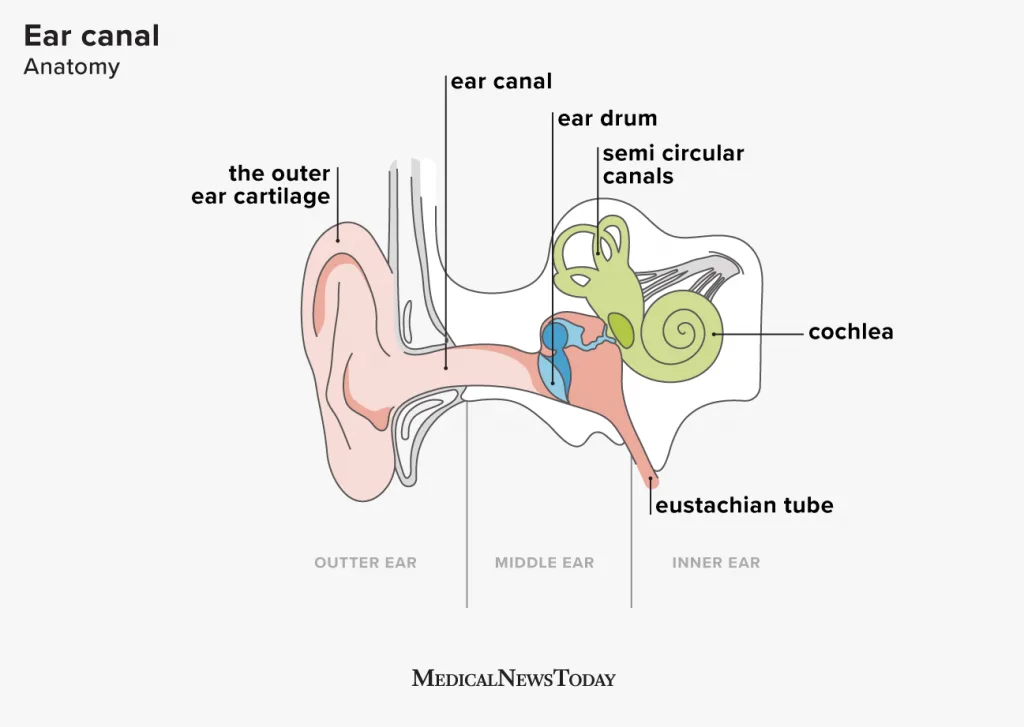
Comfort isn't a vibe. It's the result of how an earpiece interacts with three zones of your ear: the tragus (the small flap in front of the canal), the concha (the bowl-shaped hollow), and the ear canal itself. Each zone responds to different design choices, and the wrong combination in any zone creates pain.
Where Earphones Actually Touch Your Ear
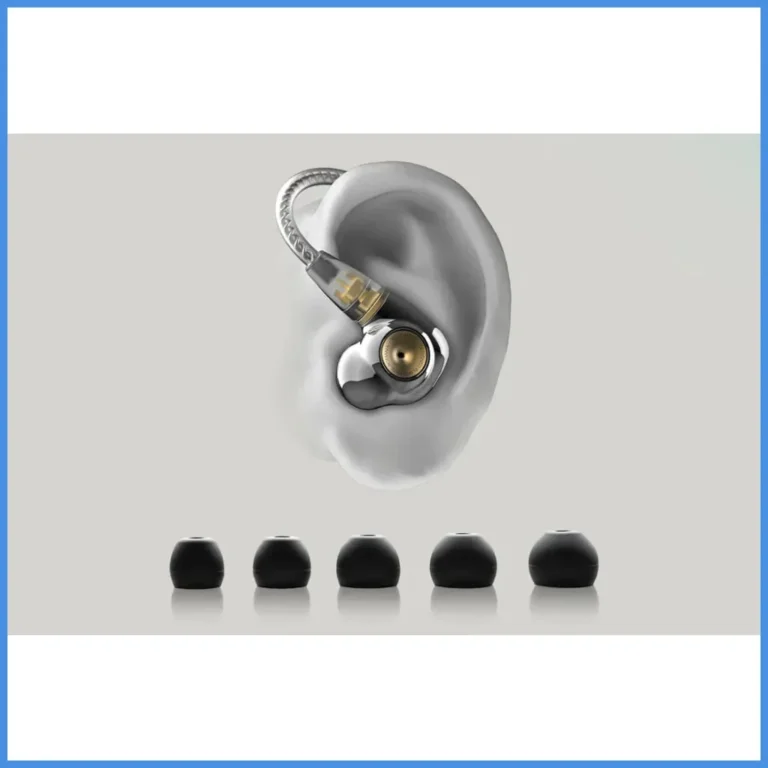
The tragus bears weight when a true wireless stem rests against it. The concha holds the main housing. The canal takes the tip's pressure and seal.
A design that distributes contact across all three feels lighter, while one that loads pressure on the canal feels intrusive fast.
The Numbers That Drive Comfort
- Per-piece weight: 4 to 5 g is the sweet spot for true wireless. Above 6 g, fatigue builds faster.
- Nozzle length: 5 to 7 mm keeps the tip shallow. Anything past 8 mm can hit the second bend of the canal.
- Tip wall thickness: 0.6 to 1.2 mm silicone or medium-density foam balances seal and softness.
- Driver housing diameter: Under 22 mm sits flush for most ears. Larger housings press the outer ear.
Pressure, Sealing, and the "Occlusion Effect"
A deep seal traps air in the canal, which most users feel as a slight pressure or "plugged" sensation. Vented designs relieve this. Aggregate reviews report that vented housings rate noticeably better for comfort on long calls.
If your ears feel full or your own voice echoes when you talk, the seal is too aggressive.
How to Tell If a Pair Will Fit You
Check the included tip sizes first. Most comfort-focused models ship with XS through L, sometimes XL. A brand that only includes S, M, and L assumes average canals and often fails smaller or larger ears.
Look for a fit kit or extra tip packs in the box.
Earbud Tip Materials: Silicone vs. Memory Foam vs. Hybrid
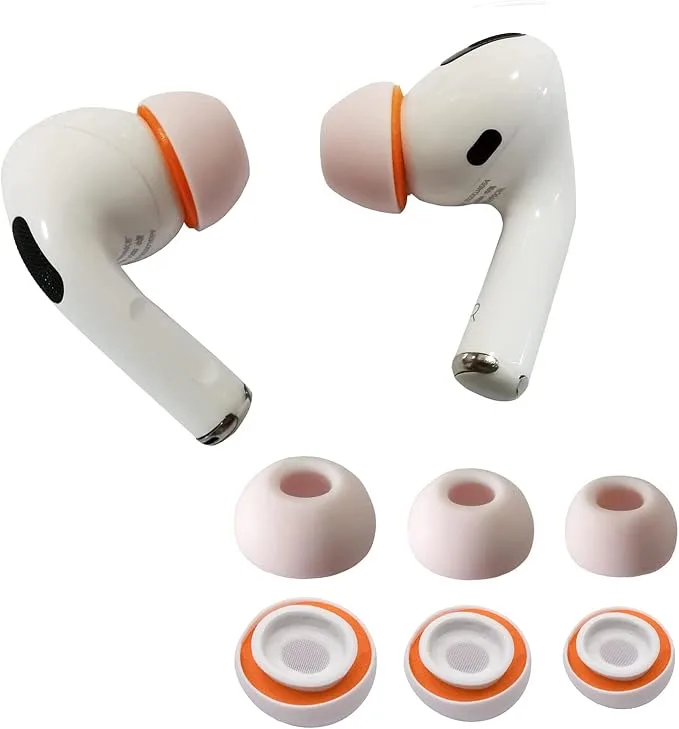
The tip is the single biggest comfort lever you have. Swap the tips on most earphones and you can change comfort more than a new driver would. Three materials dominate the market, and each trades off seal, hygiene, and feel.
Silicone Tips
Silicone is the default. It's smooth, easy to clean, and lasts 6 to 12 months with regular use. Soft silicone (often labeled "S" or "SS") feels lighter in the canal but seals less aggressively.
Stiffer silicone seals better but adds pressure. Most users land on medium-soft silicone for daily wear.
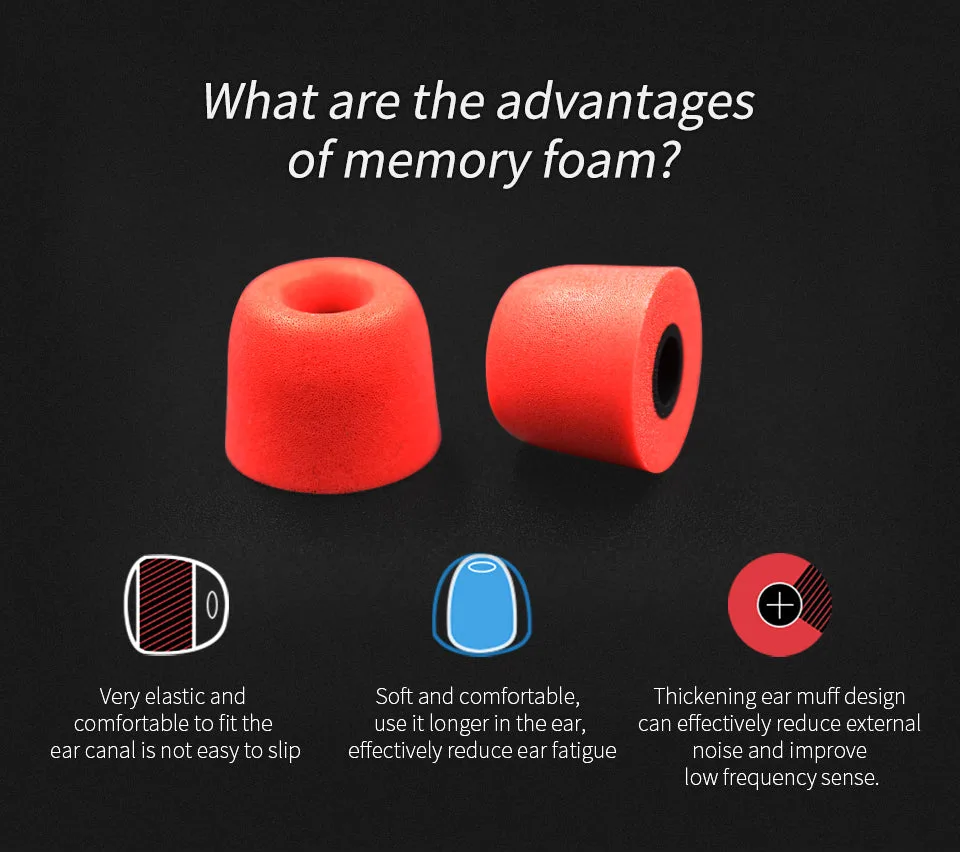
Memory Foam Tips
Memory foam compresses when you insert it, then expands to fill the canal. It gives the best passive noise isolation and the gentlest pressure distribution. Downsides: foam absorbs sweat and earwax, so it needs replacing every 1 to 3 months.
Verified buyer feedback consistently shows foam tips rated higher for long sessions and sleep use.
Hybrid Tips
Hybrid tips combine a silicone outer shell with a foam core. They aim to give foam's comfort with silicone's easy cleaning. They sit in the middle on seal quality and cost a bit more.
Worth trying if pure foam feels too warm in your ears.
Tip Material Comparison
| Material | Comfort for Long Wear | Seal Strength | Cleaning | Lifespan |
|---|---|---|---|---|
| Silicone (soft) | Good | Moderate | Easy | 6-12 months |
| Memory foam | Excellent | Strong | Hand wash only | 1-3 months |
| Hybrid | Very good | Strong | Easy | 3-6 months |
When to Switch Tip Materials
If your current tips feel fine for 30 minutes but sore after an hour, switch to memory foam. If foam feels too warm or traps moisture, drop back to soft silicone. Side sleepers almost always do better with foam because it cushions the ear against the pillow.
In-Ear vs. Earbud vs. Open-Ear Designs Compared
Not every "comfortable" earphone sits inside your canal. Three designs compete for the comfort crown, and the best one for you depends on your ears and how you wear them.
In-Ear Canal Style (IEMs)
These seal inside the canal with a tip. They give the best isolation and bass response. Comfort depends entirely on tip fit and nozzle depth.
Best for: commuters, office workers, anyone who wants isolation.
Earbud Style (Semi-In-Ear)
These rest at the opening of the canal without sealing it. Think early AirPods or classic EarPods. They feel airy and pressure-free, but bass and isolation suffer.
Best for: people with sensitive canals, casual listeners, people who hate the plugged feeling.
Open-Ear and Bone Conduction
These sit outside the ear canal entirely. Sound reaches you through air conduction (open drivers near the ear) or bone conduction (vibration through the cheekbone). Comfort is excellent because nothing enters the canal.
Sound quality and bass take a real hit. Best for: runners who need situational safety, people with chronic ear sensitivity.
Design Comparison
| Design | Canal Contact | Isolation | Long-Wear Comfort | Sound Quality |
|---|---|---|---|---|
| In-ear (IEM) | Full | Strong | Depends on tip | Excellent |
| Earbud (semi) | Light | Weak | Very good | Good |
| Open-ear / bone conduction | None | Very weak | Excellent | Fair |
Picking the Right Design for You
Start with your biggest pain point. If your ears feel plugged or sore after wearing sealed tips, try a semi-in-ear or open-ear design. If your ears get hot or you sweat heavily, skip foam tips and go with silicone on a shallow in-ear.
If you run outside, open-ear is the safest pick because you can hear your surroundings.
Side-by-Side: Comfort-Focused Models Worth Considering
We're not here to sell a specific pair. We are here to show what comfort-focused design looks like across price tiers, so you can spot the same traits in whatever model you end up buying. The examples below reflect what verified buyers and manufacturer specs consistently highlight as comfort leaders.
Flagship True Wireless (Premium Tier)
Premium models in this category typically weigh 4.5 to 5.5 g per piece, ship with four or more tip sizes, and use silicone or hybrid tips. They include pressure-relief vents and short, angled nozzles. Aggregate comfort ratings in this tier cluster around 4.5 out of 5 stars across major retailers.
Mid-Range True Wireless (Value Tier)
Mid-range options have closed the comfort gap hard in 2026. Many now ship with memory foam tips included, weight under 5 g, and IPX4 sweat resistance. Verified buyer reviews report these models often outscore flagships on long-wear comfort, even if sound tuning falls slightly behind.
Wired IEMs (Audiophile Pick)
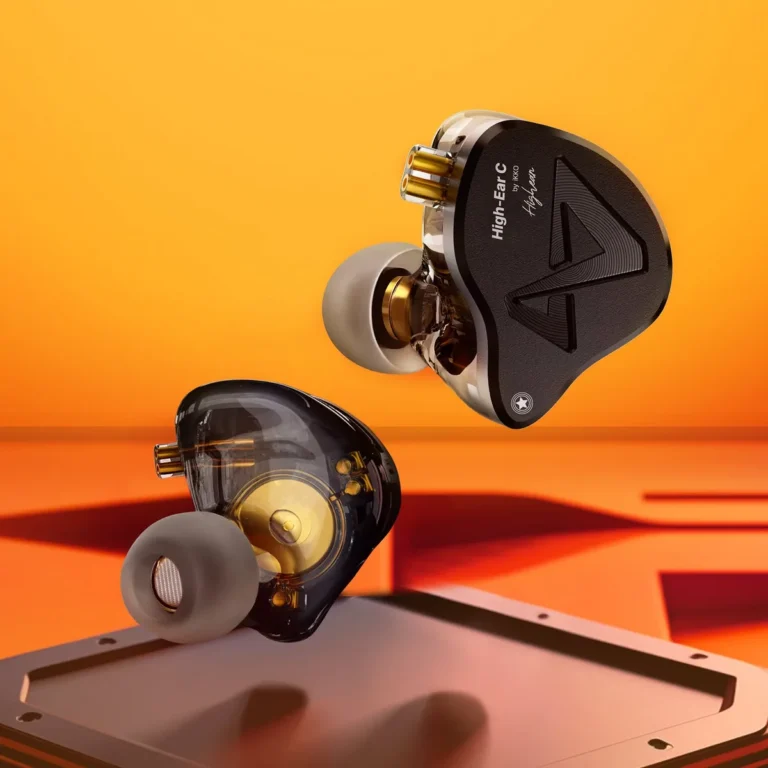
Wired in-ear monitors give the best comfort-per-gram because there's no battery or stem. Resin shells molded to universal shapes weigh 3 to 4 g per side. Detachable cables let you replace the cable instead of the whole earphone if it fails.
Best for desk use and travel where battery isn't a concern.
Sleep-Focused Earphones
A growing niche for side sleepers. These models weigh under 3 g per piece, use flat memory foam tips, and have a low profile that doesn't press the ear when you lie on it. They usually sacrifice battery life (3 to 4 hours per charge) and bass impact for comfort.
Picking the Right Tier
| Budget | What You Get | Comfort Trade-Off |
|---|---|---|
| Under $50 | Basic fit, fewer tip sizes | May need third-party tips |
| $50 to $150 | Foam tips, multiple sizes, vents | Solid all-day comfort |
| $150 to $300 | Premium materials, app-based fit tests | Best for sensitive ears |
| $300+ | Flagship tuning, custom-fit options | Comfort similar to mid-range |
Best Earphones for Long Listening Sessions
Long sessions expose every comfort flaw. After two to three hours of continuous wear, your ear tells you exactly where pressure is wrong, where the seal is slipping, and where the housing is too heavy. The pairs that survive this test share specific traits worth knowing.
Weight Is the Single Biggest Factor
Aggregate reviews of long-wear use show that anything over 5.5 g per earpiece starts to drag on the tragus by hour two. The lightest premium true-wireless options sit around 4 g. Wired in-ear monitors are even lighter because there's no electronics or battery in the housing.
Why Memory Foam Wins Here
Memory foam tips distribute pressure evenly and adapt as your canal shifts during wear. Verified buyer feedback on long-session use consistently rates foam above silicone by a clear margin. The catch is that foam degrades faster, so factor in replacement every two to three months.
Battery and Comfort Together
If you're going 6+ hours, charging case cycles matter as much as earpiece comfort. A case that delivers three full top-ups means you can wear the same pair all day without ever clamping them in. If you're planning marathon sessions, you can pair long-wear earphones with a quality power bank to keep your case topped up on the go.
Quick Checklist for Long Sessions
- Earpiece weight under 5 g
- Memory foam or soft silicone tips
- Pressure-relief vents in the housing
- At least four tip sizes in the box
- Charging case with three or more full charges
Best Earphones for Side Sleepers and Sensitive Ears
Sleep use is the hardest comfort test there is. You can't shift the earphone when it digs in, and your pillow adds pressure on top of the canal seal. Most standard earphones fail this within minutes.
A small niche of models is built specifically for it.
The Side-Sleeper Profile
The ideal sleep earphone weighs under 3 g per piece, has a flat profile under 10 mm thick, and uses memory foam tips. It also tends to skip ANC, since active cancellation introduces a faint pressure sensation that some users find distracting when lying down.
What Verified Buyers Report
Aggregate reviews for sleep-focused earphones highlight three consistent points. They stay in place when turning over. They don't trigger pressure points on the tragus.
They rarely last more than a single night per charge, which is acceptable for sleep use.
Sensitive Ear Canal Solutions
If regular in-ears make your canal sore, you have two paths. Try a semi-in-ear design that rests at the canal opening. Or try open-ear bone conduction that bypasses the canal entirely.
Both sacrifice bass and isolation, but they remove the source of irritation completely.
When Sleep Earphones Make Sense
They're worth it if you fall asleep to podcasts, white noise, or audiobooks. They are not worth it for daily commuting or office use, where battery life and isolation matter more. Use them as a second pair, not your main set.
Best Earphones for Small or Non-Standard Ear Canals
Standard tip kits assume an average canal. If you're outside that average, off-the-shelf earphones often just don't fit, no matter how good the brand is. The fix is knowing what to look for.
Signs Your Canal Is Outside the Standard
Earphones keep falling out, even with "M" tips. Sealing feels inconsistent from ear to ear. Bass disappears when you move your jaw.
Verified buyer feedback from users with smaller-than-average canals reports these exact symptoms across multiple brands.
What to Look For
Brands that ship XS and XL tips, not just S/M/L. Models with shallow nozzles under 6 mm. Third-party tip makers that specialize in small or large sizes.
Some premium brands even offer custom-molded tips as an add-on.
Custom-Fit Options Worth Considering
Custom-molded earphones take an impression of your ear and build tips to match. They cost more upfront but solve the fit problem permanently. Universal custom tips offer a middle ground: silicone molded from generic ear scans, available in extended size ranges.
Brands Known for Inclusive Fit Kits
Several brands specifically market to users with non-average ears and ship five or more tip sizes in the box. Look for this when comparing models, because a brand that takes fit seriously usually scores higher on comfort reviews overall.
Common Comfort Problems and How to Fix Them
Most comfort issues come down to a handful of root problems. Once you know the cause, the fix is usually cheap and fast.
Ear Fatigue After One to Two Hours
This is almost always a weight or tip-size issue. Try lighter tips (soft silicone or thin foam). Switch to a smaller tip if the current one feels like it's stretching your canal.
If the housing is heavy, look at lighter true-wireless options or wired IEMs.
Tips Falling Out During Movement
The seal isn't matching your canal shape. Try a different tip material, foam usually grips better. Try a different size, often going up one size fixes a slipping problem.
Make sure the nozzle isn't too narrow for the tip's core.
Pressure Buildup or "Plugged" Feeling
The seal is too aggressive. Switch from foam to soft silicone for less expansion. Pick a vented housing design.
Take the earphones out for ten seconds every hour to equalize pressure.
Skin Irritation After Extended Wear
Usually a hygiene or material issue. Clean silicone tips weekly with mild soap. Replace foam tips every one to three months.
If irritation persists, try hypoallergenic tips or a non-canal design.
Jaw Soreness From Heavy Stems
The stem is loading weight on the tragus. Choose stemless or short-stem designs. Lighter earpieces overall (under 5 g) help.
If the soreness continues, a behind-the-neck or over-ear hook style may suit you better.
Mistakes That Ruin Earphone Comfort
Most comfort problems aren't caused by the earphone itself. They're caused by habits that wear down the fit or stress your ears. A few simple mistakes account for the majority of complaints.
Wearing Tips That Are the Wrong Size
Going straight for "medium" because it's labeled medium is the single most common comfort mistake. Try every included size. Take a few minutes and walk around with each pair.
The right size often surprises people.
Ignoring Foam Tip Replacement
Foam degrades faster than people expect. After two months, the foam loses bounce and stops sealing properly. If your once-comfortable foam tips suddenly feel loose, replace them.
Don't try to stretch their life.
Pushing Deeper for a Better Seal
Pushing an in-ear deeper into the canal won't improve seal. It just adds pressure on the canal wall and risks irritation. The right seal happens at a natural, shallow insertion depth.
If bass is weak, try a larger tip, not deeper insertion.
Using the Same Pair for Every Activity
Gym, office, and sleep all stress the fit differently. If you use one pair for all three, you'll compromise everywhere. A two-pair setup (one for activity, one for casual wear) is the comfort upgrade most people overlook.
The same logic applies to keeping your gear charged. A reliable charging routine keeps your case ready.
Skipping Ear Tip Hygiene
Wax and skin oils break down silicone and foam over time. A weekly clean with mild soap and water extends tip life and prevents skin irritation. Replace tips at the first sign of surface breakdown.
How to Choose the Right Fit for Your Ears
Start by trying every tip size included in the box. The right tip seals without pressure, stays put when you move, and feels almost invisible. If you're between sizes, the smaller one usually wins for comfort.
Caring for Ear Tips and Housings for Long-Term Comfort
Wash silicone tips weekly with mild soap and water. Replace foam tips every one to three months. Wipe down housings with a dry cloth after workouts to keep sweat from degrading the finish.
Safe Listening and Ear Health Guidelines
Keep volume under 60 percent for sessions longer than an hour. The World Health Organization safe listening standard recommends limiting exposure to 85 dB over eight hours. Take five-minute breaks every hour to let your ears equalize.
Frequently Asked Questions
What earphones are most comfortable for sleeping?
Sleep-focused earphones with flat profiles under 10 mm and memory foam tips work best. They weigh under 3 g per piece and skip ANC to avoid pressure sensation.
Are silicone or memory foam earphones more comfortable?
Foam tips rate higher for long-wear comfort because they distribute pressure evenly. Silicone is easier to clean and lasts longer but can feel firmer in the canal.
Can earphones cause ear pain?
Yes, if the tip size is wrong, the housing is too large, or the seal is too aggressive. Switching tip material or size usually fixes the problem.
How heavy should comfortable earphones be?
Under 5 g per piece for true wireless is the comfort sweet spot. Above 6 g, fatigue builds faster during long sessions.
Do expensive earphones fit better?
Not always. Fit depends on tip kit completeness and housing shape, not price. Many mid-range models ship with better fit options than flagships.
Final Verdict: Which Comfortable Earphones Should You Buy
Match the earphone to your use case. Long sessions call for foam tips and sub-5 g weight. Sleep use calls for ultra-low profile designs.
Sensitive canals call for semi-in-ear or open-ear builds. Fit, weight, and tip material will outperform any brand or price tag every time.
For travel, a compact pair paired with a reliable portable charger keeps your case topped up across long trips.