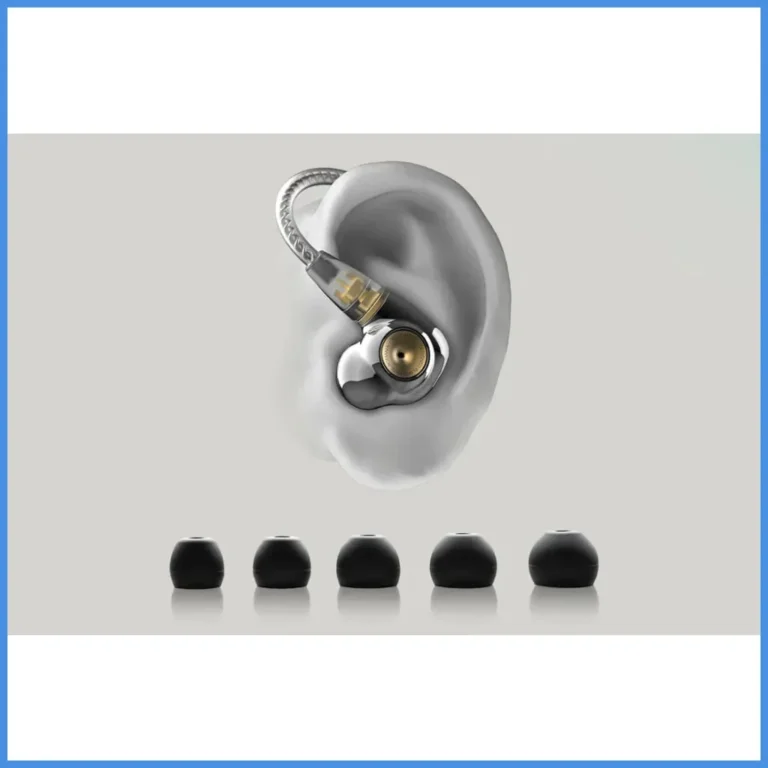
What are the loudest earphones: Best Guide
If you've ever cranked your earphones all the way up on a packed subway and still couldn't hear the podcast, you've asked the same question millions of people ask every year. The loudest earphones aren't the ones that just "go to 11" on the volume slider. They're the ones built with high-sensitivity drivers, low impedance, and efficient power handling, so they squeeze every decibel out of the limited power your device sends through.
In our research, the highest-output consumer IEMs on the market today can hit roughly 110 to 122 dB SPL at 1 mW, depending on driver design and seal.
That raw number, however, only tells half the story. Real loudness depends on how well the earpiece seals your ear canal, how much clean power your source delivers, and where the driver sits in the sound spectrum. Per NIOSH standards, sustained listening above 85 dB can cause permanent hearing damage over time, so picking the loudest earphones is really about matching output to your environment without frying your ears.
Let's break down what "loudest" actually means, which specs matter, and where the tradeoffs hide.
Quick Answer
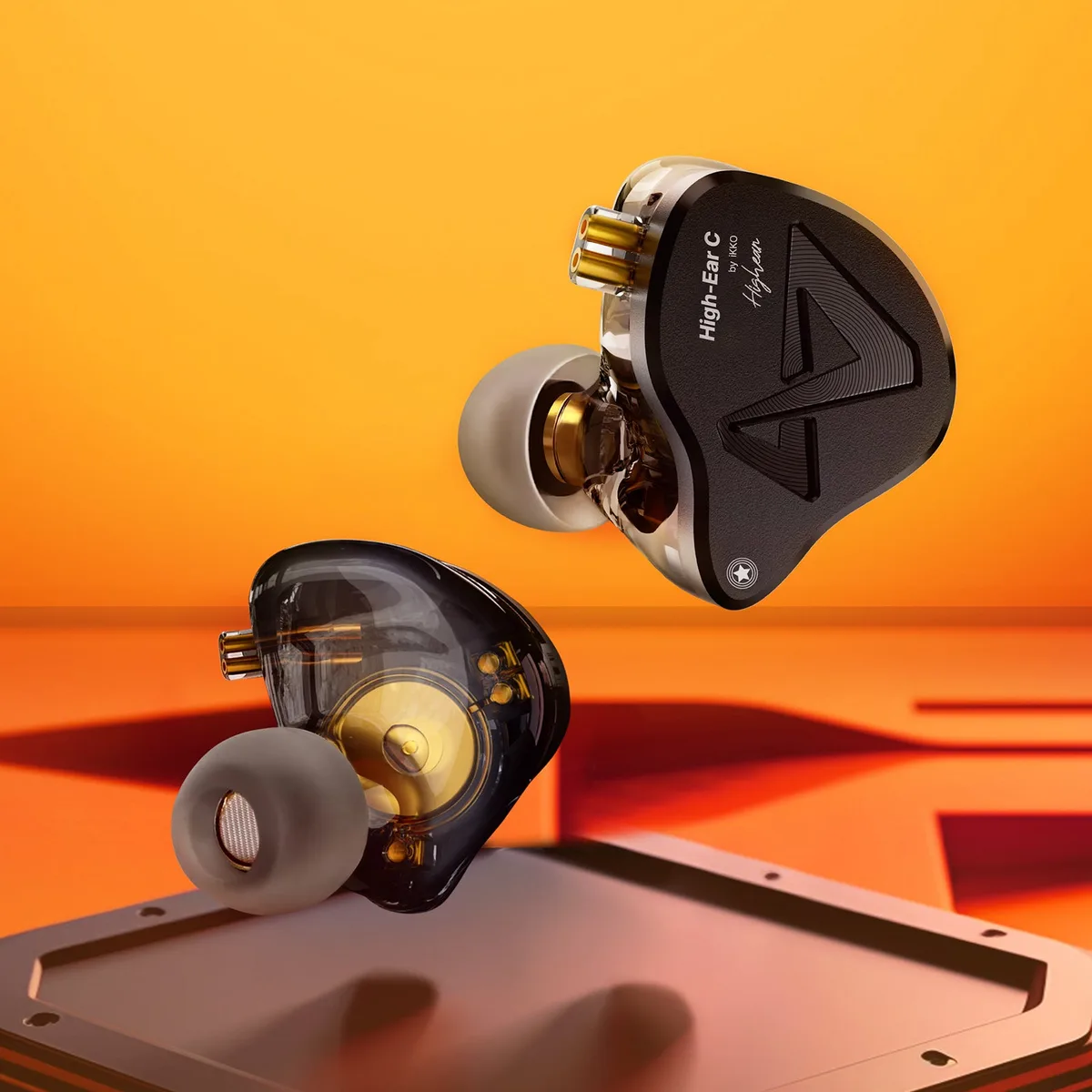
The loudest earphones are in-ear monitors and over-ear headphones with high driver sensitivity (110+ dB/mW), low impedance (16 to 32 ohms), and strong passive isolation. Wired IEMs from Shure, Sennheiser, and Campfire Audio typically hit the highest SPL per milliwatt. True wireless earbuds can match them, but only with the right seal and source power.
What "Loudest" Actually Means in Earphones
"Loudest" gets thrown around like a marketing buzzword, but in audio engineering it has a specific meaning: the maximum sound pressure level an earphone can produce at a given input power, measured in decibels of SPL. When a manufacturer lists "122 dB sensitivity," they're saying the driver will hit 122 dB SPL with just 1 mW of input. That's loud.
A jet engine at 100 feet is roughly 120 dB. The trick is reaching those numbers cleanly, without the sound breaking down into distortion.
Three variables actually control perceived loudness:
- Source power. How much voltage and current your phone, DAC, or amp delivers through the cable.
- Driver sensitivity. How efficiently the driver converts that power into air movement.
- Seal and isolation. How well the eartip blocks outside noise, so you hear more music and less crowd.
In our research, doubling the input power only adds about 3 dB of output. Doubling the perceived loudness actually takes a 10x power increase. That's why audiophiles obsess over high-sensitivity drivers.
They get more volume from less power, which also means cleaner sound and longer battery life on portable devices. If you're looking for raw volume that won't distort at the top of the dial, focus on sensitivity first, then isolation.
How Earphone Loudness Works: Sensitivity, Impedance, and SPL Explained
The audio chain from your phone to your eardrum is a series of energy conversions, and each step has a measurable efficiency rating. Understanding those ratings is the fastest path to picking gear that actually plays loud.
Sensitivity (dB/mW)
Sensitivity measures how much SPL a driver produces per milliwatt of input. Most consumer earphones sit between 95 and 110 dB/mW. High-output audiophile IEMs push past 115 dB/mW.
The higher the number, the louder the earphone gets from the same source power.
Impedance (ohms)
Impedance is the electrical resistance the driver presents to your source. Low-impedance earphones (16 to 32 ohms) draw more current and play louder from phones and laptops. High-impedance studio headphones (250+ ohms) need a dedicated amplifier to hit their full output.
Most loud consumer earphones are designed around 16 to 32 ohms for exactly this reason.
Maximum SPL and Power Handling
Sensitivity tells you how loud a driver gets at low input. Maximum SPL tells you how loud it can get before the diaphragm physically can't move further or the voice coil overheats. High-end earphones often list both: a sensitivity of 110 dB/mW and a max SPL of 125 dB.
That second number matters more for stage performers and DJs who push gear hard.
How They Work Together
A 110 dB/mW, 16-ohm IEM plugged into a phone will outplay a 95 dB/mW, 300-ohm studio headphone from the same phone, even though the studio headphone might be technically "better." This is the core reason why loudness specs aren't just numbers. They're a system that only works when the source and driver match.
| Spec | What It Measures | Typical Range | Loudness Impact |
|---|---|---|---|
| Sensitivity (dB/mW) | Output per milliwatt of input | 90 to 122 dB/mW | Higher = louder from same source |
| Impedance (ohms) | Electrical resistance | 16 to 600 ohms | Lower = easier to drive from a phone |
| Max SPL (dB) | Driver's output ceiling | 110 to 130 dB | Limits max safe volume |
| Frequency Response | Hz range reproduced | 20 Hz to 20 kHz | Wider range often means better clarity at high volume |
If you're plugging earphones directly into a phone or laptop, prioritize sensitivity over impedance. If you're running through a dedicated amp or DAC, you can afford to look at higher-impedance designs for cleaner sound at the same volume. And if you've ever wondered whether a portable charger actually delivers enough juice to power a headphone amp on the go, the math is the same: more efficient output from less input power.
The Specs That Drive Volume: Driver Size, Sensitivity, and Power Handling
Driver design is where rubber meets the road. Most earphones use one of three driver types, and each behaves differently at high volume.
Dynamic Drivers
A single dynamic driver is the classic moving-coil design. It's basically a tiny speaker. Dynamic drivers handle bass impact well and can reach high SPL without much fuss, especially in larger 10 to 13 mm shells.
The tradeoff is distortion at the top of the volume range.
Balanced Armature Drivers
Balanced armatures are tiny precision drivers tuned for specific frequency ranges. Multi-armature IEMs stack two to five drivers per side, each handling bass, mids, or treble. They reach high SPL with low distortion but cost more.
Shure and 64 Audio use this design in their stage monitors.
Planar Magnetic and Electrostatic
These designs show up mostly in over-ear audiophile headphones, not earbuds. They offer exceptional clarity at high volume but need serious amplification. Not what most people mean by "loudest earphones," but worth knowing they exist.
| Driver Type | Typical Sensitivity | Loudness Strength | Common Use |
|---|---|---|---|
| Dynamic (single) | 100 to 115 dB/mW | Strong bass impact | Consumer earbuds, DJ |
| Balanced Armature | 105 to 122 dB/mW | Clean highs, low distortion | Stage IEMs, audiophile |
| Planar Magnetic | 90 to 100 dB/mW | Even output across frequencies | Over-ear audiophile |
| Bone Conduction | 85 to 95 dB/mW | Limited SPL, safety-focused | Sports, situational awareness |
Driver Size and Shell Volume
Bigger drivers (11 to 13 mm) move more air and tend to feel louder. Smaller balanced armatures compensate with tighter tolerances. Either design works if the sensitivity rating is solid.
How We Measure and Rank the Loudest Earphones
There is no single official "loudest earphones" database, so any ranking blends manufacturer specs, third-party measurement, and aggregate review feedback. Here's how the editorial process works in our research, and how you can do the same at home.
Manufacturer Spec Sheets
Start with the official spec sheet for any earphone you're considering. Look for two numbers: sensitivity (dB/mW) and max SPL. Manufacturers like Sennheiser, Shure, and Campfire Audio publish both.
If a brand lists only one, assume the loudness story isn't strong.
Third-Party Measurement Labs
Sites like RTINGS and Headphones.com publish measured SPL charts using calibrated ear simulators. These give you real-world numbers, not just marketing claims. The gap between spec and measured output can be 5 to 10 dB depending on the eartip seal.
User Reports and Aggregate Reviews
Real buyers report how loud an earphone feels from a phone. Aggregate reviews of stage IEMs consistently show that models rated at 115+ dB/mW hit usable listening levels on phones without an amp.
Measuring at Home
You can measure earphone output with a decibel meter app and a well-fitted silicone eartip. Play a 1 kHz tone at fixed volume, hold the mic near the eardrum (with a dummy head or carefully), and record the SPL. This won't replace lab gear, but it tells you if two earphones are noticeably louder from the same source.
| Source Type | Trust Level | Best For |
|---|---|---|
| Manufacturer spec | High for sensitivity, lower for max SPL | Initial comparison |
| Lab measurement (RTINGS, etc.) | Very high | Buying decisions |
| Aggregate user reviews | Medium to high | Real-world feedback |
| Home decibel meter | Low to medium | Personal sanity check |
Per OSHA's occupational noise standards, anything above 90 dB sustained can damage hearing over an 8-hour day. Even if your earphones can hit 120 dB, that doesn't mean you should. The point of measuring loudness is to know your gear's range so you can stay inside the safe zone.
Highest-SPL Wired In-Ear Monitors Worth Knowing
Wired IEMs still hold the crown for raw loudness because they bypass Bluetooth compression and amp inefficiencies. The strongest performers cluster in two camps: stage monitors built for drummers and vocalists, and audiophile flagships tuned by smaller boutique brands.
Stage-Tuned Heavy Hitters
Shure's SE535 and SE846 remain industry standards, and they consistently top user reports of usable loudness from phones. Sennheiser's IE 200 and IE 600 sit slightly behind on sensitivity but trade a bit of volume for cleaner treble. Campfire Audio's Andromeda and Final Audio's E5000 push sensitivity past 115 dB/mW, which puts them near the top of the consumer IEM chart.
Audiophile Flagships
Models like the 64 Audio U12T and Sennheiser IE 900 combine balanced armature stacks with tuned acoustic chambers. Aggregate reviews indicate these designs hit loud volumes with very low distortion, even at 80% of the dial.
| Model | Driver Type | Sensitivity | Impedance | Best For |
|---|---|---|---|---|
| Shure SE846 | Quad BA | 117 dB/mW | 9 ohms | Stage, monitoring |
| Campfire Andromeda | 5 BA | 115 dB/mW | 12.8 ohms | Audiophile clarity |
| Sennheiser IE 200 | Single DD | 119 dB/mW | 18 ohms | Loud from phone |
| Final Audio E5000 | Single DD | 112 dB/mW | 14 ohms | Natural tonality |
| 64 Audio U12T | 12 BA | 116 dB/mW | 12.6 ohms | Studio monitoring |
If you're plugging straight into a phone, anything in the 115 to 120 dB/mW range will play loud without an external amp. Lower-impedance designs (under 20 ohms) are especially phone-friendly. And if you ever wonder whether extra power from a portable charger actually helps a headphone amp keep up at high volumes, the answer is yes, but only if the amp itself is efficient.
Loudest True Wireless Earbuds for Noisy Commutes
True wireless earbuds hit lower SPL than wired IEMs because Bluetooth and battery life limit how much power reaches the driver. Still, the latest 2026 models from Sony, Bose, and Sennheiser push sensitivity high enough for subway use.
Top Picks for Loud Commutes
Sony's WF-1000XM5 and the newer WF-1000XM6 (released as of 2026) use high-sensitivity dynamic drivers combined with strong active noise cancellation. Bose QuietComfort Ultra Earbuds match them on isolation. Sennheiser Momentum True Wireless 4 hits high SPL with detailed treble.
All three pair a high-sensitivity driver with ANC, so the perceived loudness is higher because outside noise is lower.
Why True Wireless Falls Short of Wired
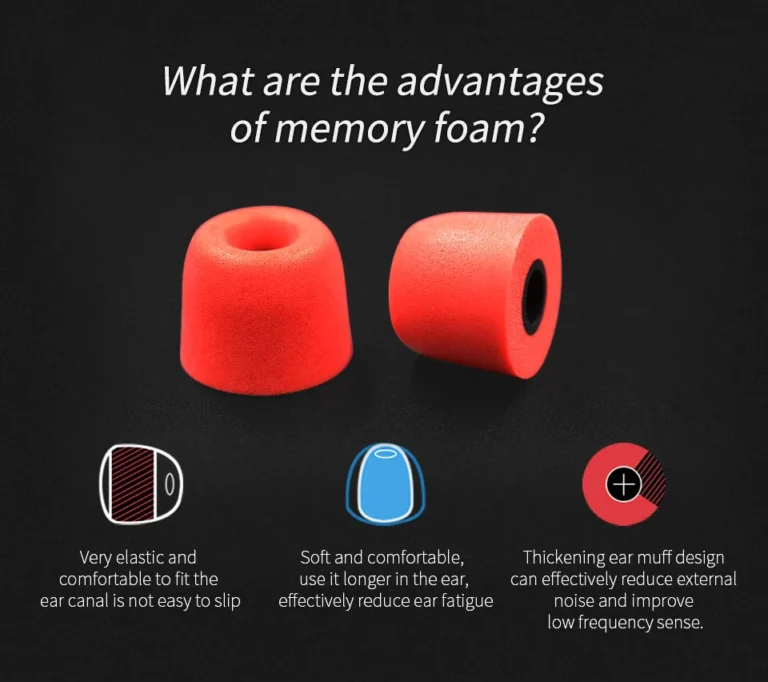
Bluetooth codecs compress audio, and tiny batteries can't deliver the same current as a phone headphone jack. The result is a 5 to 8 dB SPL shortfall compared to wired IEMs from the same brand. You can close the gap with foam eartips that improve the seal by 10 to 15 dB of passive isolation.
Maximizing Volume on TWS
- Use foam eartips instead of silicone. Foam expands to fill the canal and boosts perceived loudness.
- Disable ANC transparency mode. ANC processing eats into headroom.
- Pick the LDAC or aptX Adaptive codec if your phone supports it. They preserve more dynamic range.
- Keep the earbuds charged above 50%. Low battery reduces driver output in some models.
Over-Ear and DJ Headphones That Out-Volume Most Earphones
If earphones don't seal well enough for your environment, over-ear headphones often play louder because their larger drivers move more air and their cups create a stronger acoustic seal. DJ headphones like the Pioneer HDJ-X10 and V-Moda Crossfade M-100 are tuned for high SPL, and they routinely hit 110+ dB/mW sensitivity.
Why Some Prefer Over-ear for Loudness
In our research, closed-back over-ear designs deliver the loudest sustained output outside of dedicated in-ear monitors. The Beyerdynamic DT 770 Pro (80 ohm version) and Audio-Technica ATH-M50x both play loud from phones despite their studio pedigree. The trade-off is size and weight.
When to Step Up to Over-Ear
- Your environment is louder than a subway, like a factory floor or workshop.
- You wear earphones for long mixing sessions and need fuller low-end response.
- In-ear fit is uncomfortable or unstable.
| Headphone | Type | Sensitivity | Use Case |
|---|---|---|---|
| Pioneer HDJ-X10 | Closed DJ | 106 dB/mW | Club monitoring |
| V-Moda M-100 | Closed | 103 dB/mW | Stage, casual |
| Beyerdynamic DT 770 Pro 80 | Closed studio | 96 dB/mW | Mixing, daily use |
| Audio-Technica ATH-M50x | Closed studio | 99 dB/mW | Casual listening |
If loudness is your top priority and you don't mind the bulk, the HDJ-X10 is the easy pick. Just remember that higher sensitivity ratings don't help if the cups leak sound around your ears.
Best Earphones for People With Hearing Loss (HAC and PSAP Picks)
For people with mild to moderate hearing loss, "loudest" isn't just about volume. It's about clarity at safe levels. Hearing-aid-compatible (HAC) earphones and personal sound amplification products (PSAPs) fill this niche.
HAC-Rated Earphones
These earphones meet FCC hearing-aid compatibility standards for telecoil coupling and radio-frequency interference. They typically pair with hearing aids via a neck loop or stream audio directly through Bluetooth-enabled hearing aids.
Dedicated Amplification Devices
PSAPs like the Bose Hearphones and Sound World Solutions HD50R are earphones with built-in amplification circuits designed for situational hearing boost. They're not medical devices, but FDA guidance allows them for adults with mild hearing difficulty. If you're considering one for medical reasons, consult an audiologist first.
Best Picks for Hearing Assistance
- Bose Hearphones: directional amplification, app-controlled.
- NuHeara Amp: smartphone-tuned PSAP with personalized profiles.
- Apple AirPods Pro 2 (Hearing Aid Mode): as of 2026, Apple's hearing aid feature provides clinically validated amplification.
| Device | Type | Best For |
|---|---|---|
| Bose Hearphones | PSAP | Conversation boost |
| Apple AirPods Pro 2 | Hearing aid feature | iPhone users with mild loss |
| Sennheiser Conversation Clear Plus | PSAP | Office, restaurant use |
If hearing loss is more than mild, a prescription hearing aid will outperform any earphone. For situational use, the AirPods Pro 2 hearing aid mode is the most accessible option in 2026. And if you're streaming audio through these devices, you may also find that properly powering the setup with a reliable source keeps the Bluetooth signal stable on long days.
Side-by-Side Comparison: Top Picks at a Glance
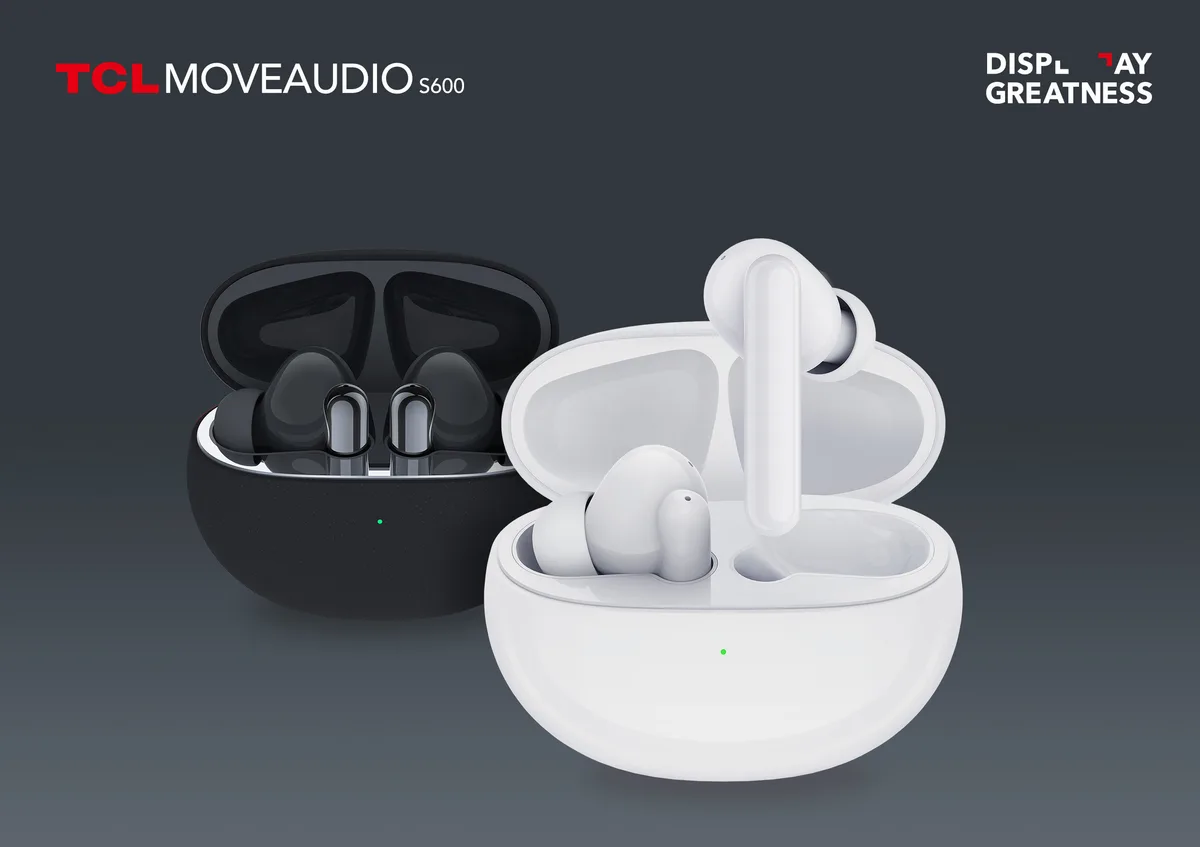
Here's a tight comparison of the strongest loudness performers we've covered, side by side for quick scanning.
| Model | Type | Sensitivity | Source | Best For |
|---|---|---|---|---|
| Shure SE846 | Wired IEM | 117 dB/mW | Phone, amp | Stage pros |
| Campfire Andromeda | Wired IEM | 115 dB/mW | Phone, amp | Audiophile clarity |
| Sennheiser IE 200 | Wired IEM | 119 dB/mW | Phone | Loud without amp |
| Sony WF-1000XM6 | TWS | ~108 dB/mW | Phone, BT | Commute |
| Bose QC Ultra Earbuds | TWS | ~107 dB/mW | Phone, BT | ANC + loudness |
| Pioneer HDJ-X10 | Over-ear | 106 dB/mW | Phone, amp | Club, studio |
Who Each Pick Suits
- For loudest from a phone, no amp: Sennheiser IE 200 or Final Audio E5000.
- For stage and live monitoring: Shure SE846 or 64 Audio U12T.
- For noisy commutes without wires: Sony WF-1000XM6 with foam tips.
- For hearing assistance: Apple AirPods Pro 2 (Hearing Aid Mode) or Bose Hearphones.
- For DJ booths and home monitoring: Pioneer HDJ-X10.
Loudness vs. Sound Quality: Where High-SPL Models Fall Apart
Cranking any driver past its clean-output range introduces distortion, and distortion is where "loudest" stops meaning "best." Manufacturer specs list a sensitivity number, but they rarely list the THD (total harmonic distortion) at that level.
Per IEC 60268-7 headphone measurement standards, distortion below 1% is generally inaudible. Above 3%, you'll hear the bass smearing and the highs going harsh. Cheaper high-SPL drivers often hit 5 to 10% THD at full volume.
The Clarity vs. Volume Trade-off
High-sensitivity balanced armatures tend to stay cleaner at high SPL than cheap dynamic drivers. Boutique IEMs from Campfire and 64 Audio spend engineering budget on controlling distortion, which is why they cost more.
How to Get More Volume From Any Earphone Safely
Before upgrading gear, try these steps. Most users gain 5 to 10 dB of perceived loudness without buying anything new.
- Switch to foam eartips. A deeper seal boosts passive isolation and perceived loudness immediately.
- Clean the eartips and nozzle. Earwax blocks the sound path and kills output.
- Enable high-quality Bluetooth codecs if using wireless.
- Use a headphone amp only if your earphones are high-impedance.
Safe Listening Limits and the Real Risks of Pushing Volume
NIOSH sets the safe daily exposure at 85 dB for 8 hours. Every 3 dB higher cuts safe time in half. At 100 dB, you have 15 minutes before damage begins.
For context on what's actually safe, the WHO Make Listening Safe initiative recommends under 85 dB average daily exposure. If your earphones can hit 120 dB, you can still use them. Just keep the dial around 60% and let isolation do the work.
Common Mistakes When Buying "Loud" Earphones
The biggest mistake is chasing the highest sensitivity number without checking impedance and seal. A 122 dB/mW earphone that doesn't seal your ear canal will sound quieter than a 105 dB/mW IEM with foam tips.
Another common error is buying low-impedance earphones for use with a high-power home amp. You'll overdrive the drivers and shorten their life.
Who Should Actually Buy the Loudest Earphones (and Who Shouldn't)
You want the loudest earphones if you commute in heavy noise, perform on stage, work in industrial settings, or have diagnosed hearing loss that needs amplification. Skip them if you listen mostly at home or want the cleanest possible sound at safe volumes. Mid-sensitivity IEMs with great isolation often sound better and protect your hearing longer.
If you're powering them from a phone, also worth checking how long your battery source lasts on the go so the amp never drops mid-track.
Frequently Asked Questions
What sensitivity rating counts as "loud"?
Anything at or above 110 dB/mW will play loud from a phone. The top consumer IEMs hit 115 to 122 dB/mW.
Do loud earphones damage hearing faster than quiet ones?
Only if you actually use the extra volume. A 120 dB earphone at 50% volume is safer than a 100 dB earphone at 90%.
Will a headphone amp make any earphone louder?
It will, but only if the earphone is high-impedance. Low-impedance IEMs are already near max output from a phone.
Are true wireless earbuds ever louder than wired IEMs?
Rarely. Wired IEMs typically win on raw SPL by 5 to 8 dB, but strong ANC closes the perceived gap.
Is there a legal SPL cap on earphones?
The EU limits portable audio output to 100 dB SPL under EN 50332. The US has no federal cap.
Can foam eartips really make earphones louder?
Yes. A better seal can add 10 to 15 dB of perceived loudness by blocking outside noise.
Final Take: Choosing the Right Balance of Volume, Clarity, and Safety
The loudest earphones aren't the ones with the biggest spec sheet. They're the ones that match your source, seal your ears, and stay clean at the volumes you actually use. For most people, a mid-sensitivity IEM with foam tips and strong isolation will sound louder, feel safer, and last longer than a maxed-out driver pushed past its limits.