What Is a Portable Power Bank: Your Complete Guide for 2026
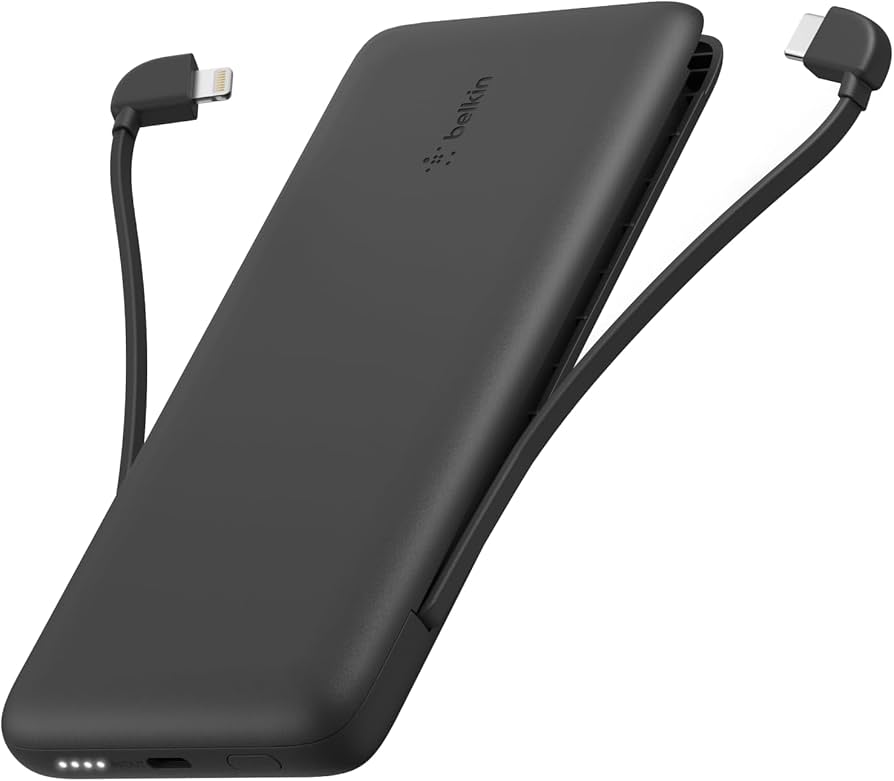
A portable power bank is a compact, rechargeable battery pack that stores electrical energy to charge your electronic devices on the go whenever you don't have access to a wall outlet.
Picture this: you're at a music festival, your phone hits 4%, and the nearest outlet is miles away. That tiny brick in your bag saves the day. I've been using portable power banks for over a decade now, and honestly, they feel like modern magic. As someone who's tested dozens of these gadgets, I'll walk you through everything you need to know about what a portable power bank really is, how it works, and why it might just become your favorite tech accessory. Stick with me, and by the end, you'll know exactly how to pick the perfect one for your lifestyle.
How a Portable Power Bank Actually Works
At its core, a portable power bank is a simple concept with smart engineering behind it. It stores energy in lithium-ion or lithium-polymer batteries, then releases that energy through a USB or USB-C port to charge your phone, tablet, or even laptop.
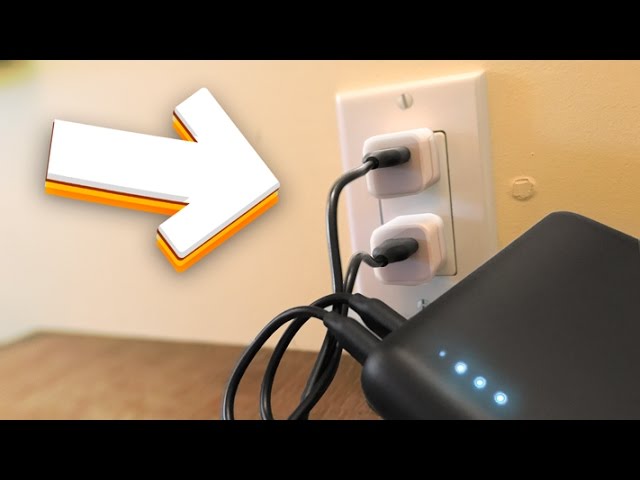
When you plug the power bank into a wall outlet, electricity flows into its internal battery cells. That energy gets stored as chemical potential. Later, when your phone is dying, the power bank converts that stored energy back into electrical current and sends it through the cable into your device.
The whole process is governed by a small circuit board inside the power bank. This little brain manages charging speed, voltage output, temperature, and safety features. Without it, you'd basically have a fancy paperweight.
Here's the basic flow:
- The power bank charges up from a wall outlet or computer
- Energy sits in the battery until you need it
- You connect your device using a cable
- The circuit board regulates how much power flows out
- Your device charges, and the power bank's capacity drops accordingly
Think of it like a water tank for electricity. The tank fills up when you have access to a source, and you can draw from it whenever you're thirsty. The bigger the tank, the more water you get.
Key Components Inside Every Power Bank
Understanding what makes up a power bank helps you appreciate why some cost $15 and others cost $80. There are four main parts working together inside.
Battery Cells
The heart of the unit. Most modern power banks use lithium-polymer cells because they're lightweight, hold more energy per gram, and don't suffer from the "memory effect" that older batteries had. The capacity is measured in milliampere-hours (mAh), and this number tells you how much charge is stored inside.
Charging Circuit
This controls how the power bank itself recharges. A good circuit supports fast input charging, meaning the power bank refills quickly when you plug it in overnight or during a coffee break.
Output Ports
USB-A used to be the standard, but USB-C and even wireless charging pads are now common. Some power banks include multiple ports so you can charge two or three devices at once.
Protection Circuitry
This is the safety net. It prevents overcharging, overheating, short circuits, and voltage spikes. Cheap power banks often cut corners here, which is why they can be dangerous.
Common Types of Portable Power Banks
Not all power banks are built the same. The market has split into a few clear categories, and each serves a different kind of user.
Standard Power Banks
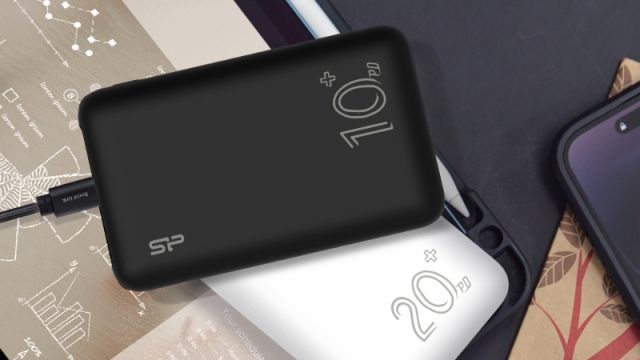
These are the everyday heroes. They range from 5,000 to 20,000 mAh and fit easily in a pocket or small bag. Perfect for commuters, students, and casual travelers. I've carried a 10,000 mAh model in my backpack for years, and it's saved me during countless long flights.
High-Capacity Power Banks
When you need serious juice, these monsters hold 20,000 to 50,000 mAh or more. They can charge a laptop multiple times or keep your phone alive for a full week off-grid. They're heavier, though. Don't expect to carry one in your jeans pocket.
Solar Power Banks
These have built-in solar panels to trickle-charge using sunlight. Honestly, in my experience, they work more as a backup option than a primary charging method. The solar input is slow, but they're great for camping trips where you might not see an outlet for days.
Wireless Power Banks
No cables needed for compatible phones. Just lay your device on top, and charging begins. Convenient, but slightly less efficient than wired charging.
Laptop Power Banks
These pack enough wattage and the right ports (like USB-C PD) to charge a MacBook or gaming laptop. They're a game-changer for digital nomads who work from cafes and trains.
Why People Use Portable Power Banks
The reasons go way beyond just topping off your phone. Once you start carrying one, you realize how often we depend on our devices.
- Travel: Airports, road trips, and hotels don't always have accessible outlets
- Emergencies: Power outages happen, and a charged phone can be a lifeline
- Outdoor adventures: Hiking, camping, and festivals drain batteries fast
- Work: Ride-share drivers, delivery workers, and field technicians rely on them daily
- Daily convenience: Some days you just forget to charge your phone overnight
I remember one time when my car broke down on a rural highway at night. My phone was at 2%, but my power bank gave me enough juice to call for help and stay on the line until the tow truck arrived. That's the kind of peace of mind you can't put a price on.
How to Choose the Right Power Bank
Picking the perfect power bank depends on your habits, devices, and budget. Here's what I always tell friends who ask for advice.
Match the Capacity to Your Needs
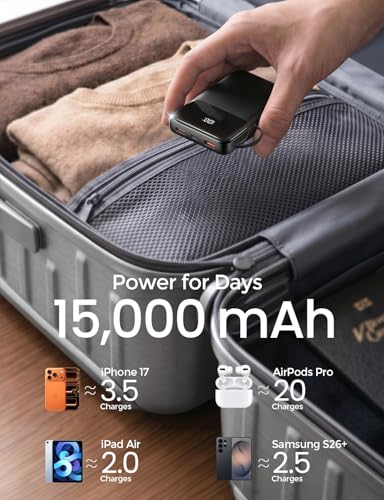
A 5,000 mAh power bank gives most phones one full charge. A 10,000 mAh bank gives two to three charges. If you carry multiple devices or travel often, go bigger. There's a simple rule of thumb: divide the power bank's mAh by your phone's battery size to estimate charges.
Check the Output Speed
Look for at least 5V/2A output. Modern fast-charging standards like Quick Charge 3.0, Power Delivery (PD), and VOOC can charge compatible devices much faster. If your phone supports fast charging, don't settle for a slow power bank.
Mind the Weight and Size
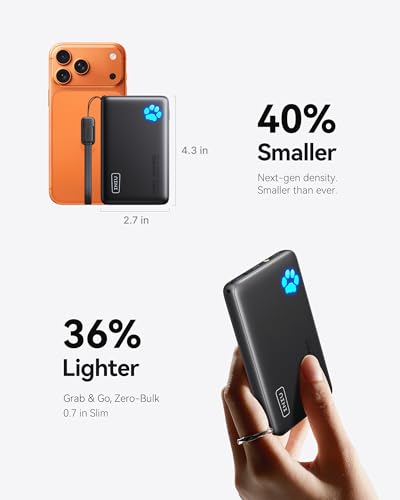
A 50,000 mAh power bank is awesome until you have to carry it up a mountain. Bigger capacity means more weight. Find the sweet spot between power and portability for your daily routine.
Look for Safety Certifications
Reputable brands include UL, CE, or FCC certifications. These mean the product has been tested for safety. Avoid no-name brands that seem too cheap. The risk of a battery fire isn't worth saving $10.
Consider the Ports
USB-C is becoming the universal standard. If your phone, tablet, and laptop all use USB-C, a power bank with USB-C input and output simplifies your cable life.
Read Real Reviews
Marketing claims can be misleading. A power bank advertised as 20,000 mAh might only deliver 13,000 mAh in real-world use due to energy loss. Reviews from actual users reveal the truth.
Caring for Your Power Bank
A good power bank can last 2 to 4 years if you treat it right. Here are some tips I've learned the hard way.
- Don't let it fully drain to 0% regularly. Lithium batteries prefer partial discharges.
- Avoid extreme temperatures. Leaving a power bank in a hot car can damage the cells.
- Use the right cable. Cheap cables can slow down charging or even cause issues.
- Charge it at least once every three months, even if you're not using it.
- Store it in a cool, dry place when not in use.
I made the mistake of leaving a power bank in my car during summer once. The heat swelled the battery, and it became unsafe to use. Lesson learned. Now, mine stays in my bag or on my desk, away from direct sunlight.
Common Misconceptions About Power Banks
There are a few myths floating around that deserve a quick reality check.
Myth: Higher mAh always means better.
Not necessarily. A poorly made 30,000 mAh power bank can perform worse than a quality 10,000 mAh one. Efficiency, build quality, and circuitry matter just as much.
Myth: You should only use the included cable.
Wrong. Any good-quality cable that fits your device works fine. The included cable is sometimes just a bonus.
Myth: Power banks can damage your phone's battery.
Quality power banks with proper voltage regulation are perfectly safe. The risk only comes from cheap, uncertified products with faulty circuits.
Myth: You can charge a power bank and a device at the same time without issues.
Many modern power banks support pass-through charging, but it's not ideal for the battery's long-term health. It's better to charge them separately when possible.
The Future of Portable Charging
The power bank industry keeps evolving. We're seeing graphene batteries that charge in minutes, GaN technology for smaller and more efficient designs, and even power banks with built-in AC outlets. Wireless charging speeds are catching up to wired speeds, and solar panels are becoming more efficient.
In the next few years, expect power banks to become smaller, faster, and smarter. Some will likely integrate with smart home systems, while others will become specialized for specific devices like drones or cameras. The category is far from saturated, and innovation continues to push the boundaries of what these little devices can do.
Frequently Asked Questions
What does mAh mean on a power bank?
mAh stands for milliampere-hours, and it measures how much electrical charge the power bank can hold. A higher mAh rating means more charging power for your devices.
Can a power bank charge a laptop?
Yes, but only if it has enough wattage output (usually 30W or more) and the right port type, like USB-C Power Delivery. Standard phone power banks won't work for laptops.
How long does it take to charge a power bank?
It depends on the capacity and the input speed. A 10,000 mAh power bank typically takes 3 to 6 hours to fully charge using a standard wall adapter.
Are power banks allowed on planes?
Most airlines allow power banks in carry-on bags but not in checked luggage. The limit is usually 100Wh (watt-hours) per battery, with some airlines allowing up to 160Wh with approval.
How many times can a power bank charge my phone?
Divide the power bank's mAh by your phone's battery mAh, then multiply by 0.85 to account for energy loss. For example, a 10,000 mAh power bank can charge a 3,000 mAh phone about 2.8 times.
Do power banks lose charge when not in use?
Yes, all power banks slowly lose charge over time due to natural battery discharge. A good power bank loses about 5-10% per month when sitting idle.
Is it safe to leave a power bank charging overnight?
Modern power banks with overcharge protection are generally safe for overnight charging, but it's better to unplug once full to extend the battery's lifespan.
Wrapping It All Up
A portable power bank is one of those unsung heroes of modern life. It's a compact, rechargeable battery that keeps your devices alive when wall outlets are out of reach. From quick phone top-ups to multi-day off-grid adventures, the right power bank can be a genuine lifesaver. Understanding how they work, what to look for, and how to care for them helps you get the most out of your investment. As battery technology continues to advance, these little powerhouses will only get better, lighter, and more efficient. Now that you know what a portable power bank is and how to choose one, why not grab one that fits your lifestyle and experience the freedom of never worrying about a dead battery again? Your future self will thank you the next time your phone hits 1% at the worst possible moment.