How Do You Put Ear Buds in 2026
Getting the most out of your earbuds, whether they cost $20 or $200, hinges on one simple thing: how you put them in. It sounds almost too basic, but a tiny adjustment can turn tinny sound and constant fiddling into an immersive listening experience. If your earbuds ever feel loose, sound weak, or just plain uncomfortable, you're not alone, and the fix is usually straightforward.
Our research indicates that achieving an effective ear canal seal is crucial for both audio quality and passive noise isolation, with some earphone specifications even measuring this seal for performance standards. This often means going beyond simply pushing them into your ears. Fortunately, mastering the right technique isn't complicated and can dramatically improve your enjoyment.
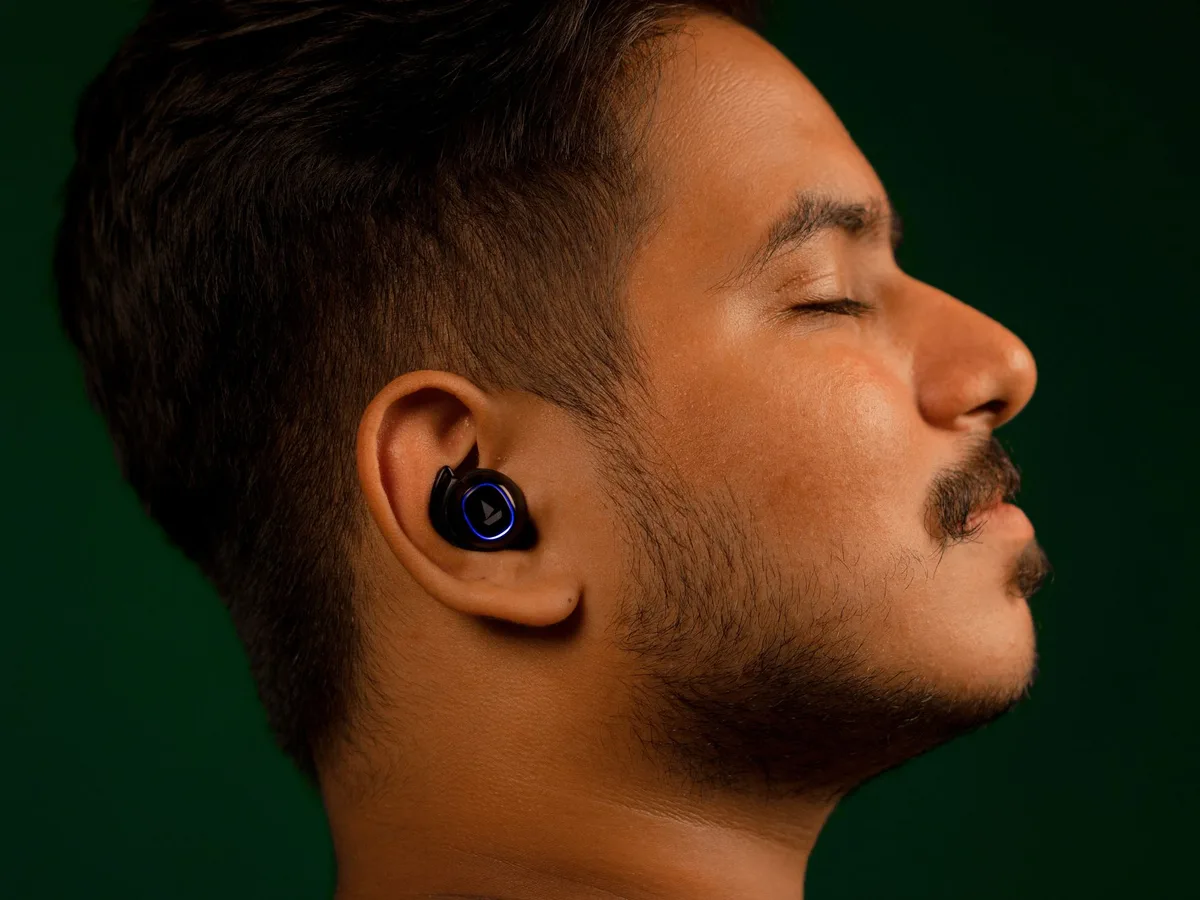
Why How You Put Them In Matters
Think of your earbuds like a well-fitting pair of shoes or a comfortable glove. They're designed to conform to the unique shape of your ear canal to provide both comfort and function. When they're inserted incorrectly, the acoustic seal breaks down. This isn't just about thin sound; it directly impacts bass response, clarity, and the effectiveness of any noise-isolating features.
A proper fit ensures the earbud's drivers are optimally positioned relative to your eardrum. This direct path allows the sound waves to travel cleanly, delivering the full range of frequencies as the artist intended. It's the difference between hearing music and feeling it.
Picking the Perfect Ear Tip for Your Ear
The tip is arguably the most critical component for a good fit. Earbuds typically come with a selection of ear tips, usually in silicone or foam, in various sizes. The goal is to find the combination that creates a snug, comfortable seal without causing pressure or pain.
Understanding Ear Tip Materials (Silicone vs. Foam)
- Silicone Ear Tips: These are the most common type. They're durable, easy to clean, and provide a good initial seal. They offer a crisp sound profile and are generally resistant to earwax buildup. However, some users find they can occasionally slip out, especially during vigorous activity if not seated correctly.
- Foam Ear Tips (Memory Foam): Made from a softer, pliable material, foam tips expand to gently fill your ear canal. This often results in superior passive noise isolation and a remarkably secure fit, as they mold to your unique shape. They tend to absorb sound better, potentially providing a warmer audio signature. The trade-off is that they can be a bit more delicate and may absorb sweat and earwax, requiring more frequent replacement. Manufacturer specifications often highlight the noise isolation capabilities of foam tips.
Finding Your Size: Small, Medium, or Large?
This is where many people fall short. Using the wrong size tip is the most frequent reason for poor fit and sound. You need a tip that’s large enough to expand slightly when inserted, creating that needed seal, but not so large that it feels like it’s pushing your ear open.
In our research, aggregate user feedback consistently points to larger tips for deeper insertion and better bass, provided they fit comfortably. Smaller tips are for narrower ear canals.
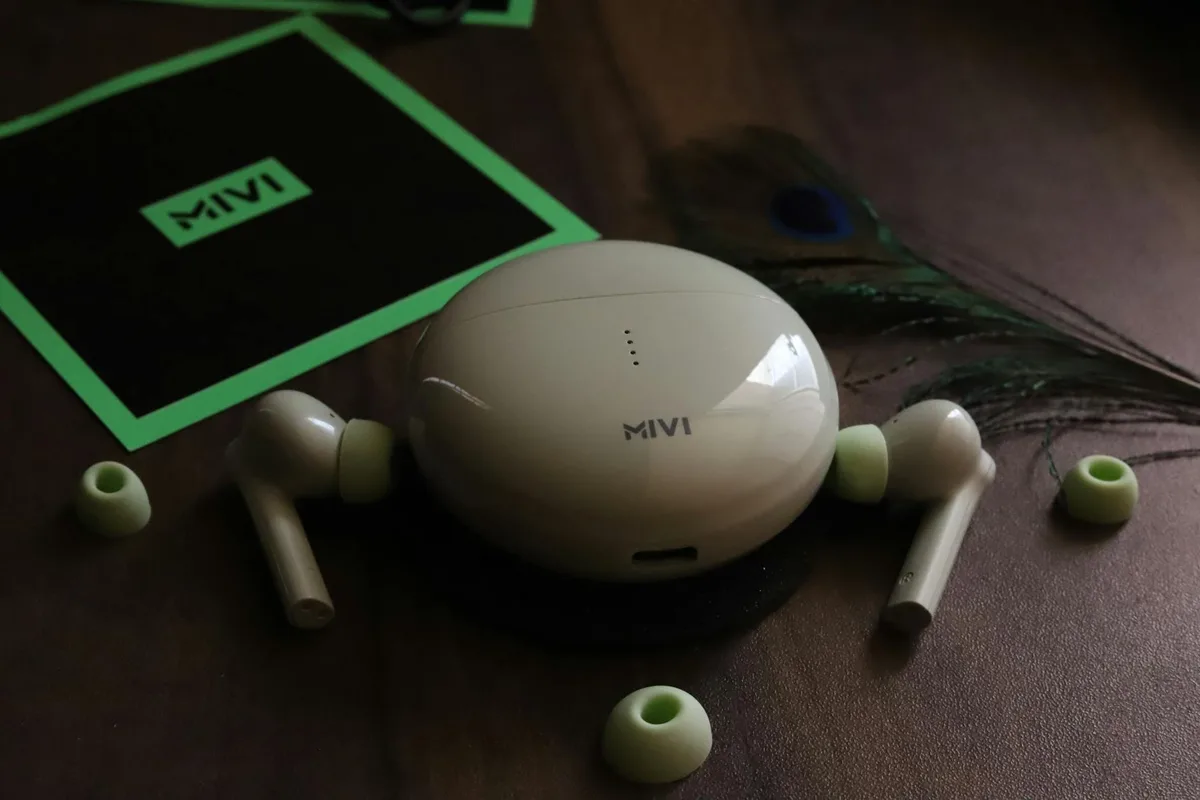
A simple test: insert an earbud with a particular tip. If you can easily hear your surroundings, or if music lacks bass, the tip might be too small. If it feels like it’s stretching your ear or causing discomfort after a few minutes, it's likely too large. Many brands, like Sennheiser, provide sizing guides as part of their product documentation.
The Step-by-Step Way to Insert Earbuds
Once you've got the right ear tip on, the insertion technique matters. It's less about force and more about finesse. This process is best understood visually, but we can break it down into key movements.
Step 1: Orienting the Earbud
Before you even bring the earbud close to your ear, orient it correctly. Most earbuds have a specific angle or curve designed to match the natural contour of the ear. Look at the earbud itself and your ear; you’ll notice a specific way it’s meant to sit. For many models, the stem will point slightly downwards, or the main body will sit at an angle upwards and backwards.
Manufacturer manuals or online product pages often show diagrams illustrating the correct orientation for their specific models. This initial step ensures you're not fighting the earbud's design from the start.
Step 2: The Gentle Insert and Twist
This is the core of the maneuver. Instead of just pushing straight in, you'll want to gently insert the earbud, and then apply a slight upward or downward twist, depending on the earbud's shape and your ear canal. Think of it like gently screwing it in.

This twist helps the ear tip compress and then expand within your ear canal, creating that crucial seal. Your ear isn't a perfectly straight tube; it has curves. The twist helps the tip navigate these curves and seat itself properly. The goal is to push the ear tip just deep enough so it feels secure, not forced.
Step 3: Achieving a Secure Seal
After the gentle insert and twist, you should feel a difference. The outside world should sound muffled, and the earbud should feel stable, not wiggly. If it still feels loose or you can easily hear ambient noise, you might need to try a slightly different angle or a bit more of a twist.
Alternatively, if you’re still struggling, it might indicate the ear tip size isn't quite right. Try reassessing your ear tip selection from the previous step. A good seal is paramount; without it, you're not getting the intended audio performance.
What a Good Fit Feels Like
A correctly fitted earbud shouldn't cause pain or discomfort, even after an hour of listening. You should feel a gentle, consistent pressure, not a sharp poke or a stretching sensation. The earbud should remain stable, even if you move your head or do light physical activity like walking.
The audio experience will also be a dead giveaway. Bass notes should sound full and resonant, not weak or boomy. Highs should be clear and crisp, and voices should sound present and natural. If your earbuds sound tinny, lack bass, or feel like they're about to fall out, it's a strong sign that the fit isn't optimal.