What To Look For In Solar Power Bank: Complete 2026 Guide
A great solar power bank should have a high-capacity battery, efficient solar panels, multiple charging ports, fast charging technology, and durable, weather-resistant construction.
Choosing the right solar power bank can feel a bit like picking a trusty sidekick for your outdoor trips. You want one that won't bail on you when your phone hits 5 percent, right? Over the past few years, I've tested dozens of these gadgets while camping, hiking, and even during a few unexpected power outages. Some were great, others were basically just fancy paperweights. Let me walk you through exactly what to look for so you can make a smart choice without the trial and error.

Understanding Solar Power Bank Capacity
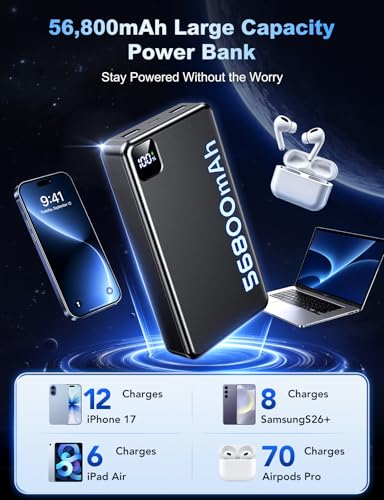
The capacity of a solar power bank is measured in milliampere-hours, or mAh, and this number basically tells you how much juice it can hold. Think of it like the size of a water bottle: the bigger the bottle, the more you can drink. If you're only charging a phone, a 10,000 mAh bank might be plenty. But if you want to power a tablet, a laptop, or multiple devices on a long trip, you'll want something in the 20,000 to 30,000 mAh range.
One thing I've learned the hard way is that advertised capacity doesn't always equal real-world output. Some banks lose power due to heat, voltage conversion, or just plain inefficiency. A good rule of thumb is to pick a bank with at least 20 percent more capacity than you think you'll need.
Also, keep in mind that solar charging is slow. It's meant to top off your battery, not fully charge it from zero in a hurry. Most of the time, you'll charge the bank through a wall outlet at home and use the solar panel as a backup or trickle charger when you're off the grid.
Solar Panel Efficiency and Charging Speed
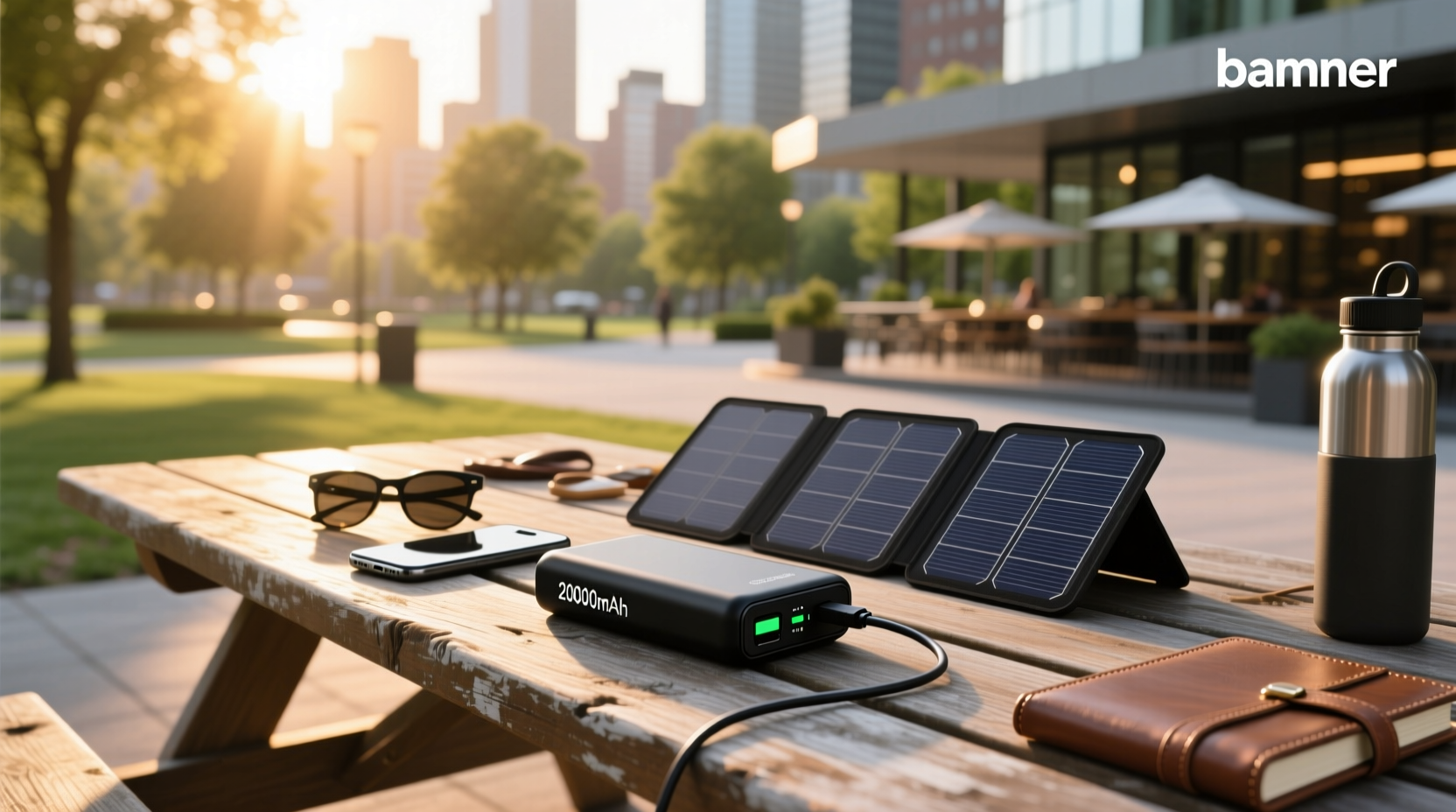
Not all solar panels are created equal. Some solar power banks use cheap, low-efficiency panels that take forever to charge even a small internal battery. Look for models that use monocrystalline solar panels, which are more efficient than the older polycrystalline type. They capture more sunlight and convert it into usable energy faster.
Panel size matters too. A tiny strip of solar cells on a 30,000 mAh bank might look cool, but it won't do much in a real-world scenario. I've found that a bank with a larger panel surface area charges noticeably faster, especially in direct midday sun.
Realistically, don't expect to fully charge a 20,000 mAh bank using solar alone in a day. It usually takes 20 to 40 hours of strong sunlight, which is why solar is best treated as an emergency backup or a way to maintain charge over time.

Build Quality and Durability
If you're taking a solar power bank outdoors, it needs to be tough. Look for features like rubberized edges, a sturdy outer shell, and an IP rating for water and dust resistance. An IPX4 rating or higher means it can handle splashes and light rain, while IP67 means it can survive a short drop in water.
I once took a budget solar bank on a rainy camping trip, and it stopped working halfway through the weekend. Lesson learned: weatherproofing is not optional if you're actually going to use it outside. A well-built bank should also have reinforced ports to prevent cracking or loose connections over time.
Drop resistance is another thing to think about. If you're hiking or traveling rough, a bank that can survive a 1 to 1.5 meter drop onto hard ground is worth the extra investment.
Charging Ports and Compatibility
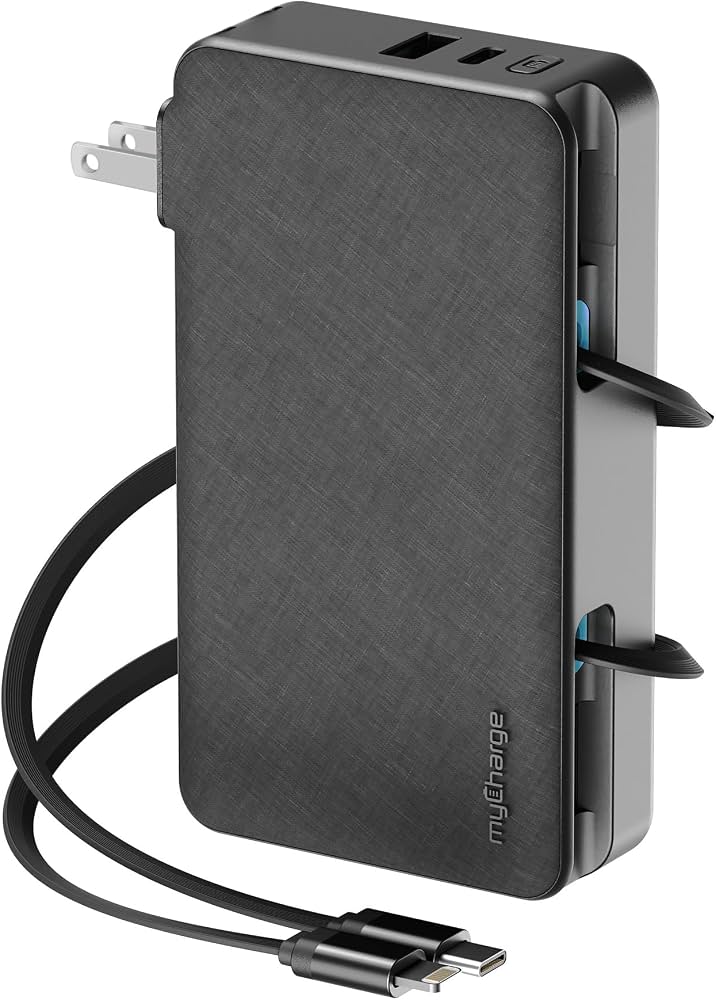
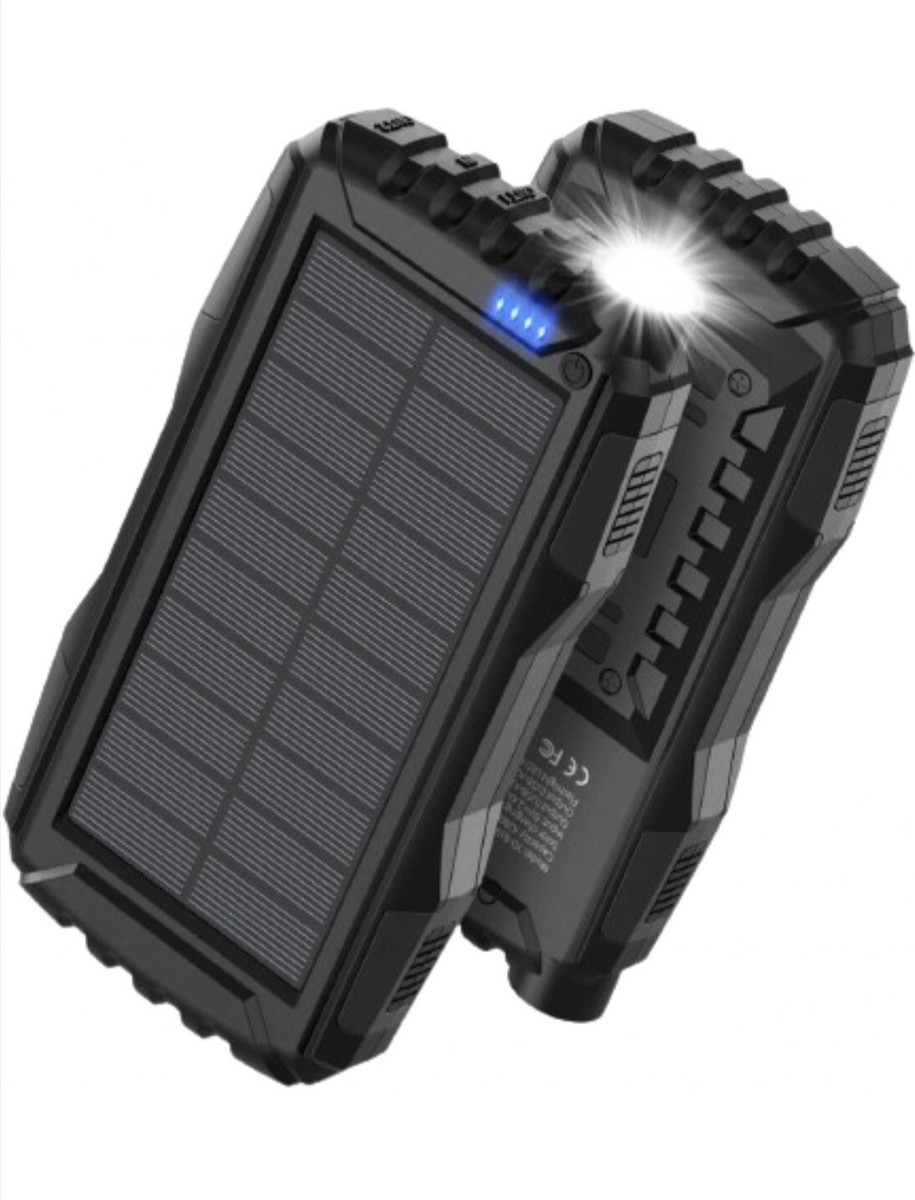
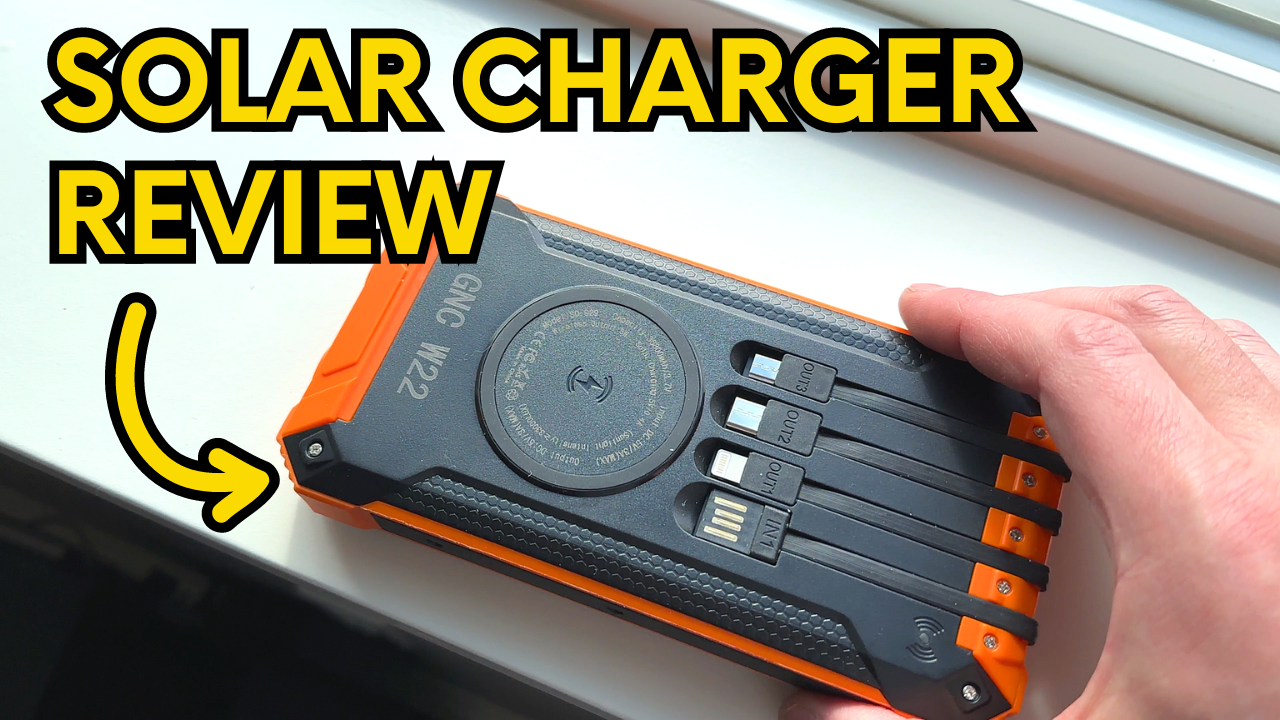
A good solar power bank should have multiple output ports so you can charge more than one device at a time. Most modern models come with at least two USB-A ports and one USB-C port. Some even include wireless charging pads for Qi-compatible devices.
Fast charging support is a big plus. Look for banks that offer Quick Charge 3.0, Power Delivery, or similar technologies. These can charge a phone from 0 to 50 percent in about 30 minutes, which is a lifesaver when you're in a hurry. Just make sure your device supports the same standard, or it will just charge at normal speed.
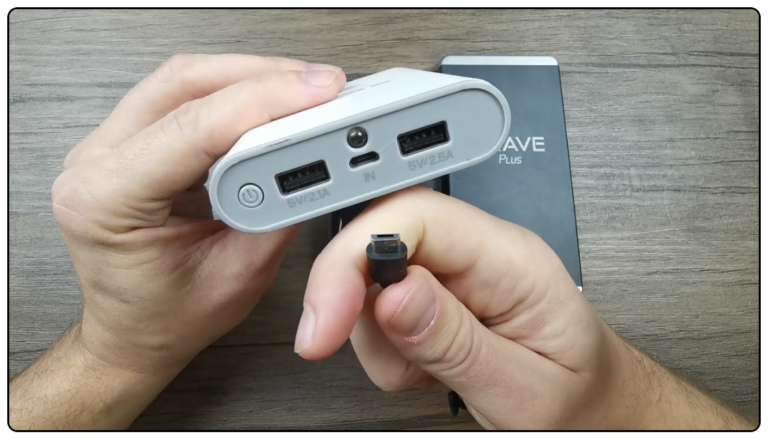
Also, don't forget about the input port. A USB-C input that supports fast recharging means you can refill the bank quickly at home before heading out. Micro-USB inputs are becoming outdated and slower, so USB-C is the way to go.

Battery Type and Safety Features
The battery inside a solar power bank is just as important as the solar panel on the outside. Lithium-polymer batteries are lighter, more flexible, and generally safer than older lithium-ion cells. They also tend to hold their charge longer when sitting in storage.
Safety features are a must. Overcharge protection, short-circuit prevention, and temperature control help protect both the bank and your devices. I've had cheap banks overheat while charging in the sun, which is both dangerous and bad for battery life. A well-designed bank will have built-in safeguards to prevent that.
Some models also include an LED flashlight, which is surprisingly handy for camping or emergencies. It's not a deal-breaker, but it's a nice bonus that adds to the overall value.
Portability and Weight
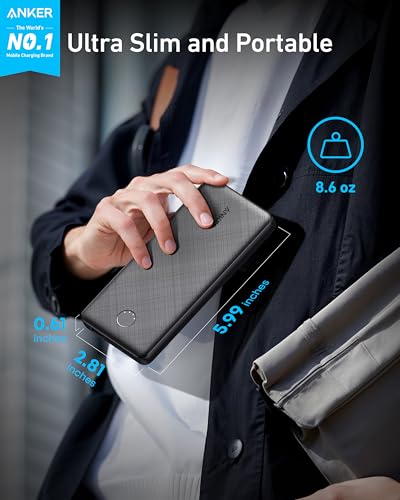
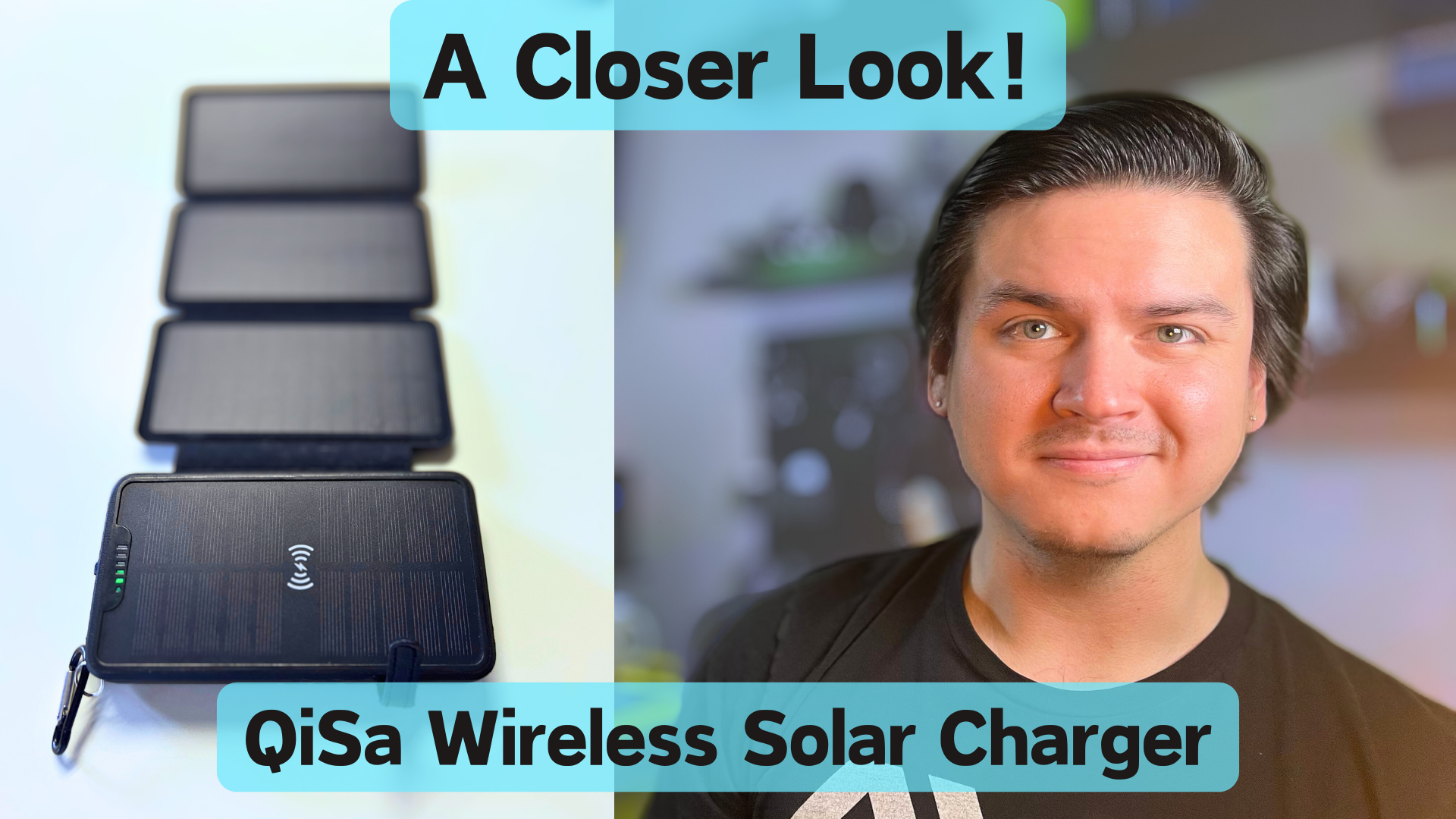
Capacity and portability often work against each other. A 30,000 mAh bank will keep your devices running for days, but it will also be heavier and bulkier. If you're backpacking or traveling light, a 10,000 to 15,000 mAh model might be a better fit.
I usually try to find a balance: something with enough capacity for two to three phone charges but small enough to slip into a side pocket or clip onto a backpack. Some banks even come with carabiners or straps, which makes them easier to attach to gear while you're on the move.
Weight is a real factor when you're walking all day. Every ounce adds up, so think about how you'll carry it and what you're actually willing to pack.

Real-World Performance and Limitations
Solar power banks are amazing tools, but they have limits. Solar charging depends on sunlight intensity, angle, and weather conditions. Cloudy days, shade, and indirect light can cut charging efficiency by 50 percent or more. The panels work best in direct, unobstructed sunlight.
Temperature also affects performance. Extreme heat can reduce battery efficiency, while extreme cold can slow down chemical reactions inside the cells. Most banks perform best in mild conditions, roughly between 50 and 85 degrees Fahrenheit.
Another thing to remember is that solar is a supplementary feature. It's there to help, not to be your main power source. Use it to top off your charge during the day, and save the wall outlet for a full refuel when you can.
Price vs. Value
You don't have to spend a fortune to get a reliable solar power bank, but you also get what you pay for. Super cheap models often cut corners on battery cells, solar panels, and safety features. They might work fine for a weekend, but they tend to fail sooner.
Mid-range options from reputable brands usually offer the best balance of price, performance, and durability. Look for models with good reviews, solid warranties, and transparent specifications. A slightly higher upfront cost often saves you from having to replace it in six months.
Think of it like buying a good pair of hiking boots. You want something that will last, not something you'll have to throw away after one trip.
Frequently Asked Questions
How long does it take to charge a solar power bank with sunlight?
It depends on the panel size and sunlight intensity, but most solar power banks take 20 to 40 hours of direct sunlight to fully charge. That's why they're best used for slow, steady top-ups rather than quick refills.
Can a solar power bank charge a laptop?
Some high-capacity models with USB-C Power Delivery can charge smaller laptops, but they won't fully charge a large laptop quickly. It's more of a backup option than a primary power source for most computers.
Are solar power banks waterproof?
Not all of them. You need to check the IP rating. An IPX4 rating handles splashes, while IP67 or higher can handle brief submersion. Many budget models are only water-resistant, not fully waterproof.
Do solar power banks work on cloudy days?
Yes, but much less efficiently. Cloud cover can reduce solar charging by 50 to 80 percent. You'll get some charge, but it will be very slow compared to direct sunlight.
How do I maintain a solar power bank for longer life?
Avoid extreme temperatures, don't let it fully drain often, and store it at around 50 percent charge if you're not using it for a while. Clean the solar panel regularly to keep it working efficiently.
Final Thoughts
Finding the right solar power bank comes down to matching your needs with the right features. Think about capacity, panel quality, durability, and how you'll actually use it. A good bank should feel reliable, charge efficiently, and hold up to real-world conditions.
Don't get caught up in flashy marketing or huge capacity numbers alone. Focus on the details that matter: battery type, safety features, port options, and build quality. A well-chosen solar power bank can be a true game-changer for camping, travel, or emergency prep.
Take your time, compare a few solid options, and pick one that fits your lifestyle. Once you have a dependable bank in your pack, you'll wonder how you ever managed without it.