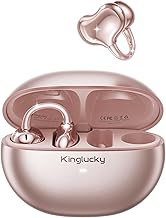
How Should Ear Buds Fit 2026
Getting earbuds to fit right isn't just about keeping them in your ears; it's crucial for sound quality, noise isolation, and comfort, especially if you plan on wearing them for a while. Think of it like this: your ear canal is unique, kind of like a fingerprint. What works for me might not be the exact same for you. The goal is a snug, but not painful, seal that ensures crisp audio and blocks out distractions.

When you're choosing earbuds, understanding how they should sit is key. As of 2026, industry standards often focus on secure fit for active use, with many designs aiming for an ergonomic hold that doesn't cause long-term discomfort. If you can hear a lot of background noise, or the bass sounds weak and tinny, your earbuds probably aren't sealed correctly.
The Importance of a Good Earbud Fit
Why What You Hear (and Feel) Matters
A great earbud fit isn't just a matter of preference; it directly impacts how you experience your audio and how comfortable you are wearing them. Manufacturer specifications often highlight secure fit features, but user reports consistently emphasize the subjective importance of proper seating. When earbuds fit well, they create an acoustic seal that is fundamental for achieving the intended sound profile. This seal dramatically improves passive noise isolation, meaning ambient sounds are naturally blocked out, allowing you to focus on your music, podcasts, or calls.
Without this seal, you're essentially losing sound quality, particularly in the lower frequencies (bass), and external noise will constantly compete with your audio.
Understanding the Two Pillars: Seal and Comfort
When we talk about earbud fit, we're really focusing on two main aspects: how well they create an acoustic seal, and how comfortable they are over time.
- The Seal: This is what allows your earbuds to perform at their best. A proper seal ensures that the sound waves produced by the drivers reach your eardrum without leaking out or being interfered with by external noise. It’s the difference between hearing a faint hum and feeling the full punch of the bass.
- Comfort: Even the best-sounding earbuds are useless if they hurt your ears after ten minutes. A good fit means the earbud rests snugly without applying undue pressure on any specific part of your ear canal or outer ear. This avoids fatigue and makes for an enjoyable listening experience, whether you're commuting or settling in for a long work session.
Finding Your Perfect Fit: A Step-by-Step Guide
Most decent earbuds these days come with multiple ear tip sizes. This is your starting point for achieving that optimal fit. You’ll need to experiment to find what works best for your unique ear canal shape, as it’s not a one-size-fits-all situation.
Choosing the Right Ear Tips
The small pieces of material that go into your ear canal are called ear tips, and they’re the most critical component for achieving a good fit. Standard earbud packages usually include silicone tips in small, medium, and large.
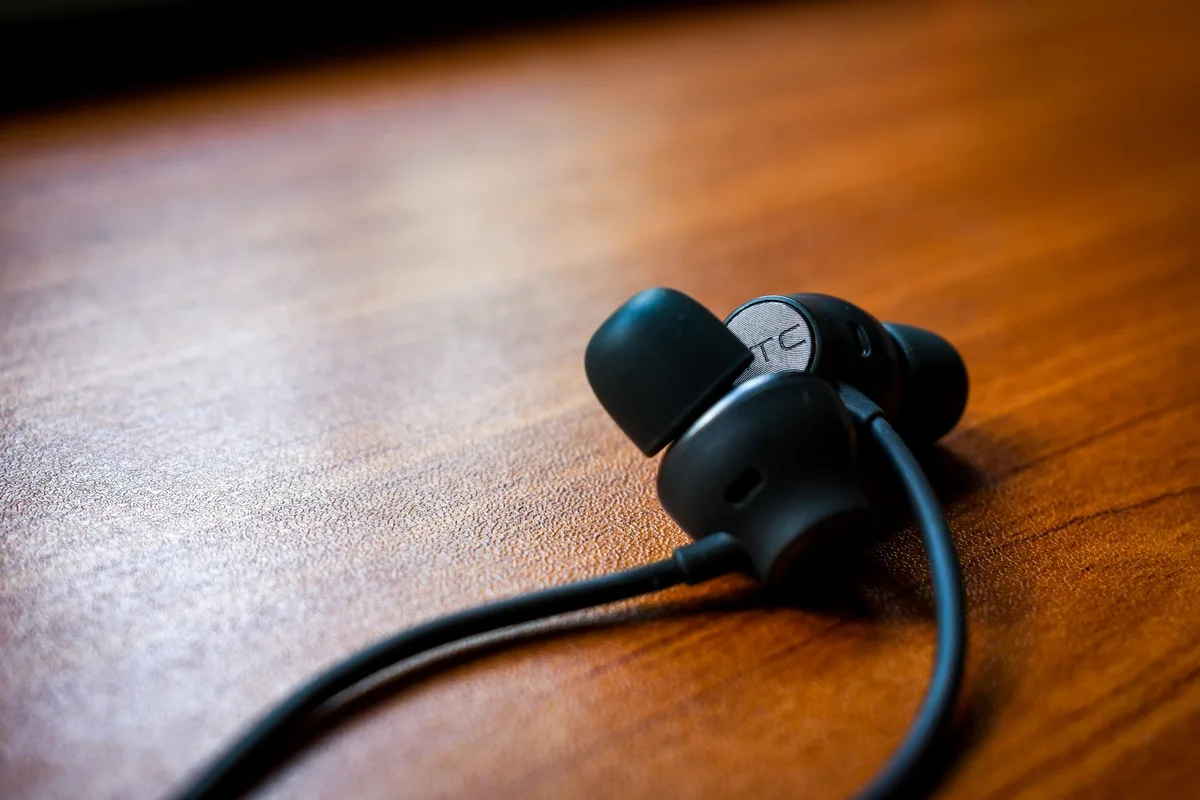
- Too Small: If the ear tip is too small, it won't expand enough to create a seal. You'll notice the earbud doesn't feel secure and might even slip out easily. The sound will likely be thin, with little to no bass, and you'll hear a considerable amount of ambient noise.
- Too Big: Forcefully inserting an ear tip that's too large can cause pain, pressure, and a feeling of blockage. While it might seem like a tighter fit, it's often uncomfortable and can lead to ear fatigue. It can also distort the sound by pressing too hard.
- Just Right: The ideal ear tip size will gently wedge into your ear canal, creating a light but definite seal. You should feel a snugness without discomfort. It should stay in place with minimal effort.
Mastering Earbud Insertion Technique
It's not just about what tip size you use; how you put the earbuds in also makes a significant difference. Different earbud designs, particularly those with wingtips or ear hooks, require slightly different approaches.
For typical in-ear monitor (IEM) style earbuds with silicone or foam tips:
- Gently Pull Your Earlobe: With the hand opposite the ear you're inserting into, gently pull your earlobe up and slightly back. This action helps to straighten out the natural curve of your ear canal, creating a more direct path for insertion.
- Insert the Earbud: While maintaining the upward pull on your earlobe, gently twist and insert the earbud into your ear canal. The goal is to seat it comfortably and securely, not to jam it in.
- Check the Seal: Once inserted, give the earbud a very slight tug. It should feel resistant to falling out.
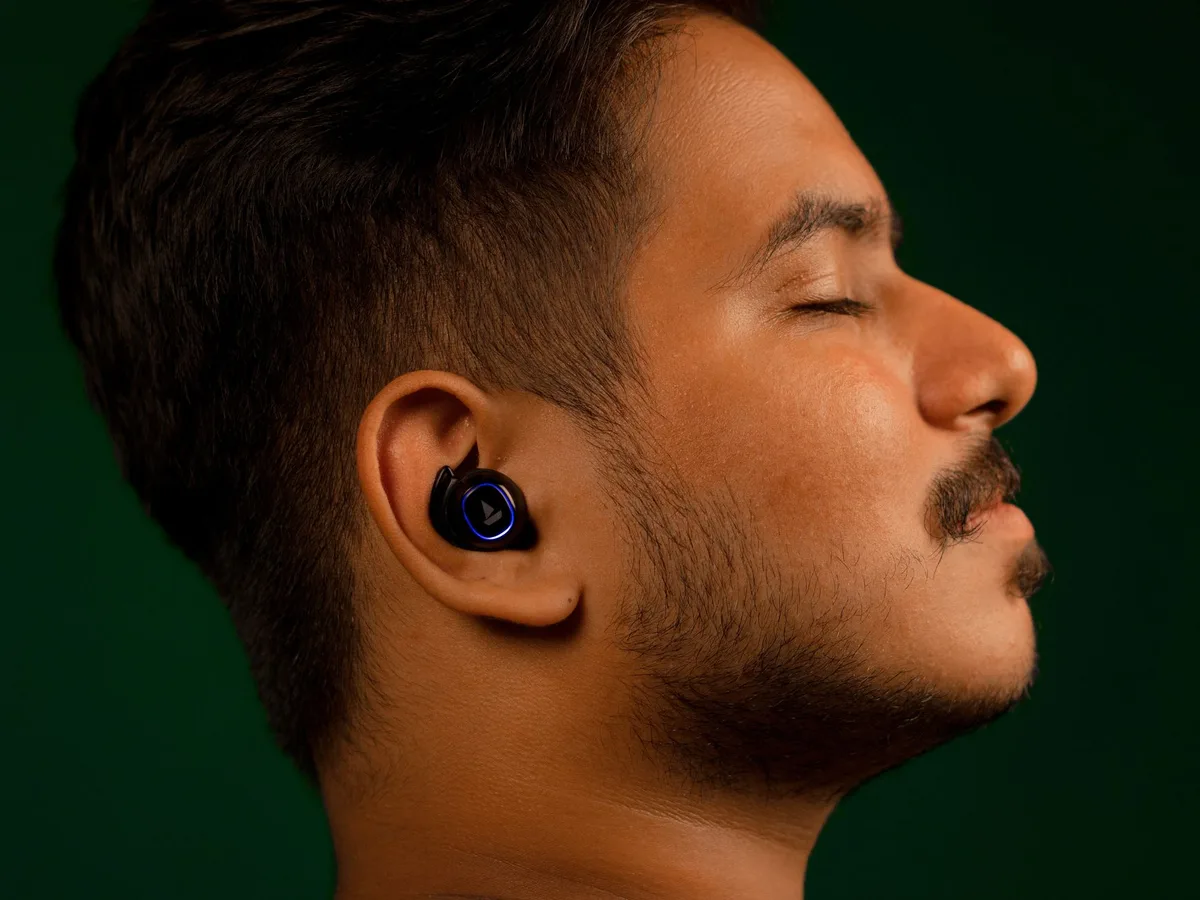
If your earbuds have ear hooks or wingtips, ensure these elements are properly positioned. Wingtips should nestle into the crevices of your outer ear, while ear hooks should drape comfortably over your ear. These are designed to add stability and prevent the earbud from dislodging during movement.
Testing for a Secure and Effective Seal
Once you’ve inserted an earbud, you need to confirm you've achieved both a secure fit and a proper acoustic seal. This requires a quick check of how it feels and if it's actually working.
- The Seal Test: Gently push or twist the earbud deeper or at a different angle. If you notice a significant change in sound quality, usually an increase in bass response or a muffling of background noise, you're on the right track to finding the optimal seal.
- The Secure Fit Test: With the earbud in place, gently tug on it. If it stays put without feeling like it's about to pop out, the fit is likely secure enough for normal activities. If it pulls out easily, try a different ear tip size or adjust your insertion angle.
- The Sound Test: Play some music you're very familiar with. Can you hear the bassline clearly and with impact? Does the music sound full, or thin and distant? If the bass is weak and you can hear your surroundings clearly, you likely don't have a good seal.
What a "Just Right" Fit Feels Like
When your earbuds are fitted correctly, you'll notice immediate and consistent benefits. They should feel snug, as if they’re a natural extension of your ear, but never painful. You should be able to wear them for several hours without developing discomfort or that annoying "fullness" sensation that makes you want to take them out.
Aggregation of user reviews and manufacturer feedback indicate that when a proper seal is achieved, passive noise isolation can be remarkably effective, often reducing ambient sound by 10-20 dB (decibels) on average. Furthermore, the soundstage opens up. Bass frequencies feel present and impactful, mid-tones are clear and detailed, and treble sounds crisp without being harsh. The audio experience is immersive, drawing you into the content without external distractions intruding.
Ultimately, a good fit enhances listening pleasure and reduces the need to crank up the volume to overcome background noise.
Common Earbud Fit Problems and How to Solve Them
You’re not alone if you’ve struggled to get your earbuds to sit right. Many common issues arise from simple misunderstandings about fit and seal. Let’s break down the most frequent pain points and how to overcome them.
Slipping Out? Let's Tighten Things Up.
The most frustrating issue is when earbuds constantly slip out, especially during movement or even just talking. This almost always points to an improper seal or an incorrect ear tip size.
- Problem: Loose fit, earbud falls out easily.
- Cause: Ear tip is too small, not creating enough friction or seal. The earbud housing might also be too large for the ear canal's entrance.
- Solution:
- Try a Larger Ear Tip: This is the most common fix. A larger tip will expand to fill more of your ear canal, creating a tighter, more secure fit.
- Adjust Insertion Angle: Sometimes, a slight change in how you insert the earbud can drastically improve its hold. Experiment with twisting it in a bit deeper or at a different rotational angle.
- Consider Wingtips/Ear Hooks: If your earbuds have them, ensure the stabilizing elements are properly seated. For earbuds without them, explore aftermarket wingtip attachments designed to improve grip.
- Clean Your Ears and Tips: Earwax buildup can prevent a good seal and cause slippage. Gently clean your ear canals and the ear tips regularly.
Pain or Pressure? You Might Be Forcing It.
If your earbuds hurt after a short while, that's a clear sign they aren't fitting correctly. Jamming an earbud in your ear can cause discomfort and even minor irritation.
- Problem: Ear pain, pressure, or discomfort.
- Cause: Ear tip is too large, or the earbud housing design is incompatible with your ear's natural shape.
- Solution:
- Downsize Your Ear Tip: If you’re using a large or medium tip and feel pressure, try the next size down. The goal is a snug fit, not a forceful one.
- Experiment with Different Materials: If silicone tips cause irritation, consider trying foam ear tips. Foam tips compress as you insert them and then expand to conform to your ear canal, often providing a gentler, more comfortable seal for many users.
- Relocate the Earbud: Sometimes, simply repositioning the earbud within your ear can alleviate pressure points. Try a slightly different angle or depth.
- Take Breaks: If you're new to in-ear earbuds, give your ears some time to adjust.
Weak Bass or Thin Sound? Your Seal Needs Work.
This is a direct indication that your earbuds are not creating a proper acoustic seal. Without it, the sound waves are escaping, and external noise is leaking in.
- Problem: Poor bass response, thin sound, high-frequency bleed-through from the environment.
- Cause: Ear tip is too small, creating a large gap, or the earbud is not fully seated.
- Solution:
- Upsize Your Ear Tip: A larger ear tip is the most probable solution. It needs to expand sufficiently to create a barrier.
- Improve Insertion Depth: Ensure you're inserting the earbud far enough into your ear canal to create a seal, but not so far that it becomes uncomfortable. The pull-back technique mentioned earlier is crucial here.
- Check for Obstructions: Ensure no earwax or debris is blocking the earbud’s sound port or preventing the ear tip from seating properly.
When to Consider Different Ear Tips Or Earbud Designs
Sometimes, even with the best intentions and a variety of silicone tips, a particular earbud model just won't cooperate with your ear anatomy. This is where exploring alternatives becomes key. Not all ears are shaped the same, and what works perfectly for one person might be a constant struggle for another.
If you've tried all the included tip sizes and insertion techniques from the previous steps, and you're still experiencing slippage or discomfort, don't give up. The shape of the earbud housing itself plays a huge role in how securely and comfortably it sits. Some designs might be too bulky, too long, or have an unusual angle that just doesn't align with your ear canal.
Exploring Alternative Ear Tips
One of the most effective upgrades you can make is to switch to different types of ear tips. While silicone is standard, foam tips offer a distinct advantage for many users.
- Foam Ear Tips: These are typically made from slow-rebounding memory foam. When you compress them, they expand slowly to fill your ear canal. This often results in a superior seal and enhanced passive noise isolation compared to silicone. They can also feel softer and less intrusive for longer listening sessions.
- Hybrid Tips: Some brands offer hybrid designs combining a silicone core with a foam outer layer, aiming to give you the best of both worlds.
If your current earbuds didn't come with foam tips, you can usually buy them separately from third-party manufacturers. Just ensure you get the correct size and stem diameter for your specific earbuds.
Rethinking the Earbud Housing Design
If even superior ear tips don’t solve your fit issues, it might be time to look at the core design of the earbuds themselves. Earbuds come in various shapes and sizes, and some are engineered for particular fits.
- Shallow Fit vs. Deep Fit: Some earbuds are designed to sit more shallowly in the outer ear, relying on wingtips or ear hooks for stability. Others are meant to be inserted deeper into the ear canal for a snug seal. Your personal preference and ear anatomy will dictate which is best.
- Ergonomic Shapes: Many premium earbuds feature sculpted housings designed to follow the natural contours of the ear. If you frequently experience pressure points, researching models known for their ergonomic designs could be a worthwhile pursuit.
- Ear Hooks and Wingtips: For very active users or those with particularly stubborn ears, earbuds that incorporate external support like ear hooks or prominent wingtips can be a game-changer. These provide passive stability that helps keep the earbud locked in place even during vigorous activity.
Expert Tips for Earbud Comfort and Performance
Beyond the basic fit, a few expert insights can elevate your earbud experience from merely functional to truly optimal. These tips address longevity, maintenance, and maximizing the audio quality your earbuds can deliver.
Proper maintenance is key to both comfort and performance. Over time, earwax and debris can accumulate on both your ear tips and the earbud nozzle. This buildup degrades the acoustic seal, leading to muffled sound and reduced bass. It can also cause irritation and allergic reactions for some users.
- Regular Cleaning: Make it a habit to clean your ear tips regularly. Most silicone tips can be removed and washed gently with mild soap and water. Ensure they are completely dry before reattaching them. Foam tips, however, are more delicate and usually require gentle wiping with a slightly damp cloth or specialized cleaning wipes. Do not use harsh chemicals.
- Nozzle Maintenance: Use a soft, dry brush or a specialized cleaning tool to gently remove any wax or debris from the earbud nozzle itself. Be careful not to push debris further into the earbud’s internal workings. Manufacturer websites often provide detailed cleaning instructions for their specific models. For example, some vendors recommend using a soft, dry cloth and a dry, soft brush, avoiding liquids.
Optimizing for Long Listening Sessions
If you plan to wear your earbuds for extended periods, whether for work, travel, or gaming, comfort becomes paramount. This is where double-checking your fit and considering tip material can prevent long-term issues like ear fatigue or even Tinnitus concerns if volume is consistently too high.
- Breaks are Beneficial: Even with the best fit, giving your ears a short break every hour or two can prevent fatigue and discomfort. Simply remove the earbuds and let your ears rest for a few minutes.
- Low-Volume Listening: Research from organizations like the World Health Organization suggests that prolonged exposure to high sound levels can damage hearing. Aim to listen at moderate volumes, which also helps preserve battery life and reduces the likelihood of ear fatigue. A common recommendation is to keep listening volumes below 80% of the maximum.
- Monitor for Irritation: If you start to feel itching, redness, or any sign of irritation, remove the earbuds immediately. This could indicate an allergic reaction to the material or a persistent pressure point.
Enhancing Sound Quality Through Fit
Remember, that perfect seal directly translates to better sound. Don't underestimate the impact of a slightly different ear tip or a minute adjustment in insertion.
- Bass Head? Check Your Seal: If you’re not getting the bass you expect, it’s almost certainly a seal issue. Ensure the ear tip is fully expanding and creating a complete barrier.
- Treble Too Harsh? Adjust Again: Sometimes, an imperfect seal can cause certain frequencies to sound unnaturally sharp. Re-inserting, trying a different tip, or even slightly adjusting the earbud's angle can smooth out the sound profile.
Real Scenarios: Who Benefits Most from a Great Earbud Fit?
The need for a perfect earbud fit isn't limited to casual listeners. Various user groups experience specific benefits from getting their earbuds seated correctly. Understanding these scenarios can highlight why it's worth the effort.
The Commuter: For those navigating noisy public transport, a secure seal acts as a personal quiet zone. Passive noise isolation from a good fit can dramatically reduce the roar of trains or traffic, allowing for a more pleasant and less stressful journey. It also means they can listen at lower volumes, protecting their hearing in enclosed, noisy spaces.
The Athlete/Fitness Enthusiast: This group experiences the most immediate benefits of a secure fit. Earbuds that stay put during runs, workouts, or dynamic movements prevent constant re-adjustments, allowing their focus to remain on their performance. A good seal also ensures they get the intended audio cues and music motivation without interruption.
The Remote Worker: In environments with background chatter or household noise, a proper earbud seal is critical for clear communication during conference calls. It minimizes the need for active noise cancellation (which can sometimes introduce pressure or artificial sound) by providing excellent passive isolation, ensuring participants can hear and be heard without strain.
The Audiophile: While often associated with high-end headphones, the principles of accurate sound reproduction apply to earbuds too. A perfect acoustic seal is the foundation for achieving the intended frequency response, particularly for bass extension and overall tonal balance, allowing for a more faithful listening experience.
Common Mistakes to Avoid with Earbud Fit
Many people fall into a few common traps when trying to get their earbuds to fit. Recognizing these can save you frustration and help you achieve a better result faster.
- Not Trying All Included Tips: It's tempting to just grab the medium tips and go. However, your ears are unique, and often one ear needs a different size than the other. Always test all provided sizes.
- Believing "More Pressure = Better Fit": Jamming earbuds into your ears until they hurt is counterproductive. Discomfort indicates a poor fit, not a good one. It can lead to ear fatigue, pain, and even temporary hearing issues.
- Ignoring the Seal for Sound: If your bass sounds weak or you hear too much outside noise, the problem is almost certainly a lack of a proper acoustic seal. Don't accept subpar sound quality; it's a sign you need to adjust your fit.
- Forgetting Regular Cleaning: Earwax buildup is a silent killer of good earbud fit and sound. Neglecting to clean your ear tips and earbud nozzles will inevitably lead to a degraded experience over time.
- Assuming All Earbuds Fit the Same: Different brands and models have distinct housing shapes and driver placements. What works for one pair might not work for another, even if they look similar.