How Much Is 5000 Mah Power Bank: 2026 Price Guide
A 5000mAh power bank typically costs between $10 and $30, depending on the brand, build quality, charging speed, and extra features like built-in cables or fast-charge support. For most people, this price range is the sweet spot, cheap enough to grab without thinking twice, yet solid enough to keep your phone alive through a busy day or a weekend trip.
If you've ever stood in an electronics aisle or scrolled through Amazon wondering whether a 5000mAh power bank is worth it, how long it actually lasts, or what to look for before buying one, you're in the right place. I've tested, used, and compared dozens of these little power bricks over the years, from budget no-name brands to reliable names like Anker, RAVPower, and Aukey. Let me walk you through everything you need to know so you can pick the right one without overpaying or under-buying.
What Does 5000mAh Actually Mean?
Before we talk price, let's clear up what 5000mAh really means, because that little number on the box can be misleading.
mAh stands for milliampere-hour, a unit that measures how much electric charge a battery can hold. The higher the mAh, the more energy it can store, and the more times it can charge your devices. A 5000mAh power bank is considered a small to mid-size portable charger. It's compact, lightweight, and fits easily in a pocket or small bag.
But here's the catch: the real usable capacity is lower than what's printed on the box. Most power banks lose around 20% to 30% of their rated capacity due to voltage conversion and heat loss. So a 5000mAh power bank will typically give you about 3,000 to 3,500mAh of actual charging power.
For example, if you have an iPhone 15 with a 3,349mAh battery, a 5000mAh power bank can fully charge it once with a little juice left over, or charge it close to 100% depending on the phone and efficiency rating. For a Samsung Galaxy S24 (4,000mAh), you might get about 80% to 90% of a full charge.
How Much Does a 5000mAh Power Bank Cost?
Now, the big question: how much is a 5000mAh power bank going to set you back?
In general, you can expect to pay anywhere from $10 to $30 for a decent 5000mAh power bank. Here's a quick breakdown based on brand tier and features:
- Budget brands: $8 to $15. These are often off-brand models sold on Amazon, eBay, or at discount stores. They work, but charging speed, build quality, and safety may vary.
- Mid-range brands: $15 to $25. This includes trusted names like Anker, RAVPower, Aukey, and Xiaomi. You get better build quality, faster charging, and safety features like overcharge protection.
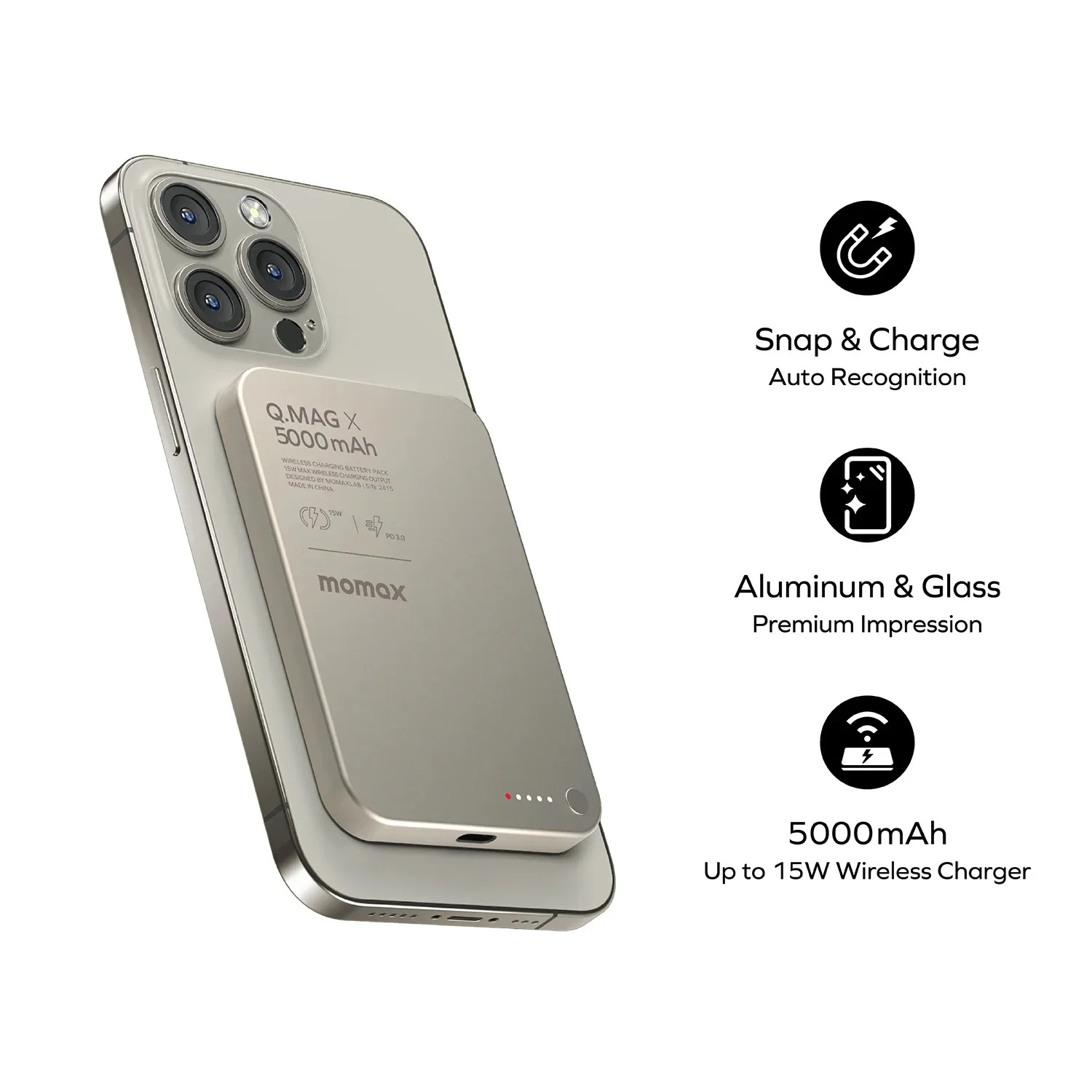
- Premium brands: $25 to $40. These offer fast charging (PD or Quick Charge 3.0), sleek designs, USB-C input/output, and sometimes even wireless charging built in.
In my experience, the sweet spot is around $15 to $20. That's where you get the best balance of price, reliability, and performance. I bought a Xiaomi 5000mAh power bank a couple of years ago for about $14, and it's still going strong with no signs of swelling or slow charging.
Key Factors That Affect the Price of a 5000mAh Power Bank
Not all 5000mAh power banks are priced the same. Several factors influence the final cost, and knowing them helps you spot a good deal or avoid a bad one.
1. Brand Reputation
Well-known brands charge a bit more because they've earned trust through consistent quality. Anker, for instance, is known for its safe charging circuits and long-lasting batteries. A no-name brand might be cheaper, but you risk getting a unit that overheats or dies after a few months.
2. Charging Speed and Technology
Basic power banks charge at 5V/1A (5W), which is slow. Newer models support 5V/2.4A (12W), Quick Charge 3.0, or even Power Delivery (PD) at 18W. Faster charging tech usually adds a few dollars to the price, but it's worth it if you're in a hurry.
3. Ports and Compatibility
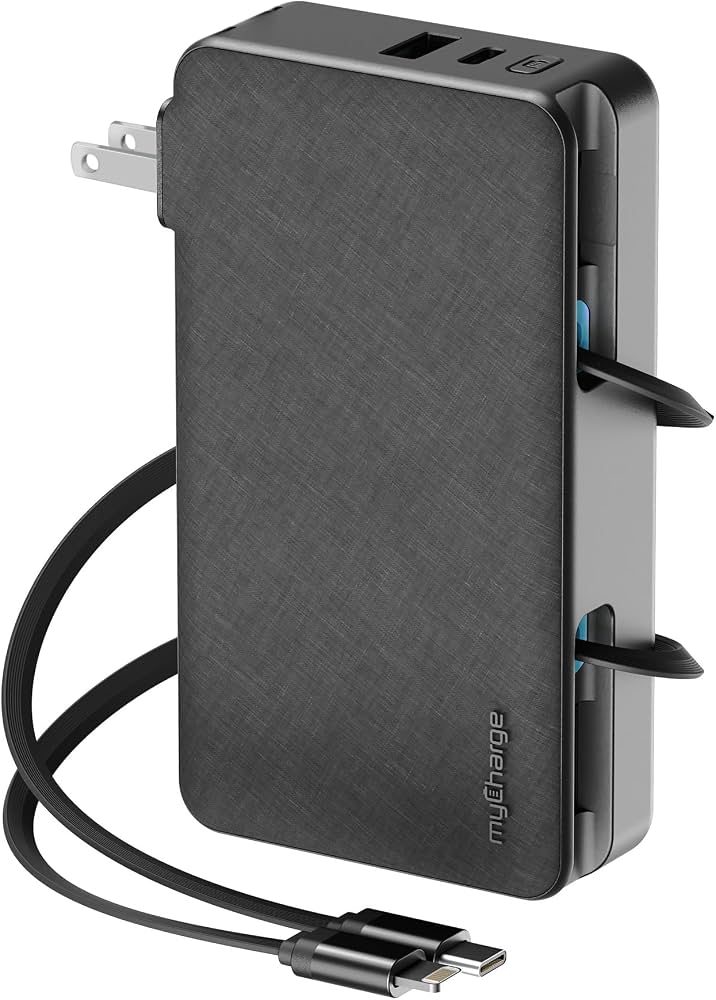
Some 5000mAh power banks come with a single USB-A port, while others offer USB-C, USB-A, or even built-in cables. The more ports and the more modern the connectors, the higher the price tends to be.
4. Build Quality and Design
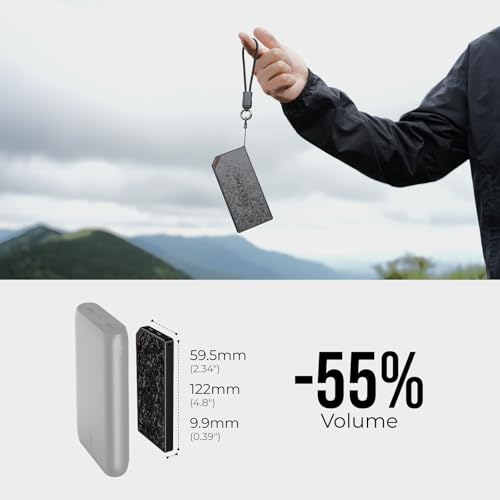
A power bank made with aluminum or high-grade plastic will feel more premium and last longer. Slim, credit-card-sized designs are trendy but often cost more due to the engineering involved.
5. Safety Features
Look for power banks with overcharge protection, short-circuit prevention, and temperature control. These safety chips add a small cost but are critical for protecting your phone and the power bank itself.
Is a 5000mAh Power Bank Enough for Your Needs?
This is a personal question, and the answer depends on how you use your phone. Let me break it down for a few common scenarios:
- Casual users: If you just need a top-up during a long day out, a 5000mAh power bank is perfect. It can fully charge most phones once and still have some power left.
- Heavy users: If you're constantly streaming music, using GPS, or gaming, a 5000mAh power bank might feel a bit small. You may want to look at 10,000mAh or 20,000mAh options.
- Travelers: For weekend trips or flights, a 5000mAh power bank is great as a backup. It's small enough to carry everywhere and won't weigh you down.
- Commuters: If your phone usually dies on the way home from work, a 5000mAh power bank is a lifesaver. Slip it in your bag, and you'll never worry about a dead battery again.
I keep a 5000mAh power bank in my work bag as an emergency backup. It's saved me more times than I can count, especially during long meetings or when I'm out covering events. It's not for power-hungry days, but for peace of mind, it's just right.
Pros and Cons of a 5000mAh Power Bank
Before you buy, it's good to weigh the good and the not-so-good.
Pros:
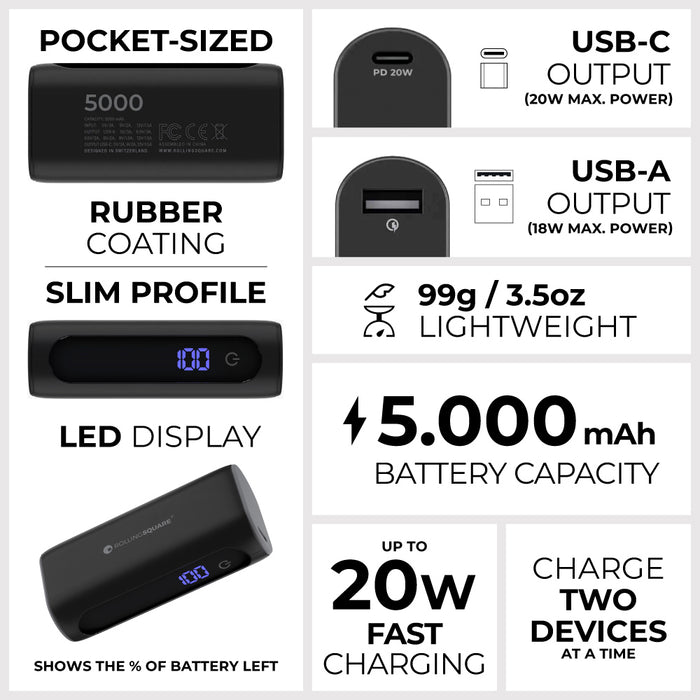
- Compact and lightweight. Most weigh under 5 ounces and fit in your palm.
- Affordable. Much cheaper than larger power banks.
- Great for daily use. Perfect for a single phone charge.
- Pocket-friendly. Can be carried anywhere without bulk.
Cons:
- Limited capacity. Won't charge a tablet or multiple devices.
- Slower to charge devices on budget models.
- May need daily recharging if used heavily.
- Real capacity is less than advertised.
Top Features to Look for in a 5000mAh Power Bank
Not sure what to look for? Here's a quick checklist to help you pick the right one:
- Battery type: Lithium-polymer batteries are safer and last longer than lithium-ion.
- Output current: At least 2.4A for fast charging.
- Input port: USB-C or Micro-USB for recharging the power bank itself.
- Safety certifications: Look for UL, CE, or FCC marks.
- LED indicators: Helpful to know how much charge is left.
- Build material: Aluminum or sturdy plastic lasts longer.
Best Times to Buy a 5000mAh Power Bank
If you're looking to save a few bucks, timing your purchase can help. Here are the best times to buy:
- Black Friday and Cyber Monday: Big discounts on popular brands.
- Prime Day: Amazon often drops prices on Anker, RAVPower, and other brands.
- Back-to-school season: Great deals in August and September.
- Holiday sales: Christmas and New Year sales often include tech deals.
I usually wait for Prime Day to stock up on power banks. Last year, I snagged an Anker 5000mAh model for $9, which was a steal.
My Personal Experience With 5000mAh Power Banks
Over the past five years, I've used around seven or eight different 5000mAh power banks. Some were great, some were duds. Here's what I've learned:
- Cheap isn't always bad. I once bought a $7 power bank from a local store, and it lasted over two years before the battery started weakening.
- Brand matters, but not always. Some off-brand power banks perform just as well as name brands, but you have to read reviews carefully.
- Fast charging is a game-changer. Once you use a power bank with 18W PD charging, you never want to go back to slow 5W charging.
- Build quality shows over time. A power bank that feels solid in hand usually lasts longer.
One mistake I made early on was buying a power bank without checking the input port type. I ended up with a Micro-USB input, but all my cables were USB-C. It was a minor annoyance, but it taught me to always check the port type before buying.

Frequently Asked Questions
How many times can a 5000mAh power bank charge a phone?
A 5000mAh power bank can charge most smartphones about 1 to 1.5 times, depending on the phone's battery size and the power bank's efficiency. For example, it can fully charge an iPhone 15 once with some power left, or charge a Galaxy S24 up to 80% to 90%.
Is 5000mAh enough for a power bank?
Yes, 5000mAh is enough for daily use, travel, or as an emergency backup. It's ideal for charging a single phone once and fits easily in a pocket or bag. However, if you need to charge multiple devices or a tablet, you'll want a larger capacity.
How long does it take to charge a 5000mAh power bank?
It takes about 2 to 4 hours to fully charge a 5000mAh power bank, depending on the input power. Using a 5V/2A charger will take around 2.5 to 3 hours, while a slower 5V/1A charger may take up to 5 hours.
Are 5000mAh power banks allowed on planes?
Yes, most 5000mAh power banks are allowed in carry-on luggage, but not in checked bags, according to TSA and FAA rules. Airlines generally allow power banks under 100Wh (watt-hours), and a 5000mAh power bank at 3.7V is about 18.5Wh, well within the limit.
Do 5000mAh power banks lose charge over time?
Yes, all power banks slowly lose charge even when not in use. A good quality 5000mAh power bank will retain most of its charge for 3 to 6 months when idle. After that, it may need a top-up before use.
Conclusion
A 5000mAh power bank is one of the most practical and affordable tech accessories you can own. It won't charge your laptop or power a camping trip, but for keeping your phone alive through a busy day, a commute, or a weekend getaway, it's hard to beat. Prices range from $10 to $30, and spending around $15 to $20 gets you a reliable, fast-charging unit from a trusted brand.
If you're shopping for one, focus on charging speed, port type, and safety features rather than just the cheapest option. A solid 5000mAh power bank can easily last two to three years with proper care, making it a smart buy for anyone who depends on their phone.
Take a few minutes to check out the top-rated options on Amazon or your favorite tech store, read recent reviews, and pick the one that fits your lifestyle. And if you have a favorite power bank or a question I didn't cover, drop a comment below. I'd love to hear what works for you.