How Much Is 10 000 Mah Power Bank: 2026 Price Guide
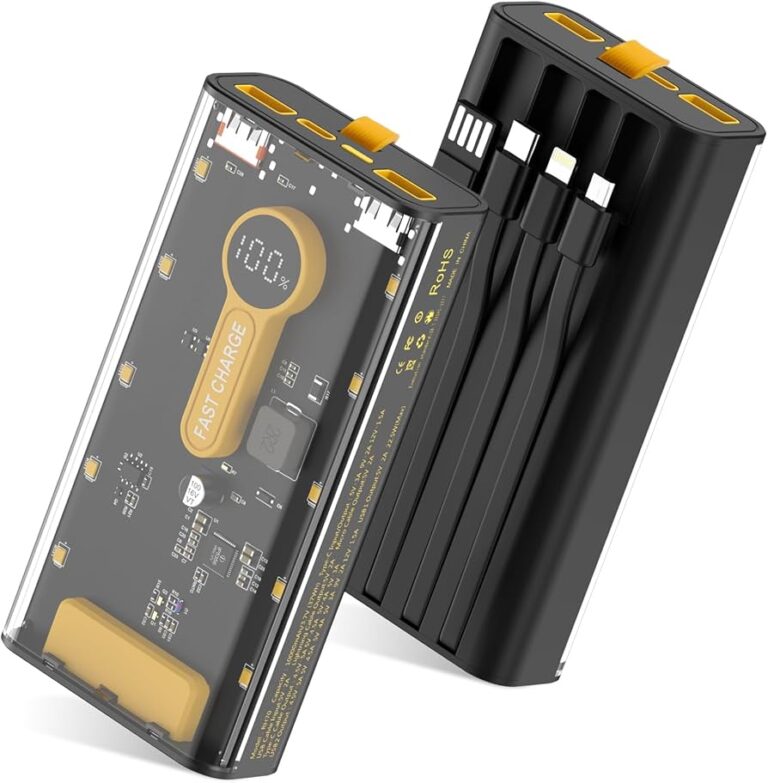
A 10,000 mAh power bank typically costs between $15 and $40, depending on the brand, build quality, and extra features like fast charging.
If you've ever stared at a wall of power banks wondering which one is actually worth your money, you're not alone. I remember my first power bank purchase like it was yesterday. I walked into a store, saw a flashy 10,000 mAh model, and thought, "This has to be the best." Spoiler alert: it wasn't. After years of testing chargers, lugging them through airports, and rescuing friends with dead phones, I've learned that understanding how much a 10,000 mAh power bank costs and what makes one worth buying is way more important than just grabbing the cheapest option.
Let me walk you through everything you need to know, from real-world pricing to the features that actually matter.
What Does 10,000 mAh Actually Mean for a Power Bank?
The term "mAh" stands for milliampere-hour, and it's basically a way to measure how much energy a battery can store. A 10,000 mAh power bank has a battery capacity of 10,000 milliampere-hours, which sounds impressive on the box, but here's the thing: not all of that energy makes it to your phone.
In my experience, you can expect to get roughly two to three full phone charges from a quality 10,000 mAh power bank. I tested one on a recent camping trip with an iPhone 13, and it juiced up my phone about 2.5 times before the power bank itself was dead. That's pretty standard.
The actual usable capacity is usually around 60-70% of the advertised number due to energy loss through heat and voltage conversion. So if a power bank claims 10,000 mAh, you're realistically looking at 6,000 to 7,000 mAh of actual charging power.
How Much Is a 10,000 mAh Power Bank in Real Terms?
Here's where it gets interesting. The price range for a 10,000 mAh power bank is wider than most people expect.
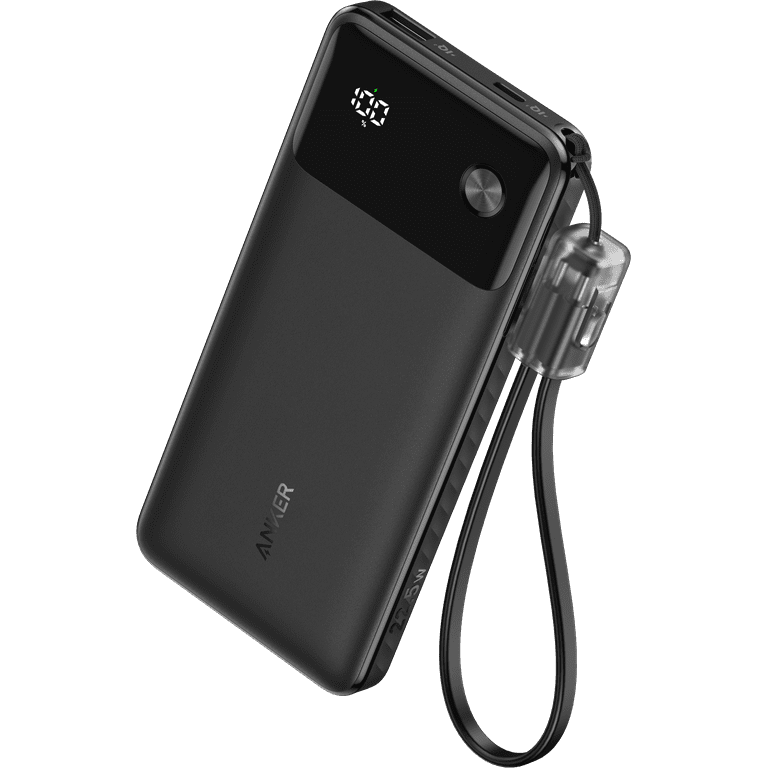
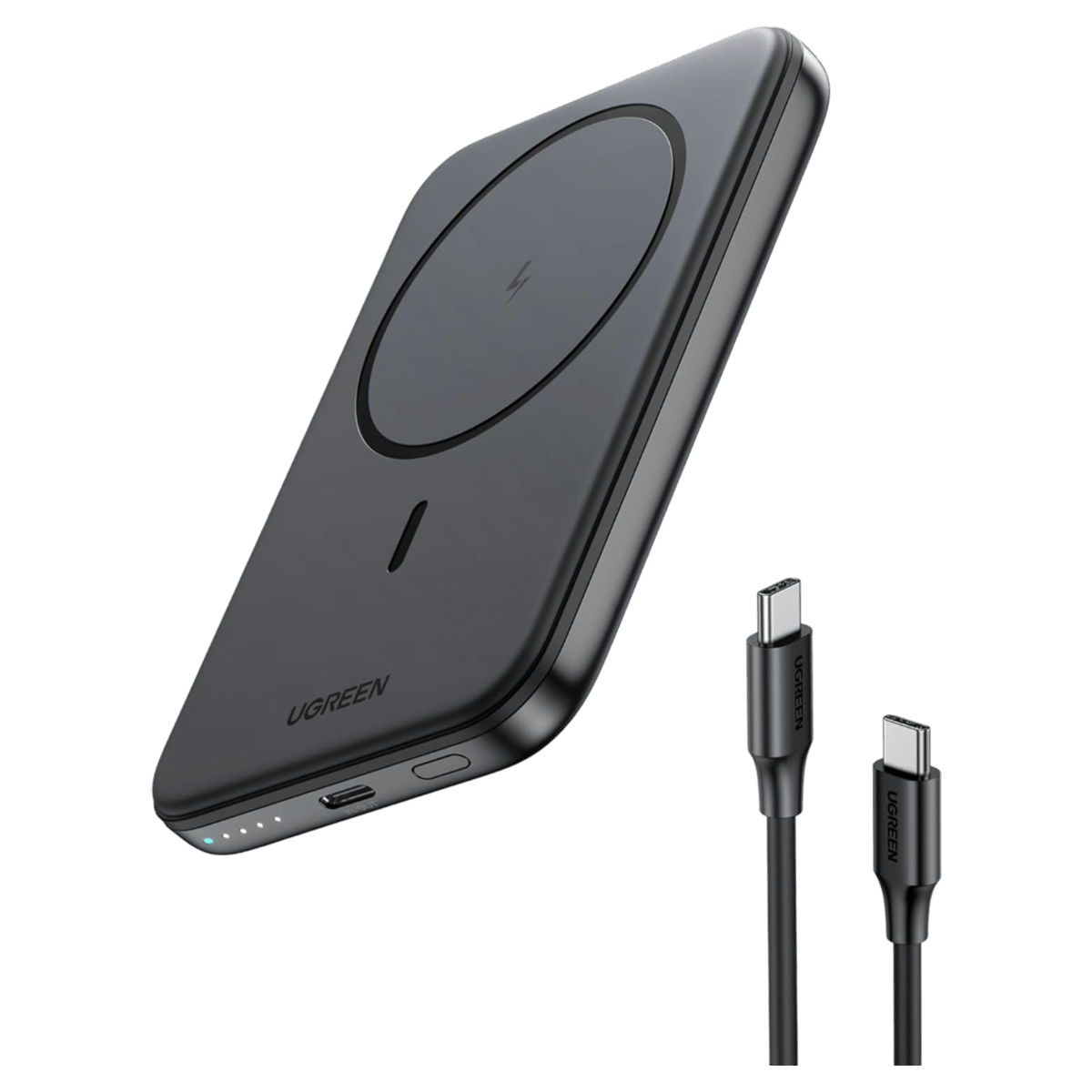
Budget options from lesser-known brands can cost as little as $10 to $15. Mid-range power banks from reputable brands like Anker, RAVPower, or Aukey usually run between $20 and $35. Premium models with extra features like wireless charging, built-in cables, or rugged designs can hit $40 to $50 or more.
I personally own three different 10,000 mAh power banks. My cheapest one cost $12 and died after eight months. My mid-range Anker cost $28 and has been going strong for three years. My premium one with built-in cables cost $45 and is great for travel, but honestly, the mid-range one is my daily driver.
Key Features That Affect the Price
Not all 10,000 mAh power banks are created equal. Here's what actually moves the price needle.
Charging Speed and Technology
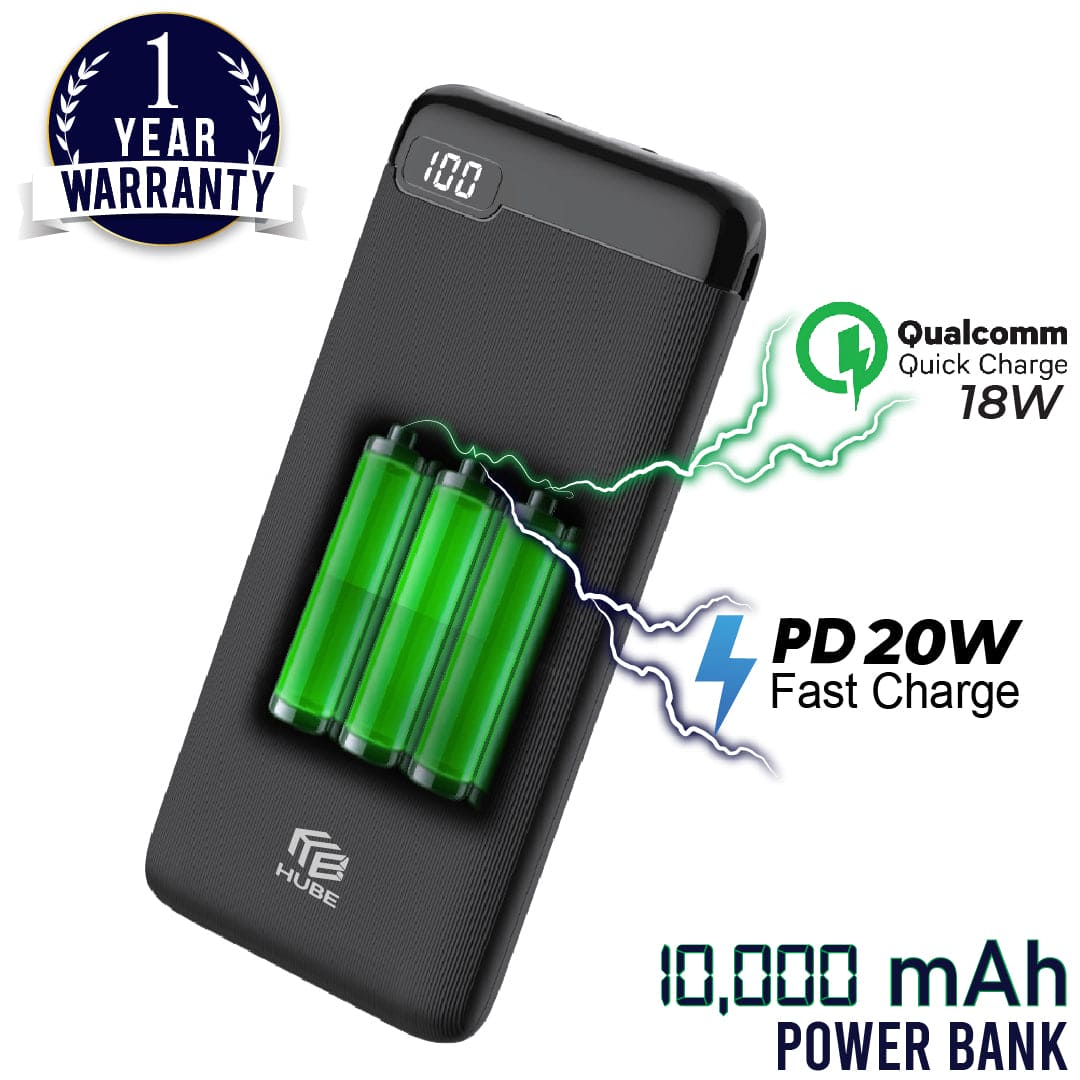
Basic power banks charge at 5W, which is painfully slow. Most modern ones offer 10W to 18W fast charging. Premium models support 20W to 30W Power Delivery or Quick Charge 4.0, which can charge your phone to 50% in about 30 minutes. The faster the charging, the more you pay.
Build Quality and Materials
Cheap power banks often use plastic shells that crack easily. Better models use aluminum or reinforced polycarbonate. I've dropped my Anker power bank more times than I'd like to admit, and it's still ticking.
Port Types and Number
A basic power bank might have one USB-A output. Better ones offer multiple ports, USB-C input/output, or even wireless charging pads. More ports and newer technology mean higher costs.
Brand Reputation
Established brands charge more because they've earned trust through quality control and customer service. A no-name brand might save you $10 upfront, but if it catches fire or stops working in a month, you'll wish you spent the extra cash.
Where to Buy a 10,000 mAh Power Bank
You can find 10,000 mAh power banks almost anywhere these days.
Amazon has the biggest selection and often the best prices. I've bought most of mine there during Prime Day sales and saved 20-30%. Best Buy and Walmart carry popular brands if you want to see them in person first. Target is another solid option, especially during back-to-school sales.
If you're willing to wait for shipping, direct from manufacturer websites sometimes have exclusive deals. Anker and RAVPower both run frequent promotions on their own sites.
Common Mistakes to Avoid When Buying
I made plenty of mistakes when I started buying power banks. Here are the biggest ones to dodge.
Don't fall for fake capacity claims. Some sketchy brands advertise 20,000 mAh but actually deliver 5,000 mAh. Stick with reputable brands and check reviews. Avoid ultra-cheap no-name brands, especially if the price seems too good to be true. I learned this the hard way with my $8 special from a gas station.
Don't ignore weight. A 10,000 mAh power bank typically weighs between 6 and 9 ounces. If it feels suspiciously light, it might not have the capacity it claims. Don't forget about airline regulations if you travel. Power banks must be in your carry-on, and most airlines cap them at 27,000 mAh or 100Wh, so a 10,000 mAh unit is perfectly safe for flights.

How to Get the Most Out of Your 10,000 mAh Power Bank
Once you have one, treat it right to maximize its lifespan.
Avoid letting it fully die before charging. Lithium batteries last longer when you keep them between 20% and 80% charged. Store it at room temperature. Extreme heat or cold can damage the battery cells. I keep mine in a drawer in my office, never in my car during summer.
Use the right cable. A cheap cable can slow down charging speeds significantly. I learned this when my $3 cable was bottlenecking my $30 power bank. Charge your power bank fully before long trips. A half-charged power bank is a sad power bank when you're stuck at an airport with 5% battery.
The Real Value Proposition
Here's the bottom line. A good 10,000 mAh power bank is one of the best tech investments you can make for under $30. It fits in your pocket, weighs less than your phone, and can save you from the nightmare of a dead battery at the worst possible moment.
Think about it this way: for the price of two fancy coffees, you get peace of mind for years. That's a deal I'll take any day.
Comparing Popular Brands and Their Price Points
Let me break down what you can expect from the most popular brands.
Anker consistently delivers quality at reasonable prices. Their 10,000 mAh models typically run $25 to $35, and they come with reliable warranties. RAVPower offers similar quality with slightly different feature sets, usually priced between $22 and $32. Aukey is another solid choice with competitive pricing around $20 to $30.
Budget brands like Miady, INIU, and Charmast often sell 10,000 mAh power banks for $15 to $20. These can be hit or miss, but when you get a good one, the value is unbeatable. I've had decent luck with INIU, though I wouldn't trust them for heavy daily use.
How Long Does a 10,000 mAh Power Bank Last?
A quality 10,000 mAh power bank should last you 300 to 500 charge cycles before you notice significant capacity loss. For most people, that's about two to three years of regular use.
My three-year-old Anker still holds about 80% of its original capacity, which is perfectly fine for my needs. The cheap one I mentioned earlier? It was a paperweight within eight months.
To extend the life of your power bank, avoid extreme temperatures, don't leave it plugged in constantly after it's fully charged, and use it regularly rather than letting it sit unused for months.
Is a 10,000 mAh Power Bank Enough for Your Needs?
This depends on what you're using it for.
For daily phone charging, 10,000 mAh is plenty. It will keep your phone alive for two to three days of heavy use. For travel, especially camping or long flights, 10,000 mAh is good but might leave you wanting more on longer trips. I now carry a 20,000 mAh model for multi-day camping trips.
For tablets, a 10,000 mAh power bank will give you about one full charge for an iPad, which is great for emergency use but not ideal as a primary charging solution. For laptops, 10,000 mAh is usually not enough. You'll need at least 20,000 mAh with Power Delivery for most modern laptops.
What to Look for in Terms of Safety Features
Safety matters more than most people realize. A faulty power bank can damage your devices or, in rare cases, pose a fire risk.
Look for overcharge protection, which prevents the battery from being charged beyond its safe limit. Short circuit protection is essential and shuts down the power bank if there's a wiring issue. Temperature control prevents overheating during charging and discharging.
Reputable brands include these features by default. Cheap knockoffs might cut corners, and that's when things go wrong.
The Environmental Angle
Here's something I started thinking about more recently. Power banks contain lithium-ion batteries, which are not the friendliest to the environment. When your power bank dies, don't just toss it in the trash.
Best Buy, Home Depot, and many other retailers accept old electronics for recycling. Some manufacturers even offer trade-in programs. I've started keeping my old power banks and dropping them off for recycling rather than letting them sit in a drawer forever.
Final Thoughts on Getting the Best Bang for Your Buck
A 10,000 mAh power bank is a sweet spot for most people. It's portable, affordable, and powerful enough to keep your devices alive through a busy day or a weekend trip. The sweet spot for most buyers is between $20 and $30, where you get reliable performance without paying for features you don't need.
If you travel frequently or need to charge multiple devices, consider stepping up to a 20,000 mAh model. But for everyday use, 10,000 mAh hits the perfect balance of size, weight, and capacity.
Frequently Asked Questions
How many phone charges will a 10,000 mAh power bank give me?
A 10,000 mAh power bank typically provides two to three full charges for a modern smartphone. The exact number depends on your phone's battery size and the power bank's efficiency. Larger phones with 4,000+ mAh batteries will get closer to two charges, while smaller phones might squeeze out three.
Is a 10,000 mAh power bank allowed on planes?
Yes, power banks under 27,000 mAh or 100Wh are allowed in carry-on luggage. A 10,000 mAh power bank falls well within this limit and is perfectly safe for air travel. Just make sure it's in your carry-on, not checked baggage.
How long does it take to charge a 10,000 mAh power bank?
Charging time depends on the input speed. A basic 10W input takes about 5 to 6 hours for a full charge. Fast-charging models with 18W or higher input can fully charge in 3 to 4 hours. Some premium models with even faster input can do it in under 3 hours.
Can a 10,000 mAh power bank charge a laptop?
Most laptops require more power than a 10,000 mAh power bank can provide. You'll need at least a 20,000 mAh power bank with Power Delivery and at least 30W output to charge most laptops. A 10,000 mAh unit might give you a small emergency boost but won't fully charge a laptop.
Do more expensive power banks last longer?
Generally, yes. Higher-priced power banks from reputable brands tend to use better battery cells and include more safety features, which translates to longer lifespans. My experience confirms that spending an extra $10 to $15 upfront often means getting a power bank that lasts years longer than the budget options.
Conclusion
Finding the right 10,000 mAh power bank doesn't have to be complicated. Focus on reputable brands, expect to pay between $20 and $35 for a quality unit, and prioritize features that match your lifestyle. Whether you're a frequent traveler, a busy professional, or just someone who hates seeing that low battery warning, a good 10,000 mAh power bank is a small investment that pays off every single day. Drop a comment below with your favorite power bank or any questions you still have. I'd love to hear what works for you.