How Charge Power Bank: 2026 Guide To Fast, Safe Charging
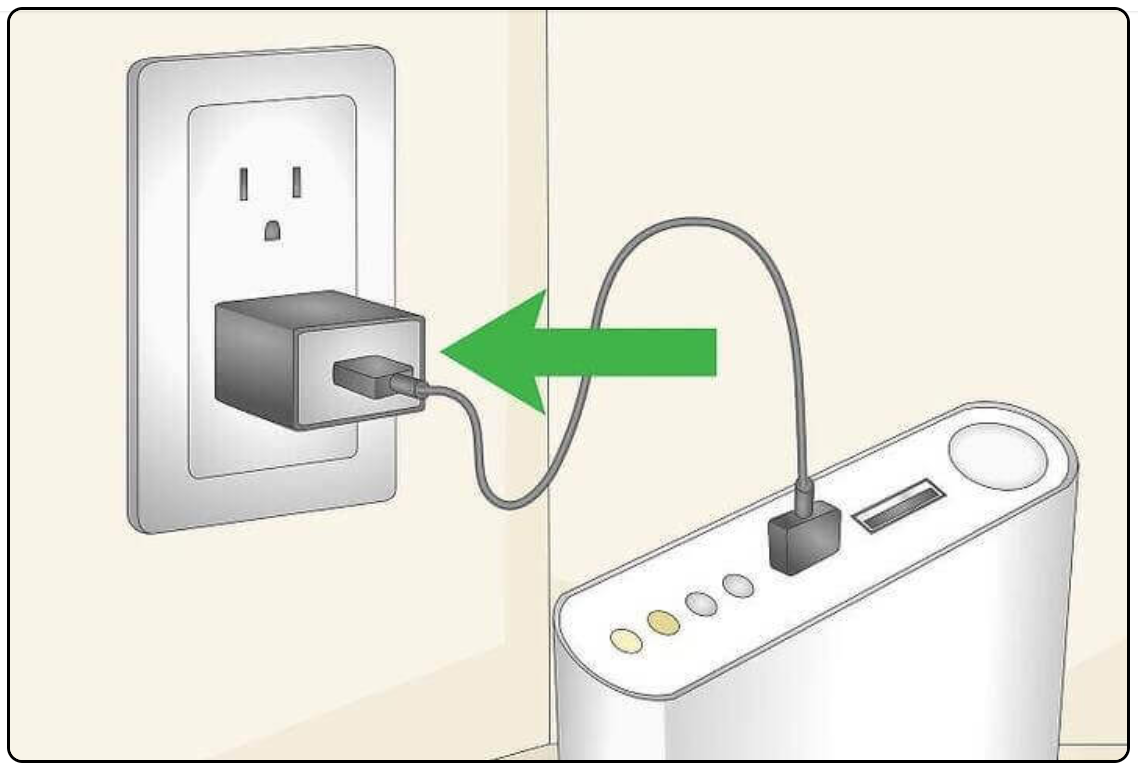
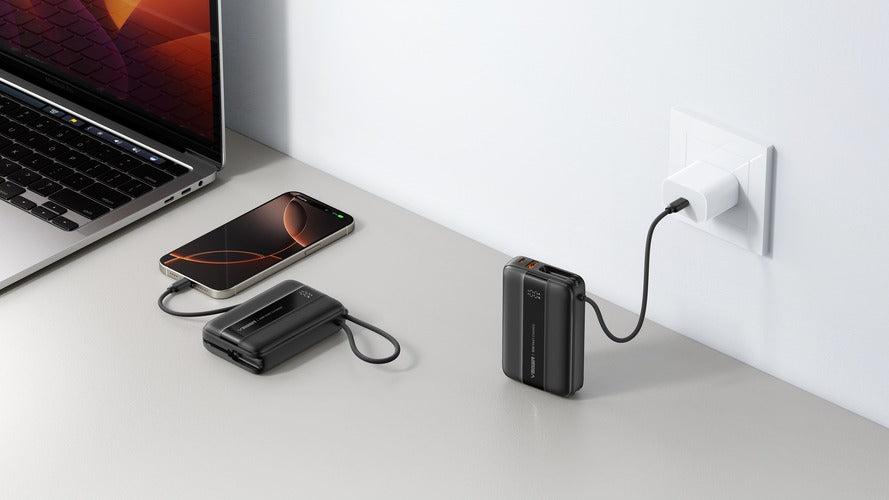
Plug the power bank into a quality wall charger with the right cable until full.
If you want a simple, safe, and fast plan for how charge power bank, you’re in the right place. I test chargers, cables, and packs every week. I’ll show you how charge power bank the right way, avoid damage, and cut charge time. We will cover the basics, the math, the tools, the safety, and real tips you can trust.

Understand Your Power Bank
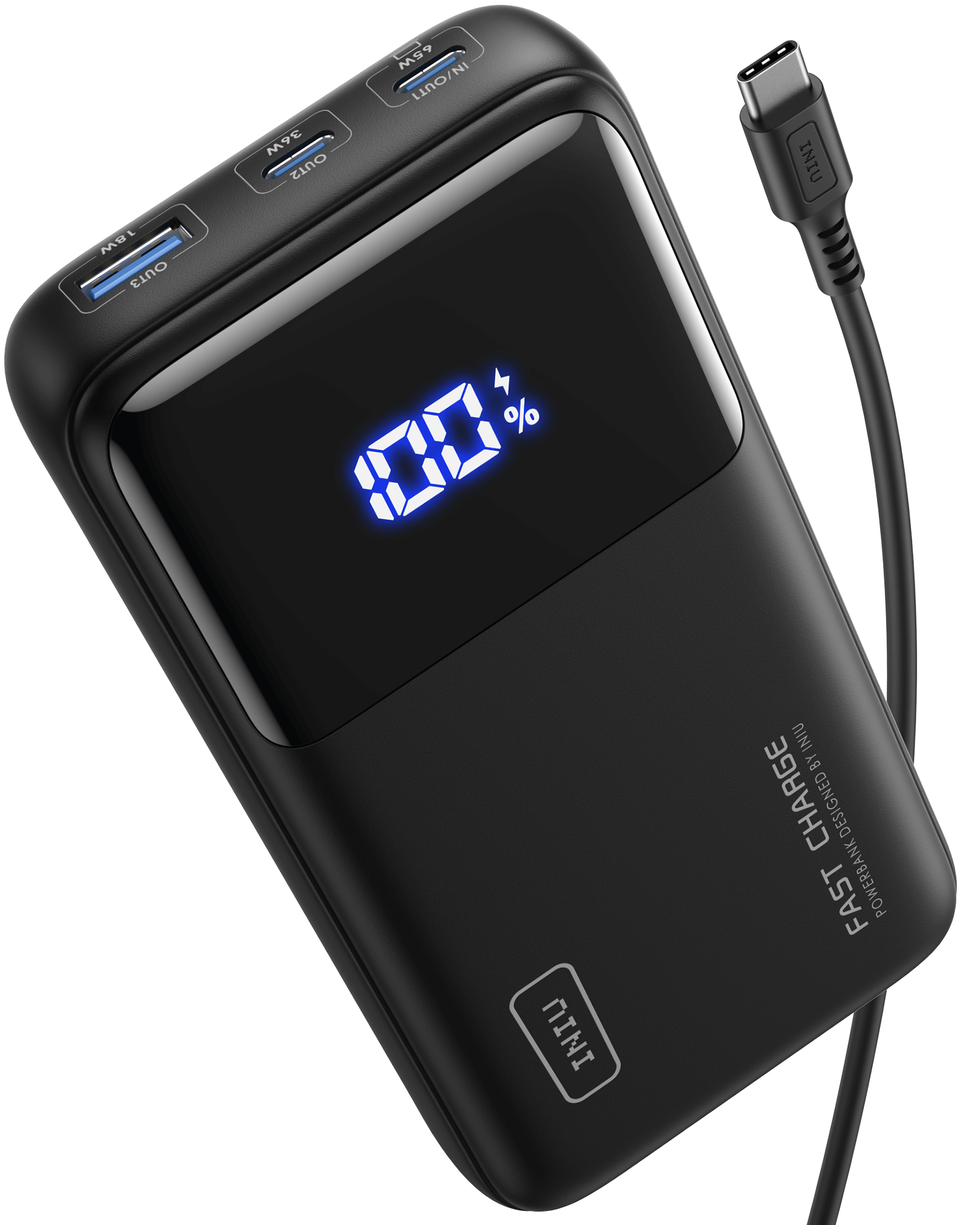
Before you learn how charge power bank, read the label on your device. You will see the capacity in mAh or Wh, the input rating in volts and amps, and the port types. Most models use lithium-ion cells and have a built-in chip for safety.
Key terms you will see:
- Capacity: Given in mAh or Wh. Wh is more accurate. Wh = mAh × 3.7 ÷ 1000.
- Input: Example: 5V⎓2A (10W) or USB-C PD 20W. Higher watts means faster charging if both sides agree.
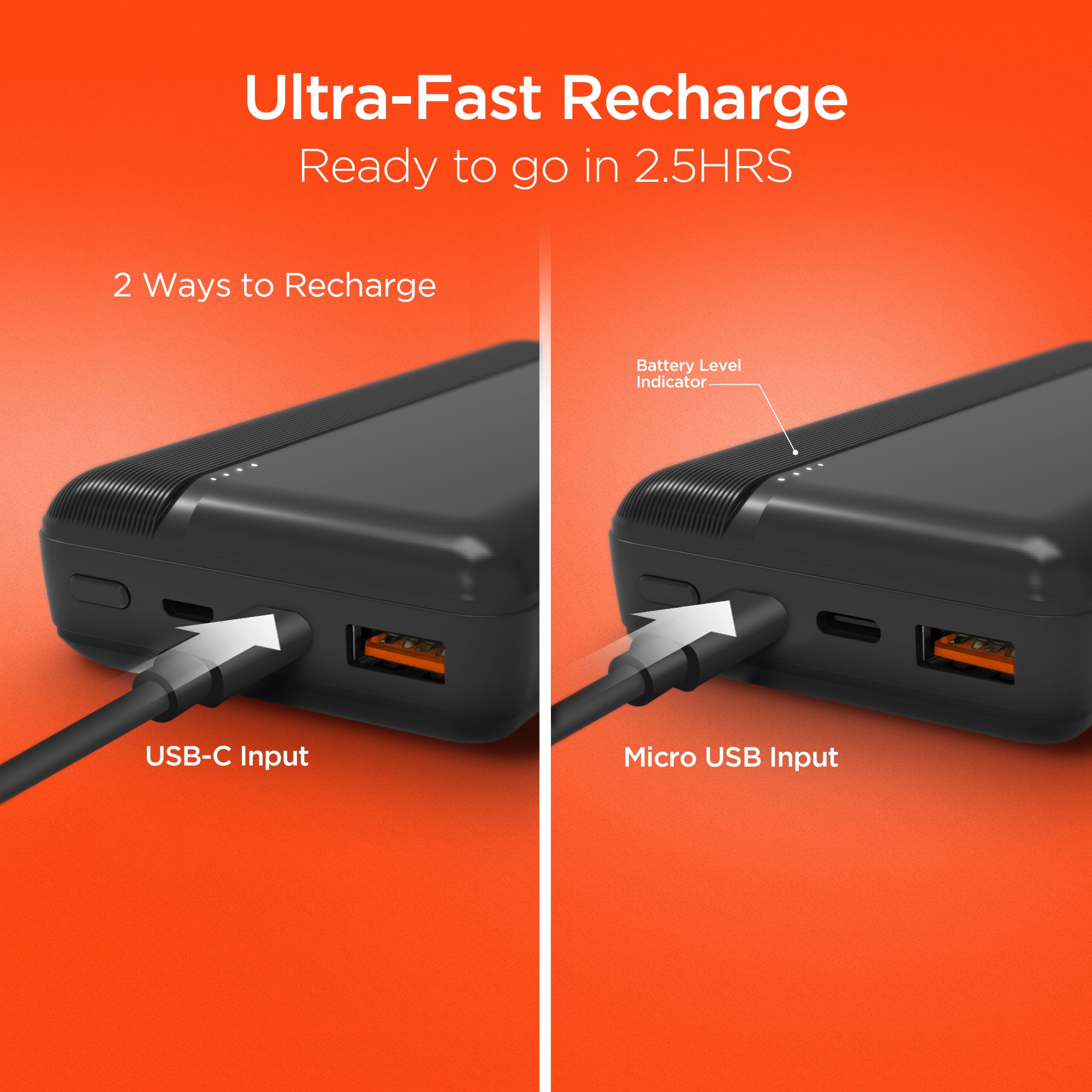
- Ports: USB-C, Micro-USB, Lightning. USB-C is best for speed and ease.
- Protocols: USB Power Delivery (PD), Quick Charge (QC), and others. Both charger and bank must match to get fast speeds.
If you know these parts, you will know how charge power bank with less trial and error.

Step-by-Step: How Charge Power Bank The Right Way
Use this simple flow for how charge power bank. It works for most brands and sizes.
- Pick the charger
- Use a wall charger from a known brand.
- Match or exceed the bank’s max input watts. If it says 18W PD in, use a 20W PD charger or higher.
- Pick the cable
- Use a short, high-quality cable. For USB-C PD, use a USB-C to USB-C cable. For Micro-USB banks, use Micro-USB to USB-A.
- Damaged cables slow charging or make it fail.
- Connect in the right order
- Plug cable into the wall charger first, then into the power bank input port.
- If there is a PD button or “in/out” port, use the USB-C “PD” input.
- Watch the lights
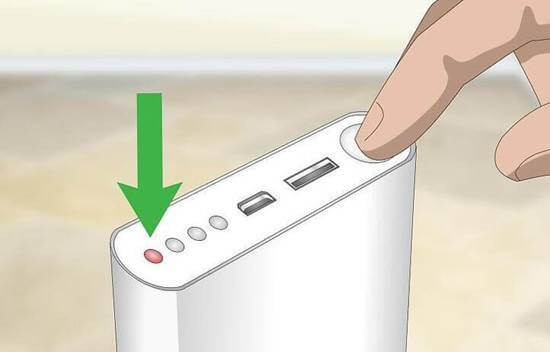
- LEDs should blink or show a rising bar.
- If nothing shows, try another port, cable, or charger.
- Let it top off
- Leave it until all LEDs are solid. Most banks stop at 100% on their own.
- If it runs hot to the touch, unplug and check gear.
This is the clean, safe plan for how charge power bank no matter the brand.
Pick the Right Charger and Cable
The charger and the cable matter as much as the bank. If you want faster and safer results for how charge power bank, choose well.
What to look for in a charger:
- Output power: 10W is basic. 18–30W is fast for most banks. 45–65W helps large USB-C banks.
- Protocols: USB-C PD is the gold standard. PD 3.0 supports 5V, 9V, 15V, 20V steps.
- Safety marks: Look for proper certifications and temperature control.
What to look for in a cable:
- USB-C to USB-C for PD speeds. Use an e-marked cable for 60–100W banks.
- Shorter is faster. 1–3 ft is ideal.
- Avoid frayed or kinked cables. Replace them at the first sign of damage.
Good gear is the easiest upgrade when you ask how charge power bank with less time wasted.

How Long Will It Take? Easy Math
You can estimate charge time in minutes with simple math. This helps you plan how charge power bank before trips or flights.
Use this method:
- Convert capacity to Wh: Wh = mAh × 3.7 ÷ 1000.
- Estimate time: Time (hours) ≈ Battery Wh ÷ Charger Watts × 1.2 (loss factor).
Examples:
- 10,000 mAh bank: 10,000 × 3.7 ÷ 1000 = 37 Wh. With a 20W PD charger: 37 ÷ 20 × 1.2 ≈ 2.2 hours.
- 20,000 mAh bank: 74 Wh. With a 10W charger: 74 ÷ 10 × 1.2 ≈ 8.9 hours. With a 30W charger: ≈ 3.0 hours.
Now you can plan how charge power bank without guesswork.
Status Lights, Displays, and Apps
LEDs and screens tell you a lot. They help you fine-tune how charge power bank each day.
What the signals mean:
- One blinking LED: very low. It may charge slow at first.
- Moving bar: active charging. More bars or a rising percent means progress.
- All solid: full. Many banks top off, then stop the input.
Some models have an app or a digital readout. If the percent gets stuck, reset the bank by unplugging, waiting 10 seconds, and plugging back in. This small step solves many how charge power bank issues.

Battery Health, Safety, and Storage
Care habits have a big impact over months and years. If you value long life, follow these tips for how charge power bank.
Do this:
- Keep it cool. Heat is the main enemy.
- Use gentle top-ups. Daily charging from 20% to 80% is easy on cells.
- Store at 40–60% if you won’t use it for a month.
- Use quality chargers and cables only.
- Keep it in carry-on when you fly. Most airlines cap at 100 Wh.
Avoid this:
- Do not leave it in a hot car.
- Do not use swollen or damaged banks.
- Do not block the vents while charging.
These small steps make how charge power bank safer and extend battery life.

Troubleshooting: If It Won’t Charge
If you are stuck on how charge power bank because it will not start, try these quick checks.
Common fixes:
- Swap the cable first. Cables fail more often than banks.
- Try another wall charger or port. Many “slow” chargers cannot start PD.
- Clean the port with a soft brush. Dust can block contact.
- Use the input port, not the output port. Some USB-C ports are dual in/out; some are not.
- Warm up a cold bank. Very cold packs may refuse to charge until they reach room temp.
- If it still fails, the cells may be at end of life.
These steps solve most how charge power bank problems in minutes.
Real-World Tips From Years On The Road
Here is what I learned by testing and traveling. Use these to master how charge power bank in daily life.
Practical wins:
- Keep a tiny 20W charger and a short USB-C cable in your bag. This cuts charge time by half.
- Top up in short bursts. Ten minutes on a PD charger can add hours to a small bank.
- Label your cables. Fast cables look like slow ones; save time by tagging them.
- Check input specs before bed. I avoid slow chargers at night so I wake to a full bank.
Mistakes to avoid:
- Charging through a low-power laptop port when you need speed.
- Using a phone-only cable that cannot carry PD power.
- Blocking airflow under a pillow. Heat shortens life.
With a small routine, how charge power bank becomes set-and-forget simple.
Frequently Asked Questions of how charge power bank
Can I use my phone charger to charge a power bank?
Yes, if it meets the input specs. For faster results, use a charger that supports the bank’s PD or QC input rating.
Is it safe to leave a power bank charging overnight?
Quality banks have protection and stop at full. Still, use a trusted charger, give it airflow, and avoid heat.
Why is my power bank charging so slow?
Your charger or cable may be the bottleneck. Use a higher-watt PD charger and a short, high-quality cable.
Can I charge my power bank from a laptop USB port?
Yes, but it is often slow. A wall charger with PD is much faster.
How often should I charge my power bank?
Top it up when it hits 20–30%. If storing, leave it around 40–60% and check monthly.
Can I use the power bank while it is charging?
Some support pass-through charging. It may heat up and be slower, so use it only when needed.
What charger do I need for a 20,000 mAh bank?
Aim for 20–30W USB-C PD if the bank supports it. A 10W charger will work but take much longer.
Conclusion
You now know how charge power bank with the right charger, cable, and habits. Read the label, match the watts, keep it cool, and use short, safe top-ups. A few smart choices can cut hours off each charge and add years of life.
Put these steps to work on your next charge. If this helped, share it, subscribe for more quick guides, or drop a question so we can tackle it together.