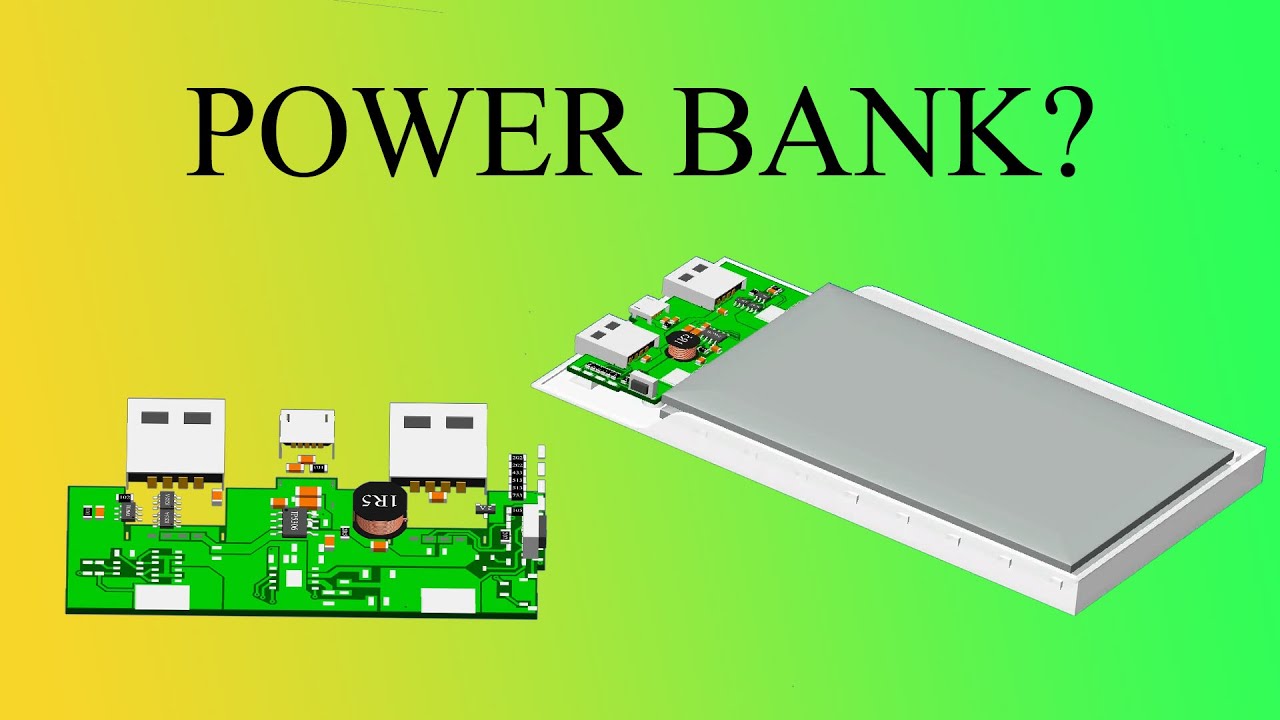
How Does A Power Bank Work: 2026 Guide & Tips
A power bank stores energy in batteries, then regulates voltage to recharge your devices.
If you have ever asked how does a power bank work, you are in the right place. I test, tear down, and use these every day. In this guide, I explain the guts, the safety logic, and the real math. I keep it clear and friendly. You will leave knowing how does a power bank work, what to buy, and how to make it last.

What is a power bank?
A power bank is a portable battery with smart charging circuits. It holds energy and gives it back to your phone, tablet, or laptop when you need it. It is like a spare fuel tank, but for electrons.
To answer how does a power bank work in simple terms, it charges its internal cells first, then converts that stored energy into a steady output that your device can use. It does this while keeping voltage safe and stable.
The core parts inside a power bank
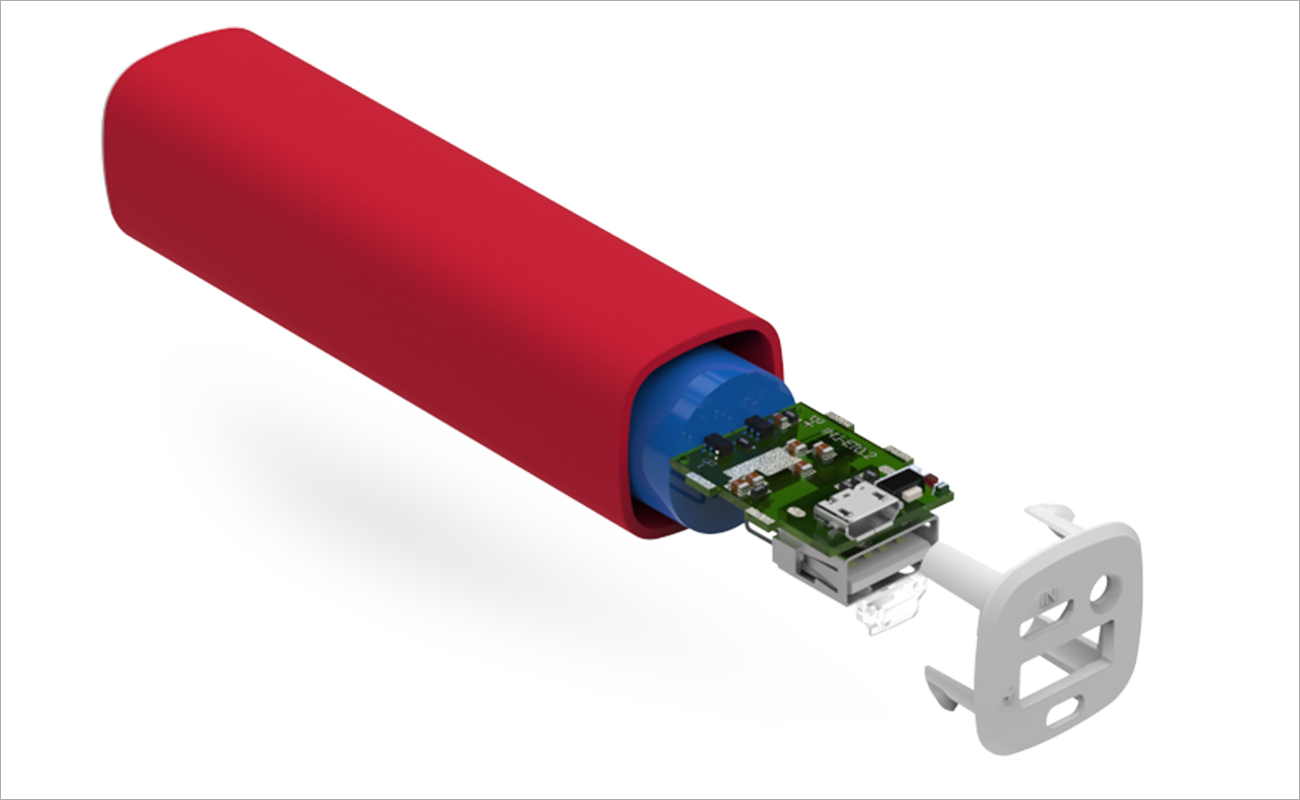
Every power bank has four main blocks that do the heavy lifting.
- Battery cells. Usually lithium-ion or lithium-polymer in 18650 or pouch form. They store energy.
- Battery management system (BMS). Protects the cells from overcharge, over-discharge, short circuit, and heat.
- Power conversion board. Boosts battery voltage to USB output levels and manages fast charge rules.
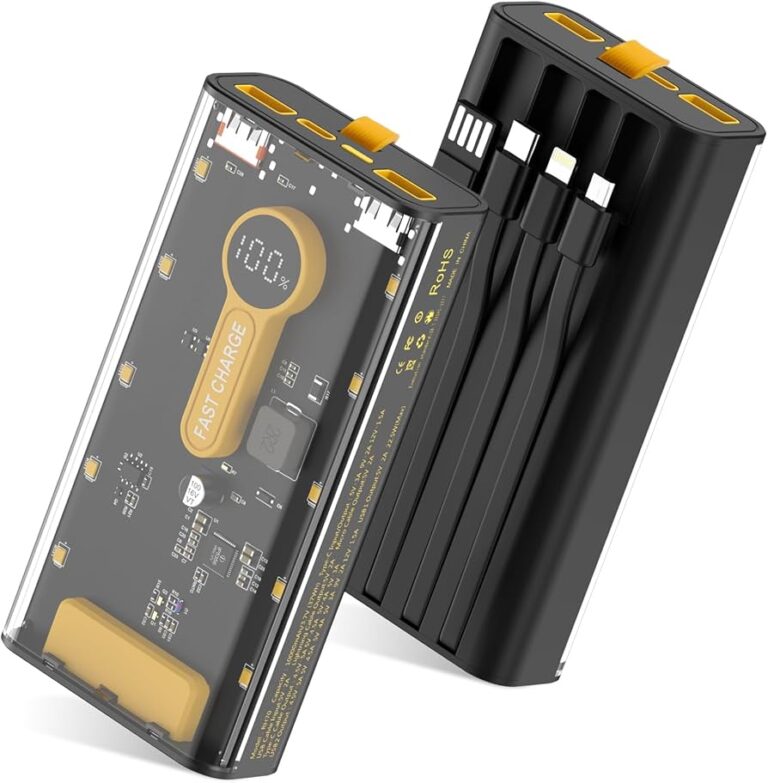
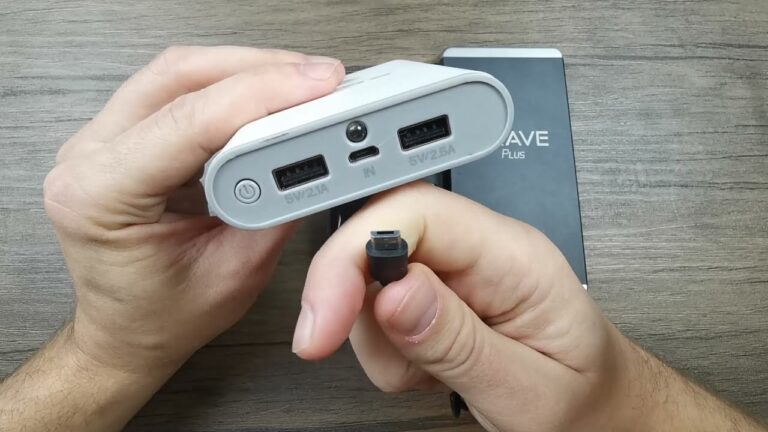
- Ports and interface. USB-A, USB-C, micro-USB, lights, and buttons for status and control.
When people ask how does a power bank work, these blocks are the answer. Each block has one job and they work together to stay safe and efficient.

How does a power bank work step by step
First, you charge the power bank. Wall power or a USB port sends energy into the input port. The BMS watches current and voltage. It fills the cells using a constant current, then constant voltage profile.
Next, you plug in your device. The control chip checks what your device asks for. It sets the right voltage level. It then boosts the battery’s ~3.7 V to 5 V, 9 V, 12 V, or higher if supported. That is the heart of how does a power bank work.
While it runs, the BMS checks temperature and current in real time. If anything is off, it cuts output. That is why how does a power bank work is not just about a battery. It is about smart control.

Battery chemistry, capacity, and real energy
Most cells are rated in milliamp-hours (mAh) at about 3.6–3.7 V. To compare true energy, use watt-hours (Wh). Wh = (mAh ÷ 1000) × 3.7. Many labels list both.
Why does this matter for how does a power bank work? Because the boost converter wastes some energy as heat. You never get 100% of the rated Wh out. Expect 70–90% real output, based on quality and load.

Power management, fast charging, and safety
Modern banks speak many “charging languages.” USB Battery Charging, USB Power Delivery (PD), Programmable Power Supply (PPS), and Quick Charge are common. The controller and the cable help set the right profile.
Here is what happens in practice.
- Handshake. Your phone and the bank exchange data to agree on voltage and current.
- Regulation. A DC-DC converter steps up or down voltage with feedback loops to keep it steady.
- Protection. The BMS adds overcurrent, overvoltage, over-temperature, and short-circuit cutoffs.
This is a key part of how does a power bank work. Safe control lets you charge fast without harming the cells or your device. Good designs also follow USB-IF and IEC safety rules.

Efficiency, heat, and why capacity feels smaller
Energy goes through many steps: cell to converter to cable to device. Each step has losses. Higher output voltages or very high currents make more heat and reduce run time.
What to expect in real life.
- Light loads can be less efficient due to converter overhead.
- Mid loads, like 10–18 W phone charging, are often the sweet spot.
- Heavy loads, like 60–100 W laptop charging, need quality banks and cables.
Understanding these limits explains how does a power bank work in the real world. Numbers on the box are best-case lab values.

How to choose the right power bank
Match the bank to your device and habits. A little planning saves money and stress.
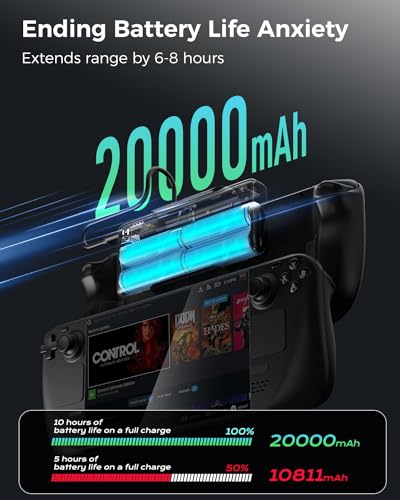
- Capacity. For phones, 10,000–20,000 mAh is flexible. For laptops, aim for 20,000–30,000 mAh with PD.
- Output. Check watts. Phones do well with 20–30 W PD. Laptops may need 60–100 W PD.
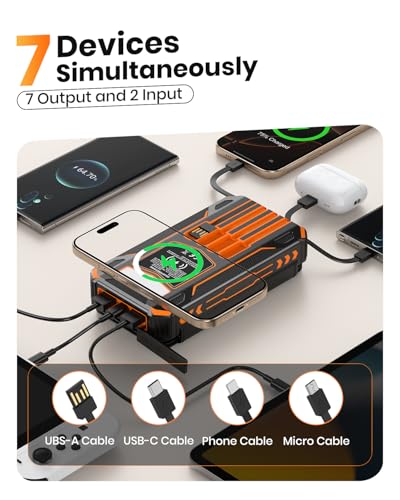
- Ports. Get at least one USB-C PD port. More ports help if you charge two devices at once.
- Size and weight. Bigger capacity means more weight. Pick what you will carry.
- Safety marks. Look for UL, CE, or equivalent, plus quality cables.
If you still wonder how does a power bank work for your setup, think in watts and watt-hours. That keeps choices clear and simple.

Care, safety, and lifespan tips
Treat your power bank like a tiny car battery. Gentle care goes a long way.
- Keep it cool. Avoid hot cars and direct sun. Heat ages cells fast.
- Store at 40–60% if unused for months. Top up every few months.
- Use good chargers and cables. Bad cables waste power and heat the bank.
- Do partial charges. 20–80% swings are easy on cells.
These habits support how does a power bank work over years, not months. Your bank will hold charge better and stay safe.

Troubleshooting and common myths
Here are quick fixes I use in the field.
- Bank will not start charging. Tap the power button or reconnect. Some need a load above a small threshold.
- Slow charging. Use the right cable. Many “free” cables lack the data lines for fast charge handshakes.
- Capacity seems low. Convert to Wh and factor 10–25% loss. Then consider cable and temperature.
One big myth about how does a power bank work is that bigger mAh always means faster charging. Speed comes from watt output and protocol support, not only mAh.
Environmental impact and recycling
Lithium batteries should not go in the trash. They can cause fires and leak chemicals. Take used banks to e-waste or battery drop-off points.
Buy once, buy right. A durable power bank with replaceable cables reduces waste. Understanding how does a power bank work helps you use it well and extend its life.
Real-world examples and lessons from the field
During a week-long photo trip, my 26,800 mAh PD bank ran a mirrorless camera and a phone. It delivered about 85% of rated energy in cool weather. In summer heat on a hike, I saw closer to 70%.
I learned to pack short, thick USB-C cables and to start laptop top-ups at 30–40% battery. That kept charge rates high and heat low. These small changes match how does a power bank work under load and help you get more out of it.
Frequently Asked Questions of how does a power bank work
Why does my 20,000 mAh bank not charge my phone four times?
mAh is rated at the cell voltage, not the 5 V or higher output. After conversion losses, you get less usable energy, often 70–90% of the label.
Can I charge my laptop with a power bank?
Yes, if it supports USB-C Power Delivery at the wattage your laptop needs. Check for 60 W or 100 W PD and use a proper USB-C cable.
Is it safe to use my phone while it is charging from a power bank?
Yes, in normal use. Heat is the main risk, so avoid gaming or sun exposure while charging to keep temperatures down.
How long should a power bank last?
Good banks last 300–800 full cycles before capacity drops to about 80%. Gentle use, cool storage, and partial charges can extend lifespan.
What is the difference between PD, PPS, and Quick Charge?
PD sets common voltage and power rules for USB-C. PPS fine-tunes voltage and current in small steps to cut heat. Quick Charge is a separate fast charge system used by many Android phones.
Conclusion
You now know how does a power bank work from cell to socket. It stores energy, negotiates safe power levels, and converts voltage with smart control. With the right bank and cable, you get safe, fast, and reliable power anywhere.
Use this guide to size your next power bank, pick the right ports, and care for it well. Try one tip today, like checking watt needs or swapping in a better cable. Want more practical power tips? Subscribe, share your setup in the comments, and keep your gear ready to go.