What Is A Power Bank Used For: Top Uses And Benefits
A power bank is a portable charger used to recharge smartphones, tablets, laptops, and other USB-powered devices when you're away from a wall outlet.
If you've ever watched your phone battery drop to single digits while stuck in an airport, on a long road trip, or during a power outage, you already understand why power banks have become everyday essentials. They're compact, reliable, and quietly save the day in moments most people don't see coming. In this guide, I'll walk you through exactly what a power bank is used for, the different types available, how to pick the right one, and a few mistakes you'll want to avoid. Think of this as a friendly conversation with someone who's tested dozens of these devices and learned the hard way what works and what doesn't.
What Exactly Is a Power Bank?
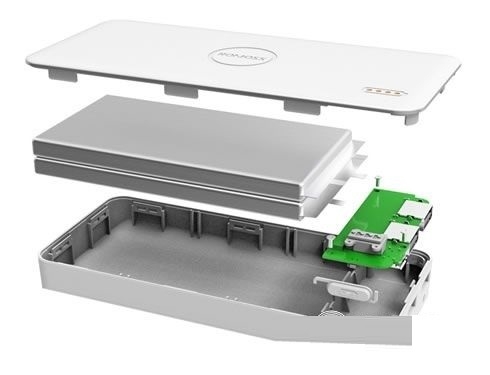
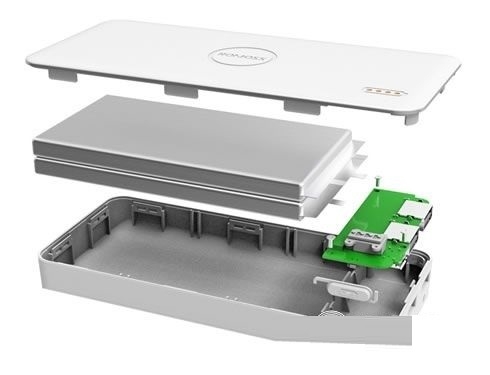
A power bank is a portable battery pack designed to store electrical energy and deliver it to your devices through a USB or USB-C connection. Inside its casing sits a rechargeable lithium-ion or lithium-polymer battery, along with a control circuit that manages voltage, current, and temperature.
Think of it as a backup fuel tank for your electronics. Instead of being tied to a wall socket, you carry a small reservoir of energy in your bag and pour it into whatever device is running low.
The most common components include:
- Battery cells that store the energy
- A charging input port for refilling the power bank itself
- One or more output ports for charging your devices
- A power button to initiate charging
- LED indicators that show remaining capacity
- Smart chips that regulate safe charging speeds
Power banks come in all shapes and sizes, from slim card-sized units meant for emergencies to high-capacity bricks capable of charging a laptop multiple times. Understanding what they're built for helps you choose the right one for your lifestyle.

Primary Uses of a Power Bank
While the basic function is simple, the actual use cases are surprisingly broad. Here's where power banks genuinely shine.
Charging Smartphones on the Go
This is the number one reason people buy a power bank. Phones have become the center of modern life, handling navigation, communication, payments, and entertainment. When your phone dies at the wrong moment, it can feel like losing a limb.
A good power bank keeps your phone alive through long commutes, camping trips, festivals, business travel, or simply a busy day away from home.
Powering Tablets and E-Readers
Tablets like iPads or Android models have larger batteries that drain faster during video streaming, gaming, or work tasks. A mid-sized power bank can fully recharge a tablet, while a high-capacity one can do it twice. E-readers, which sip power slowly, can go for weeks on a single charge, but a power bank is still useful during long trips.
Charging Wireless Earbuds and Smartwatches
Small wearables like AirPods, Galaxy Watch, or Fitbit bands have tiny batteries that deplete faster than you'd think. Most modern power banks include a low-current mode designed specifically for these devices, preventing overcharging and protecting delicate circuits.
Running Laptops and USB-C Devices
If you work remotely or travel often, a USB-C power bank rated at 45W, 65W, or even 100W can charge a MacBook, Dell XPS, or other thin-and-light laptops. This is a game-changer for digital nomads, journalists, and students who spend hours in cafés or co-working spaces.
Emergency Power During Outages
Power banks aren't just for travel. When storms knock out electricity or you face an unexpected blackout, a fully charged power bank lets you keep your phone online for calls, texts, and emergency updates. Some heavy-duty models can even power small LED lights or fans.
Powering Cameras, Drones, and Photography Gear
Photographers and videographers often carry power banks to recharge camera batteries, gimbal controls, LED panels, and even small drones. A dead drone in the middle of a shoot can mean a missed opportunity, and a power bank is far cheaper than buying extra proprietary batteries.
Supporting Outdoor and Camping Activities
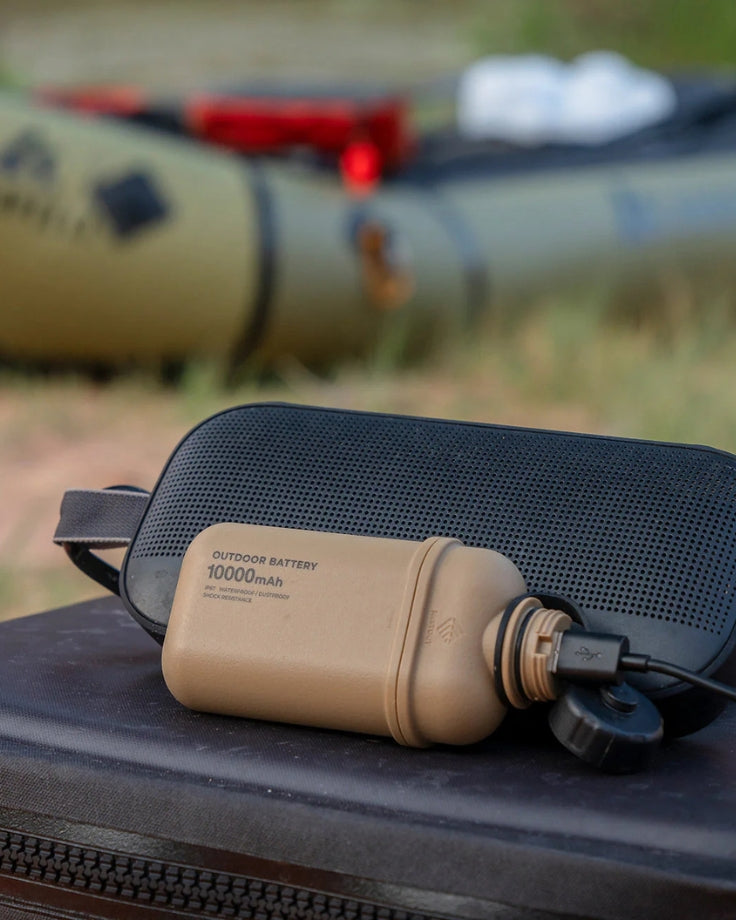
For campers, hikers, and overlanders, power banks keep headlamps, GPS units, satellite communicators, and portable speakers running. Solar-compatible power banks go a step further by recharging themselves using sunlight, making them ideal for multi-day trips off the grid.

Different Types of Power Banks
Not all power banks are created equal. Knowing the categories helps you match the right tool to the right job.
Standard Universal Power Banks
These are the most common models. They come in capacities ranging from 5,000mAh to 30,000mAh and usually feature one or more USB-A and USB-C ports. They're affordable, widely available, and perfect for everyday phone charging.
High-Capacity Laptop Power Banks
Designed with high wattage output (typically 45W to 140W), these are built for laptops, tablets, and power-hungry devices. They're heavier and more expensive, but the performance is unmatched.
Solar Power Banks
These include small solar panels that trickle-charge the internal battery using sunlight. They're useful for outdoor adventures but charge slowly, so they work best as a secondary option rather than your main power source.
Wireless Charging Power Banks
Equipped with Qi-certified wireless pads, these let you charge compatible phones simply by placing them on top. They're convenient for desk use or travel, though wired charging is still faster and more efficient.
Mini or Keychain Power Banks
Tiny units that provide a partial phone charge for emergencies. They slip onto a keychain or fit in a coin pocket, making them great for nights out or short commutes.
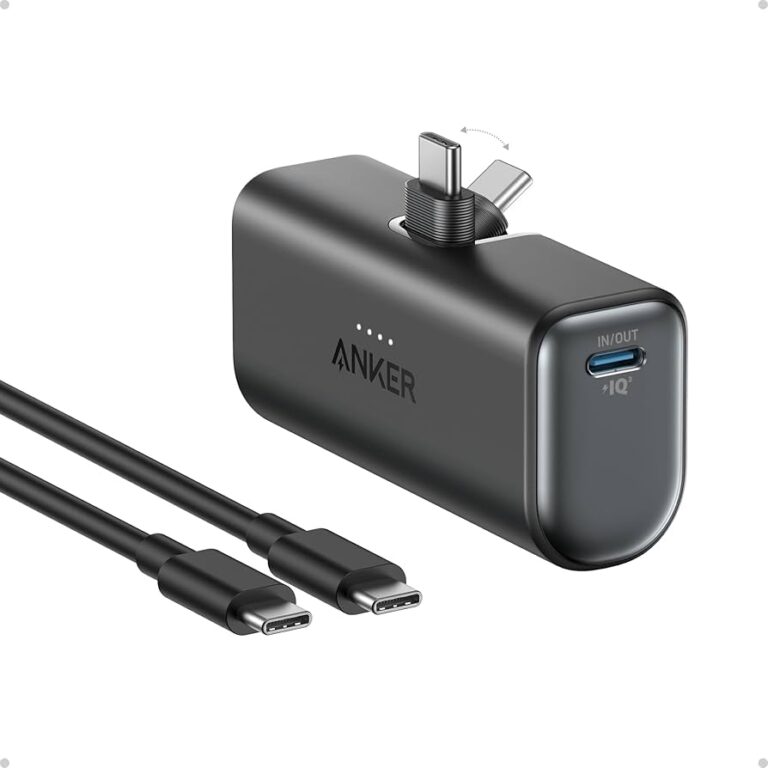
Built-in Cable Power Banks
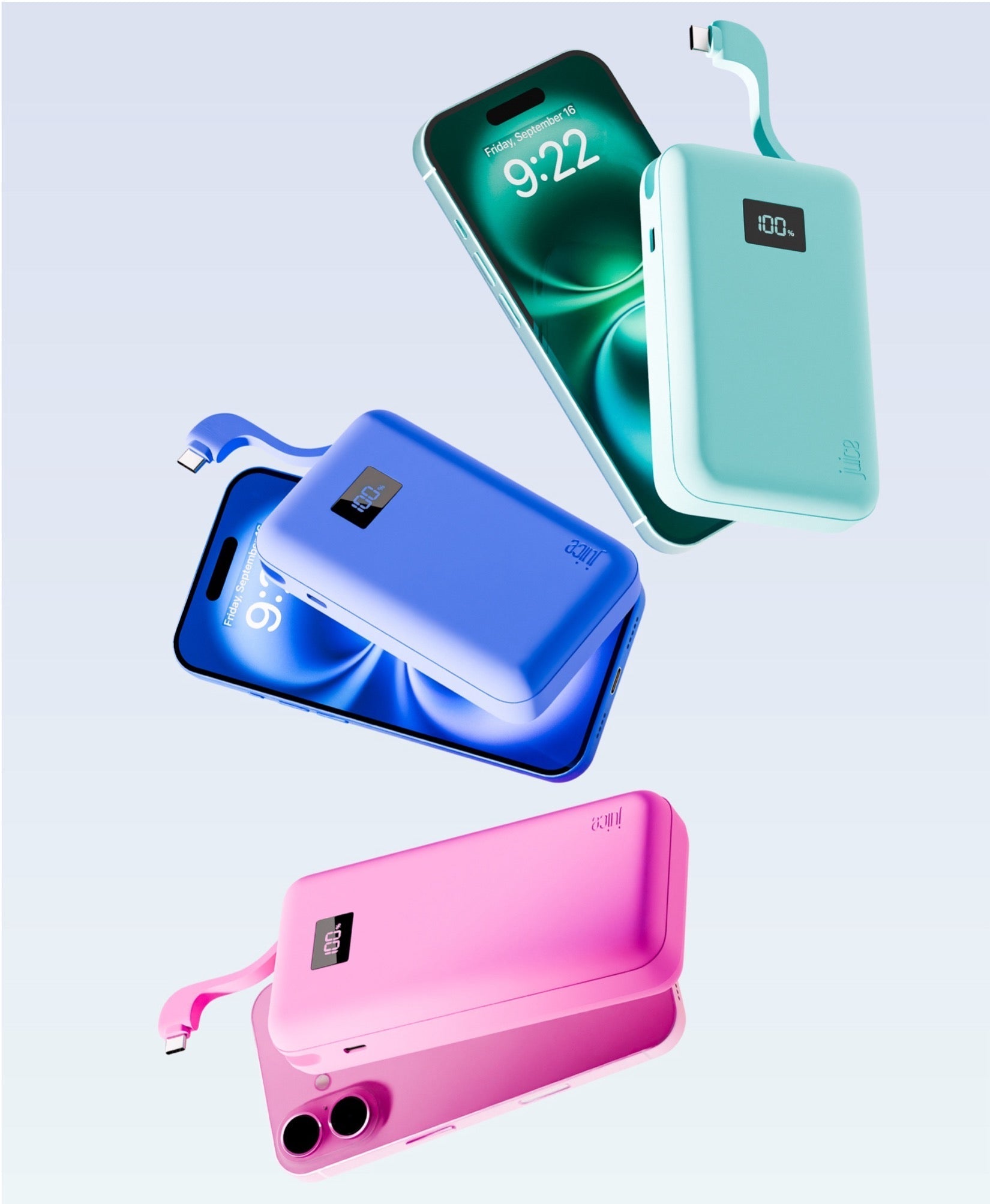
These come with integrated Lightning, USB-C, or Micro-USB cables. The convenience of never forgetting a cable is a real benefit, especially for travelers.

Key Features to Look For When Buying One
Picking a power bank isn't just about capacity. Several features make a real difference in everyday use.
- Capacity (mAh): Higher means more charges. A 10,000mAh unit typically charges a phone two to three times, while 20,000mAh or above suits tablets and laptops.
- Output Wattage: Determines how fast your device charges. Look for at least 18W for phones and 45W or more for laptops.
- Ports: More ports allow simultaneous charging. USB-C PD ports are becoming essential for modern devices.
- Pass-Through Charging: Lets you charge the power bank and a connected device at the same time.
- Weight and Size: Bigger capacity usually means heavier weight. Balance portability with power needs.
- Safety Certifications: Look for UL, FCC, CE, or RoHS marks. Cheap, uncertified batteries can be dangerous.
- Build Quality: A solid outer shell, good heat management, and durable connectors signal a reliable product.

Common Mistakes People Make with Power Banks
From years of testing and using these devices, I've seen the same errors pop up again and again. Avoiding them will extend the life of your power bank and keep your devices safe.
- Buying cheap, unbranded units: They often overstate capacity and lack proper safety circuits. A swollen battery is not a deal you want.
- Using the wrong cable: A poor cable can limit charging speed or damage ports. Always use quality, certified cables.
- Leaving it in hot cars: Heat is the number one killer of lithium batteries. Store your power bank at room temperature whenever possible.
- Draining it to zero regularly: Lithium batteries last longer when kept between 20% and 80%. Avoid full discharges.
- Ignoring the wattage rating: Plugging a laptop into a 10W phone power bank will either charge extremely slowly or not at all.
How to Maximize the Lifespan of Your Power Bank
A well-cared-for power bank can last three to five years. A neglected one might fail within months. Here are practical habits that make a real difference.
- Charge it at least once every two to three months, even if you're not using it.
- Keep it away from direct sunlight and extreme cold.
- Use the manufacturer's original cable or a high-quality replacement.
- Don't cover it with blankets or fabric while charging, since heat builds up.
- Unplug it once it's fully charged to avoid unnecessary stress on the cells.
- Store it in a dry, cool place, ideally in a protective pouch.
Who Actually Needs a Power Bank?
Power banks are often marketed as universal essentials, but some people benefit far more than others. You probably need one if you fall into any of these groups:
- Frequent travelers and digital nomads
- Campers, hikers, and outdoor adventurers
- Students who spend long days on campus
- Remote workers in cafés, libraries, or co-working spaces
- Parents managing kids' devices during road trips
- Photographers, videographers, and content creators
- Anyone living in areas prone to power outages
Even if you don't see yourself in these categories, a small power bank tucked into your bag can be a lifesaver during unexpected situations. It's one of those tools you don't appreciate until you truly need it.

The Future of Portable Charging
Power bank technology is evolving quickly. We're seeing more efficient battery chemistries, faster charging standards like USB PD 3.1, and integration with GaN (gallium nitride) technology for smaller, cooler-running designs. Some companies are even experimenting with graphene-based cells that promise faster charging and longer lifespans.
Wireless power banks are also improving, with magnetic alignment systems that snap perfectly to phones for cable-free convenience. Solar efficiency is climbing, too, though it's still better as a backup than a primary charging method.
Within a few years, expect lighter, faster, and smarter power banks that can communicate with your devices to optimize energy delivery automatically.
Frequently Asked Questions
Can a power bank charge a laptop?
Yes, but only if it supports USB-C Power Delivery with enough wattage. Most laptops require 45W to 100W, so look for a power bank specifically rated for laptop charging.
How many times can a power bank charge a phone?
It depends on the capacity of both the power bank and the phone battery. A 10,000mAh power bank typically charges a standard smartphone two to three times.
Is it safe to leave a power bank charging overnight?
Modern power banks with proper safety features can handle overnight charging, but it's best to unplug once full to reduce long-term battery wear.
How long does a power bank take to recharge itself?
It varies based on capacity and input speed. Small units may recharge in two to three hours, while large 20,000mAh or higher models can take six to ten hours.
Can power banks explode or catch fire?
Cheap, damaged, or poorly designed units can pose risks. Certified models from reputable brands include protections against overcharging, overheating, and short circuits, making them safe for normal use.
Final Thoughts
Power banks are among the most practical tech accessories you can own. They solve a universal problem: keeping your devices alive when life pulls you away from an outlet. From quick phone top-ups to full laptop recharges, the right power bank adds freedom, safety, and peace of mind to your daily routine.
If you're shopping for one, focus on capacity, output wattage, port types, and safety certifications. Avoid no-name brands, invest in a quality cable, and care for the battery properly. Do those things, and your power bank will reward you with years of reliable service.
Now it's your turn. Think about where you spend the most time away from a wall socket, choose a power bank that fits that lifestyle, and never worry about a dead battery again. If you found this guide helpful, share it with a friend who constantly complains about their phone dying, and drop a comment below with your favorite power bank or any questions you still have.