What Is Magnetic Power Bank: Complete Guide For 2026
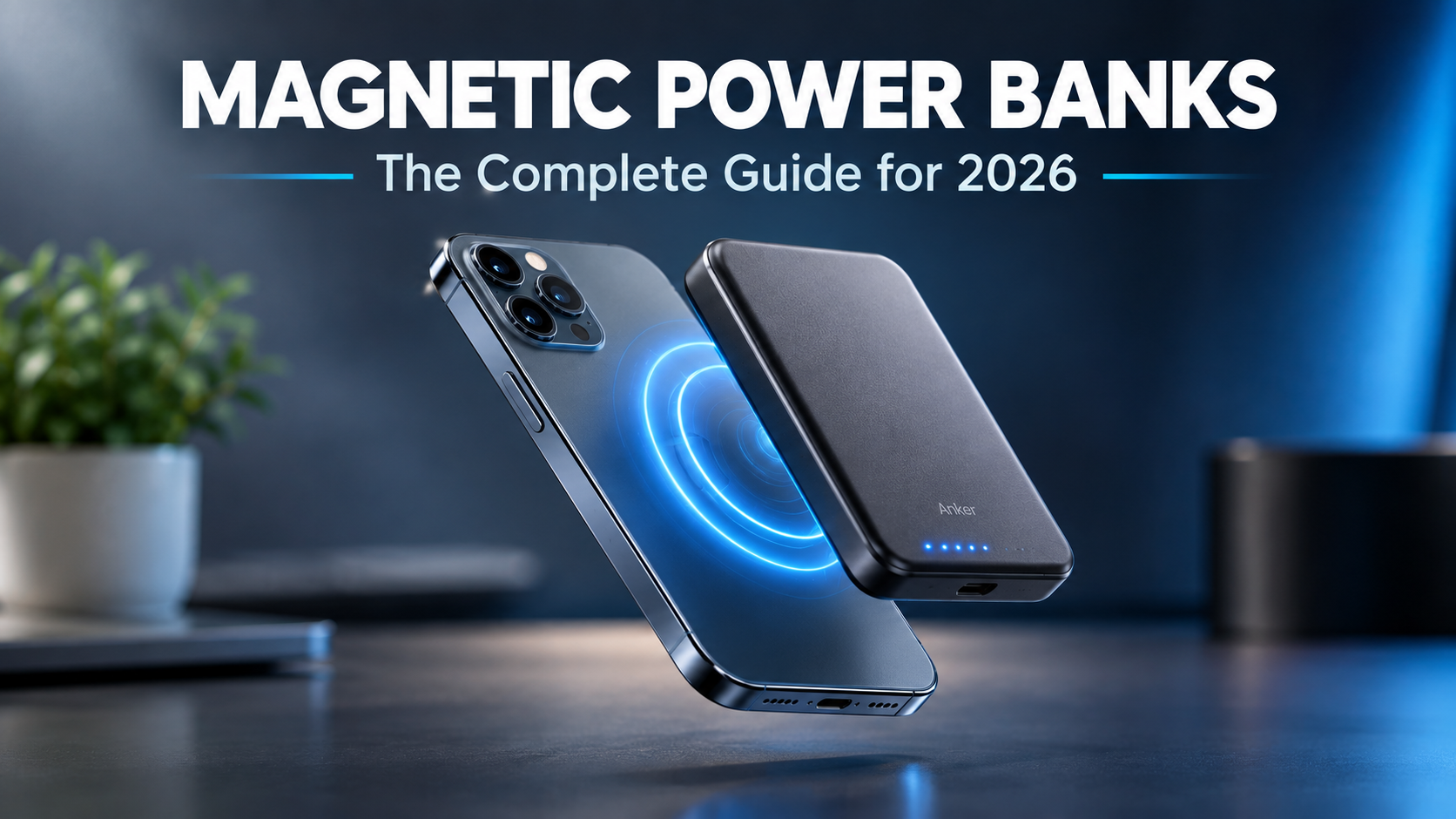
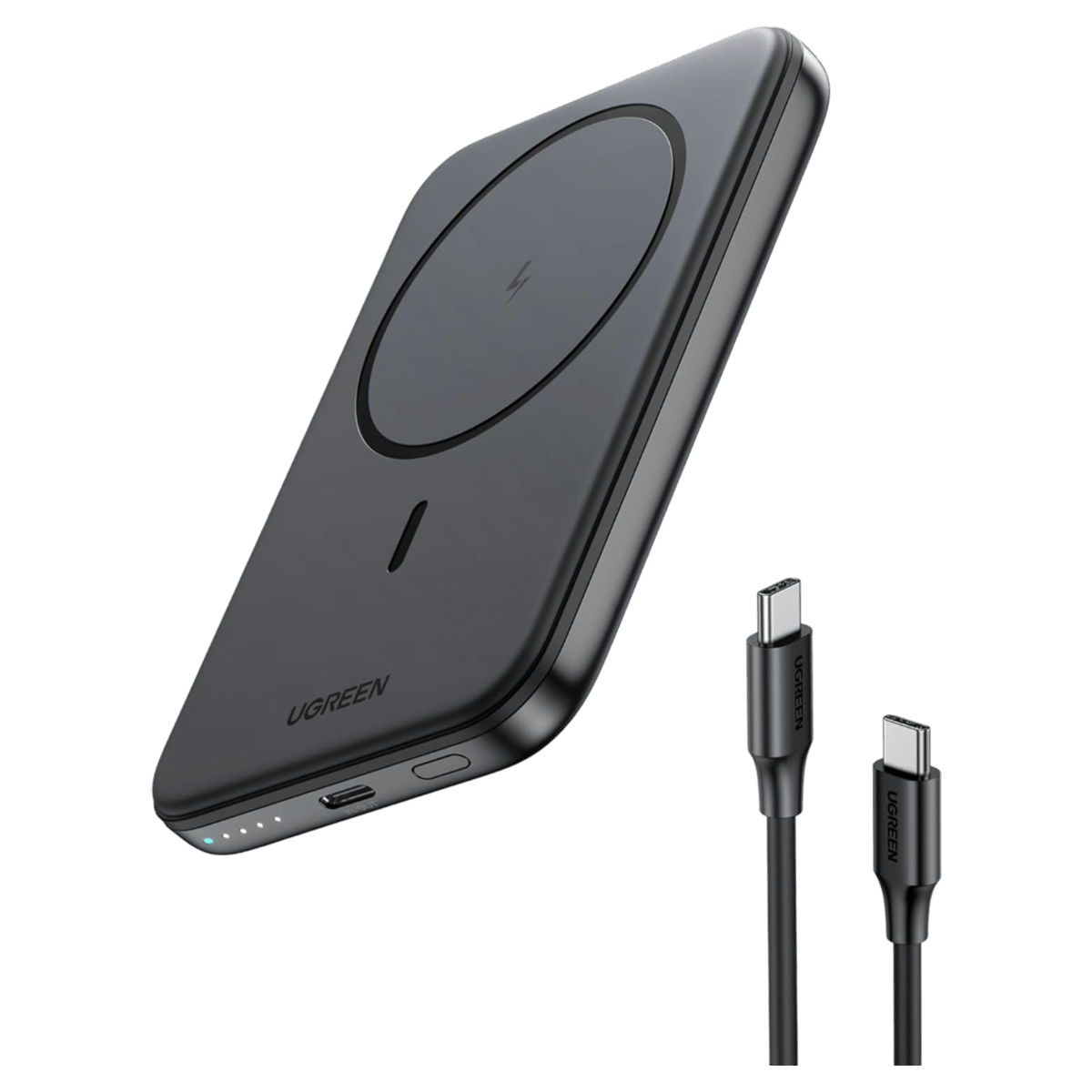
A magnetic power bank is a portable charger that snaps onto the back of your phone using built-in magnets for fast, cable-free charging. If you've ever fumbled with a dying phone and a tangled cable, you'll instantly understand why these little gadgets have become a travel essential. Think of it as a wireless sidekick that clings to your phone the way a magnet clings to a fridge — simple, smart, and surprisingly satisfying. In this guide, I'll walk you through everything you need to know about magnetic power banks: how they work, why they matter, and how to pick the right one for your everyday life.
How Magnetic Power Banks Work
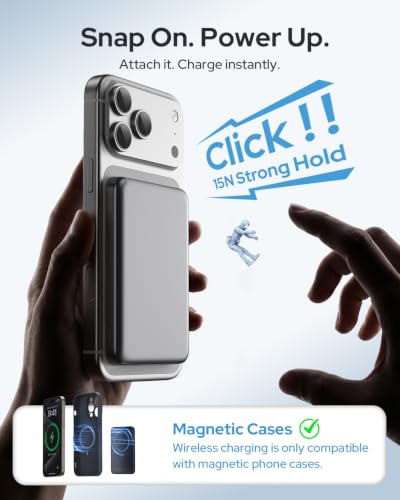
At their core, magnetic power banks combine two well-known technologies: wireless charging and magnets. Most modern phones — especially iPhones with MagSafe and many newer Android models — have built-in magnetic alignment systems. A magnetic power bank uses those same magnets (or compatible ones) to lock perfectly onto the back of your phone.
Once attached, the power bank transfers energy through electromagnetic induction. A coil inside the charger creates an alternating magnetic field, and a coil inside your phone converts that field back into electricity. No cables, no ports, no fuss. The magnets just keep everything lined up so charging stays efficient and consistent.
In simple terms, it's like snapping two puzzle pieces together. The magnets ensure perfect alignment, and the wireless charging tech handles the rest. If the magnets are weak or misaligned, charging slows down or stops — so the magnet strength is just as important as the battery capacity.
Key Features That Define a Magnetic Power Bank
Not all magnetic chargers are built the same. Before you buy one, here are the features that genuinely matter:
- Strong N52 magnets for a firm grip
- 5W, 7.5W, 10W, or 15W wireless output
- USB-C input and output for wired charging
- LED indicators to show battery level
- Safety protections against overheating and overcharging
- Slim, pocket-friendly design
- Pass-through charging so you can charge the bank and phone together
Think of these features as the difference between a basic tool and a well-made one. The right combination makes daily use smooth and frustration-free.

Magnetic Power Bank vs. Regular Power Bank
If you've used a traditional power bank before, you already know the deal: plug in a cable, wait, unplug, repeat. A magnetic power bank skips most of those steps. Here's a quick side-by-side comparison:
- Attachment: Magnetic (snap-on) vs. Wired (cable required)
- Convenience: One-handed use vs. Two hands usually needed
- Port wear: None on your phone vs. Repeated plugging
- Speed: Slightly slower wireless vs. Faster wired
- Compatibility: Best for newer phones vs. Works with nearly all USB devices
In my own experience, the biggest win is convenience. I can grab my phone, and the charger is already attached — no cable digging in my bag. That alone has changed how I travel.
Benefits of Using a Magnetic Power Bank
The benefits go beyond just wireless charging. Once you start using one, it's hard to go back.
- True grab-and-go portability
- No cable clutter in your bag or pocket
- Safe wireless charging with proper alignment
- Perfect for travel, commutes, and emergencies
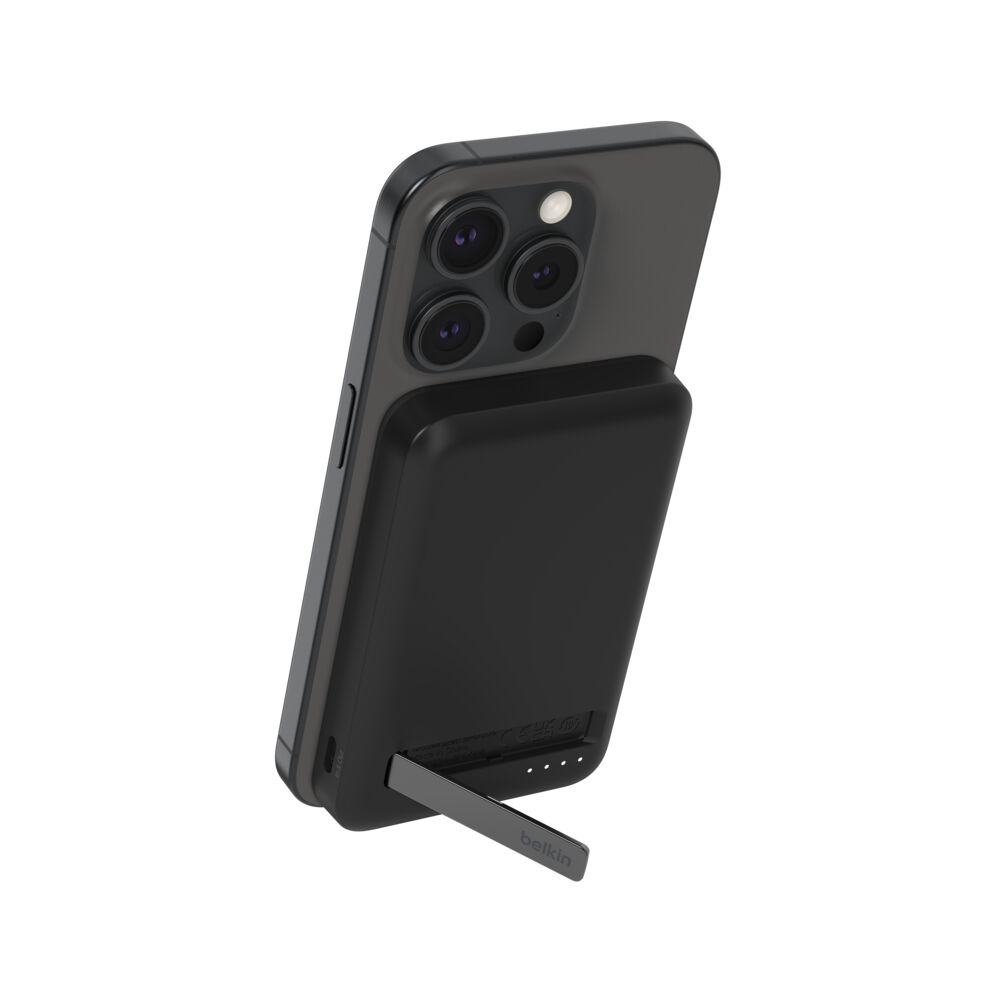
- Works as a phone stand while charging in some models
- Reduces wear on your phone's charging port
- Doubles as a backup battery for AirPods or other Qi devices
If you're someone who relies on your phone for maps, music, or work calls, a magnetic power bank can feel like a quiet lifesaver.

Limitations You Should Know About
Even the best magnetic power bank has trade-offs. Knowing them upfront saves you from buyer's remorse.
- Slower charging speeds compared to wired fast charging
- Magnet strength varies by brand
- Heat buildup during long charging sessions
- Not all phones support magnetic alignment
- Bulkier than standard wireless pads
- Higher price for premium models
A friend of mine bought a cheap magnetic bank and it kept sliding off his phone during calls. The lesson: magnet quality matters more than capacity.

How to Choose the Right Magnetic Power Bank
Picking the right one doesn't have to be complicated. Focus on these practical points:
- Check phone compatibility (MagSafe, Qi2, or universal)
- Look for at least 7.5W wireless output
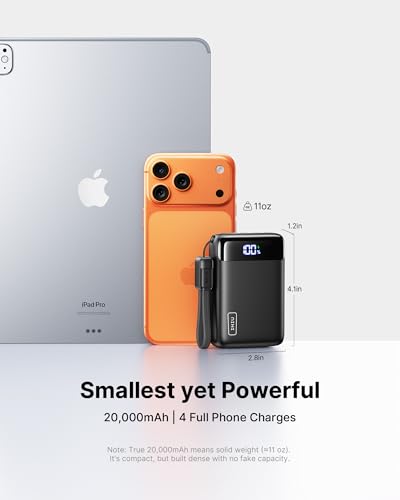
- Choose a capacity between 5,000mAh and 10,000mAh for daily use
- Prefer a slim, lightweight build
- Make sure it has temperature control
- Read reviews about magnet strength
- Pick a trusted brand with good safety ratings
I always recommend starting with a mid-range option. You get solid performance without paying for features you might not need.
Who Should Use a Magnetic Power Bank
These chargers aren't for everyone, but they're a perfect match for certain lifestyles.
- Frequent travelers who need lightweight gear
- Commuters who use phones for navigation
- Content creators shooting video on the go
- Students moving between classes
- Anyone tired of carrying charging cables
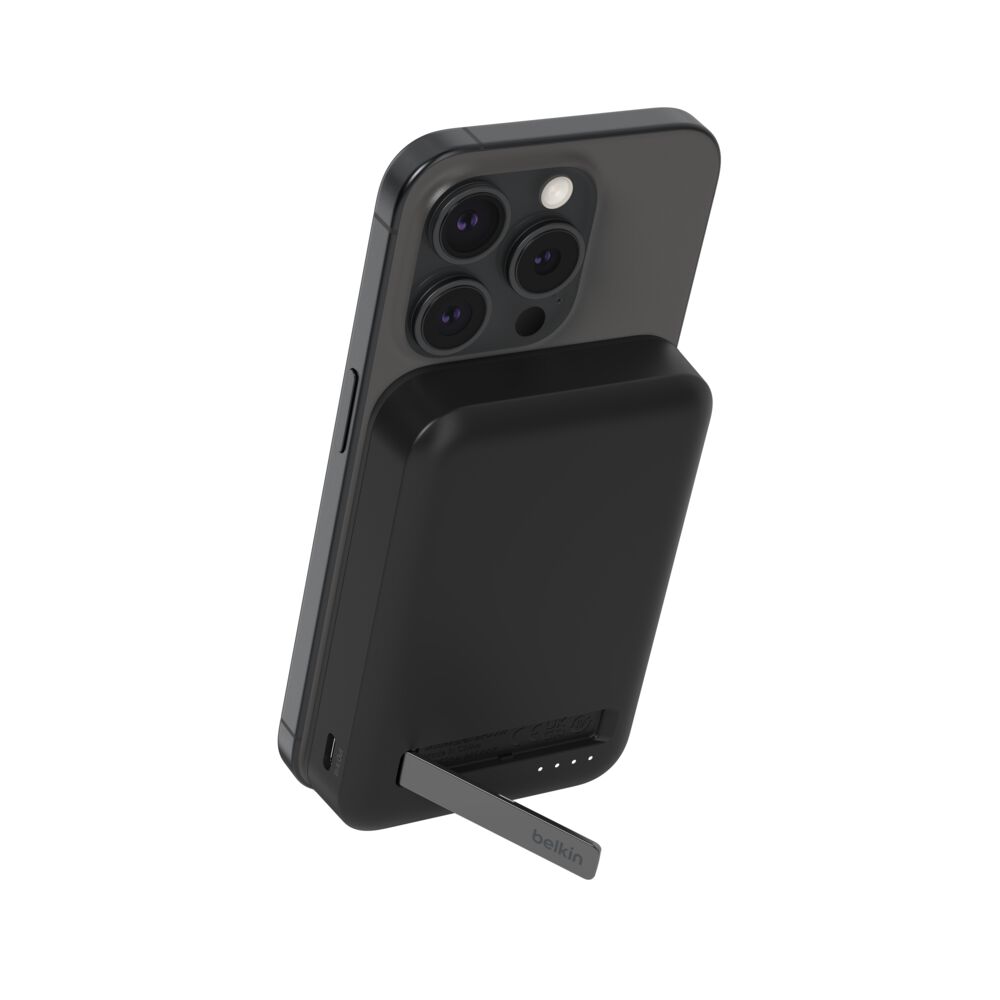
- iPhone users with MagSafe-compatible cases
If you fall into any of these groups, a magnetic power bank will likely become part of your daily carry.
Tips for Getting the Most Out of Your Magnetic Power Bank
After testing several models, I've learned a few tricks that make a real difference.
- Use a MagSafe-compatible case for a stronger hold
- Keep the charging surface clean and dust-free
- Avoid thick wallets or metal cases between phone and charger
- Charge the power bank fully before long trips
- Don't leave it in hot cars, as heat damages battery life
- Use shorter charging sessions to preserve battery health
These small habits extend both the life of the power bank and your phone's battery.
Frequently Asked Questions
Are magnetic power banks safe for phones?
Yes, quality magnetic power banks include safety features like temperature control, overcharge protection, and short-circuit prevention, making them safe for daily use.
Do magnetic power banks work with all phones?
They work best with phones that support magnetic alignment like MagSafe iPhones or Qi2 Android phones. Other phones can still charge but won't snap magnetically.
How long does a magnetic power bank take to charge a phone?
It depends on capacity and output, but most 5,000mAh models fully charge a phone in about 1.5 to 2 hours wirelessly.
Can a magnetic power bank damage a credit card?
Yes, the strong magnets can wipe magnetic strips, so keep credit cards, IDs, and hotel key cards away from the charger.
Is it okay to use a magnetic power bank while gaming?
It's fine, but the phone may heat up more during heavy use, which can slow charging slightly.
Conclusion
A magnetic power bank is one of those small upgrades that quietly makes life easier. It removes cables, simplifies charging, and travels well — all while keeping your phone powered through the busiest days. Once you've used one, it honestly feels like the future of portable charging. If you're ready to cut the cord (literally), start by choosing a trusted model that matches your phone and daily routine. And if you found this guide helpful, feel free to share it, drop a comment with your favorite power bank, or explore more tech tips right here on the blog.