What Is Mah Power Bank: Complete 2026 Guide
A mAh power bank is a portable battery that stores energy measured in milliampere-hours (mAh), letting you charge your phone, tablet, or other USB devices on the go. The higher the mAh rating, the more times it can recharge your device before needing a refill itself. Think of it as a fuel tank for your gadgets, the bigger the tank, the longer you stay powered up.
In my years of testing portable chargers and helping people pick the right one for travel, emergencies, or daily use, I've learned that understanding mAh is the single most important factor in choosing a power bank. It's the difference between a charger that gets you through a long flight and one that dies before lunch. In this guide, I'll walk you through exactly what mAh means, how it affects real-world performance, and how to pick the perfect capacity for your needs.
What Does mAh Actually Mean in a Power Bank?
mAh stands for milliampere-hour, a unit that tells you how much electrical charge a battery can hold. One mAh means the battery can supply one milliamp of current for one hour. So a 10,000 mAh power bank can theoretically deliver 10,000 milliamps for one hour, or 1,000 milliamps for ten hours.
To put it simply, mAh is to batteries what liters are to water bottles. A 20,000 mAh power bank holds twice as much energy as a 10,000 mAh one, which means it can recharge your devices more times before you need to plug the power bank back into the wall.
When I first started using power banks years ago, I bought a cheap 5,000 mAh model thinking it would last a week of travel. It barely got my phone through one full charge. That experience taught me that mAh numbers can be misleading if you don't understand how energy gets transferred in the real world.

How mAh Translates to Real-World Charging
Here's where things get interesting. A power bank's stated capacity isn't exactly what reaches your phone. Due to energy loss from voltage conversion and heat, most power banks deliver about 60-70% of their rated capacity to your device. This is called conversion efficiency.
Let's do some quick math. If you have a 10,000 mAh power bank and a phone with a 4,000 mAh battery, you might expect 2.5 full charges. In reality, you'll likely get closer to 1.5 to 1.8 charges because the power bank's voltage (usually 3.7V) needs to be boosted to 5V for USB output, and that process wastes energy.
I always recommend buying a power bank with about 30-40% more capacity than you think you need. If you want two full phone charges, don't buy a 10,000 mAh model, get at least a 15,000 mAh one. That extra buffer accounts for conversion losses and battery degradation over time.
Common mAh Ranges and What They're Good For
Power banks come in all sizes, and choosing the right capacity depends on your lifestyle. Here's a breakdown of the most common ranges:
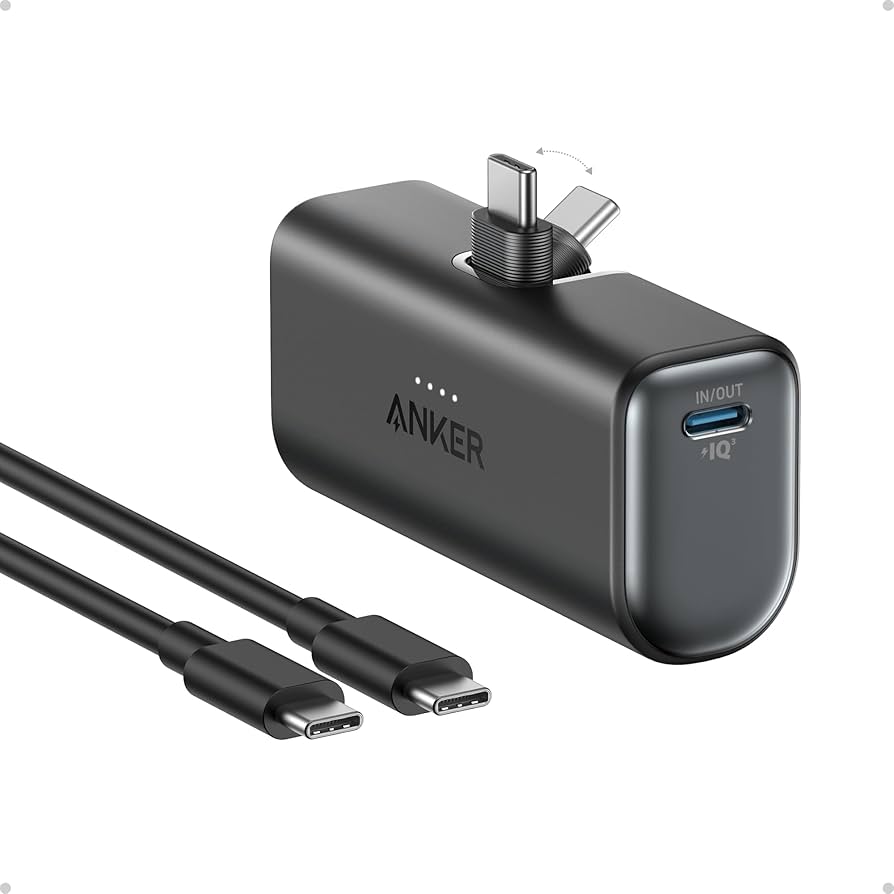
5,000 mAh to 10,000 mAh: Perfect for daily commuters or light users. These compact power banks fit in a pocket or small purse and can give most phones one full charge.
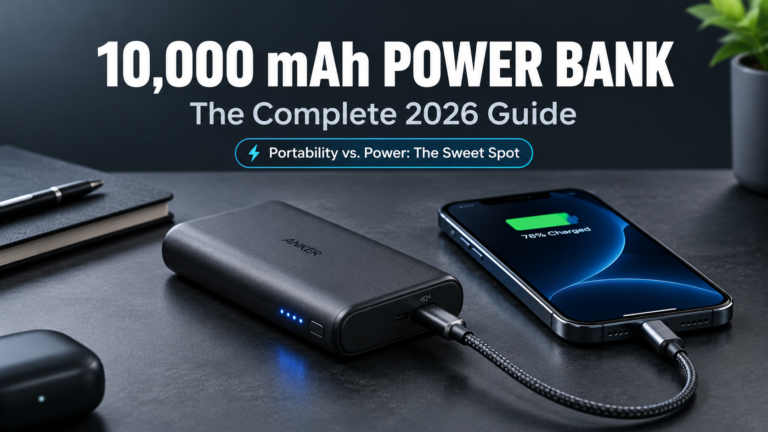
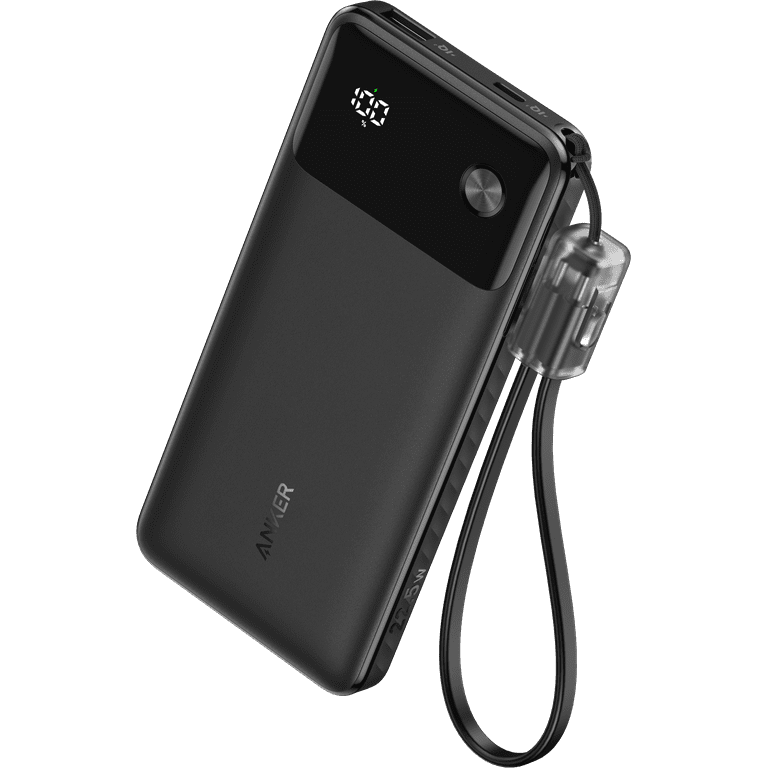
10,000 mAh to 20,000 mAh: The sweet spot for most people. Great for weekend trips, business travel, or anyone who uses their phone heavily throughout the day. These can charge a smartphone 2-4 times.
20,000 mAh to 30,000 mAh: Ideal for long flights, camping trips, or charging multiple devices. You can power up a phone, tablet, and wireless earbuds without breaking a sweat.
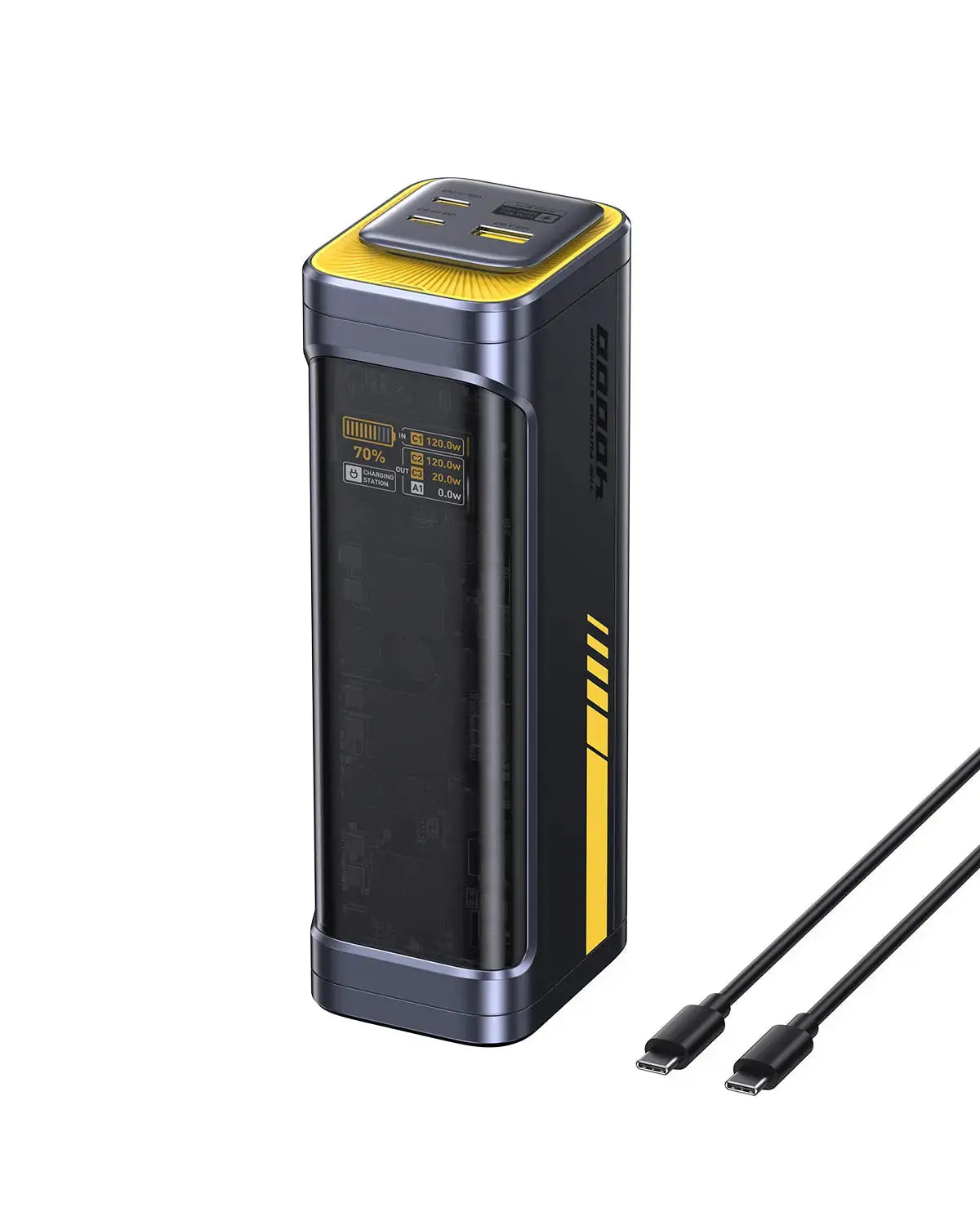
30,000 mAh and above: Heavy-duty power banks for outdoor adventures, emergencies, or digital nomads who work remotely. Some of these can even charge a laptop.
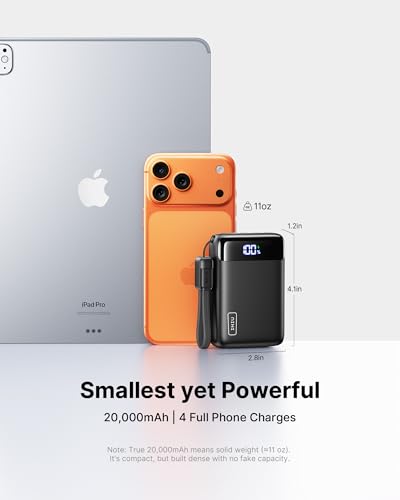
For my own travel kit, I carry a 20,000 mAh power bank. It's been to over 15 countries with me and has never let me down, even on those 14-hour flights where my phone, Kindle, and noise-canceling headphones all need a top-up.
mAh vs. Other Specs That Matter
While mAh gets all the attention, it's not the only thing that makes a great power bank. Here are other factors I always consider before buying:
Output voltage and amperage: Look for at least 5V/2.4A per port for fast charging. Some modern power banks support USB-C Power Delivery (PD) for even quicker speeds.
Number of ports: If you travel with a partner or multiple devices, dual or triple output ports are a lifesaver.
Charging speed: Can the power bank itself recharge quickly? Some high-end models go from empty to full in just 2-3 hours.
Weight and size: A 30,000 mAh power bank might sound great, but if it weighs as much as a brick, you won't want to carry it every day.
Battery cell type: Lithium-polymer batteries are safer and more compact than older lithium-ion cells.
I once bought a power bank with a huge 25,000 mAh capacity but only a 1A output. It took forever to charge my phone, and the experience was frustrating. Capacity matters, but speed matters just as much.
Common Misconceptions About mAh Power Banks
Let's clear up a few myths I hear all the time:
Bigger mAh always means better. Not necessarily. If you don't need that much capacity, you'll just be carrying extra weight. Match the power bank to your actual needs.
All power banks lose the same percentage of energy. False. High-quality power banks from reputable brands often have 85-90% conversion efficiency, while cheap ones might only deliver 50-60% to your device.
mAh is the same as watt-hours. They're related but different. Watt-hours (Wh) measure actual energy, while mAh measures charge. To convert, multiply mAh by voltage and divide by 1,000. A 10,000 mAh power bank at 3.7V equals 37 Wh.
You can fully drain a power bank to zero. Most modern power banks shut off before reaching true zero to protect the battery cells, so you might notice your "dead" power bank still has a little juice left if you check it a few hours later.

How to Maximize Your Power Bank's Lifespan
After testing dozens of power banks over the years, I've learned that how you use them matters just as much as what you buy. Here are my top tips:
Avoid extreme temperatures. Don't leave your power bank in a hot car or freezing car overnight. Heat is the number one killer of lithium batteries.
Don't let it sit at 0% for months. If you're storing a power bank long-term, keep it around 50% charge to preserve the cells.
Use the right cable. A high-quality USB-C or Lightning cable ensures efficient power transfer and faster charging.
Charge it before trips, not during. Top off your power bank the night before you travel, and you'll have a full tank ready to go.
Avoid wireless charging on power banks unless necessary. It's slower and generates more heat, which can shorten battery life.
I had a power bank that lasted five years because I took care of it, and another that died in 18 months because I left it in my car during summer. Treat your power bank well, and it will return the favor.
Safety Tips When Buying and Using mAh Power Banks
Not all power banks are created equal, and the cheap no-name brands on online marketplaces can be genuinely dangerous. Here are my safety rules:
Stick with trusted brands. Anker, RAVPower, Aukey, and Mophie have solid reputations and proper safety certifications.
Look for UL or CE certification. These marks mean the product has passed basic safety tests.
Avoid super-cheap deals. If a 50,000 mAh power bank costs $15, something is wrong. It's probably lying about its capacity or cutting corners on safety.
Check for protection features. Overcharge protection, short circuit protection, and temperature control are must-haves.
Don't use damaged power banks. If the casing is swollen, cracked, or smells weird, stop using it immediately and recycle it properly.
I learned this lesson the hard way when a bargain-bin power bank actually started smoking during charging. Since then, I only buy from brands I trust, and I've never had a safety issue.
Picking the Right mAh for Your Lifestyle
The best power bank is the one that fits your daily routine. Ask yourself these questions:
How many devices do you need to charge? Just a phone, or also a tablet, smartwatch, or laptop?
How long will you be away from an outlet? A few hours, a full day, or multiple days?
Do you travel light, or do you have a backpack with room to spare?
Do you need fast charging, or is overnight charging okay?
If you're a casual user who just wants emergency power for your phone, a 10,000 mAh power bank is plenty. If you're a content creator or traveler who works on the go, go for 20,000 mAh or more. There's no one-size-fits-all answer, but there's definitely a perfect match for your needs.
Frequently Asked Questions About mAh Power Banks
How many mAh do I need to charge my phone once?
Most modern smartphones have batteries between 3,000 and 5,000 mAh. To get one full charge, you'll need a power bank with at least 5,000 to 7,000 mAh to account for energy loss during transfer.
Can I bring a power bank on a plane?
Yes, but with restrictions. Most airlines allow power banks under 100 Wh (watt-hours) in carry-on luggage. A 20,000 mAh power bank at 3.7V equals 74 Wh, which is under the limit. Larger power banks may require airline approval.
Do power banks lose charge when not in use?
Yes, all power banks slowly self-discharge over time. A good power bank loses about 5-10% per month, so you might need to top it off before a trip even if you didn't use it.
How long does a power bank take to fully charge?
It depends on the capacity and input speed. A 10,000 mAh power bank with an 18W input charges in about 3-4 hours, while a 20,000 mAh model can take 6-8 hours. Fast-charging power banks with 30W+ inputs charge much quicker.
Is higher mAh better for battery life?
Higher mAh means more total charges, not better battery health for the power bank itself. To keep your power bank's battery healthy, avoid extreme temperatures and don't constantly drain it to zero.
Conclusion
Understanding mAh is the key to choosing a power bank that actually fits your life. It's not just about picking the biggest number you can afford, it's about matching capacity to your real-world needs, paying attention to conversion efficiency, and choosing a safe, reliable brand. Whether you're a daily commuter, a frequent flyer, or an outdoor adventurer, there's a perfect mAh power bank waiting for you. Take the time to assess your needs, invest in quality, and you'll never have to panic over a dying battery again. Got questions or want to share your favorite power bank? Drop a comment below, I'd love to hear what works for you.