What Is 10000 Mah Power Bank: Complete Guide For 2026
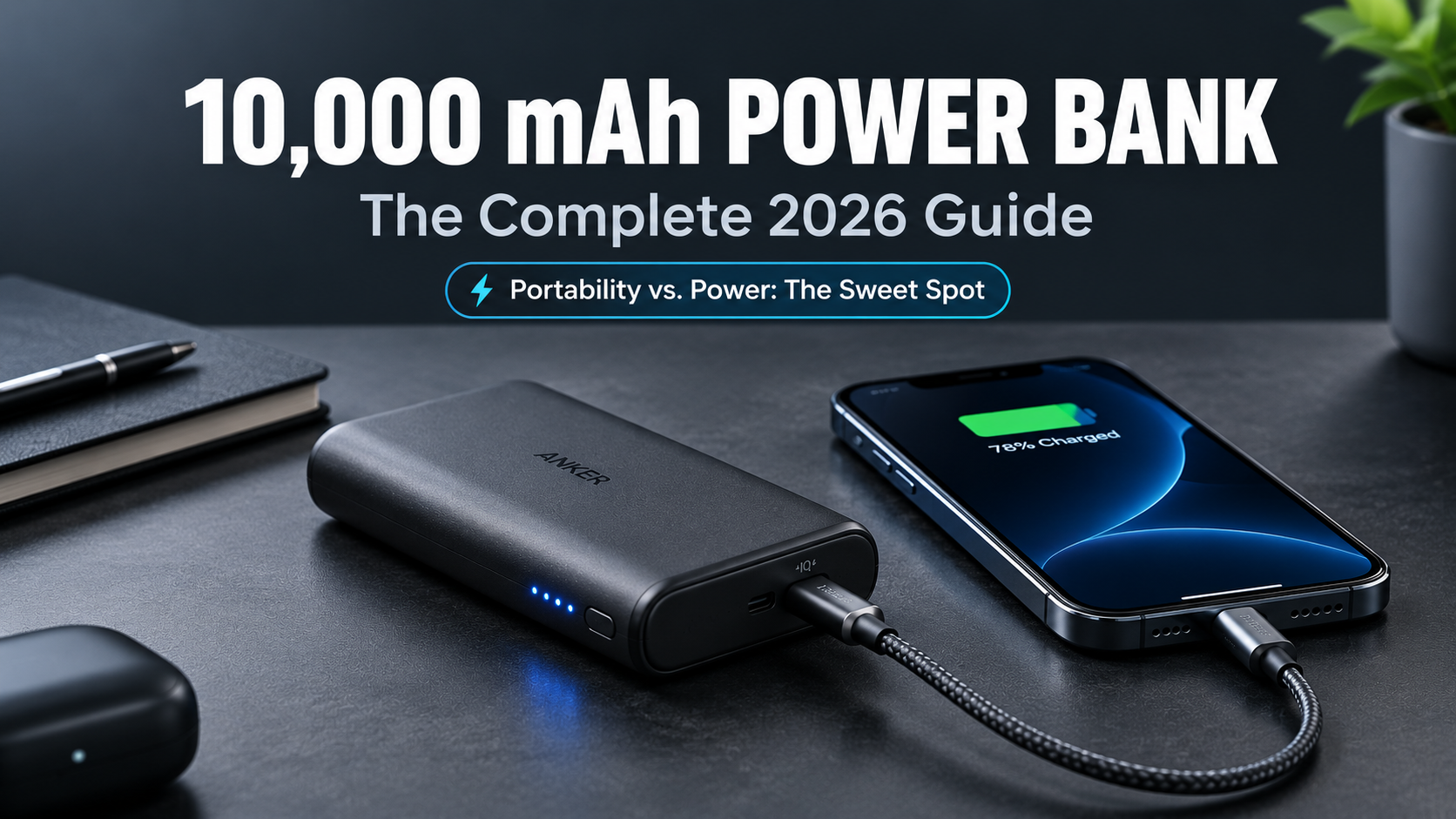
A 10000 mAh power bank is a portable charger that stores 10,000 milliamp hours of energy, enough to charge most smartphones two to three times on a single refill. If you've ever been stuck with a dead phone on a trip, a long commute, or during a power outage, this little gadget can feel like a lifesaver. I've been testing and using power banks for years, and I can tell you firsthand that a 10,000 mAh model hits the sweet spot between portability and real-world usefulness. In this guide, I'll walk you through exactly what a 10,000 mAh power bank is, how it works, what it can charge, and how to pick the right one for your needs.
Understanding mAh and What 10,000 mAh Really Means
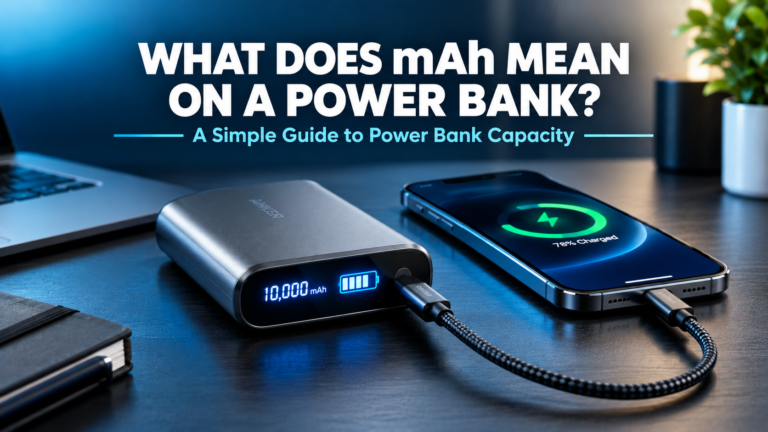
mAh stands for milliampere hour, and it's the unit that tells you how much electrical charge a battery can hold. Think of it like the size of a gas tank in a car. The bigger the mAh number, the more energy it can store, and the more times it can recharge your devices before the power bank itself runs out. A 10,000 mAh power bank sits right in the middle of the portable charger market. It's bigger than the tiny 5,000 mAh lipstick-style chargers, but smaller and lighter than the heavy-duty 20,000 mAh bricks.
To put it in perspective, the average smartphone battery today holds somewhere between 3,500 and 5,000 mAh. So a 10,000 mAh power bank has roughly two to three times the capacity of a single phone battery. In real-world use, you can usually expect to get about 1.5 to 2.5 full phone charges out of a 10,000 mAh power bank, depending on your phone's battery size and how much energy is lost during the charging process.
One thing I always remind people is that mAh is a measurement of capacity, not the speed of charging. A high mAh number means longer lasting power, but it doesn't tell you how fast that power will get to your phone. Charging speed depends on the output wattage and the charging protocol your device supports.
How Does a 10,000 mAh Power Bank Work?
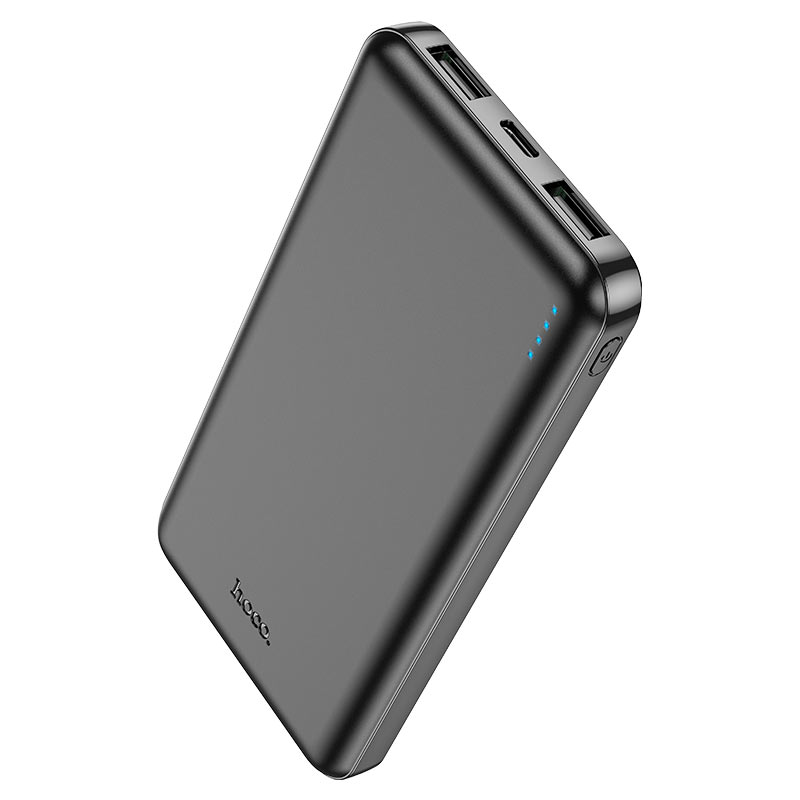
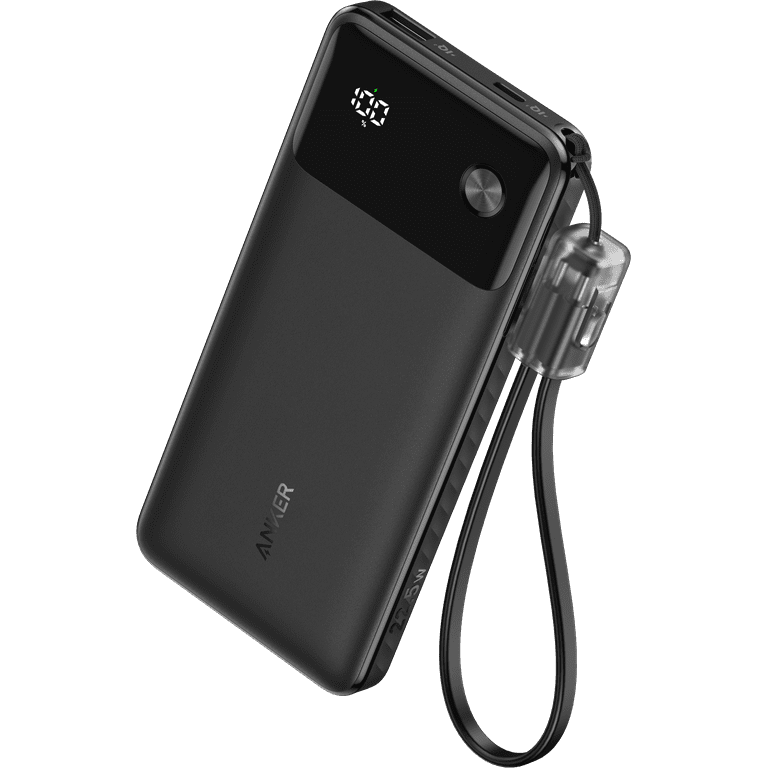
A 10,000 mAh power bank works by storing electrical energy in an internal lithium-ion or lithium-polymer battery, then releasing that energy through a USB or USB-C port to charge your phone, tablet, or other devices. Inside the power bank, there's a battery cell, a charging circuit, and a control chip that manages the flow of power safely.
When you plug your phone into the power bank with a cable, the control chip regulates the voltage and current to match what your device needs. It also protects against overcharging, overheating, and short circuits. Once your device is full, the power bank stops sending power automatically. It's a simple but smart little system.
Most modern 10,000 mAh power banks charge themselves through a USB-C or micro-USB input port. You plug them into a wall adapter, and they refill their battery in about 3 to 5 hours, depending on the input speed and the charger you use.
What Can a 10,000 mAh Power Bank Charge?
A 10,000 mAh power bank is versatile enough to handle most of your everyday gadgets, though its capacity is best suited for smaller devices.
- Smartphones: 1.5 to 2.5 full charges for most modern phones
- Wireless earbuds: 15 to 25 full charges
- Smartwatches and fitness bands: 20 to 40 full charges
- E-readers like a Kindle: 2 to 3 full charges
- Small tablets: 1 full charge for most 8-inch tablets
- Bluetooth speakers: 2 to 4 full charges
- Handheld gaming devices: 1 to 2 charges depending on the model
- USB-C or USB-A powered accessories like fans or LED lights: several hours of runtime
It will not fully charge a large laptop. For that, you'd need a 20,000 mAh or higher power bank with a USB-C PD output of 45W or more. But for daily carry, travel, or emergencies, a 10,000 mAh power bank covers almost everything you need.

How Many Times Can a 10,000 mAh Power Bank Charge a Phone?
This is one of the most common questions people ask, and the honest answer is: it depends on the phone. Here's a quick breakdown based on real-world use:
- iPhone 15 (3,349 mAh battery): about 2.3 full charges
- Samsung Galaxy S24 (4,000 mAh battery): about 1.9 full charges
- Google Pixel 8 (4,575 mAh battery): about 1.7 full charges
- iPhone 15 Pro Max (4,422 mAh battery): about 1.8 full charges
There are also two key reasons you never get the full 10,000 mAh transferred to your phone. First, power banks are typically rated at 3.7V, but your phone charges at 5V or higher, so some energy is lost in the voltage conversion. Second, all lithium batteries lose a small percentage of energy as heat during discharge. Together, these factors mean you usually get about 60 to 70 percent of the rated capacity in actual usable power.

Key Features to Look for in a 10,000 mAh Power Bank
Not all 10,000 mAh power banks are built the same. Over the years, I've tested dozens of them, and the differences in quality can be huge. Here are the features that actually matter.
Charging Speed and Output Ports
Look for a power bank with at least an 18W output if you want fast charging. Some models now offer 20W or even 30W output, which is great for newer iPhones and Android phones that support USB Power Delivery or Quick Charge. A dual-port model lets you charge two devices at once, though charging two things at the same time will drain the power bank faster.
Input Charging Speed
A power bank that recharges quickly is a game-changer. Look for a USB-C input of at least 18W so you can refill the power bank itself in about 3 hours instead of waiting 6 or 7.
Size and Weight
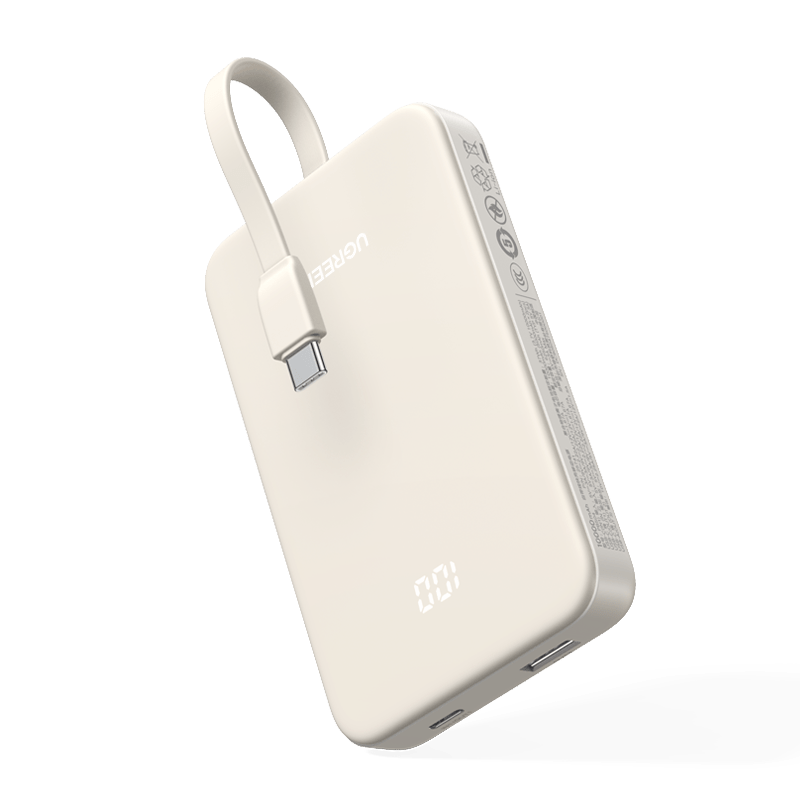
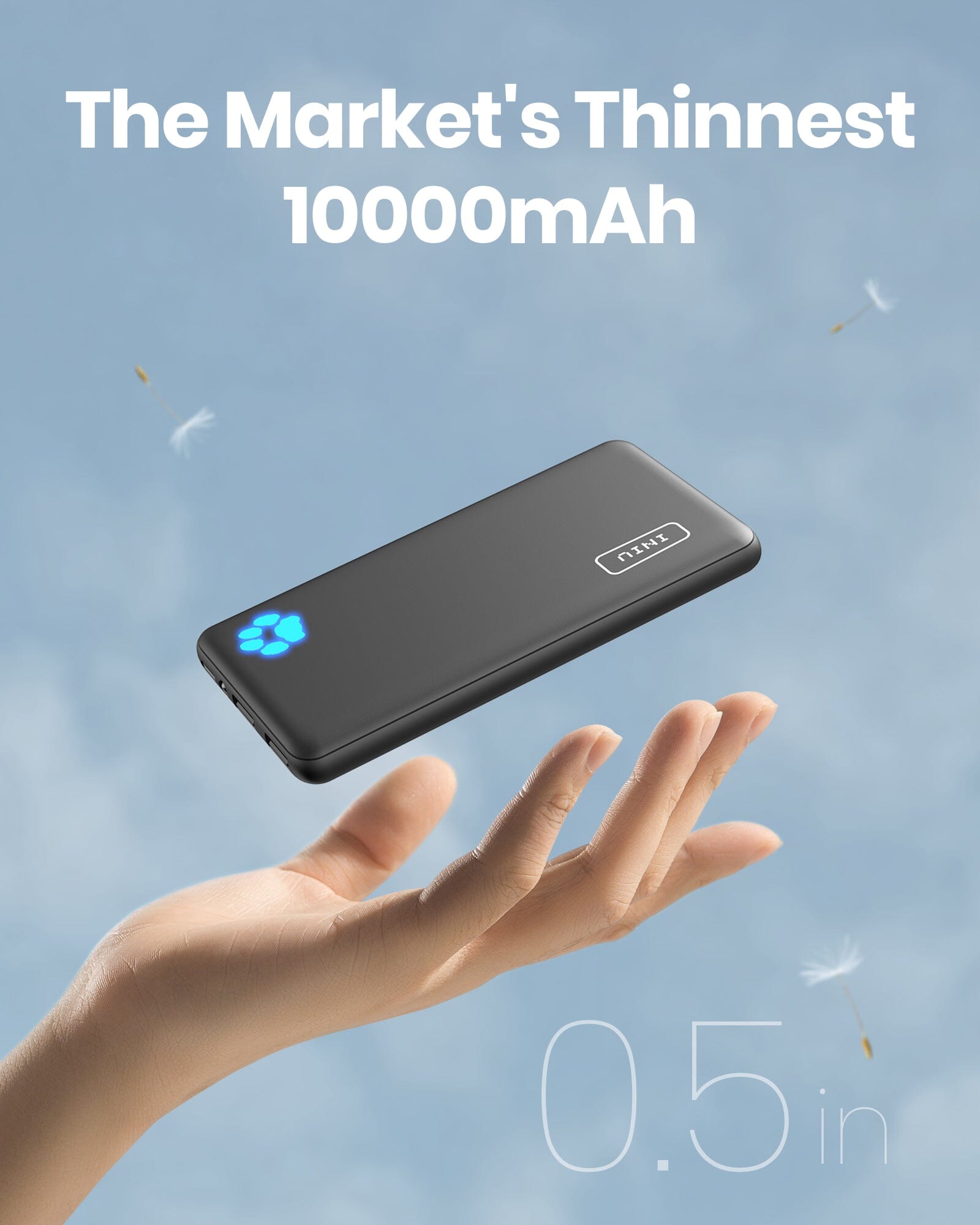
A good 10,000 mAh power bank should weigh around 200 to 250 grams, about the weight of a small chocolate bar. It should fit easily in your pocket, purse, or backpack. Anything much heavier and you're better off going with a smaller capacity.
Build Quality and Safety Features
Make sure the power bank has overcharge protection, short circuit protection, and temperature control. Reputable brands always include these. Avoid no-name brands with no safety certifications, since poorly made lithium batteries can be a real fire hazard.
Extra Features
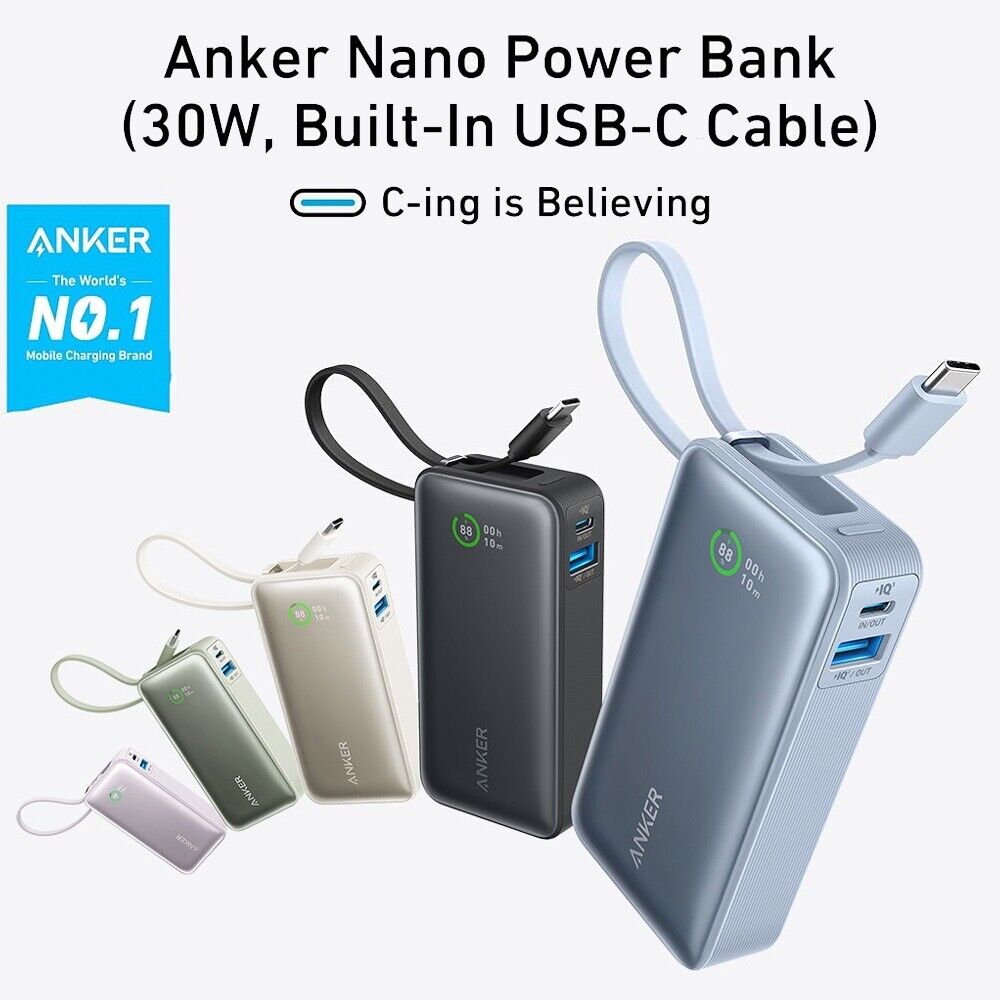
Some 10,000 mAh power banks come with built-in cables, wireless charging pads, solar panels, or even flashlights. These extras are nice, but they often add bulk or cost. Decide what you actually need before paying for features you'll never use.
10,000 mAh vs 20,000 mAh: Which One Should You Choose?
This is a personal decision, but here's how I think about it.
- A 10,000 mAh power bank is best if you want something light, pocket-friendly, and perfect for daily use or short trips. It covers a full day of phone charging and is easy to carry every day.
- A 20,000 mAh power bank is best if you're going on a long trip, camping, traveling internationally, or charging multiple devices. It offers double the capacity but also weighs noticeably more.
For most people, 10,000 mAh is the sweet spot. It's the size I personally keep in my everyday bag. I only switch to a 20,000 mAh model when I'm going on a long flight or a multi-day hike.
Tips for Getting the Most Out of Your 10,000 mAh Power Bank
After years of using portable chargers, I've picked up a few habits that really help.
- Charge the power bank fully before any trip. A half-charged power bank will leave you stranded at the worst time.
- Use a good quality cable. Cheap cables can slow down charging and even damage your devices.
- Don't let the power bank drop to 0 percent often. Lithium batteries last longer when you keep them between 20 and 80 percent.
- Store it at room temperature. Heat is the number one enemy of lithium batteries, so don't leave it in a hot car.
- Turn off the power bank when not in use. Some models drain slowly even when nothing is plugged in.
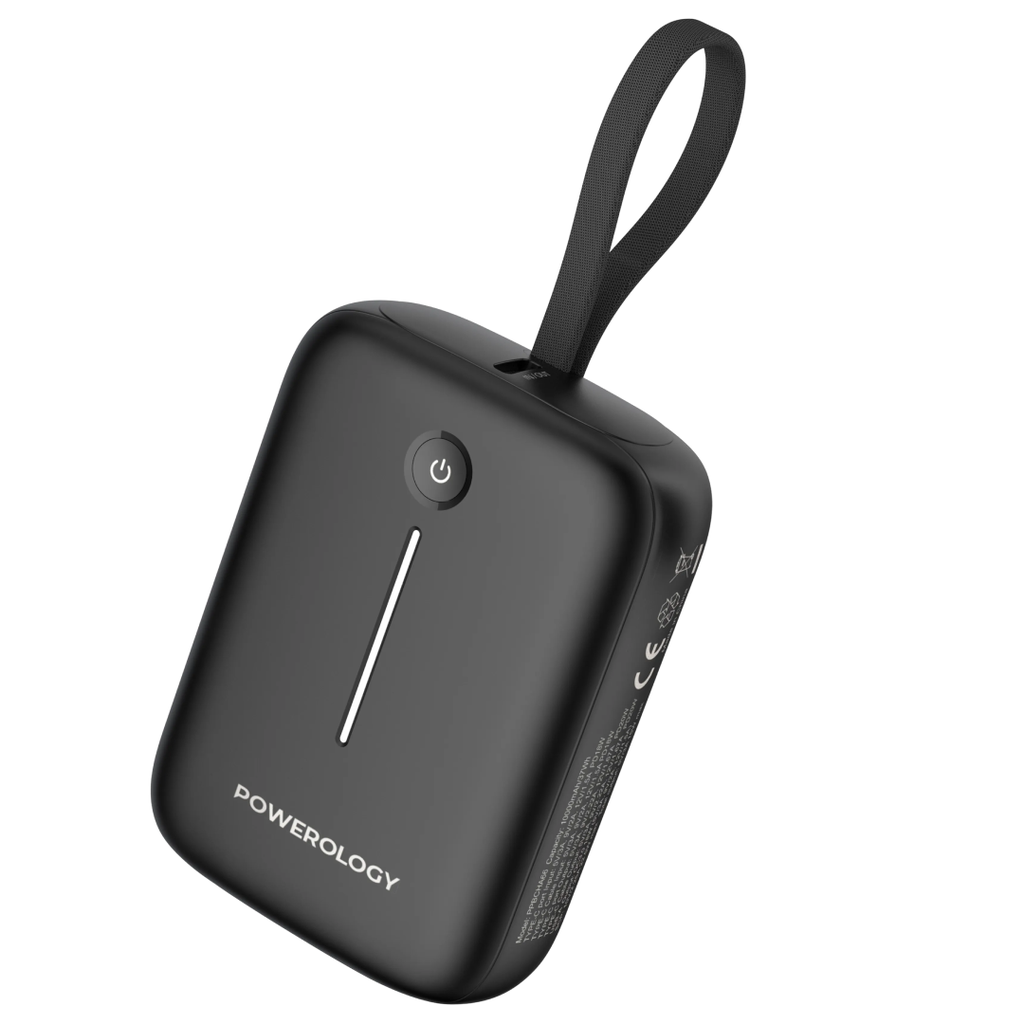
Common Myths About 10,000 mAh Power Banks
There are a few things people get wrong about power banks that I want to clear up.
- Myth 1: A 10,000 mAh power bank will charge your phone 10 times. Not true. Because of voltage conversion and energy loss, you get around 1.5 to 2.5 charges depending on your phone.
- Myth 2: All power banks are the same. Definitely not. Battery cells, safety features, and charging speeds vary wildly between brands.
- Myth 3: You can fly with any power bank. Actually, most airlines limit power banks to 100Wh, which is about 27,000 mAh at 3.7V. A 10,000 mAh power bank is well within that limit, so you're fine.
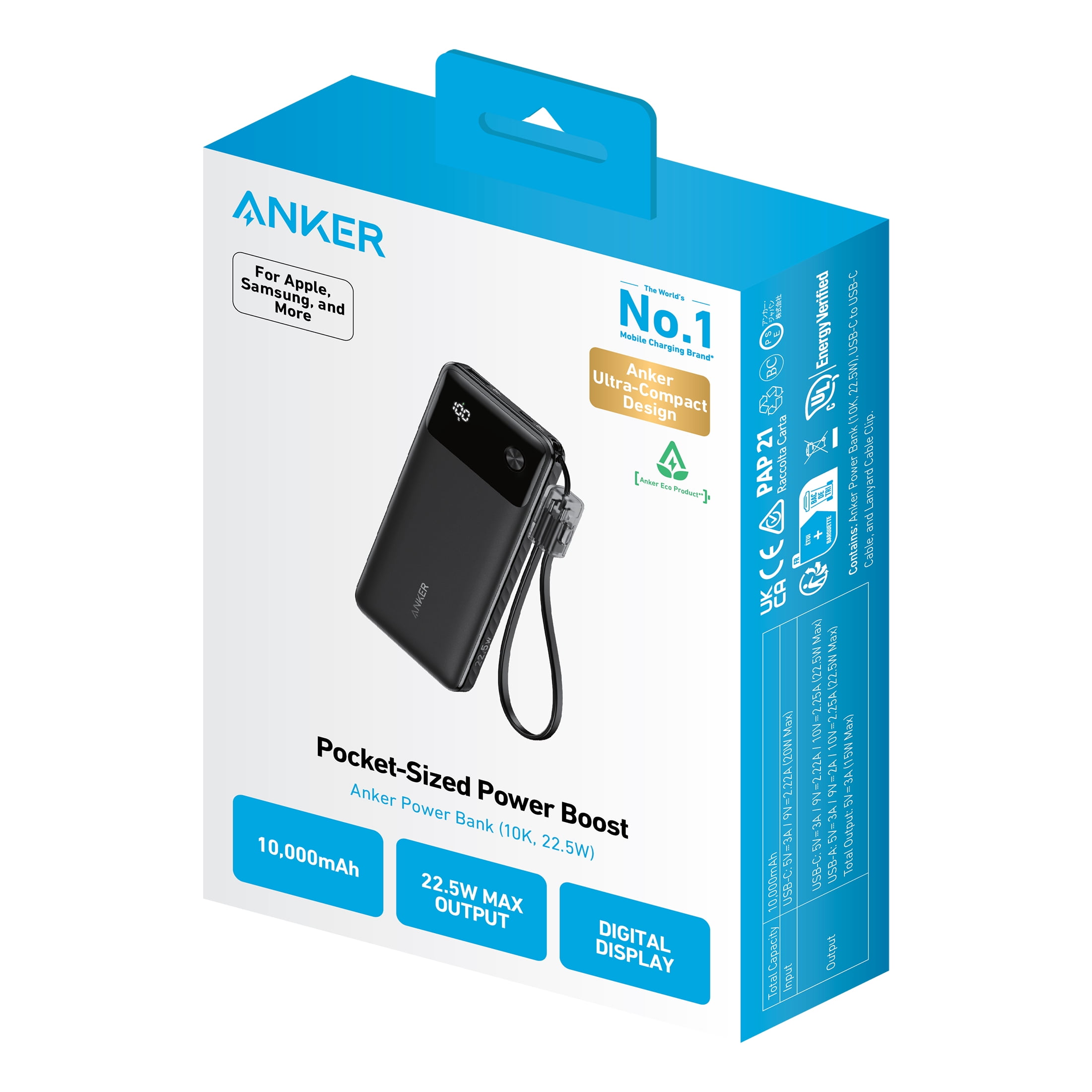
Frequently Asked Questions
Is a 10,000 mAh power bank enough for travel?
Yes, a 10,000 mAh power bank is more than enough for most short trips. It can keep your phone charged for a full day or two of heavy use, and it's small enough to fit in any carry-on bag. It's also well under the 100Wh airline limit, so you can take it on flights without any issues.
How long does it take to charge a 10,000 mAh power bank?
It depends on the input speed and the wall charger you use. With a 5V/2A charger, it takes about 5 to 6 hours. With an 18W USB-C PD charger, you can fully refill it in about 3 hours. Fast input charging is one of the most useful features to look for.
Can a 10,000 mAh power bank charge a laptop?
In most cases, no. A 10,000 mAh power bank usually doesn't have enough output wattage to charge a laptop properly. Even if it can technically output power to a USB-C laptop, the capacity is too small to give you a meaningful charge. For laptops, you need a 20,000 mAh or higher power bank with at least 45W USB-C PD output.
How do I know if my 10,000 mAh power bank is real?
Check the weight and the label. A real 10,000 mAh power bank usually weighs at least 180 to 250 grams. Counterfeit models are often lighter because they use smaller, lower-quality cells. Buy from reputable brands and check that the capacity is printed clearly on the device. Some power banks also have a certification mark from FCC, CE, or RoHS.
Does a 10,000 mAh power bank lose capacity over time?
Yes, all lithium batteries degrade over time. A good quality power bank should retain about 80 percent of its original capacity after 300 to 500 charge cycles. If you use it daily, that's roughly a year and a half to two years of heavy use. After that, you'll notice it doesn't hold as much charge as it used to.
Conclusion
A 10,000 mAh power bank is one of the most useful tech accessories you can own, especially if you rely on your phone throughout the day. It offers the perfect balance between size, weight, and charging power. You can slip it into your pocket, charge your phone two to three times, and never worry about a dead battery again. After years of testing dozens of power banks, I still come back to 10,000 mAh models for daily carry. They just hit the sweet spot that bigger and smaller options miss. If you're shopping for your first power bank or upgrading an old one, focus on charging speed, build quality, and brand reputation. A well-made 10,000 mAh power bank will easily last you several years and become one of those things you never leave home without. Got questions or want to share your favorite power bank? Drop a comment below, I'd love to hear what works for you.