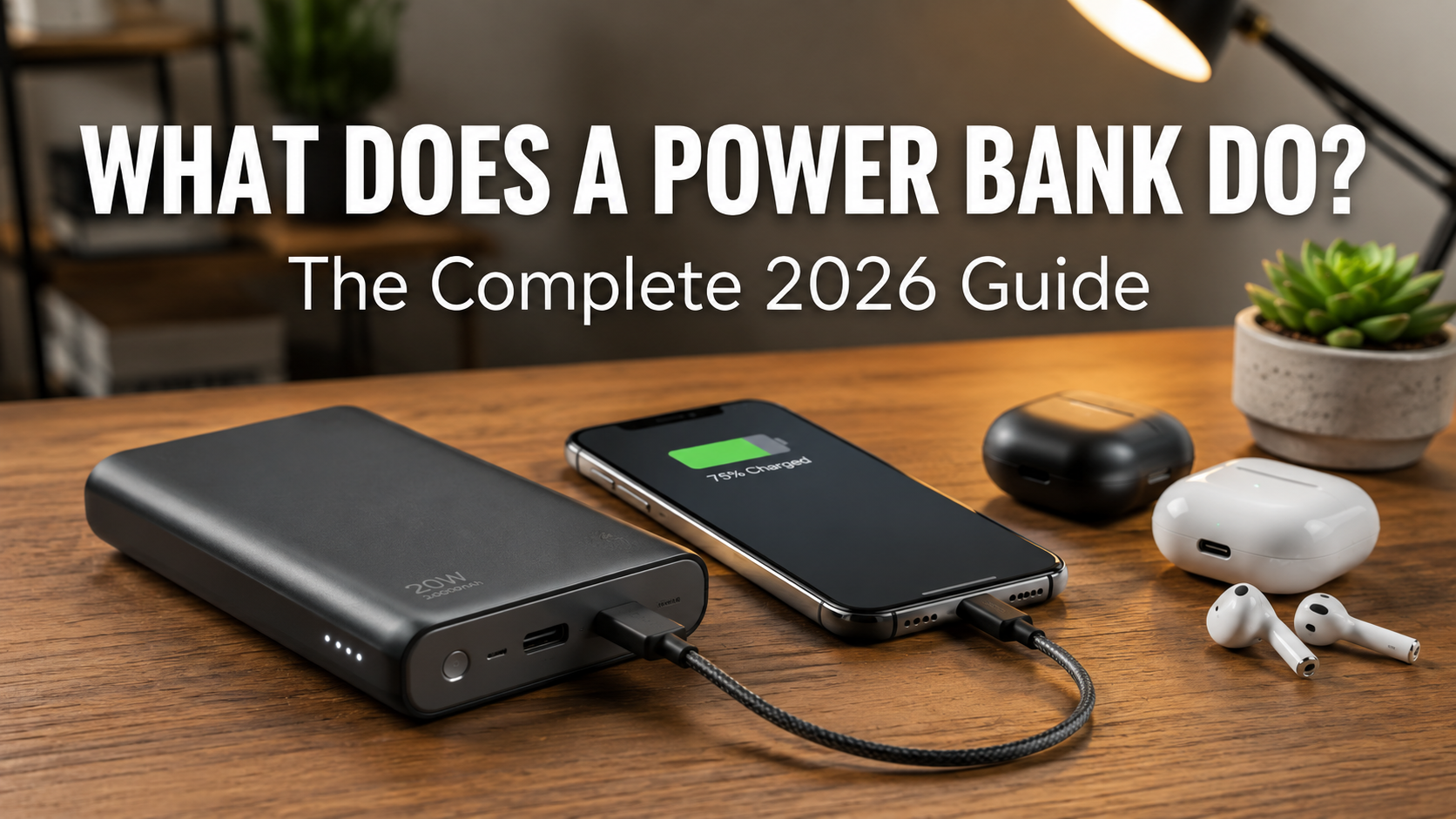
What Does A Power Bank Do: Complete 2026 Guide
A power bank is a portable battery that charges your devices on the go when no wall outlet is available.
If you've ever been stuck with a dead phone during a long commute, a weekend camping trip, or a sudden power outage, you already know how stressful a low battery can be. That's where a power bank steps in like a tiny, reliable lifesaver. I've been using them for years, and honestly, once you start carrying one, it's hard to imagine life without it. In this guide, I'll walk you through exactly what a power bank does, how it works, and why it might just become your favorite everyday gadget.
What Is a Power Bank and How Does It Work
A power bank is essentially a rechargeable battery packed inside a protective case with a USB port or two. It stores electrical energy when you plug it into a wall outlet or computer, then releases that energy later to charge your phone, tablet, wireless earbuds, smartwatch, or even a small laptop.
Think of it like a water bottle for electricity. You fill it up at home, carry it with you, and sip from it whenever your devices get thirsty for power.
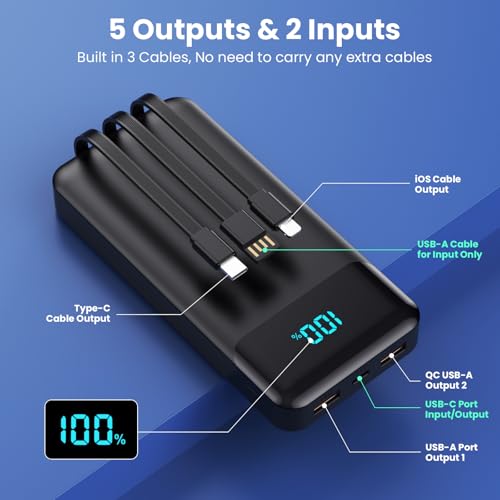
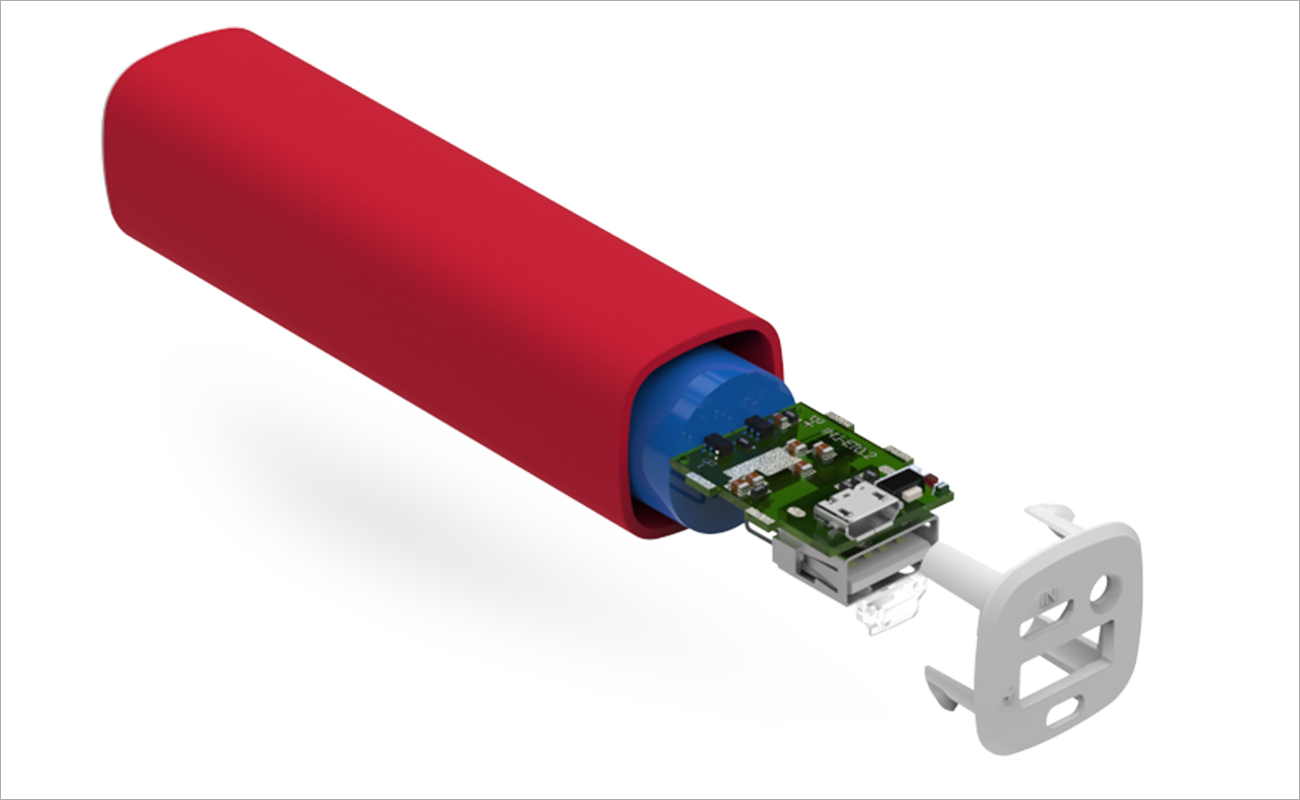
The core components inside include:
- A lithium-ion or lithium-polymer battery cell that holds the charge
- A charging circuit that controls how energy flows in and out
- A USB port or USB-C port for connecting your device
- An LED indicator that shows remaining battery level
- A power button to turn output on or off
When you press the button, the circuit converts the stored DC energy into a steady, safe voltage your device can accept. Modern power banks also include smart chips that detect what kind of device is plugged in and deliver the right amount of current, so nothing gets overcharged or damaged.
Main Functions of a Power Bank
A power bank does more than just "charge a phone." Here's a closer look at its core functions.
Portable Charging for Smartphones and Tablets
This is the number one reason people buy one. A good power bank can fully charge a smartphone two to four times depending on its capacity. It's perfect for travel, festivals, or long days away from an outlet.
I still remember a road trip through the mountains where my phone hit 2% right as I needed GPS to find a detour. My power bank brought it back to 60% in about 30 minutes, which saved me from getting completely lost.
Charging Small Electronics
Beyond phones, power banks can charge:
- Wireless earbuds and headphones
- Smartwatches and fitness bands
- E-readers like a Kindle
- Small cameras and GoPros
- Portable game consoles like a Nintendo Switch
Emergency Power During Outages
When the power goes out at home, a power bank becomes a small but reliable backup. You can keep your phone alive to call for help, check weather alerts, or stay in touch with family. It's not meant to run a fridge, but for communication, it works beautifully.
Supporting Laptops and Larger Devices
Some high-capacity power banks include AC outlets, USB-C Power Delivery, or DC outputs. These can charge a MacBook, a USB-C laptop, or even run a small fan or LED light. They tend to be bigger and heavier, but they replace the wall outlet in a pinch.
Types of Power Banks Available
Not all power banks are built the same. Picking the right one really comes down to how and where you plan to use it.
Standard USB Power Banks
These are the most common and affordable. They usually have one or two USB-A ports and are great for casual phone charging.
USB-C Power Delivery Power Banks
These support faster charging and work with newer phones, iPads, and laptops. If you own a modern Android or a recent iPhone, USB-C PD is the way to go.
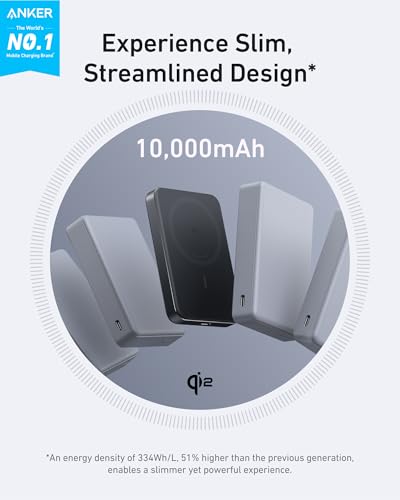
Wireless Power Banks
These have Qi wireless charging built in. You just set your phone on top and it starts charging. It's super convenient, though slightly slower than using a cable.
Solar Power Banks
Built with small solar panels, these can top up their charge using sunlight. They are popular with hikers and campers, though the solar input is usually quite slow and best treated as a backup trickle charger.
High-Capacity Laptop Power Banks
These are big, sometimes the size of a paperback book or larger, and pack 20,000 to 50,000 mAh. They can charge a laptop multiple times and often double as a multi-port charging hub.
Key Features to Look for When Buying One
Capacity, portability, and speed matter, but a few extras can really make a difference.
Battery Capacity Measured in mAh
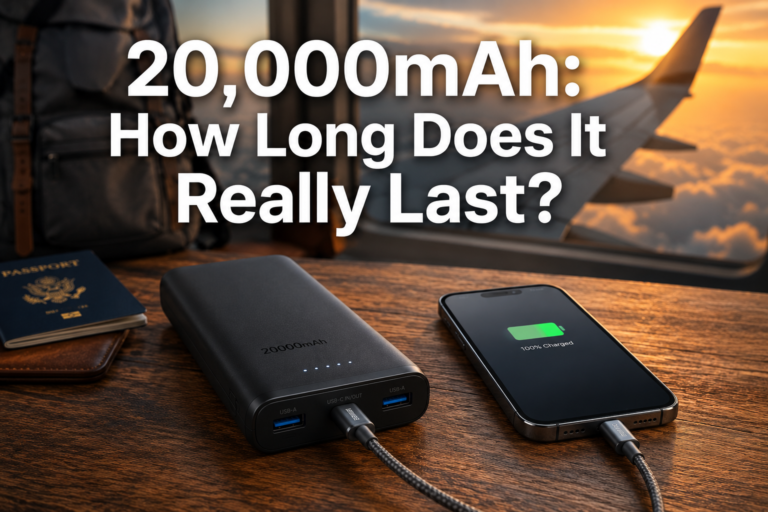
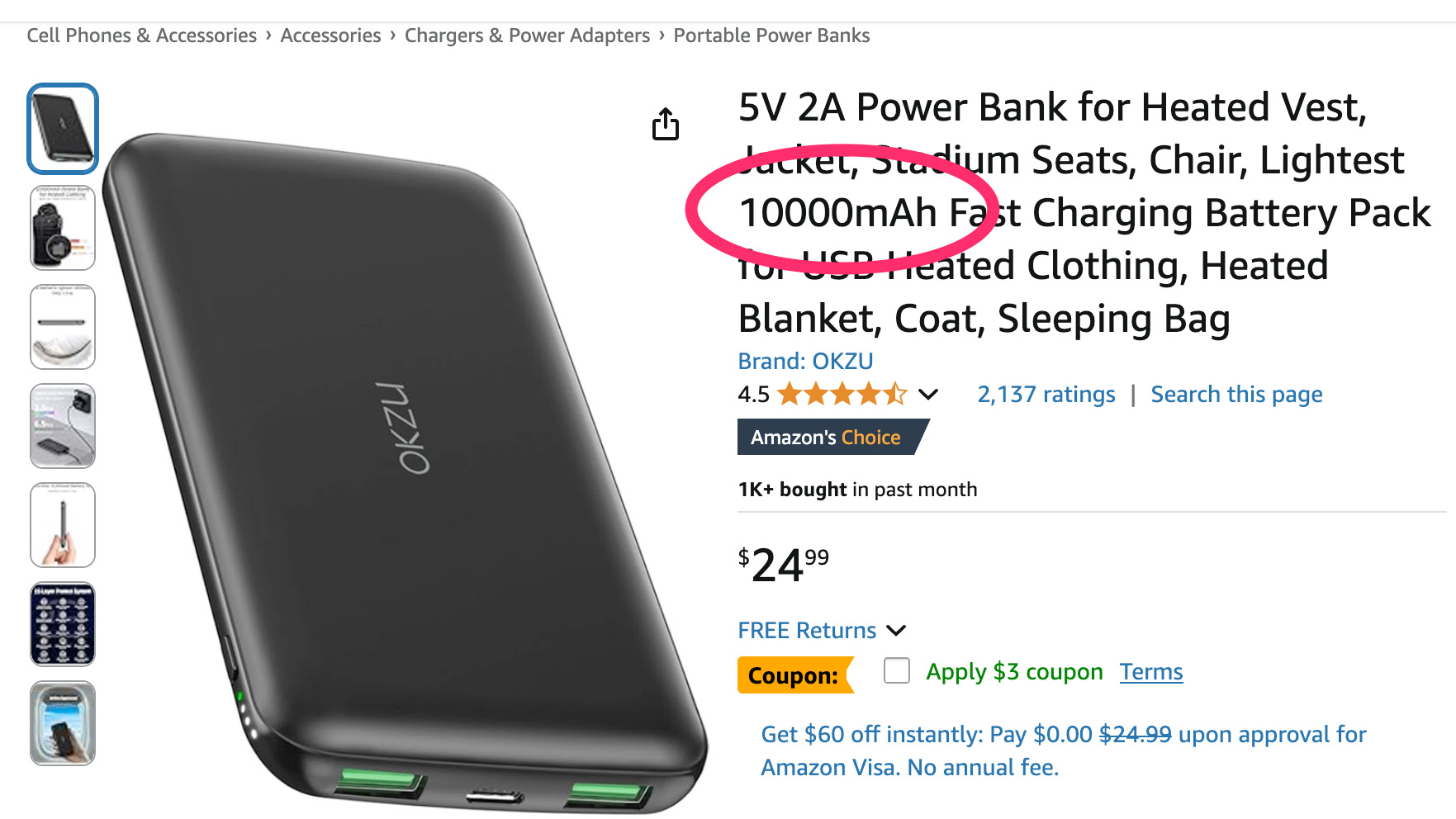
Capacity tells you how much energy the power bank can store. A 10,000 mAh unit can charge most phones two to three times. A 20,000 mAh unit is great for travel. Anything over 25,000 mAh is more of a backup for laptops or multi-day trips.
Charging Speed and Output Wattage
Look at the wattage, not just the amps. A 5W port charges slowly, while an 18W or 30W port can charge a phone to 50% in around 30 minutes. Some power banks even support 65W or 100W output for laptops.
Number and Type of Ports
More ports mean you can charge multiple devices at once. Having both USB-A and USB-C is ideal so you don't need extra adapters.
Pass-Through Charging
This lets you charge the power bank and your phone at the same time from a single wall outlet. It's a small feature but incredibly useful when you only have one free socket.
Safety Features
Good power banks include overcharge protection, short-circuit protection, temperature control, and surge protection. These keep both the power bank and your devices safe.
Size and Weight
A 5,000 mAh unit is light and pocket-friendly. A 30,000 mAh unit is closer to the weight of a small water bottle. Match the size to your lifestyle, not just the biggest number on the box.

Benefits of Using a Power Bank
The advantages go way beyond just convenience.
- You stay connected during travel, commutes, and outdoor adventures.
- You avoid the panic of a dying phone in the middle of a navigation route.
- You reduce your dependence on finding coffee shops or public charging stations.
- You can keep medical devices, like a portable CPAP, running during power cuts.
- You get a backup power source for work, especially if you rely on your phone for emails, mobile payments, or ride-share apps.
Limitations and Things to Watch Out For
Power banks are not perfect, and a little awareness goes a long way.
- They lose charge over time, even when not in use, so top them up every few weeks.
- They add weight to your bag, especially higher-capacity models.
- Cheap, no-name brands can be unsafe, sometimes using poor battery cells that degrade fast or pose a fire risk.
- They can't charge devices forever. Once the bank is empty, you need a wall outlet to refill it.
- They are not allowed in checked luggage on flights, only in carry-on bags, because of the lithium battery regulations.
A personal tip from experience: I once left a cheap power bank in a hot car during summer, and it swelled up like a tiny pillow. I learned that day never to buy no-brand batteries and always keep them out of direct heat.
How to Use a Power Bank the Right Way
Using a power bank is simple, but a few habits will help it last longer.
- Charge the power bank fully before your first use.
- Use a good quality cable, preferably the one that came with your phone.
- Unplug your device once it's full to avoid unnecessary drain.
- Store it in a cool, dry place when not in use.
- Recharge it at least once every two to three months if it's just sitting on a shelf.
A good power bank can last three to four years of regular use if you treat it kindly.
Common Myths About Power Banks
A few misconceptions tend to float around online.
- "Higher mAh always means better." Not really, because cheap cells can lie about capacity. Brand reputation and reviews matter more.
- "You should let it die completely before charging." That advice is for old nickel batteries. Lithium power banks do best with partial top-ups.
- "Wireless power banks are much slower." They are slower, but the convenience of just placing your phone down is worth it for many people.
- "Power banks damage phone batteries." A quality power bank with proper voltage regulation does not damage your phone battery.
Real-Life Situations Where a Power Bank Saves the Day
Sometimes you don't appreciate something until you really need it.
- Camping in a tent with no electricity for three days.
- A 14-hour flight with no seat-back screen and a dying tablet.
- A power outage in the middle of a storm, and you need to call your family.
- A music festival where your phone doubles as your ticket and your camera.
- A long Uber ride when you're a driver and your phone is your livelihood.

Power Bank vs. Other Portable Power Solutions
You might wonder how a power bank compares to other options.
A car charger works only when your car is on. A power bank works anywhere. A solar panel charger needs direct sun and patience. A wall outlet is reliable but not always available. A power bank is the sweet spot for most people, portable, ready to go, and independent of weather or location.
How to Choose the Right Capacity for Your Needs
A simple way to think about it:
- 5,000 mAh: One full phone charge. Great for a night out.
- 10,000 mAh: Two to three phone charges. Perfect for daily commuters.
- 20,000 mAh: Four to six phone charges. Best for travel and weekend trips.
- 30,000 mAh and above: Heavy-duty use, laptops, multi-day off-grid adventures.
Pick the smallest one that fits your routine. Bigger is not always better if you hate carrying extra weight.
Tips for Getting the Most Out of Your Power Bank
- Carry a short, high-quality cable. Long cables waste energy through resistance.
- Turn off the power bank when not in use to prevent slow battery drain.
- Don't leave it in your car on hot days.
- If your power bank has a built-in flashlight, use it. It has saved me during late-night walks more than once.
- Match the output wattage to your device for the fastest safe charge.
Frequently Asked Questions
Can a power bank charge a laptop
Yes, but only if it supports USB-C Power Delivery with at least 30W to 65W of output. Smaller power banks will not have enough power for a laptop.
How long does it take to charge a power bank
A 10,000 mAh unit usually takes 3 to 5 hours with a standard charger. Larger 20,000 mAh models can take 6 to 10 hours. Fast-charging input shortens this significantly.
Is it safe to leave a power bank charging overnight
With a reputable brand that has overcharge protection, yes. Cheap power banks without safety circuits can overheat, so it is best to stay near them while charging.
How many times can a power bank charge my phone
A 10,000 mAh power bank typically charges a smartphone two to three times. The exact number depends on your phone's battery size and efficiency losses during transfer.
Do power banks lose charge when not used
Yes, all lithium batteries slowly self-discharge. Most power banks lose about 5 to 10 percent of their charge per month when sitting idle.
Conclusion
A power bank is a small, portable battery that stores energy and releases it whenever your phone, tablet, earbuds, or laptop needs a boost. It keeps you connected, prepared, and stress-free during travel, outages, and long days away from an outlet. Choosing the right one comes down to capacity, ports, charging speed, and trusted safety features. Once you start carrying a power bank that fits your lifestyle, you'll wonder how you ever managed without one. If you found this guide helpful, feel free to share it with a friend who always runs out of battery, or drop a comment below with your own power bank stories.