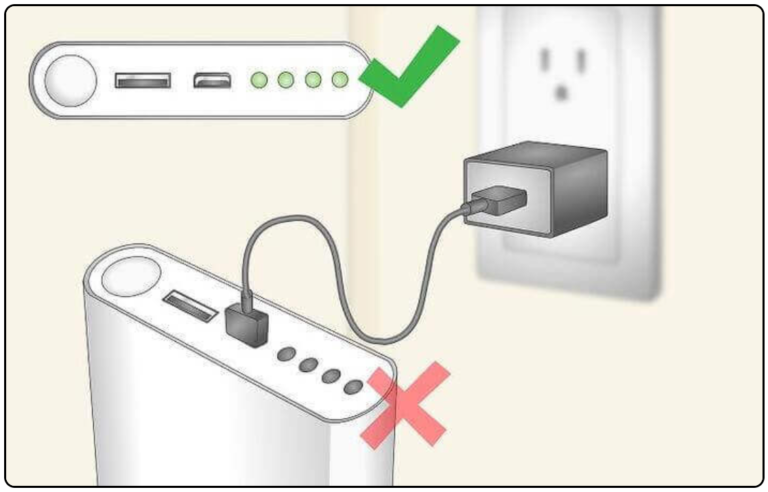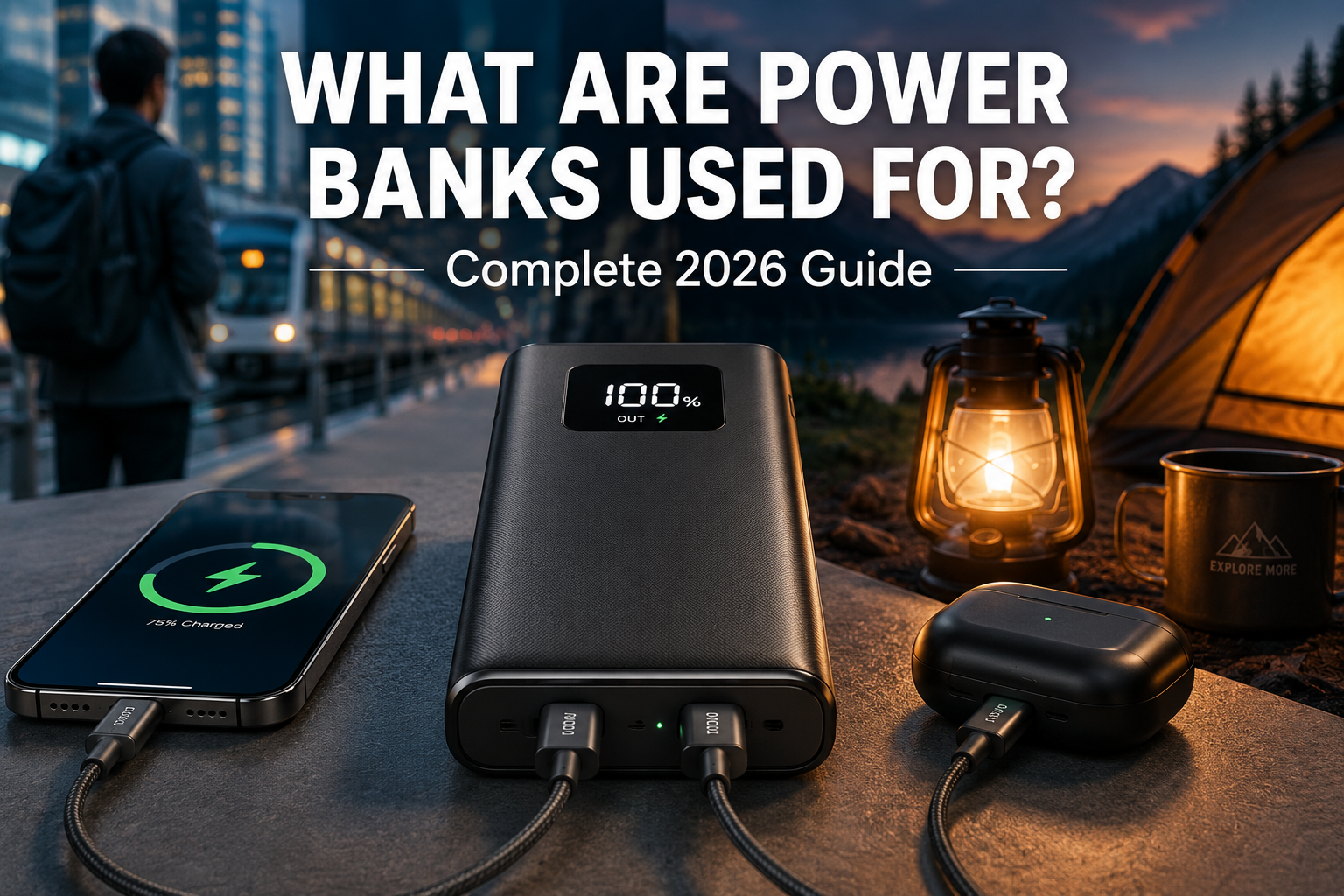
What Are Power Banks Used For: Complete 2026 Guide
Power banks are portable batteries designed to charge your electronic devices on the go, providing a reliable backup when wall outlets aren't available. From keeping your phone alive during a long commute to powering your camera during a weekend camping trip, these compact devices have become a must-have accessory in modern life. As someone who has tested dozens of power banks over the years, I can tell you they do far more than just top up your phone.
In this guide, I'll walk you through exactly what power banks are used for, the different types available, and how to pick the right one for your needs. Whether you're a frequent traveler, a student, or just someone who hates seeing a low battery warning, this article will help you understand why a good power bank is worth every penny.

What Is a Power Bank and How Does It Work
A power bank is essentially a portable battery pack that stores electrical energy and transfers it to your devices through a USB or USB-C connection. Inside the unit, one or more lithium-ion or lithium-polymer cells hold the charge. When you plug in your phone, tablet, or other gadget, the power bank converts its stored energy into the right voltage and current to safely charge your device.
Think of it like a small gas tank for your electronics. You fill it up at home, and then you carry that fuel with you wherever you go. Most modern power banks come with smart chips that detect the connected device and deliver the optimal charging speed, which helps prevent overheating or battery damage.
Key Components Inside a Power Bank
- Battery cells that store the energy
- A charging circuit that manages power flow
- USB or USB-C output ports
- An input port for recharging the power bank itself
- LED indicators or a small screen to show remaining battery
I've opened up a few power banks over the years, and the difference between a cheap one and a quality one is night and day. Premium brands use better battery cells and smarter safety features, which is why they last longer and charge your devices faster.
Common Uses of Power Banks
Power banks are incredibly versatile, and their usefulness goes well beyond just charging a phone. Here are the most common ways people use them every day.
Keeping Your Smartphone Alive
This is the number one reason most people buy a power bank. If you're constantly on your phone for navigation, music, or social media, your battery drains fast. A power bank lets you top up wherever you are, whether you're stuck in traffic or waiting at the airport.
I remember a road trip where my phone died right when I needed Google Maps. Luckily, I had a 20,000mAh power bank in my bag, and it saved me from getting completely lost in a rural area. That moment alone was worth the price of the device.
Charging Tablets and E-Readers
Tablets like the iPad or Samsung Galaxy Tab have much larger batteries than phones. A good power bank with a high enough output can charge these devices at full speed. E-readers like the Kindle also benefit, especially during long flights or beach vacations.
Powering Wireless Earbuds and Smartwatches
Small accessories like AirPods, Galaxy Buds, and Apple Watch all charge over USB or wireless pads. A power bank with a built-in wireless charging pad or a small USB output can keep all your everyday gear ready to go.
Running Cameras and GoPros
If you love content creation, you know how fast camera batteries die. Photographers and videographers often carry power banks to recharge their gear during long shoots. Some power banks even support camera-specific charging protocols.
Supporting Laptops on the Go
Modern USB-C power banks with Power Delivery (PD) can charge laptops like the MacBook Air, Dell XPS, or Lenovo ThinkPad. This is a lifesaver if you work remotely from cafes, trains, or coworking spaces. I personally use a 65W power bank to keep my laptop running during long flights, and it has saved me from missing deadlines more times than I can count.
Powering Camping and Outdoor Gear
Camping enthusiasts use power banks to charge headlamps, GPS devices, portable fans, and even small LED lanterns. Larger power banks with AC outlets can even run small appliances like mini coolers or electric blankets.

Different Types of Power Banks
Not all power banks are created equal. Understanding the types available will help you choose the right one for your lifestyle.
Standard Power Banks
These are the most common and affordable options. They typically have one or two USB ports and a capacity ranging from 5,000mAh to 20,000mAh. They're great for everyday phone charging and casual use.
High-Capacity Power Banks
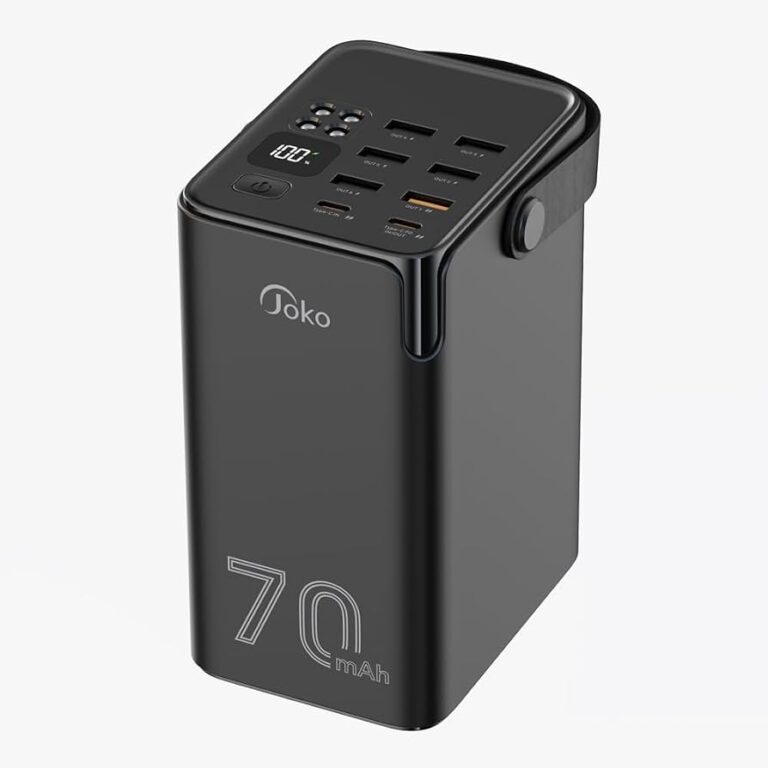
With capacities of 30,000mAh or more, these are designed for heavy users and travelers. They can charge a phone multiple times or even power a laptop. They tend to be larger and heavier, but the trade-off is worth it if you need serious backup power.
Solar Power Banks
These come with built-in solar panels that allow you to recharge the power bank using sunlight. They're popular with hikers and campers, though they charge slowly and work best as a backup rather than a primary charging method.
Wireless Power Banks
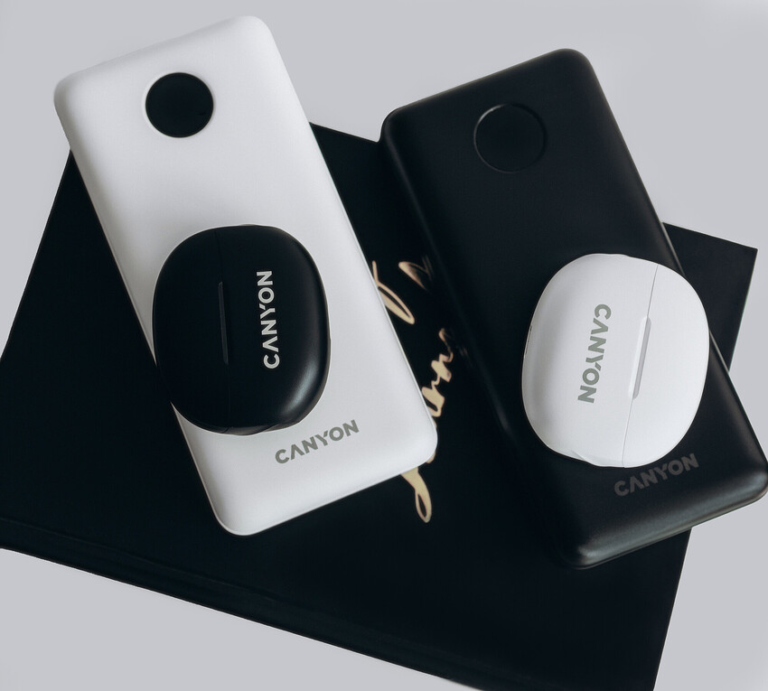
These support Qi wireless charging, so you can charge compatible phones and earbuds by simply placing them on top of the power bank. They're super convenient and reduce the need for extra cables.
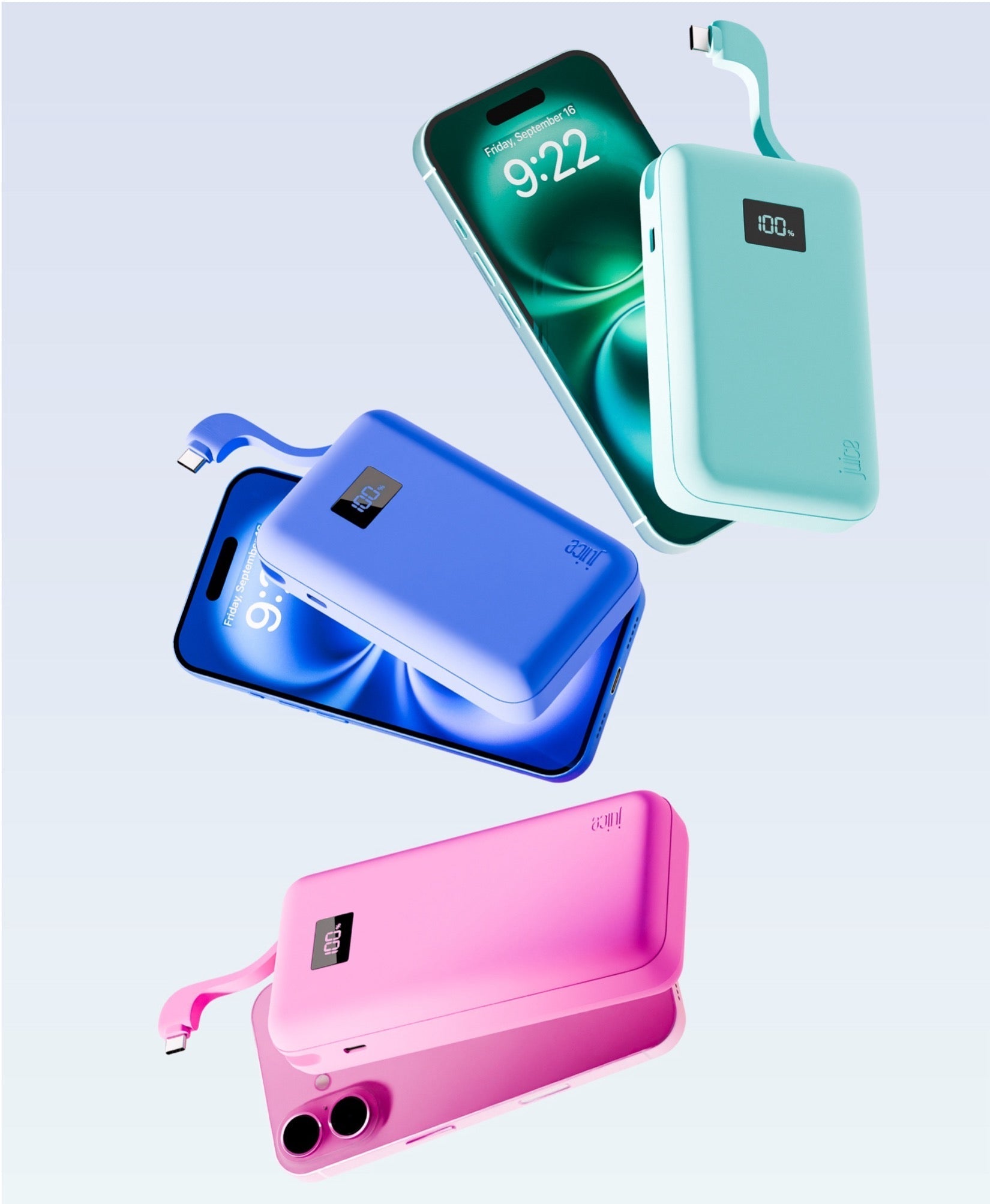
Power Banks with Built-In Cables
Some models have integrated charging cables (Lightning, USB-C, or Micro-USB) so you never have to worry about forgetting your cord. This is a small but incredibly handy feature.
Laptop Power Banks
These are high-output power banks (usually 45W to 100W) with USB-C PD support. They're specifically designed to charge laptops, tablets, and other high-powered devices. They're bulkier but extremely useful for professionals.

Benefits of Using a Power Bank
Power banks offer real, practical advantages that make them worth carrying around.
Portability and Convenience
A power bank fits easily in a backpack, purse, or even a large pocket. You can take it anywhere without needing a wall outlet, which is perfect for travelers, commuters, and outdoor enthusiasts.
Emergency Backup Power
Power outages happen. Having a charged power bank means you can still call for help, check maps, or stay in touch with family during emergencies. This is one of those things you don't appreciate until you really need it.
Saves Time and Hassle
Instead of hunting for a free outlet at the airport or coffee shop, you can charge your devices right from your bag. It saves time and avoids the awkwardness of sitting on the floor near a wall socket.
Multi-Device Charging
Many power banks come with multiple ports, so you can charge your phone, earbuds, and smartwatch all at the same time. Some even have enough power to share with a friend whose phone is dying.
Cost-Effective in the Long Run
Instead of buying a new phone because your battery degrades from constant deep discharges, using a power bank helps preserve your phone's battery health. It's a small investment that protects a much bigger one.

Limitations and Things to Watch Out For
As much as I love power banks, they do have some downsides worth knowing about.
Charging Speed Limitations
Cheaper power banks may not support fast charging, which means your device will charge slowly. Look for models with Power Delivery (PD) or Quick Charge (QC) support if speed matters to you.
Weight and Size
The higher the capacity, the heavier the power bank. A 30,000mAh model can weigh over a pound, which might not be ideal for minimalists or daily commuters.
Air Travel Restrictions
Most airlines limit power banks to 100Wh (watt-hours) in carry-on luggage. Larger power banks may not be allowed on planes, so always check the airline's rules before flying.
Battery Degradation Over Time
Like all lithium batteries, power banks lose capacity over time. A good one should last 2-3 years of regular use before you notice a significant drop in performance.
Safety Concerns with Cheap Brands
Low-quality power banks from no-name brands can overheat, swell, or even catch fire. Always buy from reputable brands and look for safety certifications like UL, CE, or FCC.
How to Choose the Right Power Bank for Your Needs
Picking the right power bank depends on how you plan to use it. Here are the key factors to consider.
Capacity (mAh)
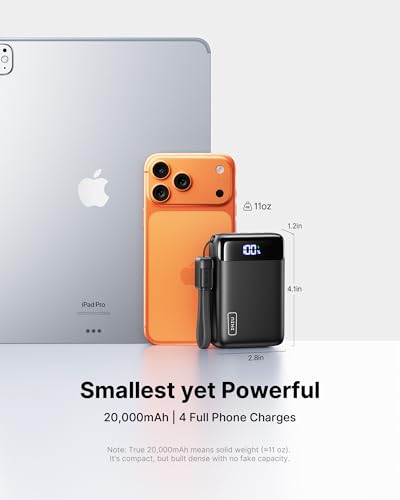
Think about what devices you want to charge and how many times. A 10,000mAh power bank can charge a typical smartphone 2-3 times. If you need laptop charging or multiple device top-ups, go for 20,000mAh or more.
Output Ports and Wattage
Check the number of ports and the maximum output. If you want to charge a laptop, look for a USB-C PD port with at least 45W output. For phones, 18W is usually enough for fast charging.
Size and Weight
If portability is a priority, a slim 5,000mAh or 10,000mAh model is best. For travel or outdoor adventures, a bigger one is worth the extra weight.
Build Quality and Safety Features
Look for overcharge protection, short circuit protection, and temperature control. A good power bank should feel solid and well-made, not flimsy or plastic-y.
Brand Reputation
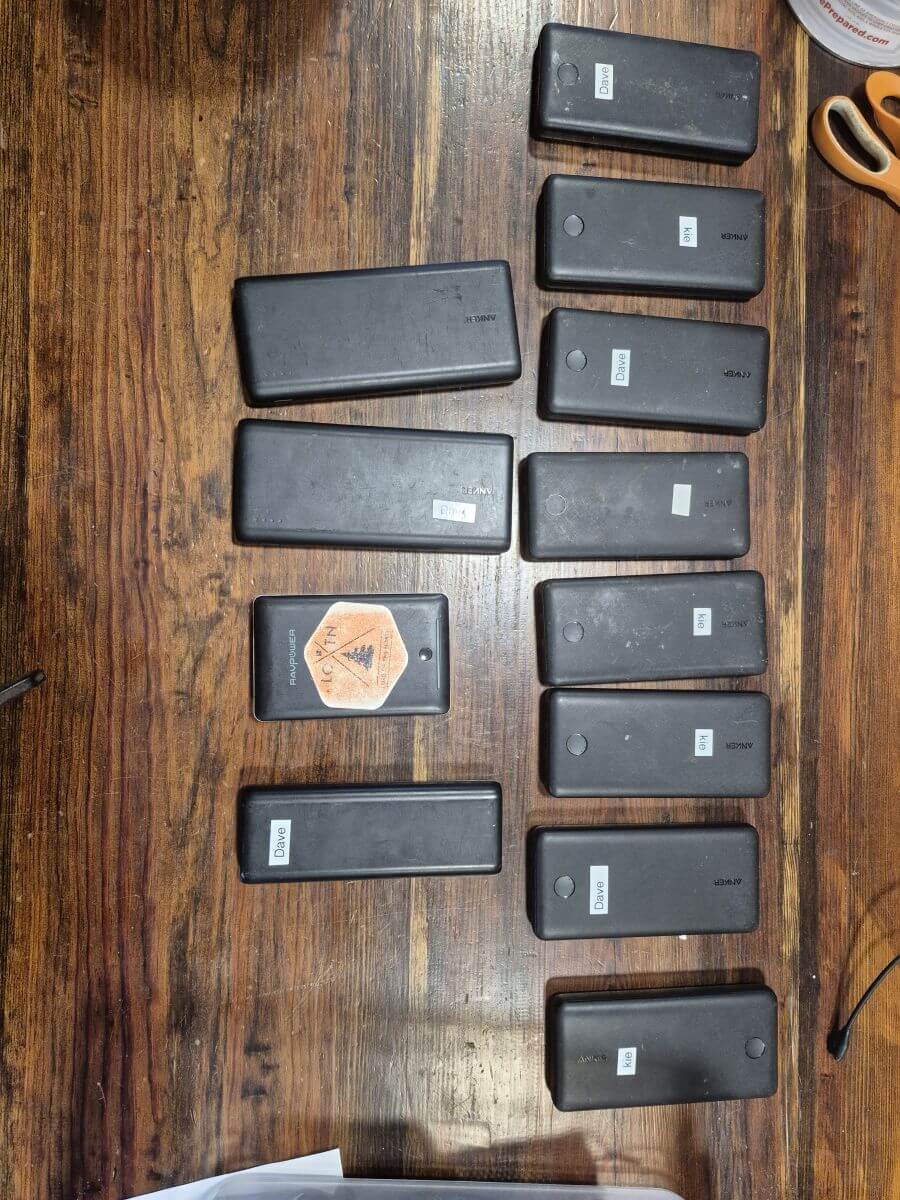
Stick with trusted brands like Anker, RAVPower, Aukey, Belkin, or Mophie. I've personally had great experiences with Anker, and their customer support is excellent if anything goes wrong.

Tips for Getting the Most Out of Your Power Bank
After years of using power banks daily, here are some practical tips I've learned along the way.
- Charge your power bank fully before any trip
- Avoid letting it drop to 0% regularly, as this shortens battery life
- Use the right cable for the best charging speed
- Keep it away from extreme heat or cold
- Store it at around 50% charge if you won't use it for a while
- Clean the ports occasionally to prevent dust buildup
One mistake I made early on was buying the cheapest power bank I could find. It worked for a few months, then it started swelling and smelling weird. I threw it out immediately. Lesson learned: don't cheap out on something that stores that much energy.

Frequently Asked Questions
What are power banks used for the most?
Power banks are most commonly used to charge smartphones when you're away from a wall outlet. They're also widely used for tablets, wireless earbuds, smartwatches, cameras, and even laptops with USB-C PD support.
Can a power bank charge a laptop?
Yes, but only if it has a USB-C Power Delivery (PD) port with at least 45W output. Standard power banks aren't powerful enough to charge laptops, so always check the wattage before assuming compatibility.
How long does a power bank last?
A good quality power bank typically lasts 2-3 years with regular use before its capacity starts to decline noticeably. Higher-end models with premium battery cells can last even longer with proper care.
Are power banks allowed on airplanes?
Yes, but most airlines require power banks to be in carry-on luggage and under 100Wh (watt-hours). Some airlines allow up to 160Wh with airline approval, but anything larger is usually prohibited.
Is it safe to use a power bank every day?
Yes, using a power bank daily is perfectly safe as long as you use a quality product from a reputable brand. Avoid overcharging your devices and keep the power bank away from heat to ensure long-term safety.

Final Thoughts
Power banks are one of those everyday gadgets that quietly make life easier. From keeping your phone alive during a long day to powering your laptop on a red-eye flight, they offer freedom from wall outlets and peace of mind during emergencies. The key is choosing the right capacity, output, and brand for your specific needs.
If you're new to power banks, start with a reliable 10,000mAh model from a trusted brand. It's enough to get you through most situations without weighing you down. As you figure out your usage patterns, you can always upgrade to a higher-capacity or faster-charging model later.
Take a look at your daily routine and think about the moments when your battery has caused stress. That's exactly where a power bank steps in. Pick one up, keep it charged, and you'll wonder how you ever lived without one. If you have any questions or want recommendations based on your specific devices, feel free to leave a comment below.