Qi Charger vs MagSafe: Which Is Better?

Is MagSafe Good?
Yes, MagSafe is a strong choice for compatible iPhone users. Its biggest trick is also its simplest one: magnets help the phone land in the right place. That small detail matters. With a flat Qi pad, I often had to nudge the phone until the charging symbol appeared. A magnetic charger feels more like placing a key on a hook. It finds its spot.
For a US iPhone user who charges at a desk, beside the bed, or in the car, that easy alignment can save small bits of effort all day. MagSafe also works well with magnetic accessories, stands, and mounts. The tradeoff is compatibility. MagSafe is most useful inside the Apple ecosystem, while ordinary Qi charging reaches a much wider range of phones and devices.
What Makes It Stand Out / Key Features
- Magnetic AlignmentBuilt in magnets help place a compatible iPhone in the correct charging position.
- Easy AttachmentThe charger can attach to a compatible magnetic phone or case instead of simply resting below it.
- Fast Charging SupportCompatible Apple devices and chargers can support faster wireless charging than basic Qi setups.
- Accessory SupportThe magnetic system works with stands, wallets, mounts, and other compatible accessories.
- Clean Desk SetupA magnetic charger can keep the phone in a set position while reducing cable clutter.
- Apple Ecosystem FitMagSafe makes the most sense for people who already use compatible Apple devices and accessories.
My Recommendation
Choose MagSafe if you use a compatible iPhone and want easy alignment, magnetic mounting, and a clean daily setup. It is less compelling if you often charge many different phone brands.
| Best For | Why |
|---|---|
| Compatible iPhone owners | Magnetic alignment makes daily charging simple. |
| Desk users | The phone can stay in a stable position while charging. |
| Magnetic accessory users | MagSafe works naturally with compatible mounts and stands. |
Is a Qi Charger Good?
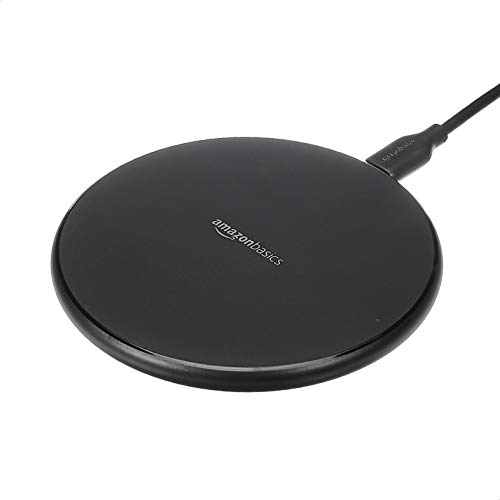
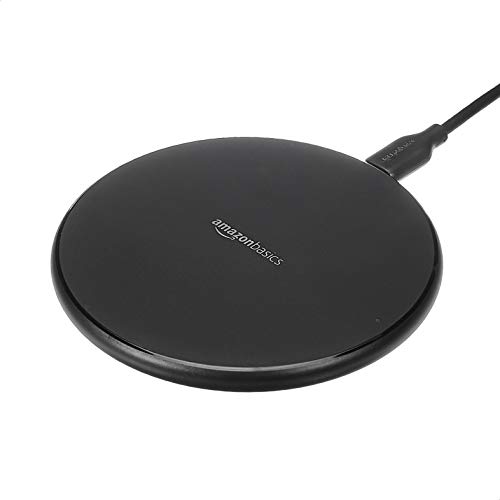
Yes, and the answer is even stronger if you own several brands of devices. Qi is the broader wireless charging standard. It is like a common language for wireless power. A Qi charger can work with many compatible phones, earbuds, and other devices, depending on their charging support.
In a typical US home, that flexibility can be useful. One person may have an iPhone while another has a Samsung phone. A Qi pad can make one charger useful for both. The main downside is alignment. Unless the charger also uses a magnetic system, the phone can move off the charging area. I noticed this most when placing a phone down in a hurry at night.
What Makes It Stand Out / Key Features
- Broad CompatibilityQi supports many compatible phones and accessories from different brands.
- Simple ChargingPlace a compatible device on the charging surface and power starts without plugging into the phone.
- No Magnetic RequirementA phone does not need built in magnets to use a standard Qi charger.
- Multiple Device OptionsQi charging appears in phones, earbuds cases, watches, and other consumer devices.
- Easy ReplacementThere are many Qi compatible charging pads, stands, and docks at different price levels.
- Useful for Mixed HomesA Qi charger can be a practical choice when household members use different phone brands.
My Recommendation
Choose Qi if broad device support matters more than magnetic attachment. It is a practical pick for homes with different phone brands or for anyone who wants a simple wireless charging pad.
| Best For | Why |
|---|---|
| Mixed-device homes | One Qi charger can support compatible products from different brands. |
| Budget shoppers | Basic Qi chargers are widely available at many price points. |
| Simple wireless charging | No magnetic system is required. |
qi charger vs magsafe: Side-by-Side Test
The best way to understand qi charger vs magsafe is to compare the parts that matter during real use. Speed matters, but so do fit, compatibility, heat, and ease of use.
One important detail can prevent confusion: MagSafe and Qi are not exactly the same type of thing. Qi is a wireless charging standard. MagSafe is Apple’s magnetic charging and accessory system. Newer magnetic charging systems also build on the Qi2 standard.
Charging Speed: Which Is Faster?
Speed depends on the phone, charger, power adapter, and charging standard. The label alone does not tell the whole story.
| Feature | Product 1 | Product 2 |
|---|---|---|
| Typical basic wireless setup | Varies by device and charger | Varies by compatible Apple device and charger |
| Higher-speed wireless options | Available with suitable Qi or Qi2 hardware | Available on supported MagSafe devices and chargers |
| Main speed factor | Phone and charger power profile | Phone, MagSafe charger, and power adapter |
⭐ Qi Charger – 8/10 | MagSafe – 9/10
MagSafe has the edge for compatible iPhone users, but the actual speed depends on the complete charging setup.
Alignment: Which Is Easier?
This is where the qi charger vs magsafe difference becomes obvious in daily use.
| Feature | Product 1 | Product 2 |
|---|---|---|
| Automatic alignment | Not on a basic flat Qi pad | Yes, with compatible magnetic hardware |
| Phone stays attached | Usually no | Yes, when magnetic attachment is supported |
| Nightstand use | Simple but position matters | Very convenient |
⭐ Qi Charger – 7/10 | MagSafe – 10/10
MagSafe wins on alignment because the magnets act like a small guide rail for the phone.
Compatibility: Which Works With More Devices?
Compatibility is the main reason many people still choose Qi.
| Feature | Product 1 | Product 2 |
|---|---|---|
| iPhone support | Many Qi compatible iPhones | Designed around compatible Apple devices |
| Android support | Many compatible Android phones | More limited as a native magnetic ecosystem |
| Mixed-device homes | Excellent fit | Less flexible |
| Earbuds and accessories | Many Qi compatible products | Strong accessory ecosystem, mainly around Apple products |
⭐ Qi Charger – 10/10 | MagSafe – 8/10
Qi has the edge when you need one charging method for many brands and device types.
Ease of Daily Use
A charger can be fast and still feel annoying if the phone does not sit correctly.
| Feature | Product 1 | Product 2 |
|---|---|---|
| Place and charge | Yes | Yes |
| Easy alignment | Depends on pad design | Magnetic alignment helps |
| Use while attached | Usually awkward | More practical |
⭐ Qi Charger – 8/10 | MagSafe – 10/10
MagSafe feels more effortless when you often pick up and return your phone.
Heat and Charging Efficiency
Wireless charging can create heat. Good alignment can help, but every setup behaves differently.
| Feature | Product 1 | Product 2 |
|---|---|---|
| Heat during charging | Can vary with alignment and power | Can vary with alignment, power, case, and environment |
| Alignment control | User dependent on basic pads | Magnetic alignment helps |
| Best practice | Keep the phone centered | Use a compatible charger and avoid excess heat |
⭐ Qi Charger – 8/10 | MagSafe – 9/10
Neither system is heat free, but magnetic alignment can make placement more consistent.
Cost: Which Is Easier on the Wallet?
Price varies widely, but basic Qi charging usually gives shoppers more low-cost choices.
| Feature | Product 1 | Product 2 |
|---|---|---|
| Entry-level options | Many | Fewer at the same basic feature level |
| Premium options | Widely available | Widely available |
| Accessory ecosystem | Broad | Strong magnetic ecosystem |
⭐ Qi Charger – 9/10 | MagSafe – 8/10
Qi usually offers more choice for shoppers who want to spend less.
Accessories and Mounts
If you want your phone to act like a small dashboard screen, magnetic charging becomes more useful.
| Feature | Product 1 | Product 2 |
|---|---|---|
| Magnetic mounts | Requires suitable magnetic hardware | Core strength of the ecosystem |
| Desk stands | Many options | Many magnetic options |
| Phone position | Depends on stand | Magnetic attachment can hold position |
⭐ Qi Charger – 7/10 | MagSafe – 10/10
MagSafe has the clear edge for magnetic mounts, stands, and hands-free phone use.
Final Verdict: Which Should You Buy?
The qi charger vs magsafe choice comes down to what you value most. Choose MagSafe if you use a compatible iPhone and want fast alignment, magnetic attachment, and easy use with stands and mounts. Choose Qi if you want wider device support, more budget choices, or a charger that can serve a mixed-device home.
For a dedicated iPhone setup, MagSafe is the more convenient option. For broad compatibility, Qi remains the practical choice. If you want the middle ground, look at Qi2 chargers with magnetic alignment, since they can combine wider wireless charging support with the convenience of magnets.