USB A vs USB C Charger: Which Is Better?


Is USB C Charger Good?
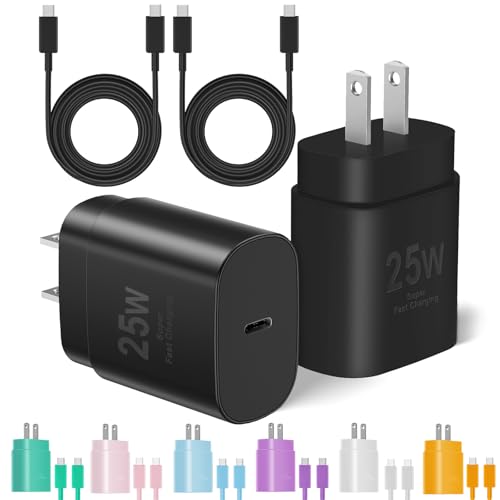
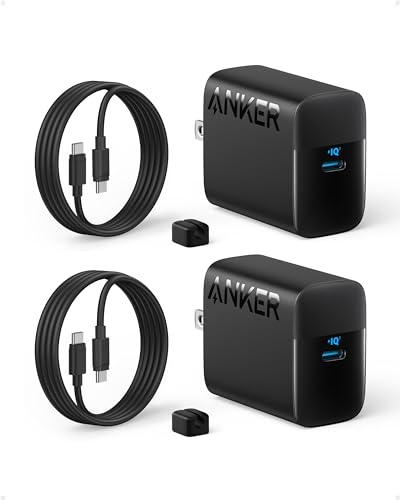
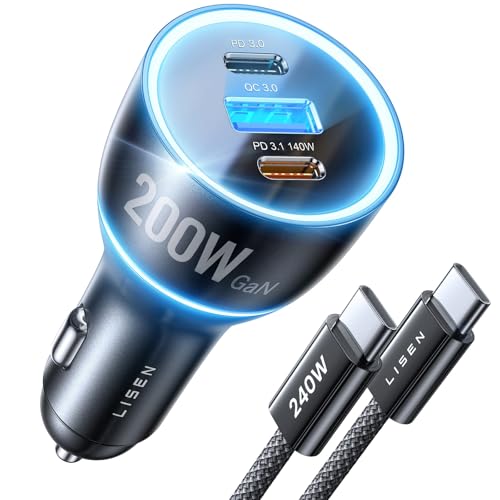
Yes. A USB C charger is a strong choice for most people buying a new charger today. USB C can support much more power than basic USB A setups, depending on the charger, cable, and device. That matters when you need to charge a phone quickly or power a tablet or laptop. I also like the small, reversible USB C plug. I do not need to check which side faces up before plugging it in.
In my daily routine, USB C felt like the charger I wanted beside my desk. One cable could handle several newer devices. On a busy morning in the US, that simple setup can save time. Still, USB C does not guarantee fast charging by itself. The device, charger, cable, and charging standard must all support the needed power.
What Makes It Stand Out / Key Features
- Reversible connectorThe USB C plug works in either orientation, so it is easier to connect in the dark or in a hurry.
- High power potentialUSB C Power Delivery can support much higher power levels than many older USB A charging setups.
- Fast charging supportCompatible USB C chargers can provide fast charging when the device and cable support the same charging system.
- New device supportUSB C is common on modern phones, tablets, laptops, headphones, game accessories, and other electronics.
- One cable approachA USB C cable can work with many modern devices, which can reduce the number of cables on a desk or in a travel bag.
- Power Delivery supportUSB Power Delivery lets compatible devices and chargers negotiate a suitable power level instead of using one fixed level.
My Recommendation
Consider USB C if you own newer devices, want fast charging, or want one charger that can handle several types of gear. Check the wattage and charging standard before buying.
| Best For | Why |
|---|---|
| New phone owners | Strong support for modern fast charging systems. |
| Tablet and laptop users | Higher power options can support larger devices. |
| Frequent travelers | One USB C charger can cover several newer devices. |
Is USB A Charger Good?
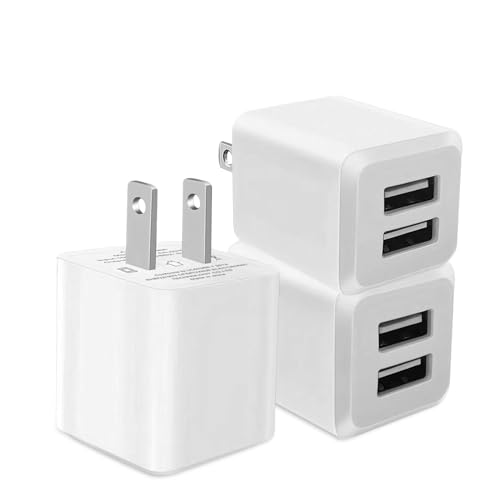
It depends. USB A remains useful when your devices use older USB A cables or when you already have a drawer full of them. It is simple, familiar, and easy to find. I have used USB A chargers for years with older phones, power banks, speakers, keyboards, and other small devices.
During travel, USB A can also be handy when an older cable is the only cable I have with me. But in the usb a vs usb c charger comparison, USB A has a clear limit. Its power and feature range depends heavily on the exact port and charging technology. It can charge many devices well, but it is less suited to a home built around newer high power devices.
What Makes It Stand Out / Key Features
- Familiar connectorUSB A has been common for years, so many users already own compatible cables.
- Broad legacy supportMany older phones, accessories, power banks, keyboards, mice, and other devices use USB A cables.
- Simple setupA USB A charger is easy to understand and works well for basic charging needs.
- Common accessoriesUSB A cables and adapters remain easy to find in homes, offices, cars, and travel bags.
- Useful for older gearUSB A can keep older electronics useful without replacing all their cables.
- Multiple USB standardsUSB A ports can support different USB speeds and charging levels, so the exact charger specifications matter.
My Recommendation
Consider USB A if your current devices use USB A cables or you want to keep older accessories in service. It is a practical choice when you do not need high power.
| Best For | Why |
|---|---|
| Older devices | Many older accessories still use USB A cables. |
| Existing cable owners | You can keep using the cables you already have. |
| Basic charging | It works well when high charging power is not needed. |
usb a vs usb c charger: Side-by-Side Test
The usb a vs usb c charger choice is not just about the shape of the plug. The real differences include power, charging speed, cable design, device support, and future use.
I look at the two types as tools for different jobs. USB A is the old reliable key that still opens many doors. USB C is the newer key that opens more modern ones and can handle more power.
Charging Speed
Charging speed depends on the full charging system, but USB C gives modern devices more room to use fast charging.
| Feature | Product 1 | Product 2 |
|---|---|---|
| Fast charging support | Excellent with compatible hardware | Good, but varies by USB A standard |
| Power Delivery | Widely supported | Less common in typical USB A chargers |
| High power devices | Strong fit | Usually less suitable |
⭐ USB C – 9/10 | USB A – 7/10
USB C has the edge for modern fast charging.
Device Compatibility
Both can charge many devices, but their strengths sit in different generations of electronics.
| Feature | Product 1 | Product 2 |
|---|---|---|
| Modern phones | Excellent | Often needs a USB A to USB C cable |
| Older accessories | May need a different cable | Excellent |
| Laptops | Strong support on compatible models | Limited for high power charging |
⭐ USB C – 9/10 | USB A – 8/10
USB C fits modern devices better, while USB A remains useful for older gear.
Ease of Use
The plug design matters more than it first seems when you connect a charger several times each day.
| Feature | Product 1 | Product 2 |
|---|---|---|
| Plug orientation | Reversible | One orientation |
| Cable setup | Simple for newer devices | Simple for legacy devices |
| Daily convenience | Very high | Good |
⭐ USB C – 9/10 | USB A – 7/10
USB C feels easier to use during rushed mornings and late nights.
Power Capability
The usb a vs usb c charger gap becomes clearer when you move from small accessories to larger devices.
| Feature | Product 1 | Product 2 |
|---|---|---|
| Typical modern use | Phones, tablets, laptops, accessories | Phones and smaller accessories |
| USB Power Delivery | Strong ecosystem | Less typical |
| High power charging | Much better suited | More limited |
⭐ USB C – 10/10 | USB A – 6/10
USB C has the clear edge for high power charging.
Cable Convenience
A charger is only useful when its cable matches the device, so connector design has a real impact.
| Feature | Product 1 | Product 2 |
|---|---|---|
| Connector design | Reversible USB C | USB A plug |
| Modern cable use | Excellent | Often needs an adapter or USB A to USB C cable |
| Legacy cable use | Less useful without an adapter | Excellent |
⭐ USB C – 9/10 | USB A – 7/10
USB C makes a cleaner setup for new devices.
Travel Use
For travel, I care about fewer cables, useful power, and easy connections.
| Feature | Product 1 | Product 2 |
|---|---|---|
| Modern device coverage | Excellent | Good |
| Older accessories | May need extra cable | Very useful |
| One charger strategy | Strong choice | Better for mixed older gear |
⭐ USB C – 9/10 | USB A – 8/10
USB C is the better travel base for a modern device kit.
Long-Term Value
A charger should fit the devices you expect to use over the next few years, not just the device in your hand today.
| Feature | Product 1 | Product 2 |
|---|---|---|
| New device support | Excellent | Fair to good |
| Legacy support | Good with the right cable | Excellent |
| Future flexibility | Very strong | More limited |
⭐ USB C – 10/10 | USB A – 7/10
USB C offers more flexibility as new devices move toward the connector.
Final Verdict: Which Should You Buy?
In the usb a vs usb c charger debate, USB C is the better fit for most people buying a new charger. It offers a reversible plug, strong power options, fast charging support, and broad support across modern devices.
USB A still makes sense if your home has many older cables and accessories. It can save money and reduce waste when your current gear already works well. If you use newer phones, tablets, or laptops, I would build around USB C. If your gear is older, USB A remains a useful tool.