Power Bank Charger How To Charge: Easy Steps 2026
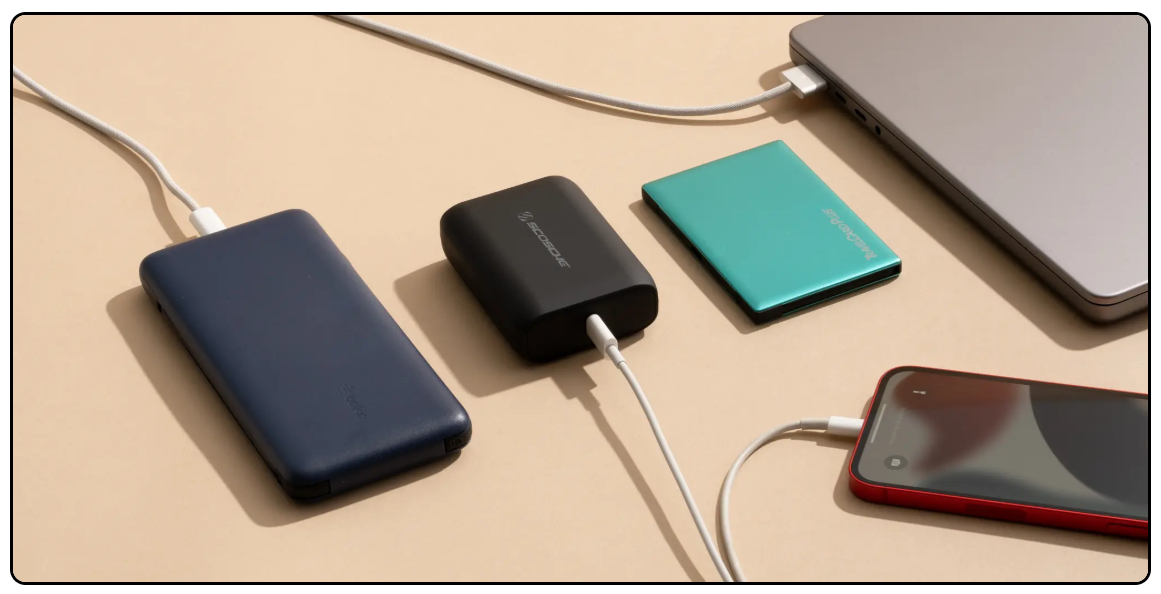
Plug your power bank into a wall charger until LEDs show full.
Want the full scoop on power bank charger how to charge? I’ve tested dozens of models, from slim 5,000 mAh packs to 100 W beasts. In this guide, I’ll show you how to charge a power bank the right way, explain charge times, fix common issues, and keep your battery healthy for years. If you’ve ever searched for power bank charger how to charge, this is your clear, expert walkthrough.

What a power bank is and how it works
A power bank stores energy in lithium cells. Most use Li-ion or LiPo cells. They hold power, then release it to your phone, tablet, or laptop.
Inside, a small chip manages safety. It controls input, output, and heat. It also drives the LEDs that show charge level.
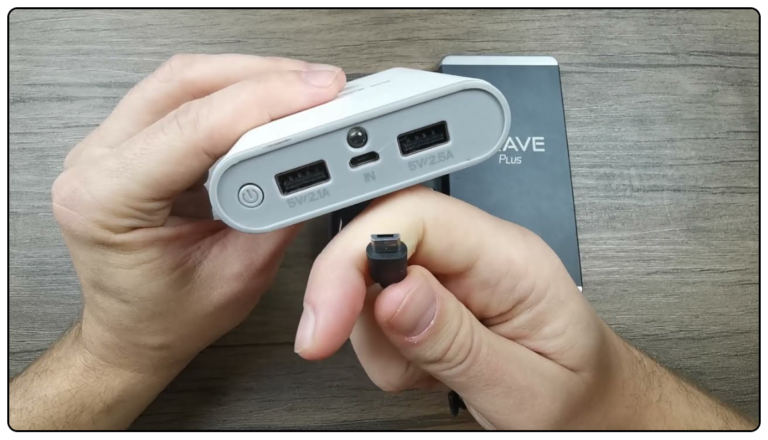
You will see input ports and output ports. Input is how you charge the bank. Output is how you charge your devices. This matters for power bank charger how to charge because input speed and cable type decide how fast it fills.
Step-by-step: power bank charger how to charge
Follow these steps to charge a power bank the safe and fast way.
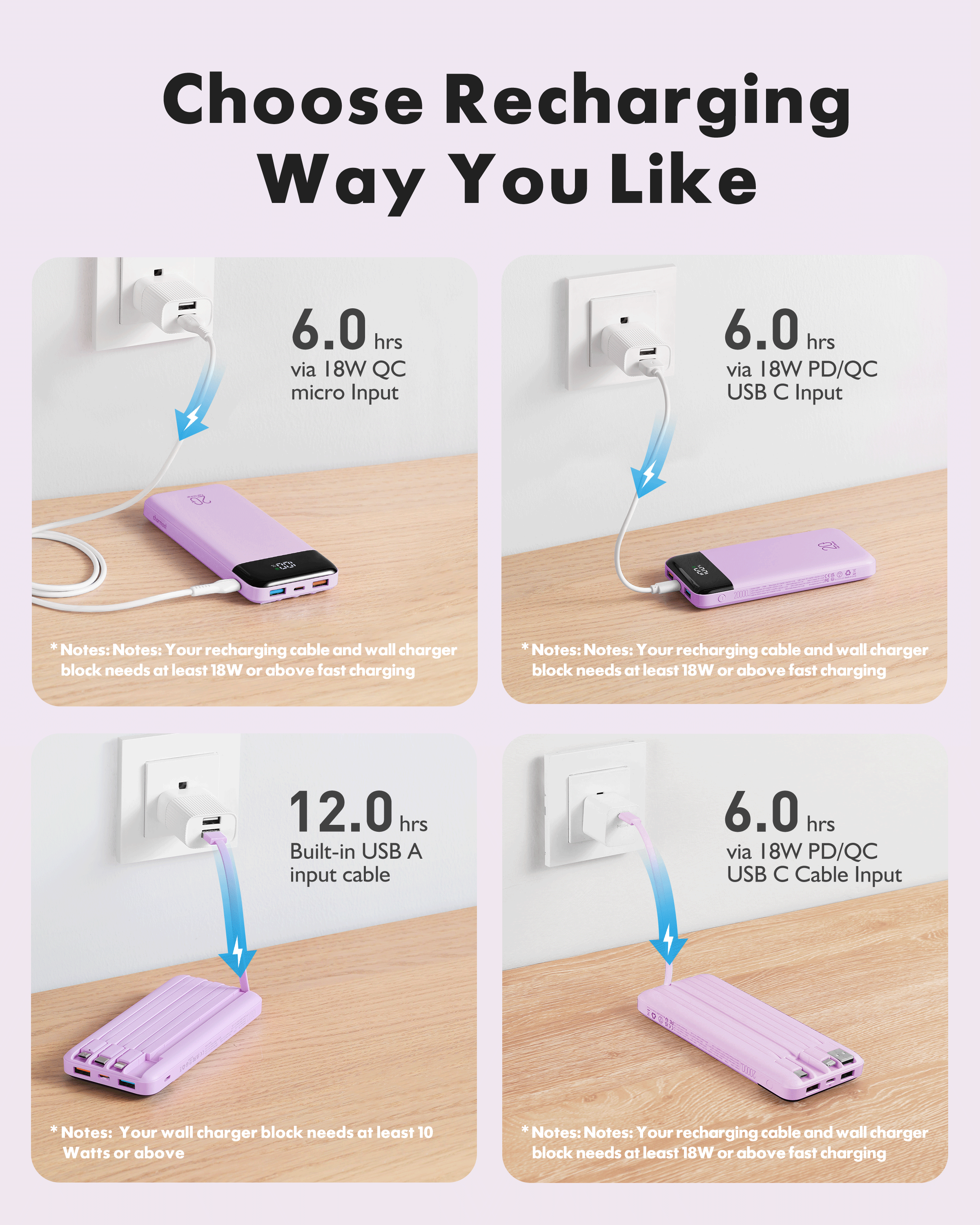
- Pick the right charger. Use a wall charger with the same or higher input rating than the bank supports. A 20 W USB-C charger is a great baseline.
- Use a good cable. Short, thick USB-C or USB-A to USB-C cables work best. Avoid worn or loose cables.
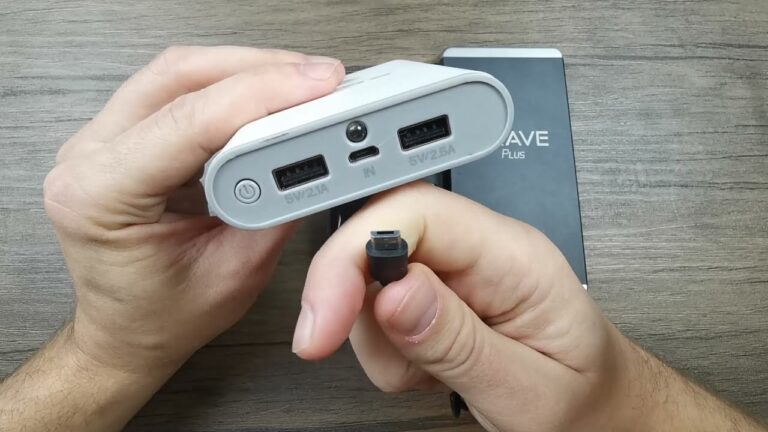
- Find the input port. Many banks use USB-C for input. Some older ones use Micro-USB or Lightning.
- Plug in and check LEDs. Most banks blink while charging and turn solid when full. Some show a screen with a percent.
- Let it reach full or near full. Stopping at 80 to 90 percent can extend life if you do not need 100 percent.
- Unplug when done. The bank will stop drawing power on its own, but unplug to avoid idle heat.
Personal tip: I charge my daily 10,000 mAh bank with a 30 W USB-C charger. It finishes much faster than with an old 5 V, 1 A cube. For anyone asking power bank charger how to charge in the fastest way, start with a better wall charger and a solid cable.
Know your ports and fast-charge standards
Ports and standards can be confusing. Here is a plain guide.
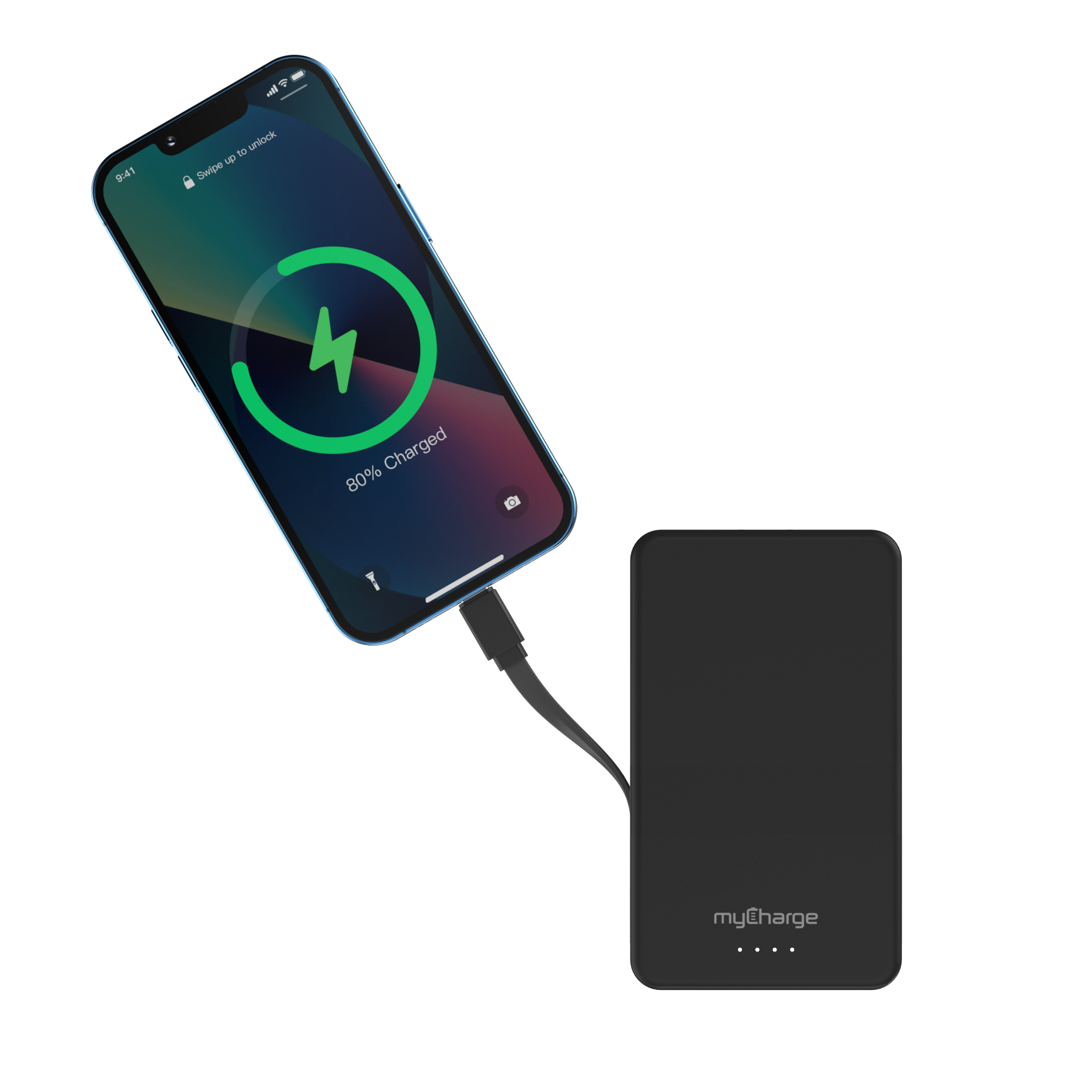
- USB-C input and output. New banks use USB-C for both. Many support Power Delivery, also called PD.
- USB-A output. Still common for phones and gadgets. Often supports Quick Charge or other fast modes.
- Micro-USB input. Found on older banks. Slower, often limited to 10 W or less.
- Fast-charge standards. USB Power Delivery (PD) is the most universal. Quick Charge (QC) is common on older Android phones. Many banks auto-detect what your device needs.
Look for input specs on the label. It may say 5 V 3 A, 9 V 2 A, or 20 W PD. That is your ceiling for how fast the bank can charge. If your charger is weaker than that, the bank will still charge but slower. For power bank charger how to charge without guesswork, match a PD wall charger to a PD-capable bank.

How long it takes to charge a power bank
Charge time depends on capacity, input power, and efficiency.
Simple rule of thumb:
- Convert capacity to watt-hours. mAh × 3.7 V ÷ 1000 = Wh.
- Time in hours ≈ (Wh ÷ charger watts) ÷ 0.85. The 0.85 factor covers losses.
Examples:
- 10,000 mAh bank: 10,000 × 3.7 ÷ 1000 ≈ 37 Wh. With a 20 W charger: 37 ÷ 20 ÷ 0.85 ≈ 2.2 hours.
- 20,000 mAh bank: about 74 Wh. With a 20 W charger: 74 ÷ 20 ÷ 0.85 ≈ 4.4 hours. With a 30 W charger: about 2.9 hours.
Real life varies with heat and cell health. If you want the fastest power bank charger how to charge results, use USB-C PD input at 18 to 30 W, keep the bank cool, and avoid cheap cables.

Best practices for battery health and safety
Want your bank to last longer and stay safe? Do this.
- Keep it cool. Charge on a hard surface. Avoid pillows and hot cars.
- Use the 20 to 80 rule. Deep cycles wear cells more. Topping up is fine.
- Store at about 50 percent if not used for months. Check it every 90 days.
- Use certified chargers and cables. Look for safety marks. Avoid damaged plugs.
- Do not charge and discharge at the same time unless the maker says pass-through is safe.
- Stop if it swells, smells, or gets very hot. Recycle it. Do not use it again.
From my field tests, heat is the number one killer. When readers ask about power bank charger how to charge without harming the battery, the answer is simple: keep it cool and avoid 0 to 100 percent swings every day.
Troubleshooting: power bank charger how to charge problems
If your bank will not charge, try these quick fixes.
- No LEDs or no response. Use a known good wall charger and cable. Try another outlet. Hold the power button for a few seconds if your model needs it.
- Very slow charging. Switch to a higher watt PD charger and a better cable. Plug into the USB-C input if the bank supports it.
- LEDs stuck at one bar. Let it drain to 10 to 20 percent, then recharge with a stronger charger. This can reset the gauge.
- Bank stops at 90 to 95 percent. Many chips slow down near full to protect cells. This is normal.
- Heats up while charging. Move it to a cooler place. If heat is strong or sudden, unplug at once.
These steps solve most power bank charger how to charge issues I see in support inboxes.
Travel rules and smart storage
Power banks are allowed in carry-on bags in most places. They are not allowed in checked bags. Airlines limit size by watt-hours.
Quick guide:
- Under 100 Wh: usually allowed without approval. A 10,000 mAh bank is about 37 Wh.
- 100 to 160 Wh: may need airline approval.
- Over 160 Wh: usually not allowed on planes.
Write the Wh on the label. Most banks show it. If not, do the simple math shown earlier. For long trips, plan how you will do power bank charger how to charge at hotels or airports. Use a compact PD wall charger with foldable prongs for easy packing.

Frequently Asked Questions of power bank charger how to charge
Can I use my phone charger to charge a power bank?
Yes, if the connector fits and the output meets the bank’s input rating. A higher watt USB-C PD charger will charge it faster.
How do I know my power bank is fully charged?
LEDs usually stop blinking or all turn solid. Some models show 100 percent on a screen or turn off the input light.
Is it safe to leave a power bank charging overnight?
Most modern banks have safety chips and will stop drawing power when full. Still, charge on a hard surface and avoid heat build-up.
What is the best charger for fast charging a power bank?
Use a USB-C PD wall charger rated 18 to 30 W or more, matched to the bank’s input spec. Pair it with a quality USB-C cable.
Why does my power bank charge slowly with a USB-A charger?
USB-A chargers often output less power and may not support PD. Switch to a USB-C PD charger and use the USB-C input if available.
Can I charge my phone while the power bank is charging?
Some banks support pass-through, but many do not or will get hot. Check the manual; if allowed, use a cool place and a strong charger.
How often should I charge my power bank?
Top it up as needed. If stored, charge it to about 50 percent and check it every few months.
Conclusion
You now know power bank charger how to charge from start to finish. Pick a good wall charger, use the right cable, match the input spec, and keep it cool. Do the simple Wh math to set fair charge time goals, and use smart habits to extend battery life.
Try these steps today with your own bank. Save time, keep your gear ready, and avoid battery stress. Want more hands-on tips like this? Subscribe for new guides, ask questions in the comments, and share what worked for you.