How To Recharge A Power Bank: Fast, Safe Guide 2026
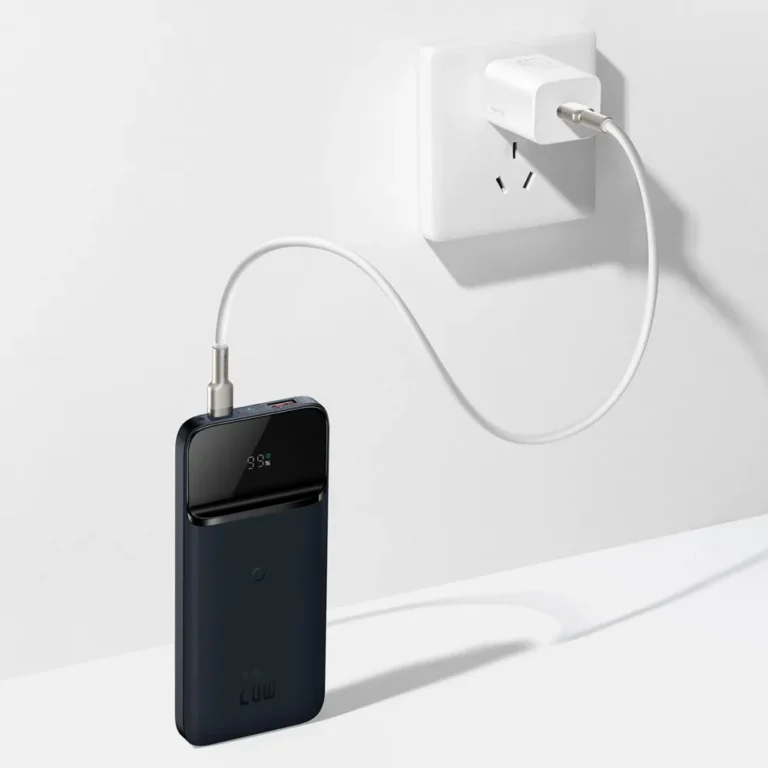
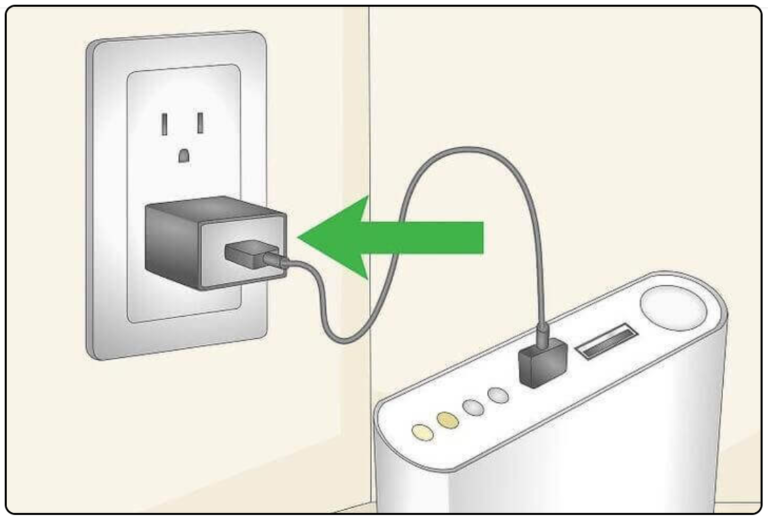
Plug your power bank into a proper wall charger and wait for full LEDs.
If you have ever been stuck with a dead phone and a half-charged brick, you know why learning how to recharge a power bank the right way matters. I work with charging gear daily and test packs across brands and sizes. In this guide, I will show how to recharge a power bank safely, fast, and with care for long battery life. You will get clear steps, real tips, and fixes you can use today.

How charging a power bank works
A power bank is a lithium battery with input and output circuits. It takes power in through a charging port and sends power out to your devices. Knowing what the labels mean helps you choose the right charger and cable.
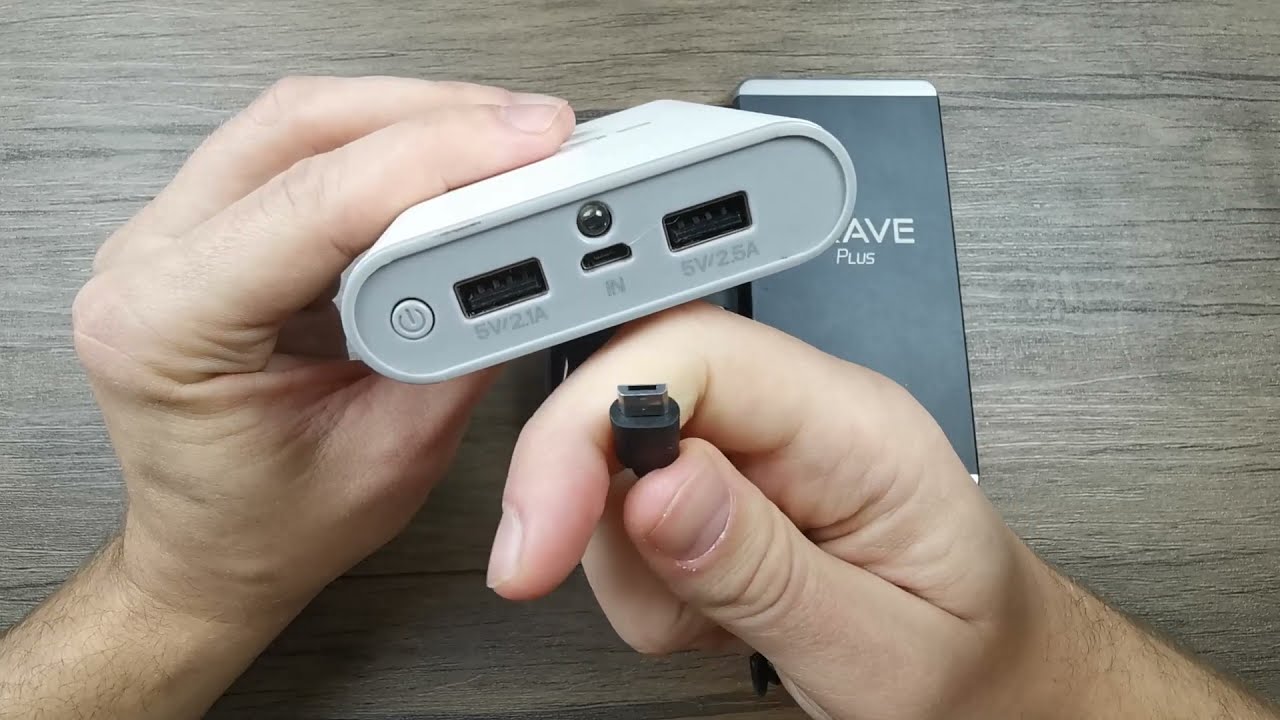
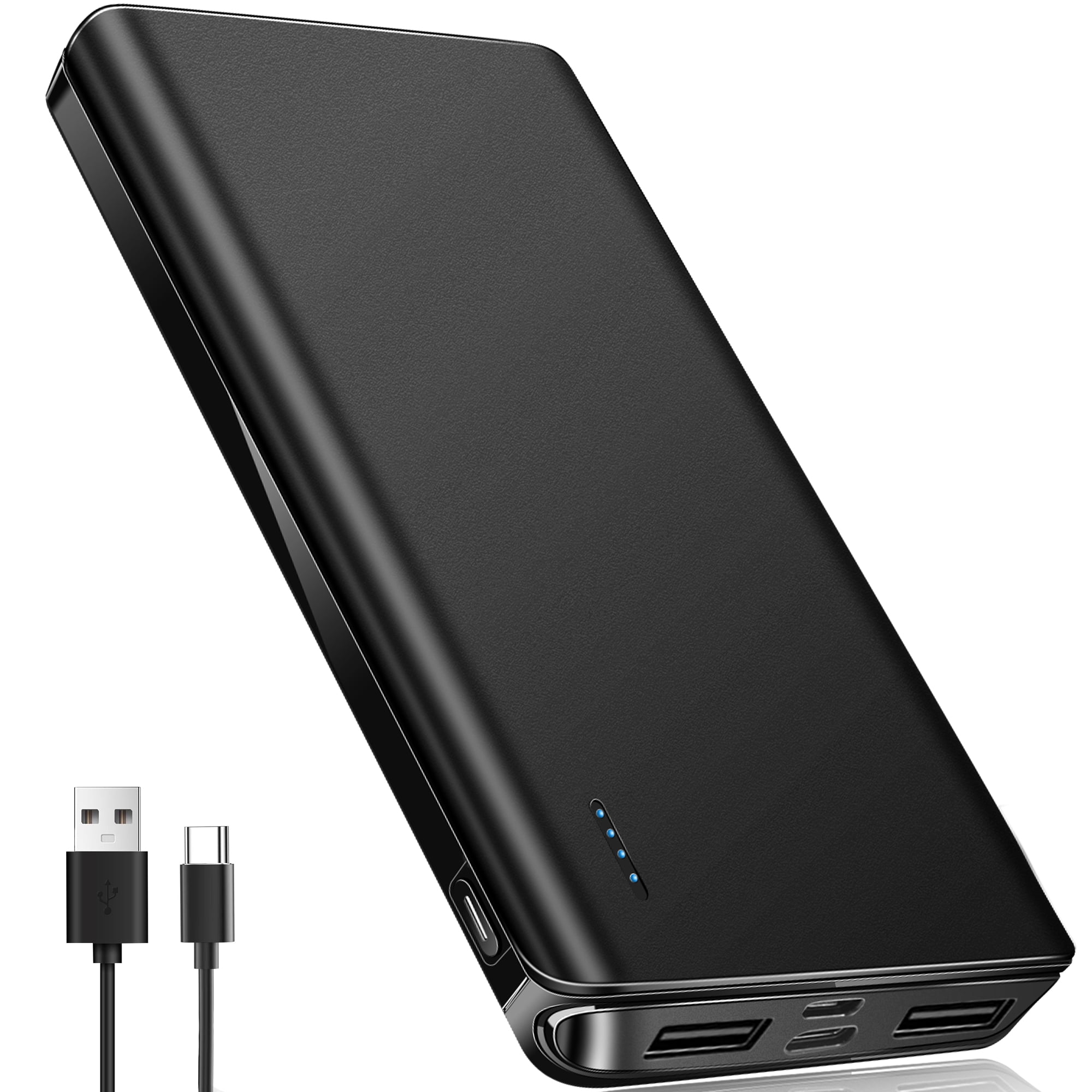
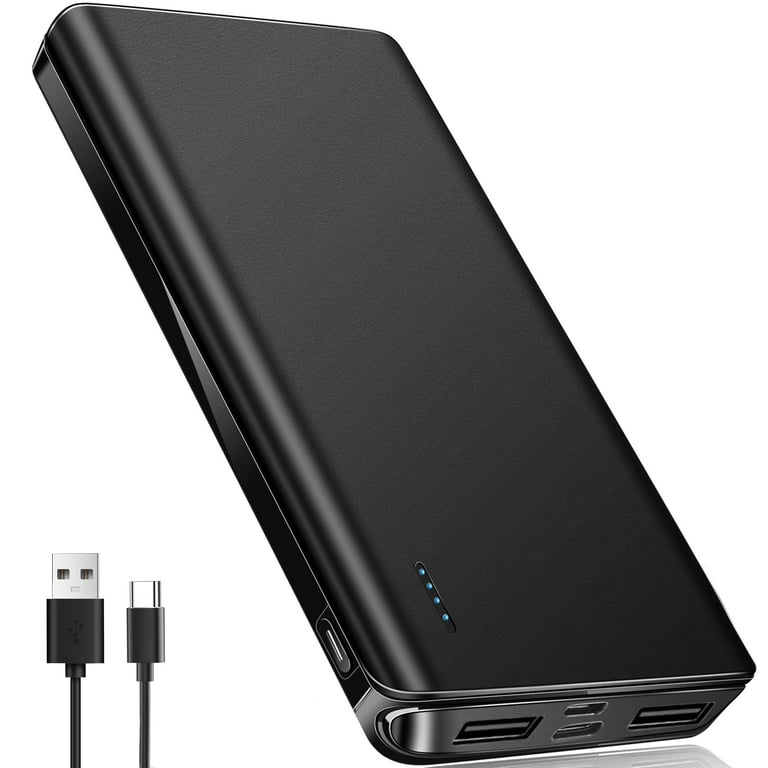
- Look for the input spec on the case. You may see 5V 2A, 9V 2A, 12V 1.5A, or USB PD 18W to 45W.
- USB-A inputs are often 10W. USB-C can handle USB Power Delivery and charge much faster.
- LEDs show charge level. A blinking light means it is still charging. Solid lights mean full.
If you want a short rule for how to recharge a power bank, match the input rating with a safe wall charger. Then let it sit until the LEDs stop blinking. That is the best way to start.

What you need before you start
Before you learn how to recharge a power bank, get the right gear ready. The right pair of charger and cable makes a big difference in time and heat.
- A reliable wall charger. Choose a unit with the same or higher wattage than the power bank input. For example, use an 18W or 20W USB-C charger for a bank with PD 18W input.
- A good cable. Use a short, certified USB-C cable for USB-C ports. Use a thick, high quality USB-A to Micro-USB or USB-A to USB-C cable for older banks.
- A safe outlet. Avoid loose sockets and old extension cords. If you use a power strip, use one with surge protection.
- A cool, flat surface. Heat hurts battery life. Keep the bank out of the sun and off soft beds or couches.
From my tests, a cheap cable can add hours. I once cut a 10,000 mAh charge time from six hours to under three just by swapping to a proper USB-C PD charger and cable. That is the difference gear can make in how to recharge a power bank.

Step-by-step: how to recharge a power bank
Follow these steps for a clean, safe, and quick charge.
- Check the input label. Find the input watts or volts and amps on the bank.
- Pick a matching charger. Use a wall charger that can supply the same or more watts.
- Pick the right port. Use the USB-C input if the bank has it. It is faster and smarter.
- Use a short, certified cable. Plug the charger into the wall first. Then connect the cable to the bank.
- Confirm LEDs blink. One or more LEDs should blink. Some banks show a percent on a screen.
- Let it sit. Keep it on a cool surface. Do not cover it with clothes or place it in a bag.
- Wait for full. When the LEDs turn solid, it is done. Some units auto stop. Unplug the charger.
- If it warms up, do not worry. Warm is normal. Hot to the touch is not. If hot, unplug and let it cool.
That is the core of how to recharge a power bank. Keep it simple. Choose the right gear. Let the bank do the rest.
Make it faster and healthier
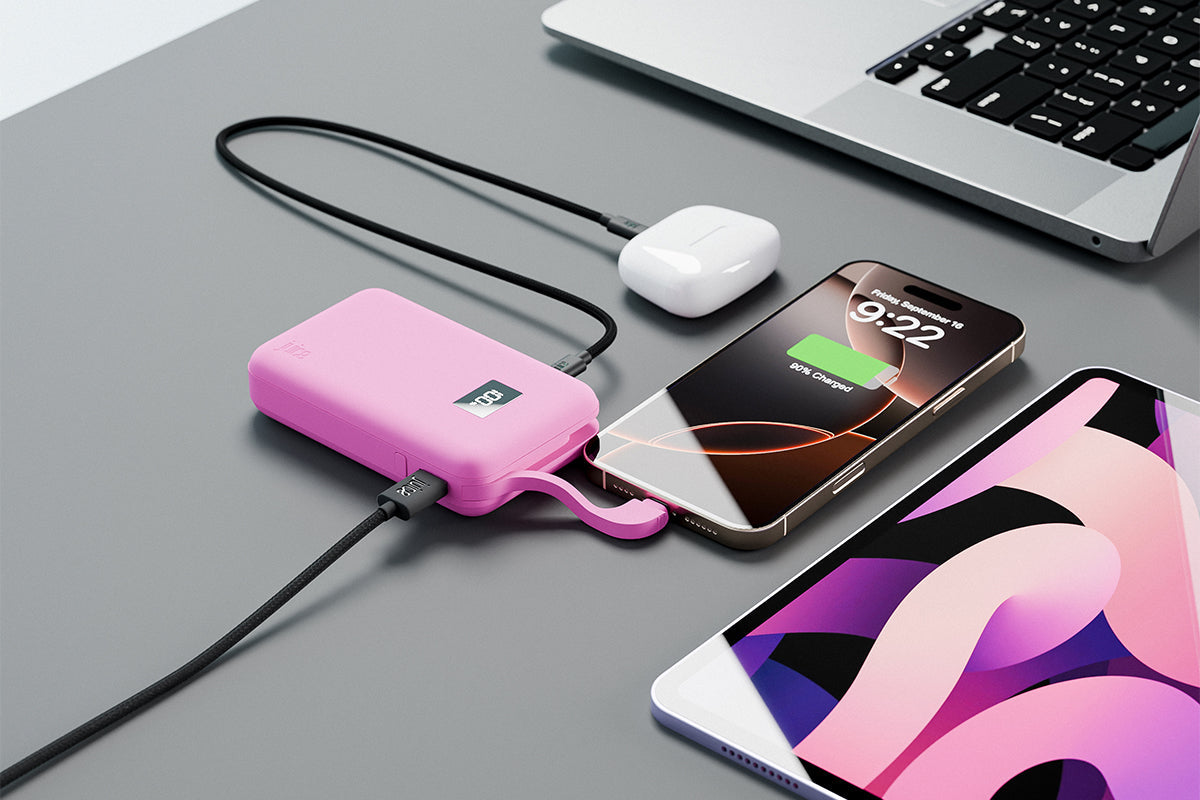
You can speed up how to recharge a power bank and protect the cells at the same time. Use these tips.
- Use USB-C PD when you can. A 20W USB-C PD charger can cut charge time in half versus a 10W USB-A charger.
- Avoid laptop USB-A ports. Most only give 2.5 to 4.5W. They are slow and can lead to long trickle charges.
- Charge in a cool room. Batteries prefer 50 to 86°F. High heat ages cells fast.
- Do not push to 0% often. Top up from 20% to 80% in daily use. This helps long term health.
- Skip pass-through when you can. Charging the bank while it charges a phone creates heat. It is okay in a pinch, but not daily.
As a rule for how to recharge a power bank with care, I aim for medium speed. I use a 20W charger for a 10,000 to 20,000 mAh bank and avoid stacking devices during charge. My packs last years this way.
How long will it take?
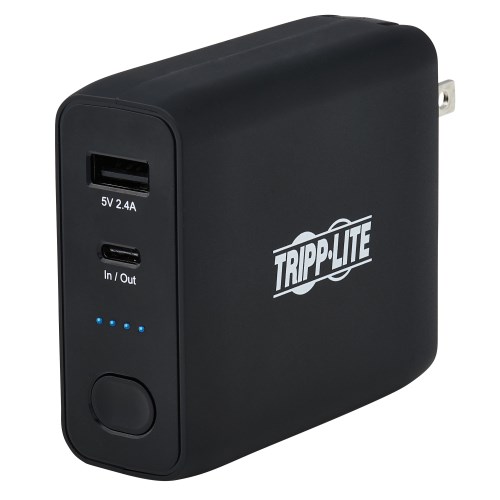
Time depends on capacity, input watts, and efficiency. You can estimate with a simple method many pros use.
- Convert capacity to watt-hours. Wh equals mAh times 3.7 divided by 1000. For 10,000 mAh, that is about 37 Wh.
- Divide by charger watts. 37 Wh divided by 18W is about 2.1 hours in ideal math.
- Add 20 to 40 percent for losses and the top-off phase. That brings it to about 2.5 to 3 hours.
Typical real-world times for how to recharge a power bank:
- 10,000 mAh with 10W input: 4 to 6 hours.
- 10,000 mAh with 18 to 20W input: 2.5 to 3 hours.
- 20,000 mAh with 18 to 20W input: 5 to 6 hours.
- 20,000 mAh with 30W input: 3.5 to 4.5 hours.
Common problems and easy fixes
If you run into trouble with how to recharge a power bank, try these quick checks.
- No lights. Use a different wall charger and cable. Try the other port if the bank has more than one input.
- Blinks but never reaches full. The cable may be weak. Swap it for a high quality, short cable.
- Stops at 99 percent. This is normal for some banks due to trickle top-off. Leave it for 30 more minutes or unplug.
- Feels hot. Move it to a cool spot and unplug. Check that you are not stacking devices or covering vents.
- New bank will not charge. Some units ship in sleep mode. Press and hold the power button for 5 seconds, then try again.
In my workbench tests, nine out of ten “dead” banks sprang back with a new USB-C cable. Cables fail more than chargers. This is a key lesson in how to recharge a power bank without stress.

Safety tips and what to avoid
Safety should guide how to recharge a power bank every time. Simple habits prevent damage.
- Use certified chargers and cables. Look for recognized safety marks on devices and cables.
- Keep it dry. Avoid bathrooms and kitchens while charging.
- Never cover a charging bank. Let heat escape. Do not charge under a pillow or in a bag.
- Stop using a swollen or damaged bank. Recycle it at an e-waste center.
- For flights, keep power banks in carry-on bags. Most airlines allow up to 100 Wh without approval.
If a pack hisses, bulges, or smells sweet and sharp, unplug it at once and move it to a safe area. That is rare. But knowing this adds trust to how to recharge a power bank the right way.
Different types and what changes
Not all banks charge the same way. Small design choices can change how to recharge a power bank.
- Small pocket banks, 5,000 to 10,000 mAh. Often USB-A or USB-C input. Any good 10 to 20W charger is fine.
- Mid packs, 10,000 to 20,000 mAh with USB-C PD. Prefer a 20 to 30W USB-C PD charger.
- Large packs, 25,000 to 50,000 mAh with 45 to 65W input. Use a 45 to 65W USB-C PD charger. Expect longer times.
- Solar banks. Charge them from the wall first. Treat the panel as a slow top-up for sunny days.
- Laptop-class power stations. Follow the maker’s brick and cable. Many need barrel plugs or high-watt USB-C PD.
Practical note on how to recharge a power bank with MagSafe-style banks: use the USB-C input for speed. Magnetic top-up is slower and makes heat if you charge and stick a phone on it at the same time.
Smart habits to extend battery life
Good habits make a huge difference in how to recharge a power bank and keep it strong for years.
- Store it at 40 to 60 percent if you will not use it for weeks.
- Top up monthly during storage. Batteries self-discharge slowly.
- Calibrate the gauge every few months. Do one full cycle from about 10 to 100 percent, then return to normal top-ups.
- Keep it clean. Dust the ports and check for lint in USB-C and USB-A sockets.
- Use gentle charge once a week. Fast charge is fine, but not all the time.
These small steps have kept my daily 20,000 mAh pack running like new after two years. If someone asks how to recharge a power bank to make it last, I share these habits first.
Frequently Asked Questions of how to recharge a power bank
How long does it take to recharge a power bank?
Most 10,000 mAh banks take 2.5 to 6 hours depending on input watts. Larger 20,000 mAh units can need 4 to 7 hours.
Can I use my phone charger to recharge a power bank?
Yes, as long as it meets the input rating on the bank. A USB-C PD 20W phone charger is ideal for most modern banks.
Is it safe to use the power bank while it is charging?
It is generally safe on quality models, but it creates extra heat and slows charging. For best health, avoid pass-through when you can.
Why does my power bank stop at 99 percent?
Many banks taper current near full to protect cells. Leave it connected for 30 minutes, or unplug and use it as normal.
Should I drain the power bank to zero before recharging?
No. Lithium cells prefer partial charges. Keep it between 20 and 80 percent for daily use.
Can I recharge a power bank from a laptop USB port?
Yes, but it is slow on many USB-A ports. Use a USB-C port that supports power delivery for faster, safer charging.
How do I know which cable is best?
Use a short, certified cable that matches the port type. For USB-C PD, a quality USB-C to USB-C cable with proper e-marker is best.
Conclusion
You now know how to recharge a power bank with the right charger, the right cable, and smart, safe steps. Match the input rating, keep it cool, avoid bad cables, and use USB-C PD when you can. These habits protect your time and your battery.
Put this guide to work today. Check your bank’s label, pick a proper charger, and start a clean charge. If you found this helpful, subscribe for more simple power tips, or drop a comment with your charging setup and questions.