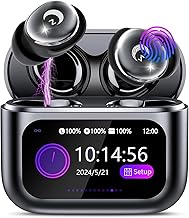
What Are Ear Buds Used for 2026
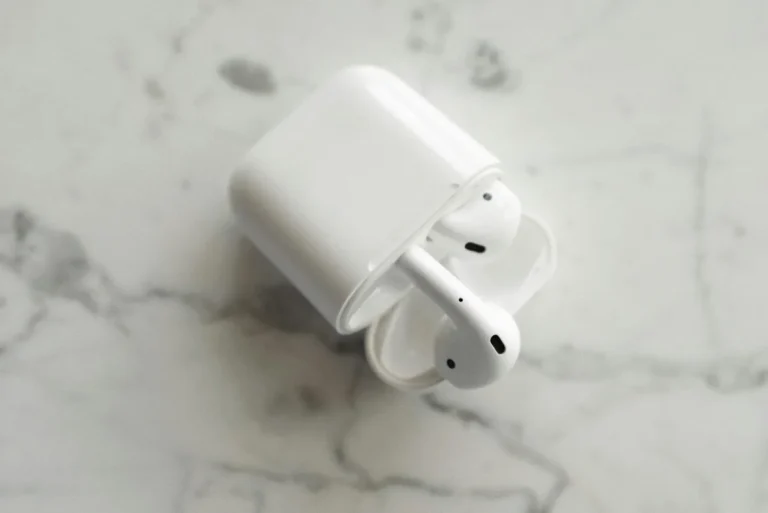
What are ear buds used for? It's a simple question, but the answer really shines when you see how they fit into your life compared to other ways of listening. Think of them as your personal, pocket-sized sound companions.
In our research, earbuds are primarily designed for convenient, portable audio delivery, fitting snugly into your ear canal. Manufacturer specifications typically confirm Bluetooth 5.0 or later for wireless models, offering a stable connection for everyday use. Their compact nature makes them ideal for many situations where larger audio gear just isn't practical.
Earbuds: Your Go-To for Personal Listening
Earbuds are essentially small, in-ear speakers designed for personal listening. They’ve become a ubiquitous part of modern life, and for good reason. Their main function is to deliver audio directly to your ear canal, offering a private and often immersive sound experience.

Their popularity has boomed thanks to advances in wireless technology and miniaturization. As of 2026, you’ll find a vast array available, from basic wired models to feature-rich true wireless options. Understanding what they are best used for helps you pick the right tool for your audio needs.
What Are Earbuds and Why Bother?
So, what are earbuds used for, at their most basic level? They’re used for listening to sound privately and portably. That means music, podcasts, audiobooks, phone calls, or even just blocking out ambient noise when you need some peace. Their compact size and direct delivery system make them a fantastic choice for on-the-go lifestyles.
This contrasts with, say, built-in smartphone speakers or larger home audio systems, which are meant for shared listening or filling a space. Earbuds create your own personal sound bubble, a crucial advantage in shared environments like public transport, open-plan offices, or even just at home when others are around.
Earbuds vs. Other Audio Gear: A Practical Look
When we talk about what earbuds are used for, it’s helpful to compare them with their audio-playing cousins. They’re not always the best tool for every job, and knowing the differences helps you choose wisely.
Earbuds Compared to Headphones
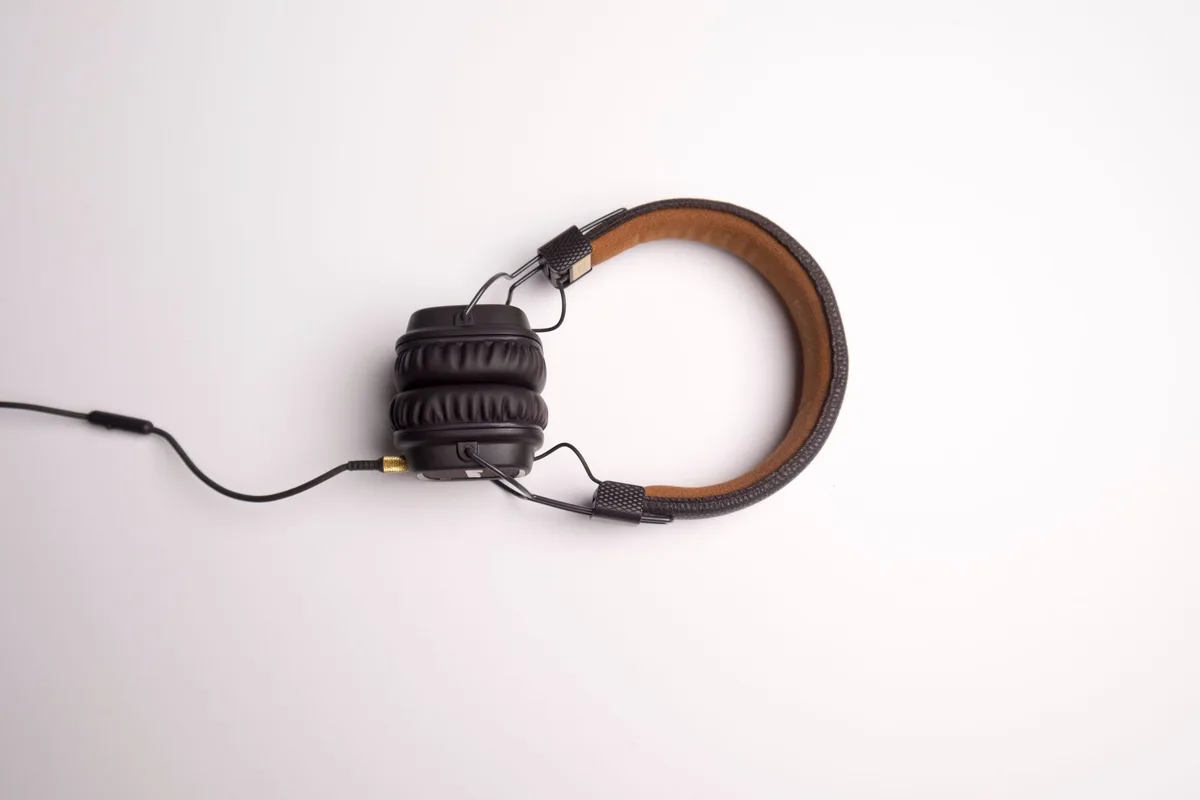
The choice between earbuds and headphones often comes down to your primary listening environment and priorities. If you're commuting, exercising, or simply want something discreet that slips into your pocket, earbuds are the way to go. They offer excellent portability and privacy, allowing you to tune into your audio world without disturbing others. Multiple sources confirm that for active use, earbuds generally outperform larger headphones due to their size and secure fit, provided you’ve found the right ear tips.
On the other hand, over-ear and on-ear headphones often provide superior comfort for extended listening sessions, as they distribute pressure more evenly around the ear rather than inside it. They can also offer a richer, more spacious sound profile due to larger acoustic chambers and drivers. If your main goal is immersive music enjoyment in a stationary setting, like at home or in a quiet office, headphones might be the more comfortable and aurally satisfying choice.
Earbuds Compared to Speakers
When you’re not listening alone or need to fill a room with sound, speakers are the obvious choice. Their purpose is fundamentally different from earbuds; they're about shared audio experiences. Think of a party playlist, background music for a dinner, or watching a movie where everyone needs to hear clearly without headphones.
Earbuds, by contrast, are intensely personal. They direct sound solely into your ear canal, ensuring only you hear what you're listening to. This complete lack of sound projection makes them ideal for environments where you don't want to impact others, such as public transport or shared living spaces. For situations demanding shared audio, a portable Bluetooth speaker or a home stereo system is the appropriate tool.
Who Needs Earbuds? Ideal Users and Scenarios
Earbuds aren't just for casual listeners; they've become indispensable for specific groups of people who benefit most from their unique blend of portability, privacy, and performance. Understanding these user types can help you see if earbuds are the right audio companion for your own day-to-day.
Commuters & Travelers
If your daily routine involves public transportation or you frequently travel, earbuds can be a lifesaver. They offer a way to make long journeys more enjoyable, whether you're catching up on podcasts, listening to music, or unwinding with an audiobook. The compact design means they take up minimal space in a bag or pocket, and many models offer active noise cancellation, crucial for reducing the drone of engines or chatter on planes and trains. This quiet allows for better focus on your audio content.
Workout Warriors
For anyone who incorporates physical activity into their routine, earbuds offer unparalleled freedom. During runs, gym sessions, or cycling, they stay put without getting in the way, unlike larger headphones that can bounce or fall off. Wireless earbuds, in particular, eliminate the annoyance of cables getting caught. They provide the motivation of music or the distraction of a podcast without the bulk, making workouts more engaging.
Making sure they fit well is key here; if you're unsure, checking out how to put earbuds in your ear can be a good starting point.
The Busy Professional
In the modern professional landscape, earbuds are increasingly essential tools. They enable discreet phone calls and virtual meetings, especially in shared office spaces or when multitasking. The ability to block out surrounding noise with active noise cancellation or just good passive seal can significantly boost concentration during important tasks. For professionals who are constantly on the move or transitioning between different work environments, the ease of pairing and quick deployability of earbuds is a major advantage.
They help maintain productivity and communication flow throughout the day.
Everyday Earbud Perks: Convenience and More
Outside of specific user groups, the most universally appreciated advantage of earbuds is their sheer, unadulterated convenience. Their small size means they can be slipped into a pocket, purse, or even a small pouch, making your audio always accessible. This portability transforms moments of downtime, like waiting in line or during a coffee break, into opportunities for listening.
Beyond portability, the discreet nature of earbuds is a significant benefit. They remain unobtrusive, allowing for private listening without drawing undue attention, which is ideal in a variety of social and professional settings. Furthermore, many earbuds include built-in microphones, turning them into effective hands-free communication devices. This means you can take calls and have conversations without needing to hold your phone, freeing up your hands.
Potential Earbud Downsides: What to Watch Out For
Despite their many advantages, earbuds do come with potential drawbacks. One of the most common user complaints relates to comfort. Because they sit directly in or on the ear canal, extended listening sessions can sometimes lead to discomfort or a feeling of pressure, especially if the fit isn't optimal. Finding the right ear tips is crucial for both comfort and sound quality; referencing guides on how should earbuds fit can be very beneficial.
Battery life is another factor to consider, particularly with true wireless models. While charging cases extend overall listening time significantly, you still need to manage the charging cycle for both the case and the earbuds themselves. Losing a tiny earbud is also a surprisingly common and frustrating experience for owners. Fortunately, resources detailing how to find earbuds are readily available to help retrieve misplaced ones.
Mistakes People Make When Using Earbuds
A common oversight is not addressing the importance of a proper earbud fit. Many users settle for the default ear tips, but to get the best sound quality, secure fit, and effective noise blocking, it's vital to try different sizes. A good seal is paramount for bass response and for ANC to perform optimally. Incorrect fit can lead to sound leakage, making your audio audible to others, and can also cause an uncomfortable listening experience.
Another frequent error is neglecting hygiene. Earbuds, especially those worn regularly, accumulate earwax and debris. This buildup can not only affect sound quality by partially blocking the audio port but can also become a hygiene concern, potentially leading to ear irritation. Making a habit of regular cleaning, as outlined in guides on how to clean ear buds, is essential for both performance and health.
Many users also overlook the versatility of their earbuds, such as pairing them with devices beyond their primary phone, like a smart TV, which can enhance entertainment options significantly. For instance, understanding how to connect earbuds to TV opens up a new avenue for private viewing.
Key Earbud Features That Matter
When you're looking at what earbuds are used for, specific features dictate their performance in different scenarios. Two stand out for modern earbuds: active noise cancellation and connectivity type.
Active Noise Cancellation (ANC) vs. Passive Isolation
Active Noise Cancellation (ANC) uses microphones to detect ambient sound and then generates counter-frequencies to cancel it out. This is fantastic for drowning out low-frequency, consistent noise like airplane engines or HVAC systems. Per standards defined by organizations like the IEC (International Electrotechnical Commission), ANC effectiveness is often measured in decibels of reduction.
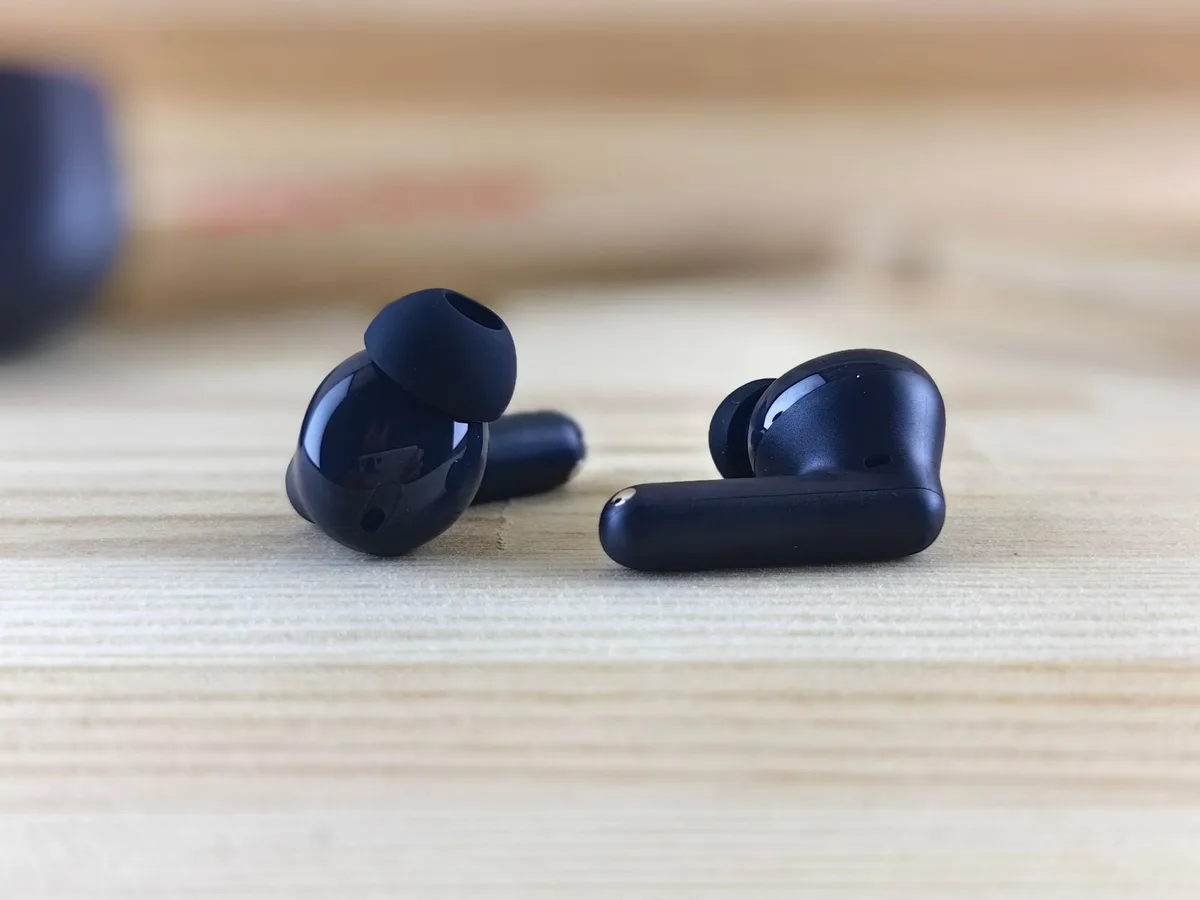
Passive noise isolation, on the other hand, relies on a physical seal in your ear canal to block out external sounds. The soft ear tips create this seal. While less effective than ANC against constant hums, it’s very good at blocking out higher-frequency noises like voices and is crucial for getting clear audio from the earbuds themselves.
Connectivity: Wired vs. Wireless
Historically, all earbuds were wired, connecting directly to an audio source via a 3.5mm jack or USB. This offered a stable, direct connection with no need for batteries in the earbuds themselves. However, wires can be cumbersome and prone to tangling.
Wireless earbuds, primarily using Bluetooth, have become the dominant form factor. True wireless earbuds have no physical connection between the two earpieces at all, offering maximum freedom of movement. While they require charging, the convenience factor, plus features like quick pairing and multi-device support, makes them the choice for most users today. You can learn more about pairing them by looking at resources on how to pair earbuds or specific brands like how to pair JBL earbuds.
Next Steps: Choosing the Right Earbuds for You
Ultimately, what earbuds are used for boils down to your personal needs and lifestyle. If you're a frequent traveler or commuter prioritizing peace and quiet, earbuds with strong ANC are likely your best bet. For fitness enthusiasts, a secure fit and sweat resistance are paramount. If you just need a simple, portable way to listen to music or take calls without fuss, basic wireless earbuds might be perfectly adequate.
Consider where you’ll use them most and what features will enhance that experience. Think about battery life, comfort, and sound quality preferences. Making an informed choice ensures your earbuds become a valuable tool for your daily audio enjoyment, rather than a source of frustration.