How Do You Use Ear Buds 2026
Figuring out how do you use earbuds so they sound great and don't drive you crazy can be surprisingly tricky. It's not usually about complex settings or hidden menus; more often, it's about the simple mechanics of how they sit in your ear. Getting the seal right is the secret sauce, and it often comes down to choosing the perfect tip size and knowing the gentle twist that locks them in.
Manufacturer specifications for many in-ear audio devices confirm that a proper acoustic seal is crucial for delivering effective noise isolation and consistent audio frequencies, particularly in the low end. As of 2026, standards like those from the International Electrotechnical Commission (IEC) for acoustic measurements still emphasize the importance of seal integrity for reproducible sound reproduction. This guide will walk you through the essentials, from selecting the right components to proper insertion techniques.
Why the Right Fit Matters for Your Ears and Your Audio
The way your earbuds sit in your ear is far more than just a comfort issue; it directly impacts sound quality and the functionality of noise isolation features. When an earbud achieves a proper seal within your ear canal, it creates a barrier that significantly reduces ambient noise. This means you can listen at lower, safer volumes, and the finer details in your music or podcasts become much clearer.
Without this seal, the bass frequencies escape, and external sounds the gym chatter, the office hum, the traffic drone flood in, forcing you to crank up the volume. This not only degrades your listening experience but also poses a risk to your hearing over time. For many wireless earbuds, this seal is also what activates their noise-canceling or transparency modes correctly.
Choosing Your Earbud Tips: Size & Comfort
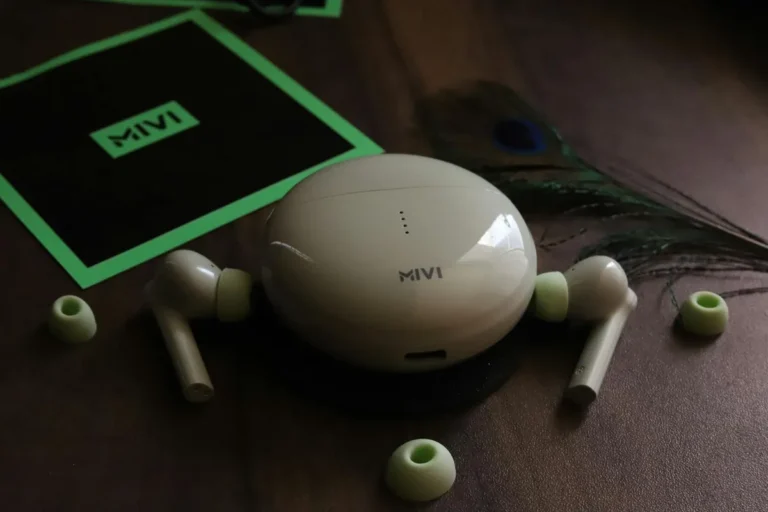
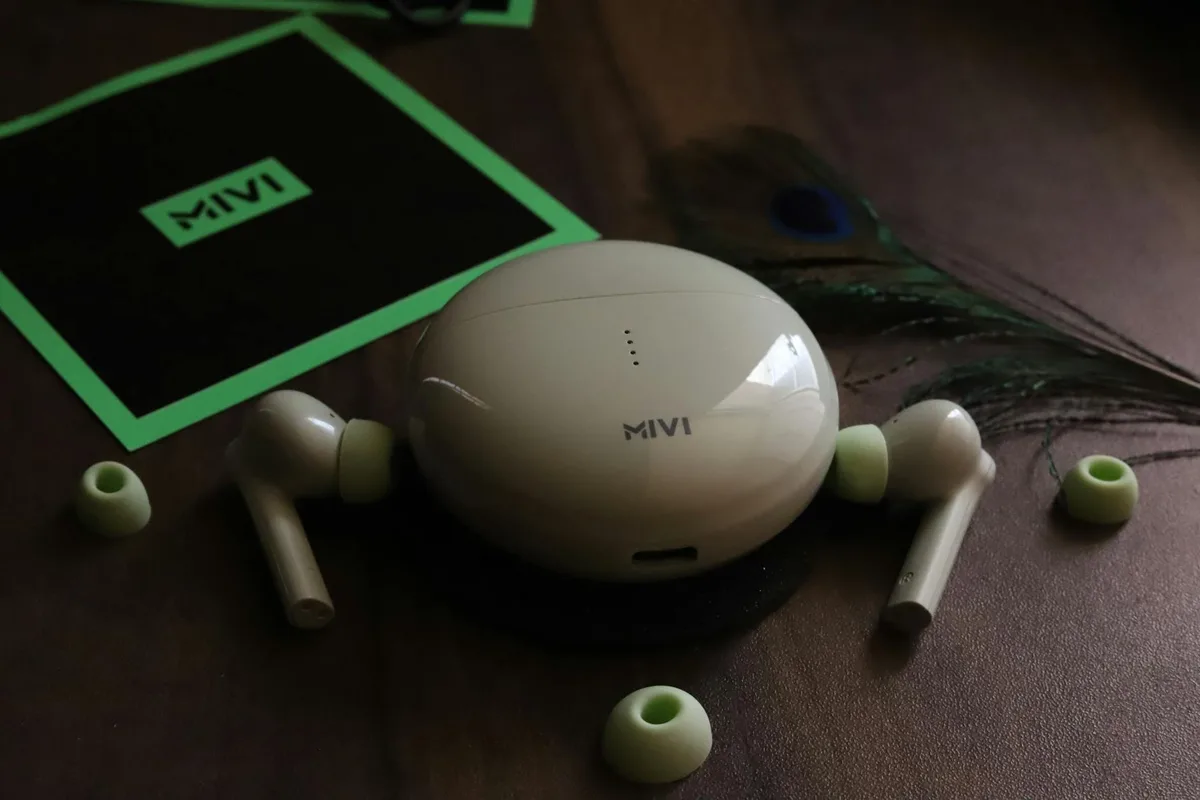
Most earbuds come with a selection of ear tips, typically in small, medium, and large. These aren't just generic add-ons; they're designed to accommodate the unique shape and size of everyone's ear canals. Finding the right-sized tip is the single most important step in achieving both comfort and that all-important acoustic seal.
- Small tips: Best for individuals with smaller ear canals. Using a tip that's too small won't create a seal, leading to sound leakage and low bass.
- Medium tips: Often the default size and a good starting point for many. They should feel snug but not create pressure.
- Large tips: For those with wider ear canals. If the earbud feels loose or sits too far out, a larger tip might be needed.
When trying different sizes, insert the earbud gently and pay attention to how it feels. If it's uncomfortable, too loose, or you can still hear a lot of background noise, it's likely not the right size.
Step-by-Step: Inserting Your Earbuds Like a Pro
Getting earbuds in correctly is a simple physical action that makes a big difference. It’s less about force and more about a gentle maneuver that helps the earbud sit optimally.
- Identify the Left and Right: Most earbuds have an 'L' and 'R' marking, often subtly placed on the bud itself or the stem. Ensure you're grabbing the correct bud for the correct ear.
- Prepare Your Ear: Gently pull the top of your ear upwards and slightly backward with your non-dominant hand. This action subtly opens and straightens your ear canal, making insertion easier and more effective.
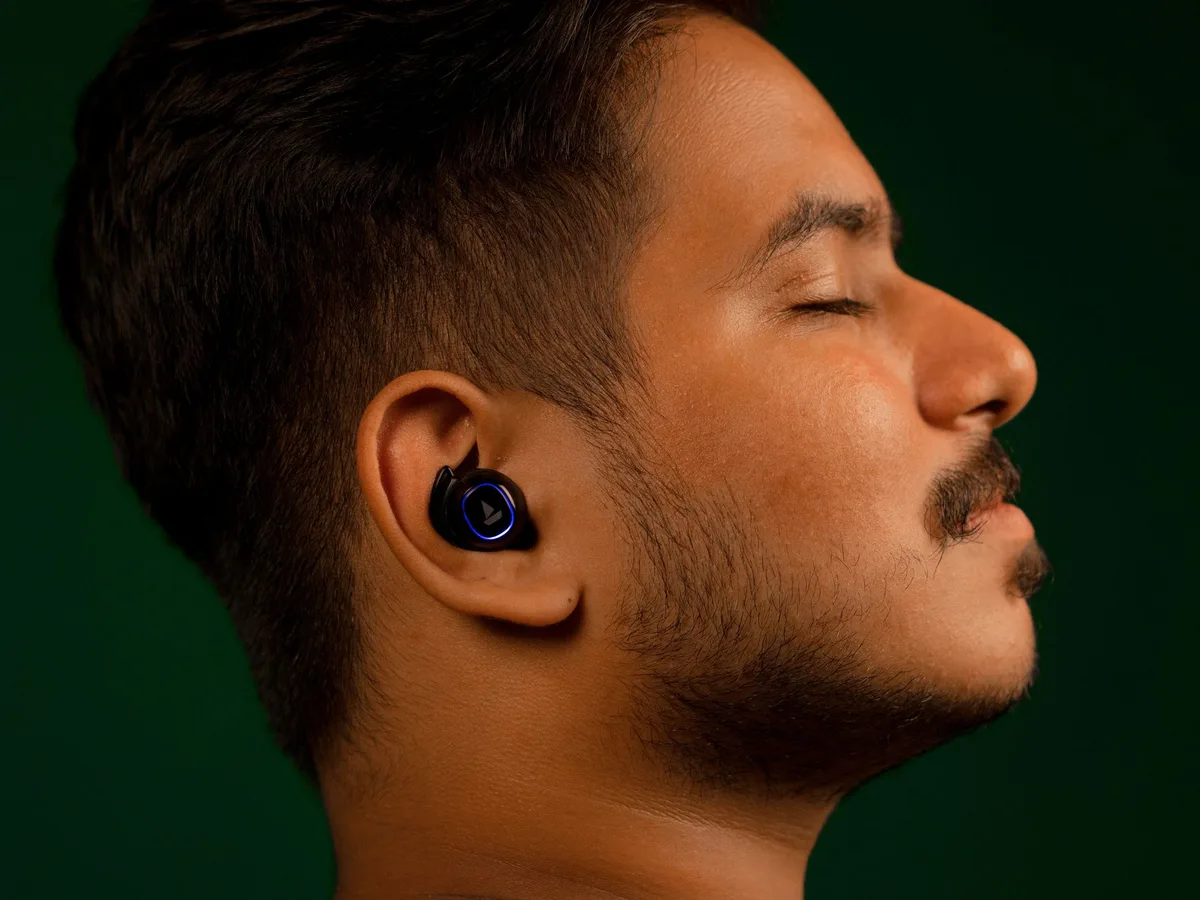
- Insert and Twist: With the earbud ready, gently insert it into your ear canal. As you push it in, give it a slight twisting motion. This helps the silicone or foam tip expand and create that snug, airtight seal.
- Check the Seal: Once inserted, let go of your ear. You should immediately notice a difference in the ambient noise around you decreasing. If you don't, you may need to adjust the insertion angle or try a different ear tip size.
Wired vs. Wireless: Handling Your Earbuds
The fundamental way you use earbuds centers around their fit, but the cabling or lack thereof introduces different considerations for their everyday handling and maintenance.
- Wireless Earbuds: These consist of two independent earbuds and a portable charging case.
- Pairing: After initial charging, you'll typically pair them to your device using Bluetooth. This process usually involves putting the earbuds into pairing mode (often by holding a button or opening the case) and then selecting them from your device's Bluetooth settings. This connection is stored for future use.
- Charging: When not in use, the earbuds are placed back into their charging case. The case itself will need to be charged regularly, usually via a USB-C cable. Keeping the case charged ensures your earbuds are ready whenever you need them.
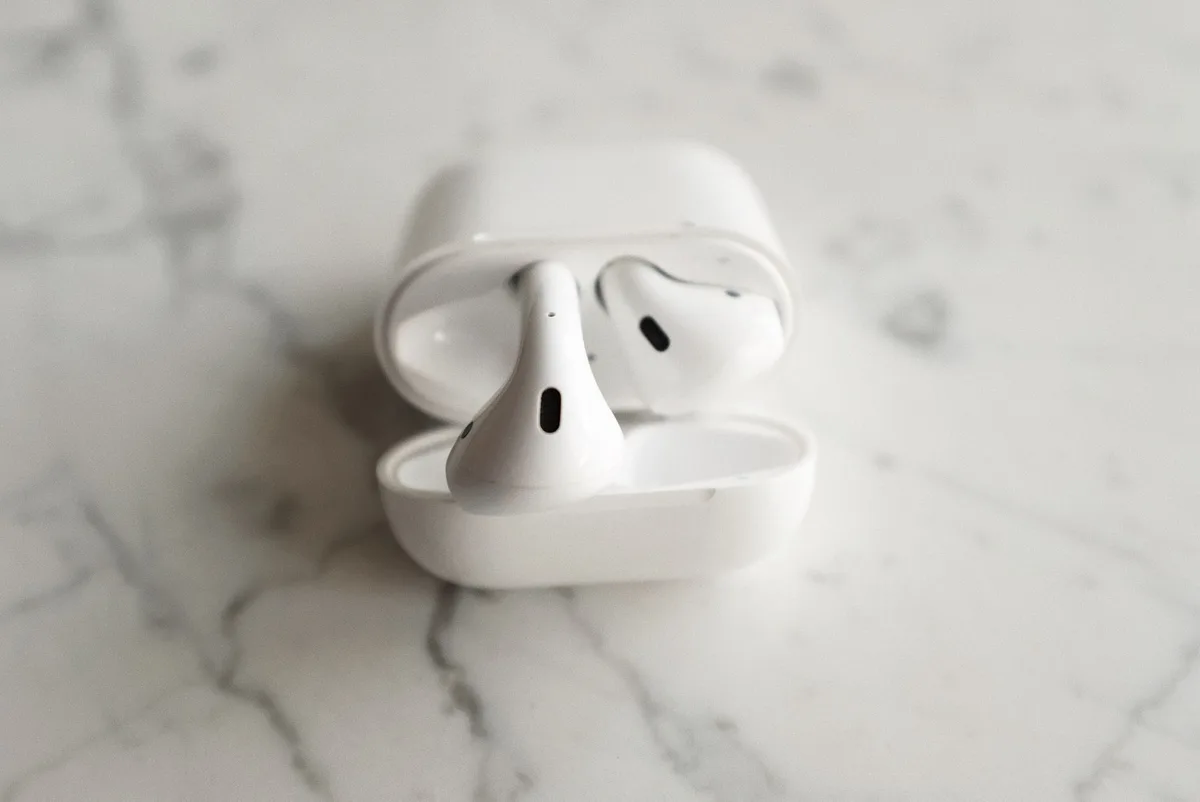
- Wired Earbuds: These connect directly to your audio source via a physical jack (like a 3.5mm headphone jack or USB-C audio port).
- Cable Management: The main challenge here is managing the cable. For security during movement, try tucking the cable under your shirt or jacket. Some users find routing the cable over their ear before inserting the bud helps prevent it from being pulled out.
- Durability: While they don't have battery concerns, wired earbuds can be more susceptible to damage from kinks, pulls, or cable fraying over long-term use.
Common Earbud Problems and How to Fix Them
Even with the best intentions, things can go awry with earbuds. Most common issues stem from fit, seal, or connection problems, all of which are usually fixable with a little know-how.
Earbuds Falling Out? Try This.
This is perhaps the most frequent frustration. If your earbuds are slipping out, don't just give up; systematically check these common causes:
- Incorrect Ear Tip Size: This is the number one reason. If the tip is too small, it won't create enough friction or seal. If it's too large, it can't seat properly. Revisit the process of trying all included tip sizes.
- Moisture or Earwax: A build-up of earwax or even sweat can make the ear tip slippery. Ensure your ear canals are clean (without going too deep with cotton swabs) and wipe the ear tips regularly.
- Insertion Technique: Are you using that gentle twist? A straight push might not seat the tip correctly for a secure fit.
- Movement and Cable Drag (Wired): For wired models, the cable's weight can pull the earbud out. Securing the cable against your body or wearing it over your ear can prevent this.
- Eartip Material/Shape: Some aftermarket tips, like foam ones, offer a more conforming fit that can be more secure than standard silicone.
- Earbud Shape: For some ears, the physical shape of the earbud housing itself might not be compatible. In such cases, different brands or models might be necessary.
Sound Not Great? Check the Seal.
If your audio sounds thin, weak, or just generally lackluster, the first place to look is your earbud seal. A lack of a proper seal means those crucial bass frequencies are escaping your ear canal, and external noise is bleeding in. This forces you to turn up the volume, which only amplifies the problem.
Think of it like trying to listen to an audiobook in a loud cafe with your mouth open, the audio just won't be clear. Correcting the seal often involves trying a different ear tip size or ensuring the existing tip is fully seated and engaged. If you’re using earbuds with active noise cancellation (ANC), a poor seal can render the feature nearly useless, as the microphones pick up too much ambient sound to effectively counteract.
Pro Tips for Better Earbud Use and Care
Making your earbuds last and perform at their best involves a few simple habits. Beyond just inserting them correctly, paying attention to maintenance and handling can prevent common issues and extend their lifespan. Most manufacturers recommend regular cleaning to ensure optimal performance and hygiene.
- Regular Cleaning: Ear tips can accumulate earwax, dust, and skin debris. Wipe them down with a dry, lint-free cloth. For deeper cleans, use a slightly damp cloth with water or a very mild soap, ensuring no moisture gets into the speaker mesh or charging contacts.
- Handle with Care: Avoid dropping your earbuds or their charging case. For wired earbuds, don't wrap the cable too tightly or put stress on the connector.
- Storage: When not in use, keep earbuds (especially wireless ones) in their charging case. This protects them from dust, damage, and accidental loss.
- Temperature Extremes: Avoid leaving earbuds in very hot or very cold environments for extended periods. Extreme temperatures can degrade battery life and damage internal components.
When to Consider Different Earbud Styles
While the fundamental goal is the same, to deliver audio directly to your ears, not all earbuds are created equal, and one style might suit your specific needs or ear shape far better than another. Understanding the main types can help you make a more informed choice, whether you're buying your first pair or upgrading.
- In-Ear Monitors (IEMs) / Canalbuds: These have an ear tip that inserts directly into the ear canal, creating a seal.
- Pros: Excellent noise isolation, typically good bass response due to the seal, often designed for a secure fit during activity.
- Cons: Can feel intrusive for some, requires finding the right ear tip size.
- Earbuds (Shell-type): These rest in the outer bowl of the ear, not deep into the canal.
- Pros: Generally more comfortable for long periods, allows ambient sound to pass through more freely, which can be safer for situational awareness.
- Cons: Very poor noise isolation, bass response is usually weak, prone to falling out.
- Earbuds with Wings/Hooks: These are often a variation of either in-ear or shell-type earbuds, featuring flexible fins or ear hooks designed to provide extra stability for active use.
If you find that standard in-ear tips cause discomfort or you’re constantly battling earbuds that fall out during workouts, you might explore models with wingtips or look into memory foam ear tips for a more adaptable fit.