Fast Charge vs Normal Charge: Which Is Better?


Is Fast Charge Good?
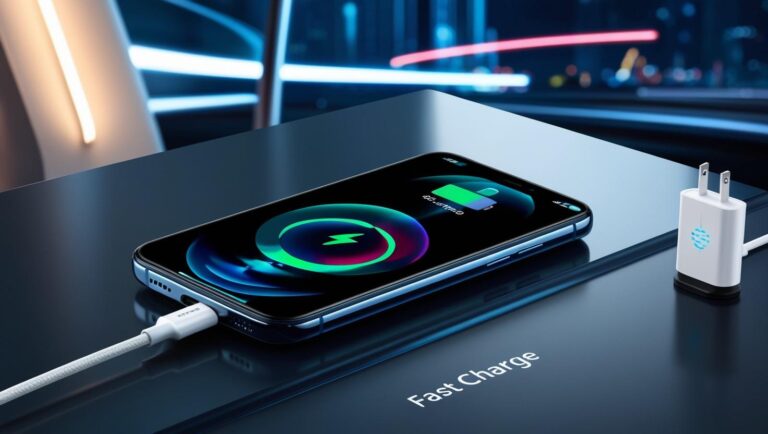
Yes, for people who value time. Fast charging is useful when I need a quick battery boost. A short charge during breakfast can give my phone a useful amount of power before I head out. That matters on busy workdays, road trips, and airport runs. In the fast charge vs normal charge debate, speed is its biggest strength.
I also noticed that fast charging works best when I use a charger and cable that match my phone. The phone controls how much power it takes. It may slow the charge as the battery gets fuller. Heat can also rise during high-power charging, so I avoid covering the phone with a blanket or leaving it in a hot car.
What Makes It Stand Out / Key Features
- High Charging SpeedIt can add useful battery power much faster than a low-power charger when the phone and charger support fast charging.
- Great for Busy DaysA short charging session can be useful before work, school, travel, or a long drive.
- Power NegotiationModern phones can communicate with compatible chargers and control the power they receive.
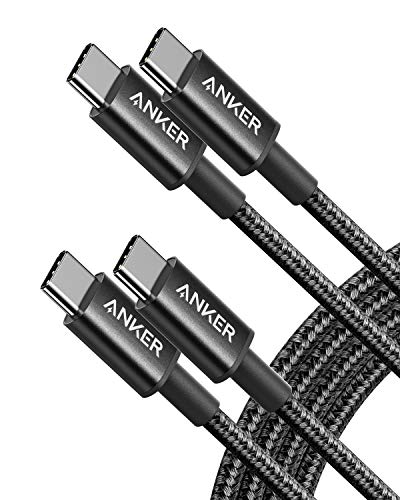
- USB-C SupportMany newer phones use USB-C charging systems, though the exact charging speed depends on the phone, charger, cable, and charging standard.
- Smart Charging ControlPhones often reduce charging power as the battery gets closer to full to help manage heat and battery stress.
- Fast Top-UpsFast charging is most useful when you need extra power now rather than several hours later.
My Recommendation
Consider fast charging if you often forget to charge, travel, or need a quick boost. It is the better fit for time-sensitive charging.
| Best For | Why |
|---|---|
| Busy workers | Quick charging fits short breaks and rushed mornings. |
| Travelers | It can add useful power during short stops. |
| Heavy phone users | Frequent use can drain a battery faster, making quick top-ups useful. |
Is Normal Charge Good?
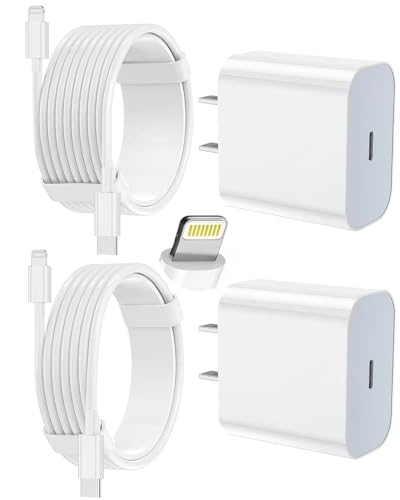
It depends on your routine. Normal charging makes sense when I do not need a quick boost. If my phone sits on a nightstand for several hours, there is little reason to chase the highest charging speed. A slower charge can get the job done while keeping power levels modest.
For me, normal charging feels like taking the scenic route. It takes longer, but that is not a problem when time is not tight. In the fast charge vs normal charge comparison, normal charging makes the most sense for relaxed overnight charging or long periods near an outlet.
What Makes It Stand Out / Key Features
- Lower Charging PowerNormal charging usually uses less power than a high-speed charging mode.
- Simple SetupIt can be a good fit when you only need a basic charging setup and have plenty of time.
- Overnight FriendlyA slower charge can work well when the phone remains connected for several hours.
- Less RushThere is less need to think about charging speed when your phone has a long window to charge.
- Wide Practical UseA basic charging setup can suit phones, spare devices, and other everyday electronics when compatible.
- Lower Heat PotentialLower charging power can reduce heat from charging, although actual heat still depends on the phone, charger, room temperature, and other factors.
My Recommendation
Choose normal charging if your phone can sit near an outlet for hours. It is a practical choice for calm, routine charging.
| Best For | Why |
|---|---|
| Overnight chargers | There is plenty of time for a slower charge. |
| Light phone users | A full day of battery may reduce the need for fast top-ups. |
| Desk users | The phone can remain close to power for long periods. |
fast charge vs normal charge: Side-by-Side Test
The easiest way to understand fast charge vs normal charge is to look at the job each one does best. Fast charging focuses on time. Normal charging focuses on a slower and simpler routine.
Neither method is automatically right for every person. Your phone sets limits, too. The actual result depends on the phone, charger, cable, charging standard, battery level, temperature, and power source.
Charging Speed: Which Is Faster?
This is where the gap between the two methods is easiest to see.
| Feature | Product 1 | Product 2 |
|---|---|---|
| Charging pace | Faster | Slower |
| Quick top-up | Excellent | Limited |
| Long charging window | Useful | Excellent |
⭐ Product A – 10/10 | Product B – 7/10
Fast charge has the clear edge when every minute matters.
Heat: What Should You Know?
Charging creates some heat, and higher charging power can raise the heat level.
| Feature | Product 1 | Product 2 |
|---|---|---|
| Typical power | Higher | Lower |
| Heat potential | Can be higher | Often lower |
| Heat control | Phone manages power | Phone manages power |
⭐ Product A – 8/10 | Product B – 9/10
Normal charge has the edge when lower charging power is the goal.
Battery Health: Which Is Gentler?
Battery aging depends on many factors, so charging speed alone does not tell the whole story.
| Feature | Product 1 | Product 2 |
|---|---|---|
| Heat management | Important | Still important |
| Battery stress | Depends on heat and use | Depends on heat and use |
| Long-term care | Use smart charging features | Use smart charging features |
⭐ Product A – 8/10 | Product B – 9/10
Normal charge has a small practical edge for low-power routines, but battery health depends on more than speed.
Daily Convenience: Which Wins?
The best method often depends on what your day looks like.
| Feature | Product 1 | Product 2 |
|---|---|---|
| Morning rush | Excellent | Fair |
| Office desk | Excellent | Good |
| Overnight use | Good | Excellent |
⭐ Product A – 10/10 | Product B – 8/10
Fast charge is more flexible when your schedule changes.
Travel: Which Helps More?
Travel days can turn a low battery into a real problem, especially when outlets are scarce.
| Feature | Product 1 | Product 2 |
|---|---|---|
| Airport stop | Excellent | Fair |
| Short coffee break | Excellent | Limited |
| Long hotel stay | Good | Excellent |
⭐ Product A – 10/10 | Product B – 7/10
Fast charge has the edge for travel because short charging windows are common.
Cost: Do You Need More?
Charging speed can affect what charger and cable you choose, but price varies by brand and power level.
| Feature | Product 1 | Product 2 |
|---|---|---|
| Basic setup | May cost more | Often simpler |
| High-power charger | Often needed | Not always needed |
| Value | High if time matters | High if time does not matter |
⭐ Product A – 8/10 | Product B – 9/10
Normal charge can offer better value when you have plenty of time.
Compatibility: Will It Work?
A fast charger does not always mean a fast charge. The whole charging system must support it.
| Feature | Product 1 | Product 2 |
|---|---|---|
| Phone support | Required | Usually broad |
| Charger support | Required for high speed | Basic power may be enough |
| Cable support | May matter for high power | Usually less demanding |
⭐ Product A – 8/10 | Product B – 9/10
Normal charge is simpler, while fast charge needs the right phone, charger, cable, and standard.
Final Verdict: Which Should You Buy?
In the fast charge vs normal charge debate, fast charging is the better fit when time is short. It can be a huge help before work, travel, or a long day away from an outlet. Normal charging makes more sense when the phone can sit near power for hours.
I would use fast charging for urgent top-ups and normal charging when I have time. That gives me speed when I need it without making every charging session a race. The key is to use a compatible charger and cable and keep the phone from getting excessively hot.