What Wattage Is Super Fast Charging: A Complete Guide to 20W, 25W, 45W, 65W and More
If you are searching for **what wattage is super fast charging**, the short answer is more complex than a single number. Phone makers use different names for their charging systems, and terms such as Fast Charging, Super Fast Charging, Turbo Charging and HyperCharge can refer to different power levels.
For a typical U.S. phone buyer, 25W is already fast, 45W is very fast for many phones, and 65W or more can be useful on devices that support it. However, the charger rating alone does not decide charging speed. The phone sets the limit, and the charging system adjusts power as the battery fills.
That last point matters in daily use. A 100W USB-C charger can safely charge a phone that needs 25W because the phone does not have to take all 100W. USB Power Delivery is designed to let compatible devices request the power they need.

What Wattage Is Super Fast Charging?
There is no official universal wattage called super fast charging. The phrase is often a marketing term used by phone makers. Each brand can define its own charging tiers and names.
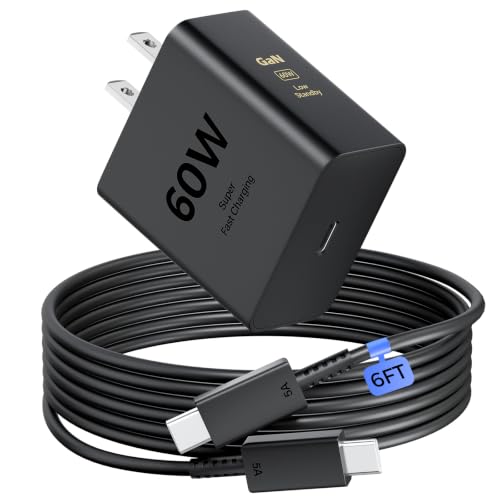
For smartphones, **25W to 45W is a useful practical range for what many consumers call super fast charging**. Some phones use 20W as fast charging, while others can use 65W, 80W, 100W, 120W or more.
So, when asking **what wattage is super fast charging**, always check the phone’s own specifications. A 45W charger may be a super-fast charger for one phone but may offer little or no extra speed on another phone that accepts only 25W.
- ✦ 20W
A common fast-charging level for smartphones. It can provide a clear speed gain over older low-power chargers.
- ✦ 25W
A common level for modern Android phones and a useful benchmark for fast or super-fast charging.
- ✦ 45W
A strong phone charging level that can deliver very quick charging on compatible devices.
- ✦ 65W
Very high for many phones and also useful for tablets and some laptops.
- ✦ 100W or more
Usually more useful for larger devices, although some smartphones support very high charging rates.
Why There Is No Single Super Fast Charging Number
Charging technology has changed quickly. Phone makers now use different power levels and different charging protocols. This means the phrase super fast charging does not describe one fixed technical standard.
A better approach is to look at the phone’s maximum wired charging power and the charger standard it supports. This gives you a more useful answer than the marketing name printed on a box.
How Phone Charging Wattage Actually Works
Wattage measures power. In simple terms, watts tell you how much electrical power can move from the charger toward the device at a given moment.
You can think of charging power as voltage multiplied by current. For example, 9 volts at 3 amps equals 27 watts. The phone and charger negotiate the charging level instead of simply forcing the charger rating into the battery.
This is why a 65W charger does not automatically send 65W into every phone. A phone designed for 25W may take around that level when conditions allow it, while a compatible 45W phone can request more.
- ✦ Charger wattage
This is the maximum power the charger can provide under supported conditions.
- ✦ Phone wattage
This is the maximum charging power the phone is designed to accept.
- ✦ Actual wattage
This is the power being used at a specific moment. It can rise or fall during a charging session.
- ✦ Cable capability
The cable must support the required power level and charging mode for the system to reach its intended performance.
The Difference Between Charger Power and Charging Speed
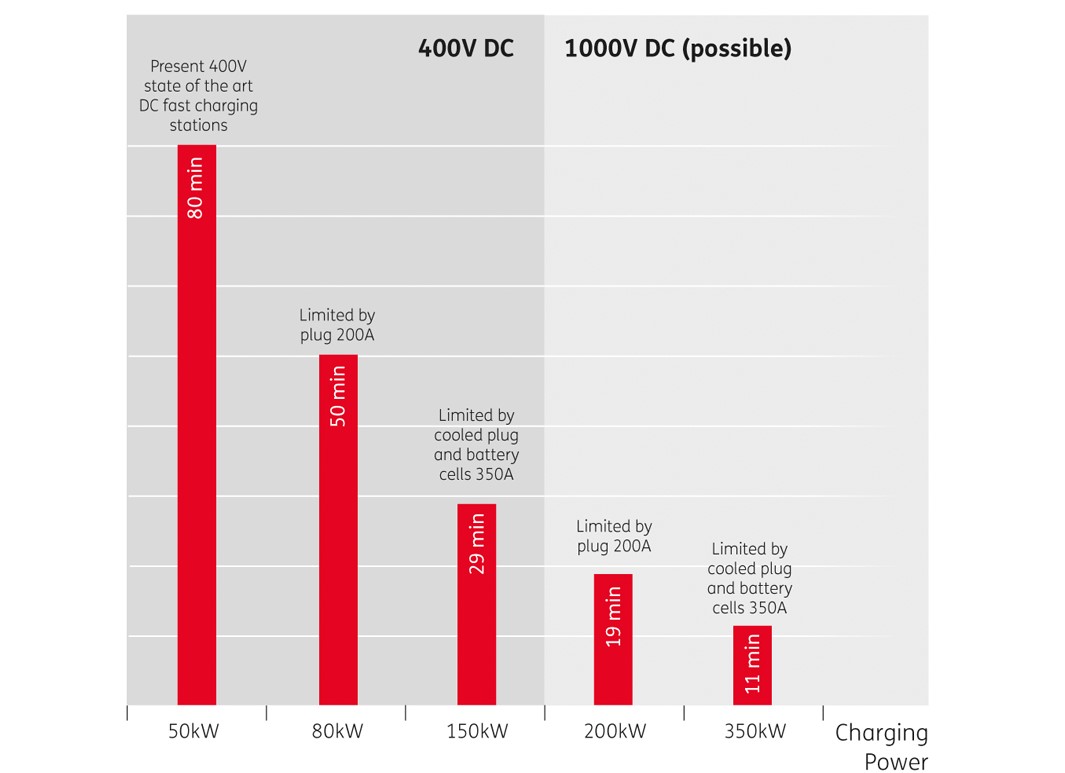
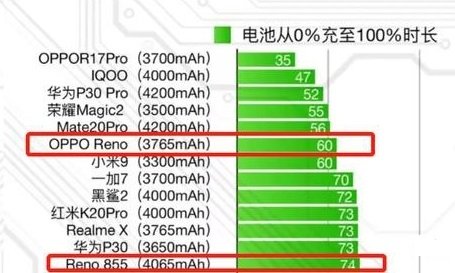
A higher watt rating does not guarantee a proportionally shorter charging time. Batteries charge at different rates during different parts of a cycle.
Phones often reduce power as the battery gets fuller. This helps control heat and battery stress. As a result, a charger may reach its highest power for only part of a charging session.
20W vs 25W vs 45W: What Is the Difference?
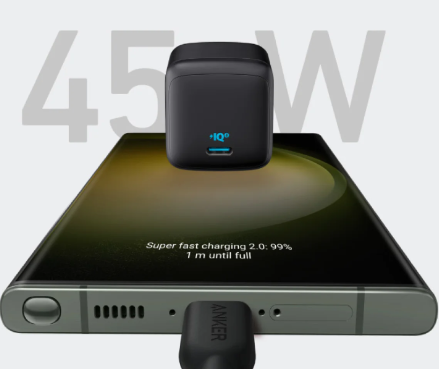
The difference between 20W, 25W and 45W can be noticeable, but the result depends on the phone. A phone that accepts only 20W will not suddenly charge at 45W when you connect a 45W adapter.
A compatible 45W phone can gain more power during the early part of charging than a comparable 25W phone. Yet the full charging time will not be exactly 44 percent shorter because charging power changes as the battery fills.
For people who often leave home with a low battery, the difference can matter. A short charge during a lunch break, airport stop or coffee run can add useful battery power when the phone and charger support higher charging rates.

- ✦ 20W charging
Good for many phones and usually a major step up from basic low-power USB charging.
- ✦ 25W charging
A common modern phone charging level and often enough for quick daily top-ups.
- ✦ 45W charging
Useful when the phone supports it and you want faster top-ups during short breaks.
- ✦ 65W charging
Can be valuable for devices that support it, especially when one charger also needs to handle tablets or laptops.
Is 45W Really Faster Than 25W?
It can be, but only when the phone supports a suitable 45W charging mode. The phone must also have the right charger and cable combination.
The difference may be largest when the battery is low. As the battery approaches a high charge level, the phone usually reduces power, so the gap between two chargers can become smaller.
What Wattage Is Super Fast Charging for Samsung Phones?
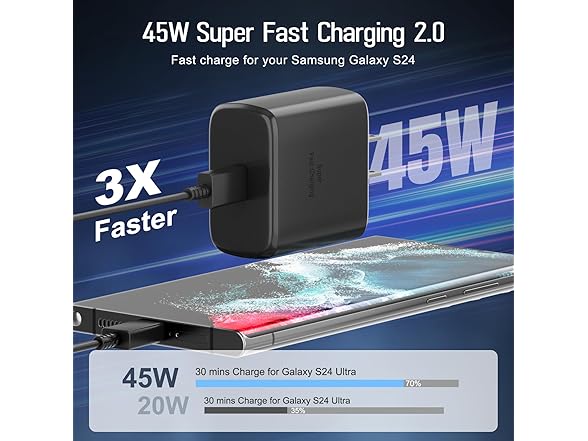
Samsung uses the name Super Fast Charging for supported Galaxy devices. The exact charging power depends on the model and charging system. Some Galaxy phones support around 25W, while selected models support higher levels such as 45W.
This is an important example of why the question **what wattage is super fast charging** has no universal answer. Samsung’s Super Fast Charging name is tied to compatible Samsung devices and charging technology rather than one watt number that applies to every phone.
When buying a charger for a Galaxy phone, check the exact model specification. A charger can have a high watt rating and still fail to deliver the phone’s advertised maximum if the required protocol or cable is missing.

- ✦ Check the phone model
Charging limits vary across Galaxy models, so the exact device matters.
- ✦ Check the charging protocol
The phone may need a specific USB Power Delivery or PPS mode to reach its higher charging rate.
- ✦ Check the cable
The cable must support the required power level and charging conditions.
Why PPS Matters for Some Super Fast Charging Systems
PPS stands for Programmable Power Supply. It lets a compatible phone and charger adjust voltage and current more precisely during charging.
This can help a device manage power and heat while maintaining a high charging rate. A charger may list USB Power Delivery but still lack the PPS support needed for a phone’s highest advertised charging mode.
USB Power Delivery and Super Fast Charging
USB Power Delivery, often called USB PD, is a major charging standard used across phones, tablets, laptops and other devices. It allows a charger and device to negotiate an appropriate power level.
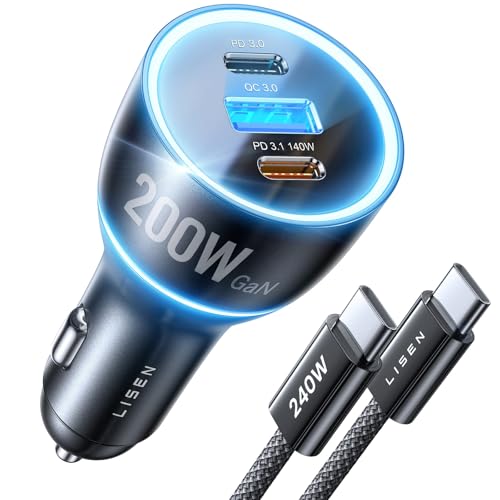
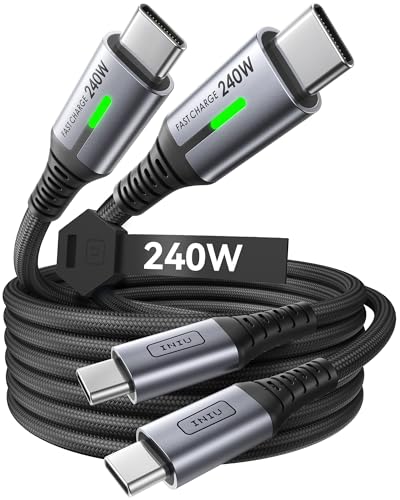
USB-IF has expanded USB PD to support much higher power levels than older USB charging systems. USB PD 3.1 can support up to 240W with compatible equipment, although that does not mean a smartphone will use 240W.
For consumers, the key point is simple: USB-C describes the connector, while USB Power Delivery describes a charging technology. They are related, but they are not the same thing.
- ✦ USB-C
A connector and cable system. USB-C alone does not tell you the maximum charging power.
- ✦ USB PD
A power delivery system that allows compatible devices and chargers to negotiate power.
- ✦ PPS
A USB PD feature that allows more flexible voltage and current adjustment on compatible systems.
- ✦ 240W capability
USB PD can support up to 240W with compatible USB-C equipment, but a device only uses the power it supports.
Why a 100W Charger Can Safely Charge a 25W Phone
The 100W label is a maximum output capability, not a command to push 100W into every connected device. A compatible phone negotiates its required charging power.
This is also why one high-quality USB-C charger can often serve several devices. The same adapter may charge a phone, tablet or laptop at different power levels.
Does a Higher Watt Charger Charge Faster?
Only if the device can use the extra power. If your phone has a 25W charging limit, moving from a 25W adapter to a 100W adapter will not make that phone charge at 100W.
Even on a phone that supports higher wattage, the maximum rate may last only for part of the charging cycle. Battery temperature, battery level, screen use and other system conditions can reduce power.
This is one of the most common mistakes people make when shopping for a charger. They compare the largest watt number on the box without checking the phone’s actual charging requirements.

- ✦ Phone limit
The phone controls how much power it accepts.
- ✦ Battery level
Charging power often falls as the battery gets closer to full.
- ✦ Temperature
High heat can cause the phone to reduce charging power.
- ✦ Usage
Gaming, video recording and other heavy tasks can add heat and reduce charging performance.
- ✦ Charger and cable
The charger and cable must support the required charging mode.
Why Charging Slows Near Full Battery
Lithium-ion batteries do not charge at one constant rate from empty to full. Phones manage the final part of charging more carefully.
The phone may reduce current as the battery approaches a high state of charge. This helps manage heat and battery stress, so a charger that reaches a high peak wattage does not maintain that peak until 100 percent.
What Charger Wattage Should You Buy?
For most U.S. smartphone users, the right charger is the one that matches the phone’s supported charging standard. Buying a much higher wattage charger can still be useful if you also charge a tablet, laptop or another device.
A 25W charger can be a sensible choice for a phone that supports 25W. A 45W charger makes more sense when the phone supports 45W or when you want one adapter for several devices.
If you are buying a charger today, look beyond the large watt number. Check USB Power Delivery support, PPS support when required, cable rating and the manufacturer’s stated compatibility.

- ✦ For a 20W phone
A quality 20W or higher compatible USB-C charger is generally sufficient.
- ✦ For a 25W phone
A 25W or higher compatible charger can provide the phone’s supported peak charging level.
- ✦ For a 45W phone
Choose a compatible 45W charger and make sure the charging protocol and cable support the required mode.
- ✦ For mixed devices
A 65W or 100W multi-port charger can be useful when one adapter must serve phones, tablets and laptops.
A Simple Buying Rule
Start with the phone’s maximum supported charging power. Then check the charging standard. Finally, check the cable.
This approach is more reliable than choosing a charger only because it has the highest wattage. It also helps avoid paying extra for power your phone cannot use.
Does Fast Charging Hurt Your Phone Battery?
Fast charging can create more heat than slower charging, but modern phones use charging controls to manage power and temperature. The presence of a high-watt charger does not mean the battery receives maximum power all the time.
Heat is an important factor in battery aging. Phones may lower charging power when they become too warm, and charging performance can also change in very hot or very cold conditions.
For everyday use, use a quality charger and cable that match the phone’s requirements. Avoid covering a phone with thick materials while charging if the device becomes noticeably hot.
- ✦ Use compatible equipment
Choose chargers and cables from reputable manufacturers and check the required charging standard.
- ✦ Manage heat
Keep the phone in a place where heat can escape during demanding charging sessions.
- ✦ Do not chase peak watts
The highest wattage is not always useful if the phone cannot accept it.
- ✦ Watch charging behavior
Some phones may reduce charging power when temperature or battery conditions require it.
Fast Charging Versus Battery Health
Charging speed is only one part of battery health. Heat, charge cycles, usage patterns and battery age also matter.
A fast charger can be convenient without being a reason to avoid fast charging altogether. The better goal is to use a charging system designed for the phone and let the phone’s built-in controls manage the battery.
How to Tell If Your Phone Is Really Super Fast Charging
The easiest way is to check the phone maker’s specifications and the charging message shown on the phone. Some devices display a specific fast charging label when a compatible charger is connected.
You can also check the charger label. Look for its supported output profiles, such as USB PD and PPS. A charger marked 45W does not necessarily provide 45W through every port or every charging mode.
For a more technical check, USB-C power meters can show charging voltage, current and approximate power. These readings can change from minute to minute, so a single reading does not represent the whole charging session.
- ✦ Check the phone specification
Find the maximum wired charging power and supported charging protocols for your exact model.
- ✦ Check the charger label
Review the output profiles and total power for the port you plan to use.
- ✦ Check the cable
Make sure its power rating is high enough for the charging mode you want.
- ✦ Test real charging
A USB-C power meter can help show the power used at a particular moment.
Why the Number on a Power Meter Keeps Changing
Charging power is dynamic. The phone may request more power when the battery is low and less power as the battery fills.
Screen use, temperature and background activity can also change the reading. This is normal and does not mean the charger is failing.