Power Bank What Is It: A Complete Guide For 2026
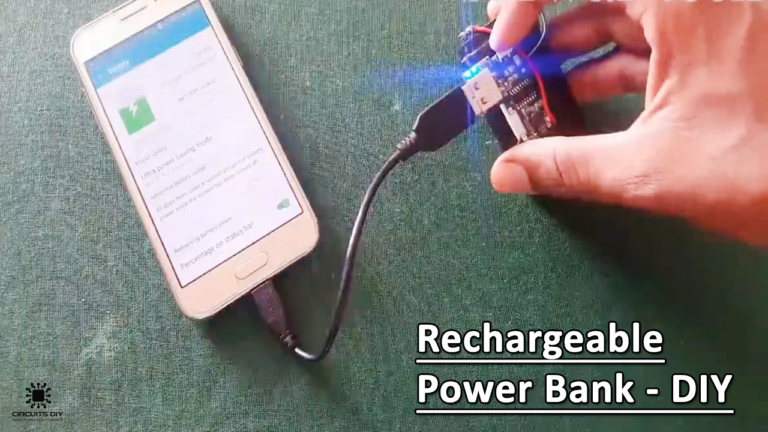
A power bank is a portable battery that charges your phone, tablet, or other devices when you have no access to a wall outlet. Think of it as a small, reliable energy reservoir you can carry in your bag, ready to bring a dying phone back to life during a long commute, a camping trip, or a busy workday.
If you’ve ever watched your battery drop to 5% with no charger in sight, you already know why these little devices matter. I’ve relied on them for years, from backpacking trips to late-night Uber shifts, and they’ve saved me more times than I can count. In this guide, I’ll walk you through exactly what a power bank is, how it works, what to look for when buying one, and how to get the most out of it.
What Is a Power Bank
A power bank is essentially a rechargeable battery pack designed to store electrical energy and deliver it to your devices on demand. Most modern power banks use lithium-ion or lithium-polymer cells, the same technology found inside your smartphone, just packed into a bigger, more durable housing.
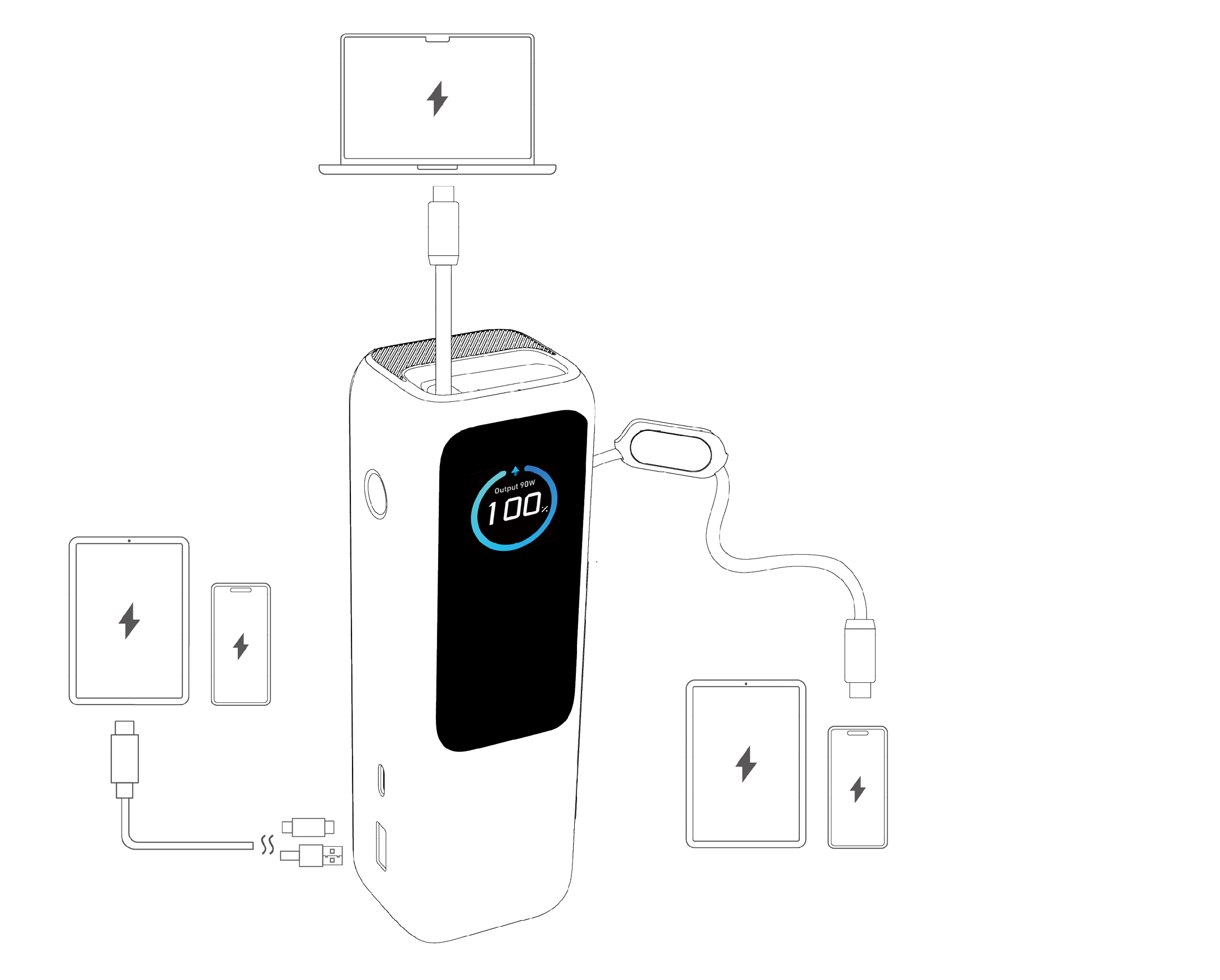
At its core, a power bank has three main components:
- A battery cell that stores energy
- A charging circuit that controls how energy flows in and out
- One or more output ports, usually USB-A, USB-C, or even wireless charging pads
When you plug a device into a power bank, the stored energy moves through the output port and into your phone or tablet, topping up the battery. When the power bank itself runs low, you recharge it using a wall adapter, computer, or even solar power in some models.
How Does a Power Bank Work
The science behind a power bank is simpler than you might think. It converts stored chemical energy into electrical energy and sends it through a cable or wirelessly to your device.
Here’s the basic process:
- Charging the power bank: You plug it into a power source. Energy flows into the battery cells and gets stored.
- Discharging to your device: When you connect your phone, the internal circuit releases energy in a controlled way, protecting your device from sudden surges.
- Smart detection: Most quality power banks detect what kind of device is plugged in and deliver the right amount of power for safe, fast charging.
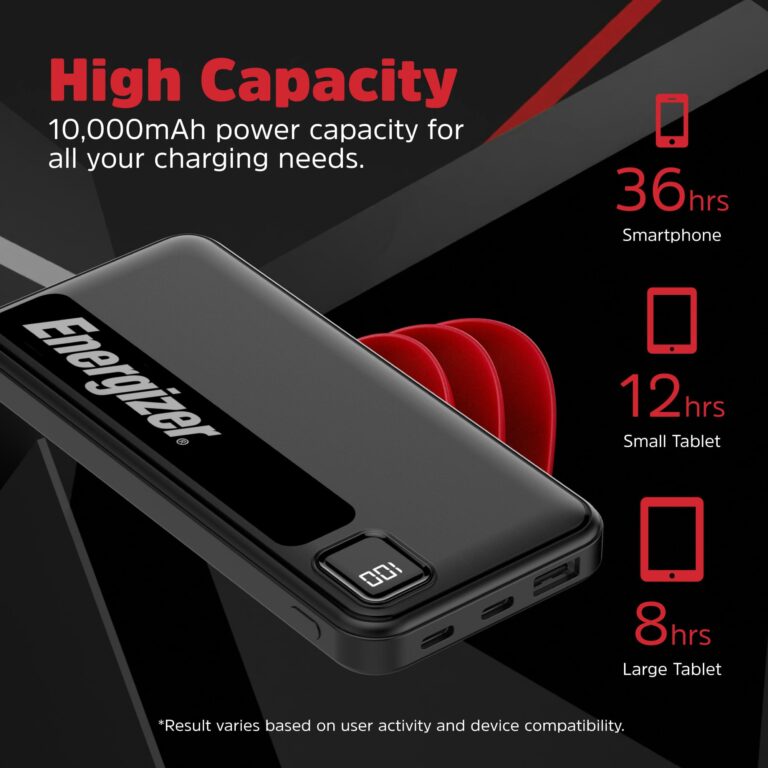
The key spec to understand here is capacity, measured in milliampere-hours (mAh). A 10,000 mAh power bank can recharge a typical smartphone two to three times, while a 20,000 mAh model can handle a phone and a tablet, or even a small laptop.
Types of Power Banks
Not all power banks are built the same. Over the years, I’ve tested dozens of them, and the differences in design and use case really matter.
Standard Portable Power Banks
These are the everyday workhorses. They come in sizes ranging from 5,000 mAh to 30,000 mAh, fit easily in a backpack, and are perfect for travel, commuting, or emergencies. Most people start here, and honestly, a good 10,000 mAh model is all most users ever need.
High-Capacity Power Banks
If you’re powering a laptop, a camera, or multiple devices on a long trip, you’ll want something with 20,000 mAh or more. These are heavier and bulkier, but the trade-off is worth it when you’re off the grid for days.
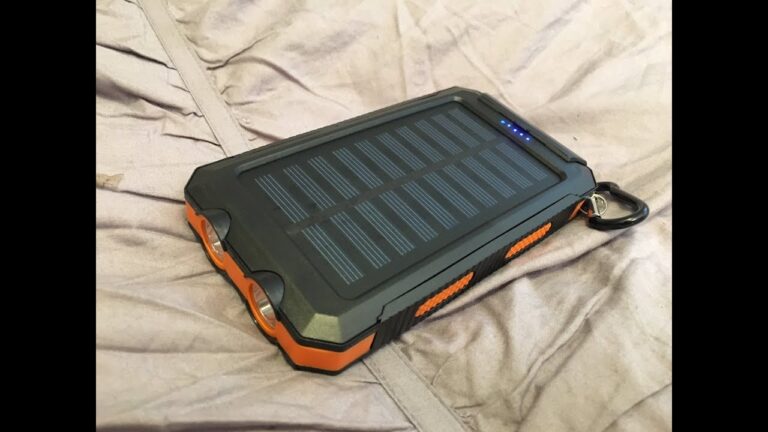
Solar Power Banks
These have built-in solar panels for emergency recharging. I’ll be honest, they’re slower than wall charging and depend on direct sunlight, but they can be a lifesaver on camping trips or during power outages. Think of them as a backup to your backup.
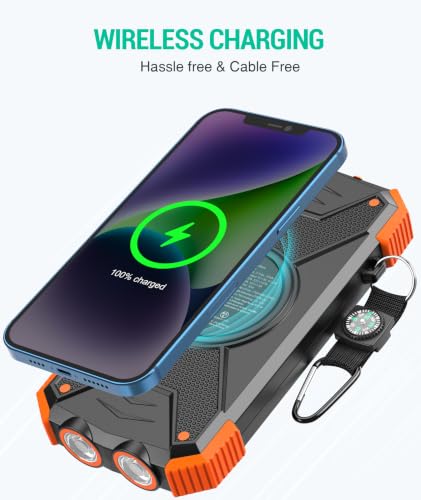
Wireless Power Banks
These support Qi wireless charging, so you just place your phone on top and it charges without a cable. They’re convenient, though slightly less efficient than wired options.
Mini or Lipstick-Sized Power Banks
Tiny, lightweight, and designed for emergency top-ups. They won’t fully charge a phone, but they’ll give you enough juice to make an important call or get through the rest of the day.

Key Features to Look for When Buying a Power Bank
After years of testing power banks across price ranges, I’ve learned that capacity isn’t everything. Here are the features that actually matter:
- Capacity: Match it to your needs. For a phone, 10,000 mAh is a sweet spot. For laptops, look at 20,000 mAh and above.
- Output ports: USB-C Power Delivery (PD) is now the standard. It charges modern phones and even some laptops quickly.
- Fast charging support: Look for Quick Charge or PD compatibility. It makes a huge difference in daily use.
- Build quality: A solid outer shell, proper ventilation, and good internal circuitry all extend the life of the device.
- Safety features: Overcharge protection, short circuit prevention, and temperature control are non-negotiable.
- Weight and size: Bigger capacity means more weight. Find the balance that fits your lifestyle.
- Pass-through charging: Some power banks let you charge your device while the power bank itself is plugged in. Handy for travel.
Benefits of Using a Power Bank
There’s a reason power banks have become everyday essentials. The benefits go far beyond just convenience.
- Portability: You carry a full day’s worth of energy in your pocket or bag.
- Emergency readiness: Power outages, natural disasters, or car breakdowns become far less stressful.
- Travel freedom: No more hunting for outlets at airports, train stations, or coffee shops.
- Multi-device charging: Many power banks have two or three ports, so you can charge your phone, earbuds, and watch at the same time.
- Productivity: A dead phone in the middle of a work call or a navigation session is more than annoying, it can be dangerous. A power bank keeps you connected.
Limitations and Things to Watch Out For
I’d be doing you a disservice if I didn’t mention the downsides. Power banks aren’t perfect, and I’ve learned a few lessons the hard way.
- They lose charge over time: Even when unused, a power bank slowly loses power. Check it before any trip.
- Cheap ones can be risky: Off-brand power banks sometimes skip safety features. Stick with trusted brands.
- Airlines have rules: Most airlines limit power banks to 100 Wh (around 27,000 mAh) in carry-on luggage. Check before you fly.
- Heat is the enemy: Leaving a power bank in a hot car can damage the battery and shorten its lifespan.
- Capacity isn’t always what it seems: A 20,000 mAh power bank won’t deliver 20,000 mAh to your phone because of energy loss during conversion. Expect about 60 to 70 percent efficiency.
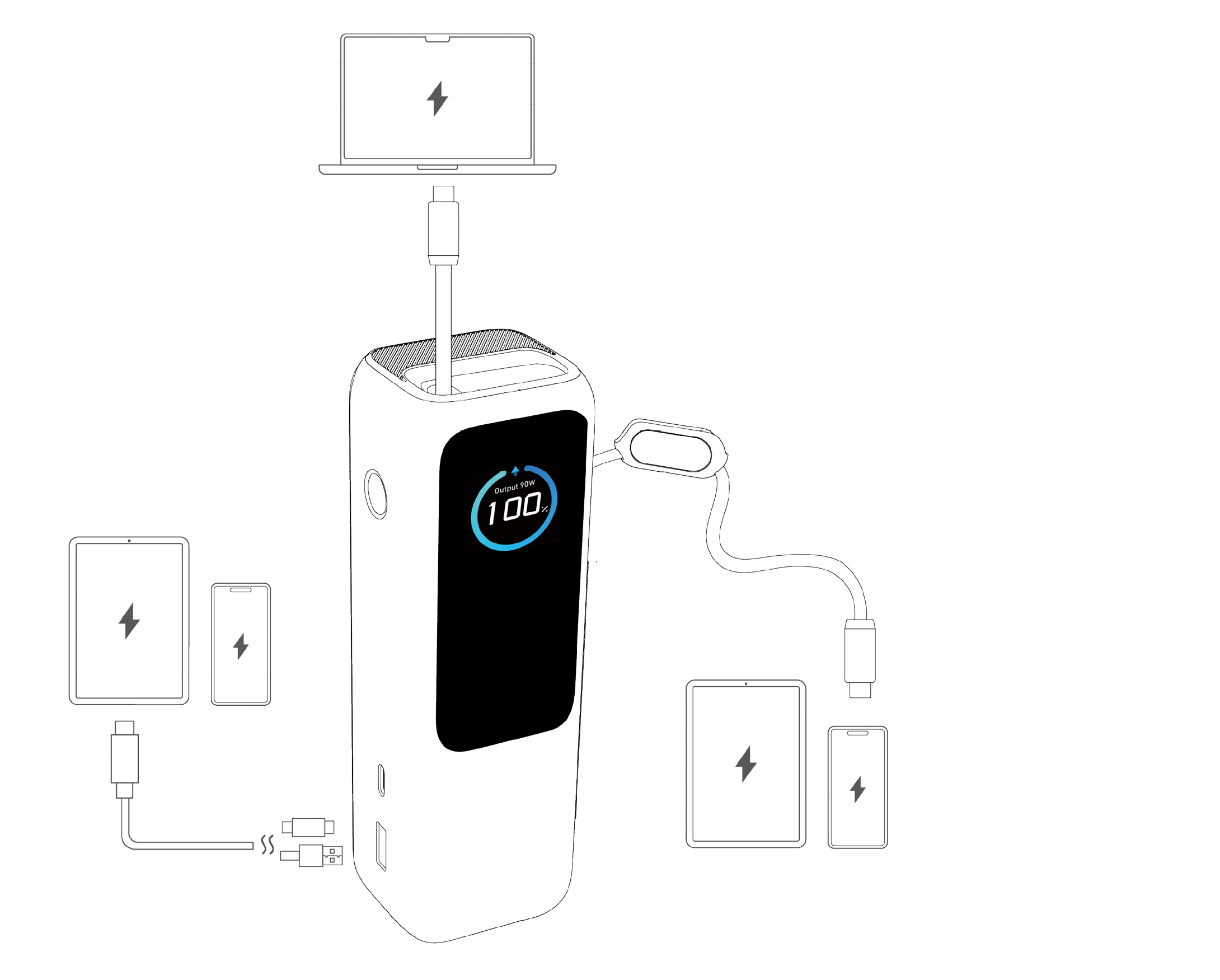
How to Choose the Right Power Bank for You
The best power bank is the one that fits your routine. Here’s how I’d think about it if I were starting fresh today.
- For daily commuters: A 10,000 mAh power bank with USB-C PD and a slim design is ideal.
- For travelers: A 20,000 mAh model with multiple ports and international safety certifications is worth the extra weight.
- For outdoor enthusiasts: A rugged, water-resistant power bank with solar backup gives you peace of mind.
- For students: A mid-size, lightweight power bank that fits in a backpack is all you need for a day on campus.
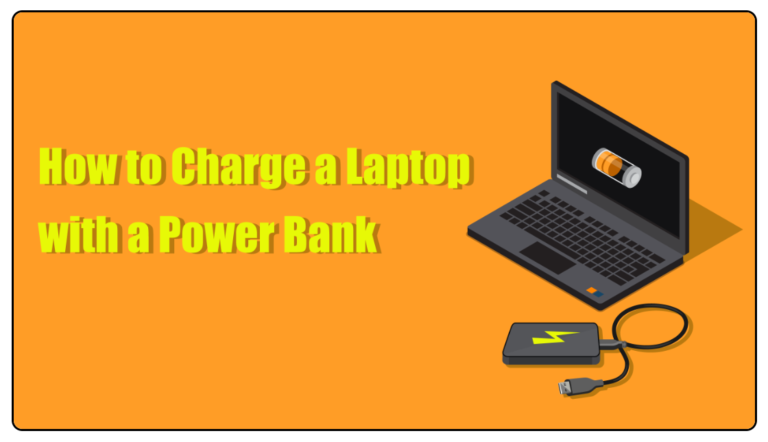
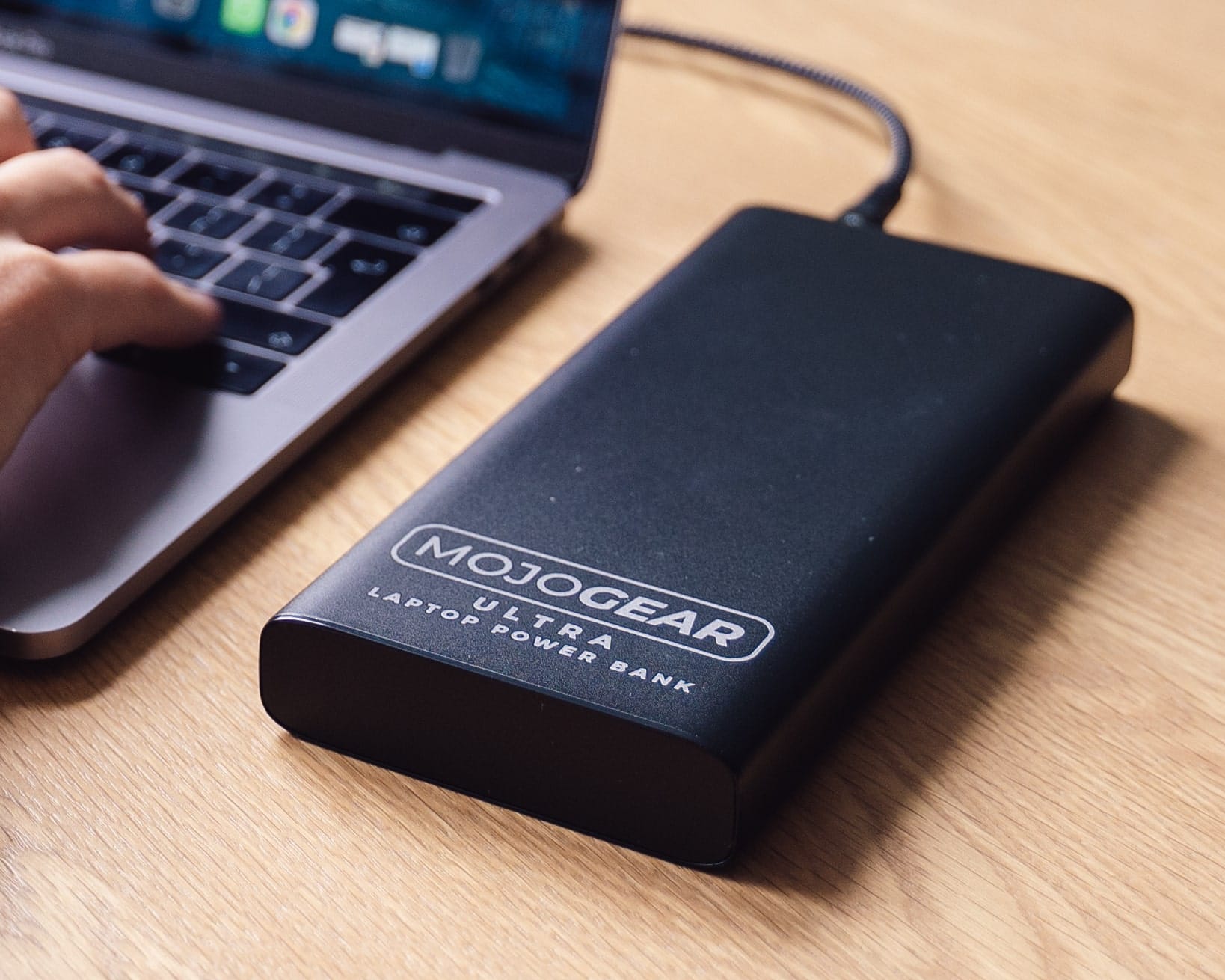
- For professionals: Look for one that can charge a laptop. It’s a game-changer on long workdays.
Tips for Getting the Most Out of Your Power Bank
Over the years, I’ve picked up habits that have doubled the lifespan of my power banks.
- Charge it before it fully dies. Don’t let it sit at 0 percent for weeks.
- Store it at around 50 percent if you’re not using it for a while.
- Use the right cable. A high-quality USB-C cable makes a big difference in charging speed.
- Keep it cool. Heat is the number one killer of lithium batteries.
- Clean the ports occasionally. Dust and lint can block connections.
Common Myths About Power Banks
Let me clear up a few myths I hear all the time.
- Myth: Higher mAh always means better. Truth: It depends on your needs. Carrying a 30,000 mAh brick for a night out is overkill.
- Myth: You should always let it drain to 0 percent. Truth: Lithium batteries prefer partial discharges. Topping up is better than deep cycling.
- Myth: All power banks can charge laptops. Truth: Only those with USB-C PD and enough output wattage (usually 45W or more) can.
- Myth: You can’t use your phone while it’s charging from a power bank. Truth: Of course you can. It just charges a bit slower.
Frequently Asked Questions
What is a power bank used for?
A power bank is used to charge electronic devices like smartphones, tablets, earbuds, smartwatches, and even laptops when you don’t have access to a wall outlet. It’s a portable source of backup power.
How long does a power bank last?
A good power bank typically lasts 300 to 500 full charge cycles, which translates to about 2 to 3 years of regular use. With proper care, some last even longer.
Is it okay to leave a power bank charging overnight?
Most modern power banks have overcharge protection, so it’s generally safe. However, unplugging once it’s full extends the battery’s overall lifespan.
Can a power bank damage my phone?
No, not if it’s from a reputable brand with proper safety features. Quality power banks regulate voltage and current to protect your device.
How do I know which capacity power bank I need?
Think about how many times you want to charge your phone. A 10,000 mAh power bank charges most phones 2 to 3 times. Multiply that for tablets or laptops.
Final Thoughts
A power bank is one of those small investments that pays off in a big way. Whether you’re commuting, traveling, or just dealing with the reality of battery-hungry smartphones, having a reliable power bank gives you freedom and peace of mind. I’ve kept one in my bag for years, and honestly, I feel a little lost without it.
If you’re shopping for one, focus on capacity that matches your lifestyle, fast charging support, and solid safety features. Avoid the cheapest options, because cutting corners on battery technology is never worth the risk.
Take a few minutes today to think about how often you run low on battery. That answer will tell you exactly which power bank belongs in your life. And once you find the right one, you’ll wonder how you ever lived without it.