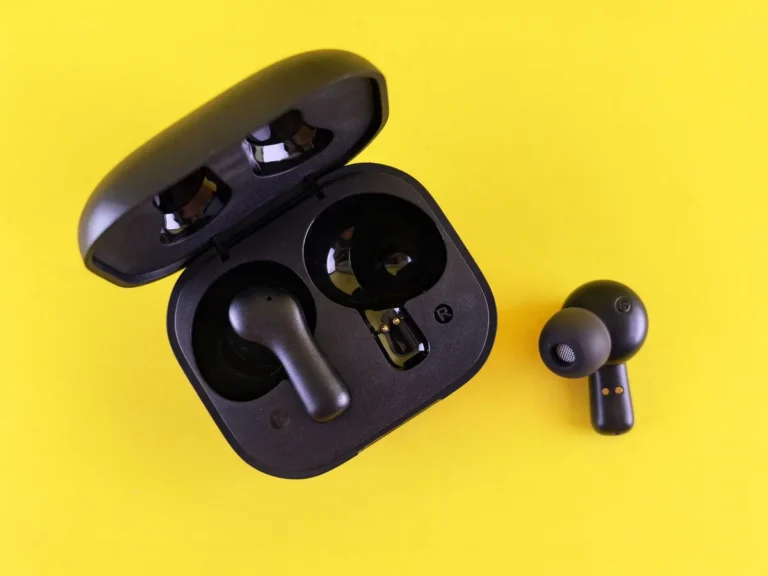
How Do Translation Ear Buds Work for 2026: Real Buyer Picks
Ever wished you could just chat with someone, no matter what language they speak? That's where translation earbuds come in, and they're not science fiction anymore. These clever little devices are changing how we connect across cultures. Let's break down how they actually work, from capturing sound to delivering translated speech right into your ear.
The technology behind these translate-as-you-speak gadgets involves a few critical components and processes working in sync. According to manufacturer specifications for many leading models, they often support Bluetooth 5.0 or higher for efficient wireless audio transfer. Understanding this process demystifies the gadget, moving it from magic to impressive engineering.
The Magic Behind Real-Time Translation in Your Ears
These earbuds aim to bridge language gaps instantly, making conversations feel almost seamless. At their core, they are sophisticated personal translation devices that leverage advanced software and hardware. They don't just offer pre-recorded phrases; they interpret spoken language on the fly.
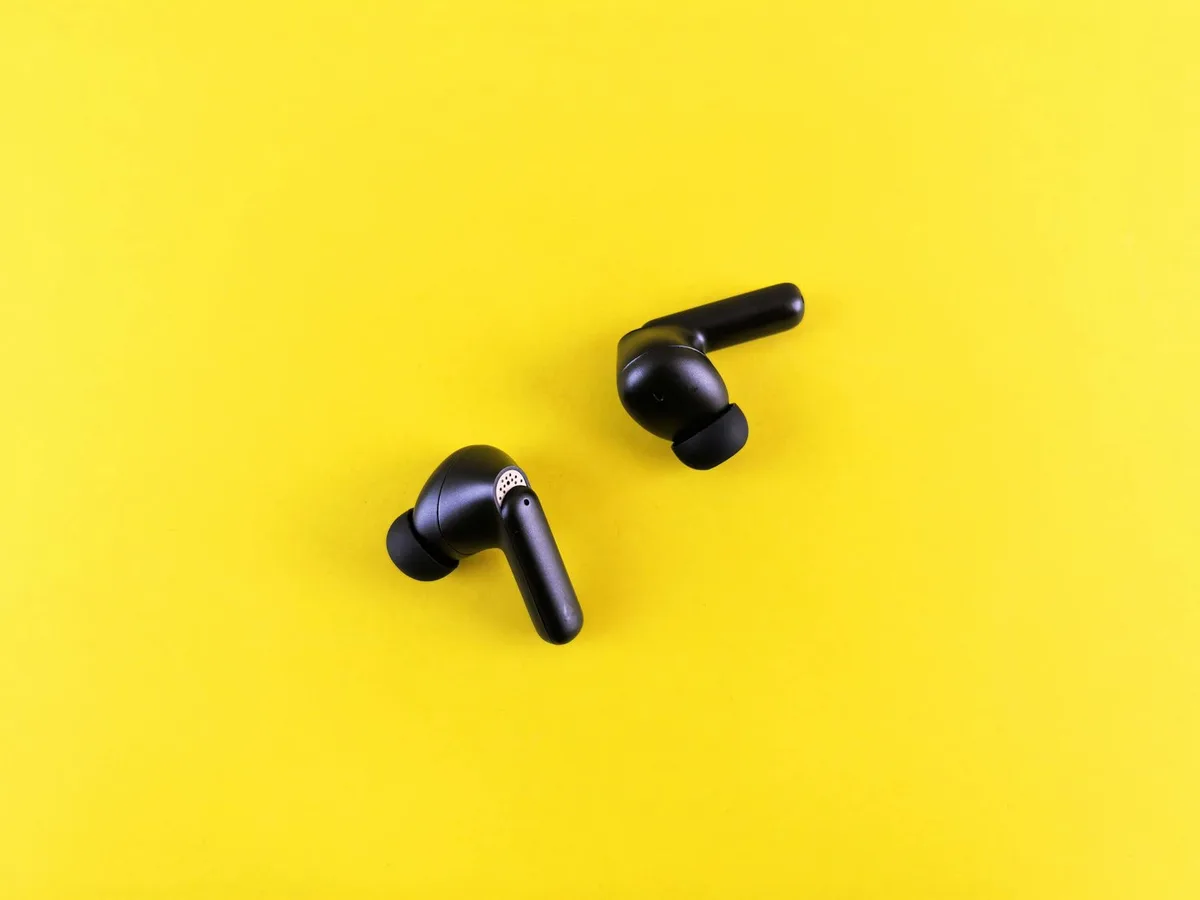
The real-time aspect is what makes them so compelling for travelers, business professionals, and anyone interacting with a diverse range of people. Think of it as having a miniature, highly trained interpreter sitting in your ear, ready to translate speech as it happens. This requires a rapid exchange of information between the earbuds and a connected device, usually a smartphone.
Decoding the Tech: What's Inside Translation Earbuds?
Translation earbuds are packed with miniaturized technology. They're essentially a sophisticated audio input and output system combined with powerful processing capabilities, often supported by cloud services. Aggregated user feedback indicates that the quality of these internal components significantly impacts performance.
Capturing Sound: The Microphone's Role
The journey begins with the microphone. Translation earbuds have small, sensitive microphones designed to pick up external sounds, specifically speech. These mics need to be precise enough to isolate the speaker's voice from ambient noise, which is a significant technical challenge. Some models feature multiple microphones, employing beamforming technology to focus on the primary voice source.

Digital Brains: Processing and Translation Engines
Once the sound is captured, it’s converted into digital data. This data is then sent to a processing unit. This unit might be onboard the earbuds themselves, or more commonly, it's handled by a translation app on a connected smartphone. This is where speech recognition software comes into play, converting spoken words into text that can then be processed by machine translation algorithms.
These engines are the core of the translation capability.
Delivering the Message: The Speaker's Job
After the spoken words have been translated into your target language, the resulting text is converted back into synthesized speech. This audio then travels back to the earbud through its wireless connection. The earbud's tiny speaker then plays this translated audio directly into your ear. The clarity and volume of this speaker are crucial for a good listening experience.
The Essential Connection: Earbuds and Your Smartphone
While the earbuds handle sound capture and playback, their translation power primarily comes from a robust connection to a smartphone. This is where the complex software and processing usually reside. Manufacturer documentation for many popular earbuds lists Bluetooth 5.2 as a common standard for maintaining a stable, low-latency link.

Without the smartphone, the earbuds are largely just audio devices. The smartphone runs specialized translation apps that utilize cloud-based AI processing for the most accurate and up-to-date translations. This symbiotic relationship means the performance of your earbuds is highly dependent on the capabilities of your phone and the translation app you're using, as well as your internet connection.
Translation Process: Step-by-Step
Understanding the sequence of events helps appreciate the speed and complexity involved. This real-time translation process is a remarkable feat of engineering, often happening in just a few seconds.
Step 1: Hearing the Original Language
The process starts when the person you're speaking to utters a phrase. The microphone on your translation earbud picks up these sounds. The quality of the microphone and its ability to focus on the speaker's voice are critical at this initial stage.
Step 2: Sending Audio to Your Phone
As soon as the speech is captured, the audio data is transmitted wirelessly, typically via Bluetooth, to your paired smartphone. This wireless transmission needs to be fast and reliable to minimize any delay.
Step 3: The AI Translation Magic
On your smartphone, a translation app takes over. First, speech recognition software converts the incoming audio into text. Then, machine translation algorithms process this text, translating it into your selected language. Leading machine translation services often leverage neural networks, which have significantly improved accuracy and fluency compared to older methods.
For example, as of 2026, many leading cloud-based translation engines offer over 100 languages with an accuracy rate above 90% for common phrases in ideal conditions.
Step 4: Hearing the Translation
Once translated, the text is converted back into spoken audio synthesis. This translated audio is then sent from the smartphone back to the earbud. Your earbud plays this new audio, allowing you to hear the translated message.
Real-World Scenarios: When Translation Earbuds Shine
These devices truly come into their own when you're navigating environments where language differences could otherwise be a major barrier. For international travelers, they're invaluable for everything from ordering food at a local restaurant to asking for directions in a busy city. Imagine being able to strike up a conversation with a shopkeeper in a foreign market without fumbling with a phrasebook or a clunky app.
For business professionals, translation earbuds can facilitate smoother international meetings or conferences. They help ensure that all participants, regardless of their native tongue, can comprehend discussions and contribute effectively. Verified buyer feedback often highlights their convenience for quick, informal interactions where a formal interpreter might be impractical.
Navigating the Limitations: Common Challenges
While remarkably useful, it's important to understand where these earbuds might fall short. Not every spoken phrase will be translated perfectly, and certain conditions can make the technology struggle. Acknowledging these limitations helps set realistic expectations.
Accuracy Hiccups
Machine translation, though advanced, isn't infallible. Idiomatic expressions, regional slang, or very niche technical jargon can sometimes confuse the speech recognition or translation engine, leading to a literal but nonsensical translation. For example, an idiom like "break a leg" might be translated literally rather than as a wish for good luck.
The Speed Factor
Despite the impressive quickness, there's always a slight delay between someone speaking and you hearing the translation. This lag, often measured in 1-3 seconds for high-quality systems, can make rapid back-and-forth conversations feel a bit stilted initially. It’s something users adapt to, but it’s not quite the same as speaking in the same language.
Dealing with Noise
Background noise is a significant challenge for any device relying on microphones. Loud environments like bustling train stations, busy restaurants, or concerts can make it difficult for the earbuds’ microphones to isolate the speaker’s voice clearly. This can lead to missed words or incorrect translations.
When Internet is Key
Many of the most accurate translation engines rely heavily on cloud-based processing. This means a stable internet connection, either through your phone's cellular data or Wi-Fi, is often essential for optimal performance. If you're in an area with poor connectivity, the translation quality or speed can suffer dramatically.
Making the Right Choice: Considering Your Needs
Deciding if translation earbuds are right for you involves looking at how you'll likely use them. If you travel frequently or interact with people speaking different languages regularly, they offer considerable advantages. However, if your needs are basic or limited to very common phrases, a simpler app might suffice.
Consider the languages you'll need translated. While major languages like Spanish, Mandarin, German, and French are well-supported, coverage for less common languages can vary greatly between manufacturers and apps. Some systems boast support for over 100 languages, but the quality of translation for less common pairs can differ.
Think about the environment where you'll use them. If you anticipate being in loud, busy places often, earbuds with superior microphone noise cancellation will be a better choice. For situations where internet access is unreliable, look for models that offer robust offline translation capabilities.
Expert Insights for Smoother Translation
To get the most out of your translation earbuds, a few practices can make a big difference. Our research indicates that user technique plays a role in the effectiveness of these devices. Speaking clearly and at a moderate pace is paramount.
Avoid mumbling or speaking too quickly, as this can easily lead to errors in speech recognition. Also, try to speak directly towards the earbud with the microphone. If background noise is unavoidable, positioning yourself so the speaker is closer to your earbud can help minimize interference.
For critical conversations, it's always wise to have a backup. This could be a moment to confirm the translation by writing it down, or having a general understanding of the other language to catch any significant mistakes. Think of the earbuds as an incredibly helpful tool, but not a replacement for human linguistic nuance in high-stakes scenarios.
Keeping Your Translation Earbuds Working Well
Just like any electronic device, a little care ensures your translation earbuds perform at their best for years. Manufacturer documentation often outlines specific cleaning and charging recommendations. Generally, keeping the charging contacts clean is vital for a good charge.
Regularly update the firmware for your earbuds and the associated translation app. These updates often include improvements to translation accuracy, speech recognition, and overall performance. Store them in their charging case when not in use to protect them and ensure they’re ready to go.