How Long Does The Power Bank Last: Real Usage Time Guide
A typical power bank lasts from one full charge to several full charges, depending on capacity and use.
I’ve tested dozens of power banks and written about portable power for years. This article explains how long does the power bank last in clear, practical terms. You will learn the main factors that affect runtime, simple ways to estimate charges, real-world examples, maintenance tips, and when to replace your bank. Read on and you’ll be able to pick, use, and care for a power bank with confidence.

What determines how long does the power bank last?
Several factors shape how long does the power bank last. Know these and you get realistic expectations.
Capacity (mAh)
Higher mAh usually means more charges. A 20,000 mAh bank stores more energy than a 5,000 mAh bank.Usable efficiency
Not all stored energy reaches your device. Conversion and voltage loss lower usable capacity. Typical efficiency is 60% to 90%.Device battery size
A phone with a 3,000 mAh battery will charge more times than a tablet with a 7,000 mAh battery from the same bank.Output current and charging protocol
Higher output amps can charge faster, but may reduce efficiency. Power Delivery and Quick Charge protocols change speed and power use.Number of devices and simultaneous charging
Charging two devices at once splits power and reduces the number of full charges.Age, temperature, and cable quality
Old cells, cold weather, and poor cables all reduce throughput and shorten runtime.
I’ve used power banks in cold weather and seen capacity drop by 20% or more. That made a long hike feel risky until I learned to keep the bank close to my body.

How to estimate how long does the power bank last (simple math)
You can estimate runtime with a short formula. Keep the math simple and practical.
- Step 1: Note the power bank capacity in mAh.
- Step 2: Note your device battery capacity in mAh.
- Step 3: Use a realistic efficiency factor (0.6 to 0.85).
Example formula: Estimated full charges = (Power bank mAh × Efficiency) ÷ Device mAh
Example calculations
- 10,000 mAh bank → (10,000 × 0.7) ÷ 3,000 ≈ 2.3 full phone charges.
- 20,000 mAh bank → (20,000 × 0.75) ÷ 3,000 ≈ 5 full phone charges.
- 5,000 mAh bank → (5,000 × 0.65) ÷ 3,000 ≈ 1 full phone charge.
Use a lower efficiency for older banks or when charging multiple devices. These simple checks help avoid surprises.

Typical runtimes by power bank type
Here are common capacity classes and what you can expect. This shows how long does the power bank last in everyday terms.
5,000 mAh (compact)
Best for a single day or one full phone charge. Good pocket choice.10,000 mAh (medium)
Usually 2 to 3 phone charges. Great for weekend outings.20,000 mAh (large)
Around 4 to 6 phone charges. Good for travel or shared use.30,000–50,000 mAh (high-capacity)
Multiple full charges for phones and some tablet top-ups. Bulkier and for long trips.50,000+ mAh (battery pack/portable charger)
Designed for many charges or powering laptops. Often heavy and airline-restricted.
These numbers assume typical phone batteries near 3,000 mAh and average efficiency. Actual results vary by device and use.
Real-world factors and tips to extend how long does the power bank last
Small actions add hours to runtime. Here are practical tips I use daily.
Use the right cable and port
A quality cable reduces loss. Use the bank’s best output for fast, efficient charging.Turn off phone features while charging
Airplane mode or low-power mode speeds up charging and reduces wasted power.Charge devices before they hit 0%
Charging from 20% to 80% is more efficient than deep cycles.Keep the power bank at mild temperatures
Avoid cold or hot environments. Heat and cold lower effective capacity.Store around 40% to 60% charged for long term
This keeps lithium cells healthy between uses.Cycle the bank occasionally
Use then recharge every 3 months if you store it. This maintains battery health.
I once left a bank fully charged in a hot car. Its capacity dropped noticeably after one summer. Since then I carry it in a jacket pocket.

Charging speed, protocols, and tradeoffs
Speed and capacity are linked. Understanding protocols helps you choose.
Power Delivery (PD) and Quick Charge (QC)
These deliver higher voltage or current. They charge faster but demand compatible devices.Higher current vs efficiency
Fast charging can be slightly less efficient. Expect a small hit to overall runtime.Single-port vs multi-port use
Charging two devices at once can lower each port’s output and reduce total available charges.PD for laptops
If you plan to charge laptops, check wattage output. A higher-watt bank lasts less time per watt consumed.
Fast charging is handy. But for maximum how long does the power bank last in terms of total energy delivered, slower steady charging can be a bit more efficient.
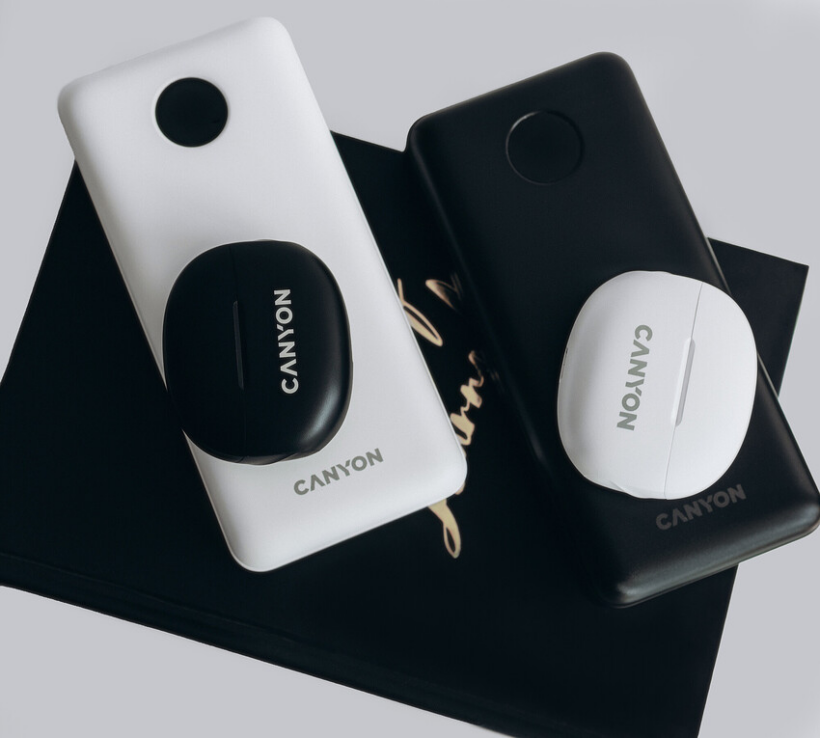
Lifespan: how long does the power bank last over years
Runtime per charge is one thing. Lifespan over years is another.
Cycle life
Most power banks use lithium cells rated for 300 to 1,000 cycles. Expect gradual capacity loss with use.Calendar life
Even unused, cells degrade. A typical useful life is 2 to 4 years for daily users.Signs to replace
Rapid capacity drop, swelling, or inconsistent charging mean replace.How to prolong life
Avoid full deep discharges and extreme heat. Use moderate charge levels and store partially charged.
I replace power banks every 2–3 years for reliable trips. I also keep older units as backups for low-stakes use.

Safety and maintenance when thinking about how long does the power bank last
Safety keeps runtime reliable. Follow these safety steps.
Buy certified units
Look for safety certifications and reputable brands. Cheap cells can be unsafe.Avoid physical damage
Don’t crush or puncture the bank. Swollen batteries need disposal.Don’t overcharge or leave plugged forever
Unplug after charging is complete to reduce stress on cells.Watch charging temperature
If the bank gets hot, stop charging and let it cool.Proper disposal
Recycle old banks at an electronics recycling point.
Good care keeps the power bank safe and ensures it lasts closer to its rated runtime.
Frequently Asked Questions of how long does the power bank last
How many times can a 10,000 mAh power bank charge a phone?
A 10,000 mAh bank will usually deliver about 2 to 3 full charges for a typical 3,000 mAh phone, assuming 60–80% efficiency. Real numbers vary by cable, phone usage, and age of the bank.
Does charging speed affect how long a power bank lasts per charge?
Yes. Fast charging can use more energy and slightly reduce efficiency, but it saves time. Overall runtime per charge drops a little with high-current fast charging.
How long does a power bank hold charge when unused?
Stored at room temperature and around 40–60% charge, a power bank can hold charge for several months, though some self-discharge happens. Expect to recharge stored banks every few months.
When should I replace my power bank?
Replace it if capacity drops significantly, charging becomes inconsistent, or you notice swelling. Also replace after 2–4 years of regular use for reliable performance.
Can I take a big power bank on an airplane?
Airline rules limit battery capacity that can be carried in baggage. Many high-capacity banks require airline approval or are restricted. Check airline rules before flying.
Personal experience and common mistakes
I’ve learned a few practical lessons over time. Sharing them can save you hassle.
Mistake: buying the biggest mAh without checking weight. I once packed a 30,000 mAh bank that added unnecessary bulk. Now I match capacity to trip length.
Mistake: using cheap cables. A bad cable reduced my effective charges by noticeable amounts. Investing in a quality cable paid off immediately.
Lesson: keep a small bank for day use and a large one for travel. This gives flexibility and keeps each bank in good health.
These small habits improved my real-world performance and made the question how long does the power bank last easier to answer for each trip.

Conclusion
You now have the tools to answer how long does the power bank last for your needs. Focus on capacity, efficiency, device size, and real-world factors like temperature and cables. Estimate charges with the simple formula, and follow care tips to extend both runtime and lifespan. Try a small test: fully charge a bank, use it with your device, and note real charges—this gives the best personal data. If this helped, subscribe, leave a comment, or share your own power bank experiences.