How to Wear Ear Buds 2026
You know that feeling when your earbuds just don't feel right? Either they're constantly slipping out, or they're just plain uncomfortable after a while. It’s a common frustration, but the good news is that getting a proper fit isn't rocket science. It’s more about understanding a few key principles of ear anatomy and how your earbuds are designed.
Manufacturer specifications for most ergonomic earbuds suggest an optimal insertion depth for comfort and sound quality, often correlating with a specific decibel reduction in ambient noise. Getting this right transforms your listening experience from mediocre to truly immersive. Let’s dive into how to make your earbuds work for you.
Why Earbud Fit Matters More Than You Think
The way you wear your earbuds directly impacts everything from comfort to sound quality. It’s not just about making them stay in; it's about how they interact with your ear canal and the surrounding cartilage.
When earbuds fit poorly, they can create pressure points that lead to discomfort, especially during extended listening sessions. This common problem might make you think you need more expensive earbuds, but often, it's just a matter of technique.
Quick Insight: The Secret to Great Earbud Sound is the Seal
If you're chasing that deep, rich bass and clear treble, the trick is achieving a proper seal. When your earbud creates a tight seal within your ear canal, it effectively blocks out external noise and allows the sound waves to travel directly into your ear. This is especially critical for earbuds that advertise active noise cancellation (ANC), as the ANC technology relies heavily on that physical seal to work its magic. Aggregate reviews report that without a good seal, ANC functionality can be reduced by up to 50%.
Understanding Your Ear and Earbud Anatomy
Let's break down what we're working with. Your ear isn't just a hole; it's a complex structure with hills, valleys, and a canal. The key parts for earbud fit are the concha (the bowl-like depression) and the ear canal itself. Earbuds are designed to nestle into these spaces.
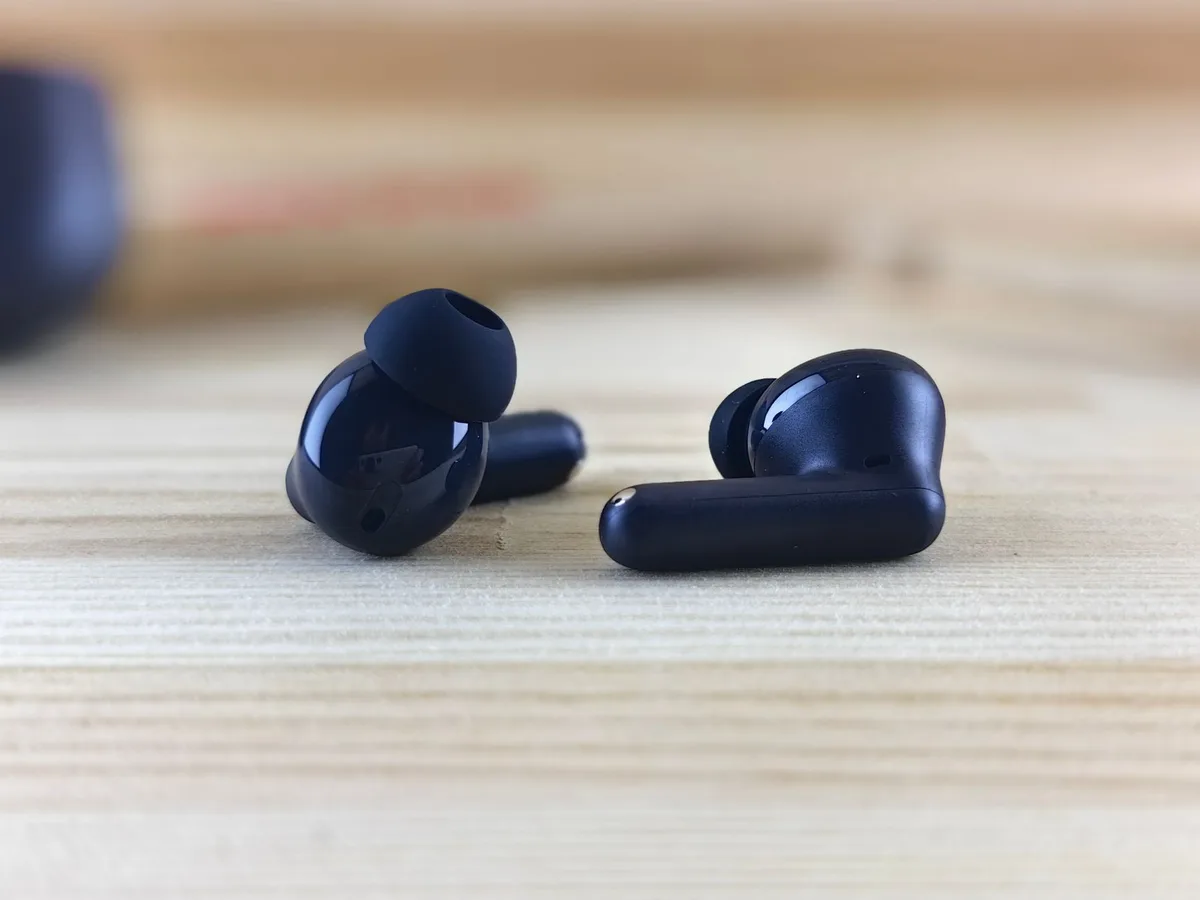
Most modern earbuds come with multiple ear tip sizes, typically small, medium, and large. These tips are usually made of silicone and are crucial for creating that seal. Some models also feature ear fins or hooks, which are designed to catch on the folds of your outer ear for added stability.
Step-by-Step: Achieving a Comfortable, Secure Earbud Fit
Getting the fit right is a process, and it usually only takes a few minutes once you know what to do. It’s about experimentation and paying attention to how things feel.
Selecting the Right Ear Tip Size
This is the most critical first step. Don’t just grab the medium tips that are pre-installed. Try on each size provided with your earbuds.
- Too Small: If the ear tip is too small, the earbud won't create a good seal. You’ll notice sound leakage, weak bass, and external noise will be very apparent. It will also feel loose and might slide out easily.
- Too Large: An ear tip that’s too large can feel painful, create pressure, and might not even fit fully into your ear canal. You might experience a dull ache or a feeling that the earbud is being pushed out.
- Just Right: The correct ear tip should gently expand to fill your ear canal, providing a snug but comfortable fit without causing pain. It should feel like it’s passively blocking some sound even before you play any audio.
Inserting Earbuds for Optimal Sound and Comfort
Once you've found the right ear tip size, the insertion technique becomes important. It’s not as simple as pushing them straight in. Many earbuds have a specific orientation that works best.

Manufacturer documentation often illustrates the correct insertion angle and rotation for their specific models. For many designs, this involves a slight twist as you push, allowing the earbud to seat itself securely in the concha and canal. The goal is to make the earbud feel almost invisible, without any part of it pressing uncomfortably against your ear.
The "Pull and Twist" Technique
Here’s a widely recommended method that’s helped countless users get a better fit. It leverages the natural shape of your ear to give you more space to work with.
- Gently pull your earlobe upwards and slightly outwards. This action helps to straighten out the S-curve of your ear canal, making it easier for the earbud to slide in and create a proper seal.
- Insert the earbud. With your earlobe still gently pulled, insert the earbud into your ear canal. You'll typically want to angle it slightly backward, following the contour of your ear.
- Twist and Seat. As you insert, give the earbud a slight clockwise or counter-clockwise twist. This motion helps the ear tip expand and conform to your ear canal, creating that all-important seal.
- Release and Check. Once inserted, gently release your earlobe. The earbud should feel secure, comfortable, and like it's not going anywhere. You should notice an immediate difference in sound isolation.
Troubleshooting: When Earbuds Sound Bad or Keep Falling Out
If you’ve gone through the steps and are still experiencing issues, don't get discouraged. There are a few common pitfalls that can crop up.
Common Earbud Fit Mistakes to Avoid
- Not Trying All Ear Tip Sizes: This is the number one mistake. Assuming your ears are "average" leads to using ill-fitting tips.
- Forceful Insertion: Jamming earbuds in can cause pain and damage to your ear canal, and it rarely results in a good seal. Gentleness is key.
- Ignoring the Angle: Earbuds aren't usually designed to go straight in. They have a specific orientation for optimal comfort and sound.
- Not Creating a Seal: If you can hear everything around you clearly, even at a moderate volume, your seal is probably compromised.
What to Do If They're Still Slipping
If you've tried different ear tip sizes and the pull-and-twist method, but your earbuds still feel loose or prone to falling out, consider these points:
- Check for Earwax Buildup: Excessive earwax can prevent ear tips from getting a good grip and sealing properly. Gently clean your ears according to health guidelines.
- Look for Additional Fit Features: Some earbuds come with stabilizing fins or wings. Make sure these are correctly positioned to engage with the folds of your ear. Consult the manufacturer’s guide for your specific model.
- Consider Aftermarket Ear Tips: Companies specialize in making premium ear tips from materials like memory foam, which can offer a more customized and secure fit for some ear shapes.
- Test Audio Quality: After inserting, play some music with a good amount of bass. If the bass is weak or sounds tinny, you likely don't have a good seal. Try re-inserting, perhaps with a different tip size or angle.