How to Find Ear Buds 2026
So, you're on the hunt for new earbuds, and finding the right pair feels like a quest. Maybe your old ones kicked the bucket, or perhaps you're ready to treat your ears to an upgrade. Don't sweat it; picking the perfect earbuds is all about matching them to your life.
It's not about chasing the "best" earbuds in theory, but the best ones for what you actually do. For instance, understanding the basics of noise isolation versus active noise cancellation (ANC) can save you a lot of headaches. Per common industry standards, a proper seal for passive noise isolation is crucial for balanced audio, while ANC technology uses microphones to actively counteract ambient sound.
What Kind of Earbuds Are We Talking About?
The world of earbuds can seem a bit crowded, but they generally fall into three main categories. Knowing these distinctions is your first step to narrowing down the field.
Wired Earbuds: The Classic Choice
These are the earbuds you plug directly into your device's audio jack. They’ve been around forever for a reason: simplicity and reliability. You don't need to worry about charging them separately, and they tend to be quite affordable, often delivering excellent sound quality for the price. However, let's be real, that connecting wire can get tangled, snagged on things, and generally limit your freedom of movement.
They're a solid, no-fuss option, especially if you're on a tight budget or prioritize straightforward use.
True Wireless Stereo (TWS) Earbuds: All About Freedom
This is where things get exciting for many. True Wireless Stereo (TWS) earbuds are two completely independent buds, with no wires connecting them to your device or each other. They connect wirelessly via Bluetooth, offering maximum freedom.
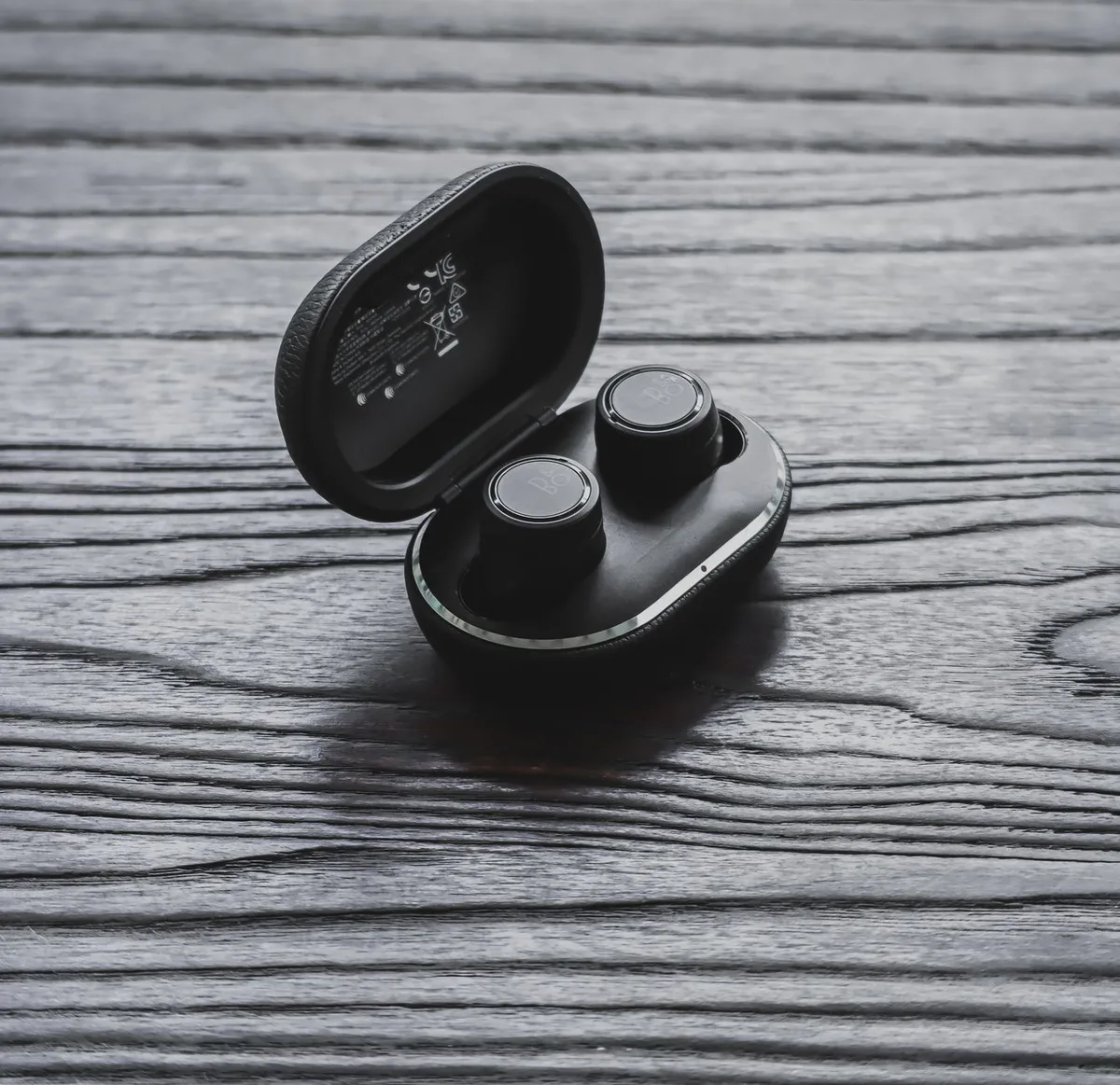
Manufacturer specifications for popular TWS models often highlight battery life, typically ranging from 4 to 8 hours on the buds themselves, with charging cases providing an additional 20 to 30 hours total. They're incredibly convenient for workouts, commuting, or just moving around your house. The main considerations here are keeping track of both buds and their charge levels, as well as the initial cost, which is often higher than wired options.
Wireless Neckband Earbuds: The Hybrid Approach
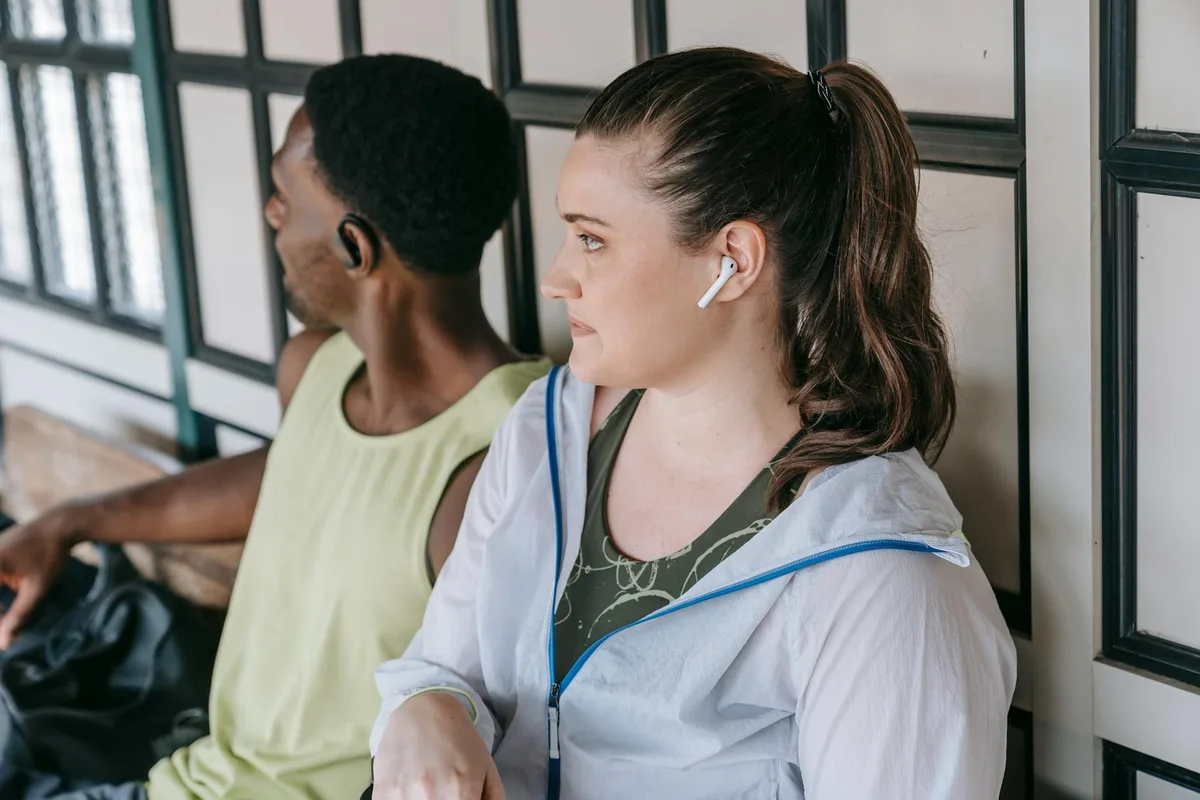
Think of these as a smart compromise. Wireless neckband earbuds feature two separate buds, but they’re connected by a flexible band that rests comfortably around your neck. This design offers a good balance between the freedom of wireless and the security of knowing your buds are tethered.
A key benefit is that the neckband often houses the battery and controls, meaning it can be larger and provide longer playback times than the tiny buds themselves. It also makes them harder to lose. If you’ve ever worried about dropping and losing one of those tiny TWS buds, or if you just like having easy access to controls and a bit more battery power, neckband earbuds are a really sensible choice. They’re ideal for people who are active but still want that physical connection to prevent loss.
What Matters Most When Picking Earbuds?
Beyond the basic types, a few critical factors will make or break your earbud experience. Let’s break down what to scrutinize.
Sound Quality: Your Ears Will Thank You
This is subjective, of course, but there are objective factors to consider. Are you after booming bass that vibrates your skull during music tracks, or do you prefer crystal-clear highs that let you dissect every note? Some earbuds are tuned for a "V-shaped" sound profile, emphasizing bass and treble, while others aim for a more balanced, neutral response.
For podcasts and audiobooks, voice clarity is paramount. You want to hear every spoken word without the background music or ambient sounds getting in the way. Research into audio reproduction often points to frequency response curves as a key indicator of sound signature, with a flat curve generally indicating a more neutral, accurate sound.
Comfort and Fit: Don't Let Them Hurt
If your earbuds become uncomfortable after an hour, they’ve failed, regardless of how amazing they sound. This is where the physical design and ear tips become crucial. Most earbuds come with a selection of silicone ear tips in various sizes. Finding a tip that creates a good seal in your ear canal is vital, it not only enhances comfort but also significantly improves bass response and passive noise isolation.
Some users find foam ear tips offer a more secure and customizable fit, especially for intense physical activity. The shape of the earbud itself also plays a huge role; some models sit gently outside the ear canal, while others nestle deeper inside. Getting a feel for these differences, perhaps through reviews that focus on long-term wearability, is essential. Ultimately, the best fit is the one that feels right for your ear anatomy.
Battery Life: How Long Can You Go?
This is especially critical for true wireless earbuds where all the tech is packed into those small buds and their case. You'll typically see two battery life metrics:
- Buds' Battery: This is how long the earbuds themselves will last on a single charge, often quoted in hours of playback time.
- Charging Case Battery: The case acts as a portable power bank. It can recharge the earbuds multiple times when they run out of juice. A good charging case can easily add 20-30 hours of total listening time to your earbuds.
Many modern earbuds also feature "quick charge" capabilities. This means a short burst of charging, say, 15 minutes in the case, can grant you an hour or more of playback. This is a lifesaver if you realize your buds are dead just as you're heading out the door.
Noise Cancellation vs. Isolation: Your Bubble of Sound
This feature can dramatically change your listening experience, especially in noisy environments. It's important to understand the difference between the two:
- Active Noise Cancellation (ANC): This technology uses tiny microphones on the earbuds to detect ambient sounds (like rumbling engines or office chatter) and then generates an opposing sound wave to "cancel out" that noise. It’s incredibly effective at creating a quiet listening space.
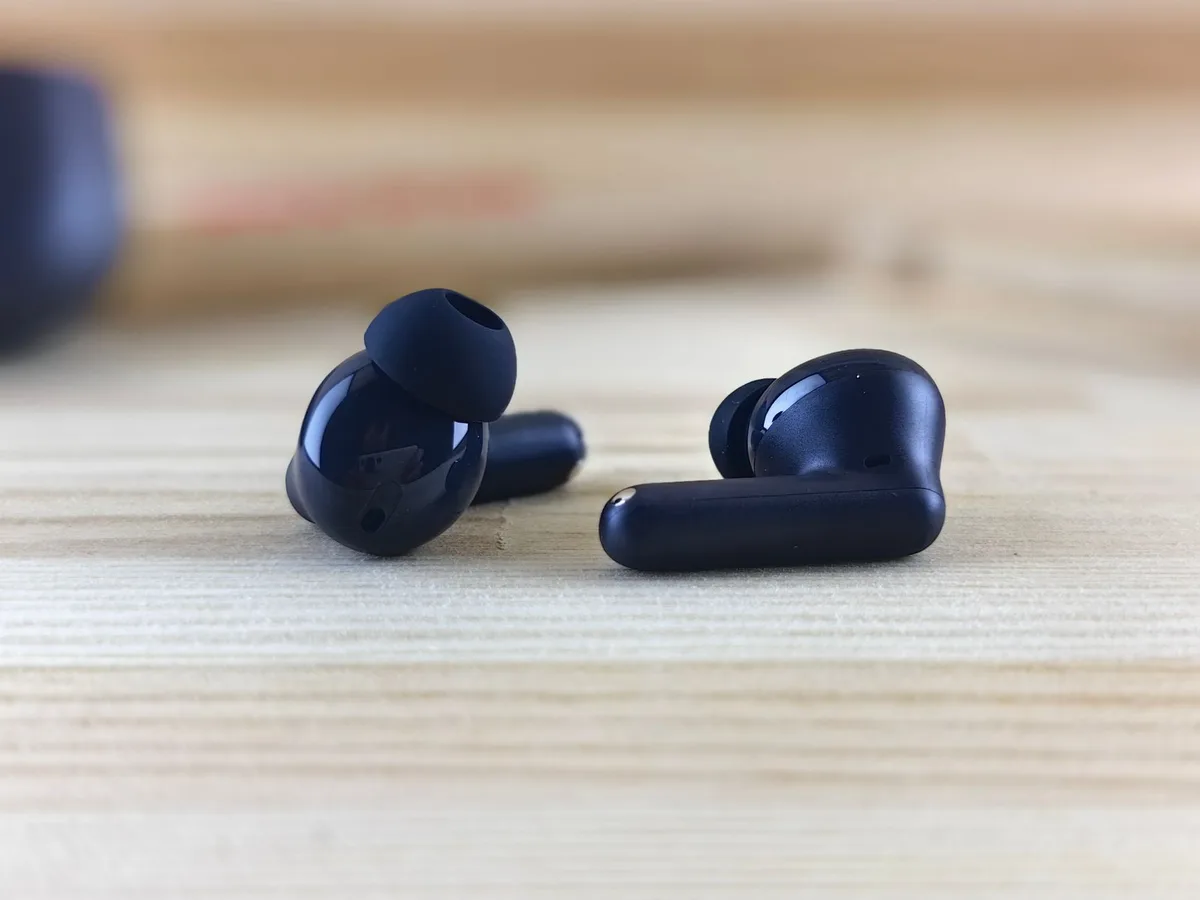
- Passive Noise Isolation: This is achieved through the physical seal the earbud creates in your ear canal. Just like earplugs, a good seal physically blocks out a significant amount of external noise. The quality of the ear tips and the earbud's shape contribute heavily to passive isolation. Proper ear tip selection often enhances ANC effectiveness, as a better seal reduces the ambient noise ANC needs to combat.
Durability and Water Resistance: For When Life Gets Messy
If you plan to use your earbuds for intense workouts, running in the rain, or any activity where sweat and moisture are involved, you absolutely need to consider their durability and water resistance. This is usually indicated by an IPX rating.
The "IP" stands for Ingress Protection, and the numbers that follow signify levels of protection against solids (dust) and liquids (water). For earbuds, the second digit, referring to water resistance, is the most important.
- IPX4: Can handle splashes from any direction. This is generally sufficient for light sweat or a brief rain shower.
- IPX5: Protects against low-pressure water jets from any direction. This is a good rating for more vigorous workouts where you expect to sweat a lot.
- IPX7: Can withstand immersion in up to 1 meter of water for 30 minutes. If your workouts are extreme, or you're prone to dropping things, this offers the highest level of protection.
Connectivity and Features: The Little Extras
Beyond the core functions, several connectivity features and extras can really enhance your earbuds experience. Bluetooth version, for example, has evolved over the years. Newer versions, like Bluetooth 5.2 or 5.3 as of 2026, generally offer improved power efficiency, a more stable connection over longer distances, and lower latency (meaning less delay between what you see on screen and what you hear). This is particularly important for watching videos or gaming.
Multipoint pairing is another valuable feature. This allows your earbuds to be connected to two devices simultaneously, say, your phone and your laptop. You can seamlessly switch between receiving a call on your phone and listening to audio from your computer without needing to manually disconnect and reconnect. Many manufacturers also offer companion apps.
These apps can be quite useful for customizing EQ settings, updating firmware, remapping controls, or even locating lost earbuds.
Earbuds for Every Lifestyle: Who Are They Best For?
Choosing the right earbuds often comes down to matching their features to your specific activities. What works for a runner might not be ideal for someone who spends their day in endless video calls.
The Gym Enthusiast's Choice
If your primary use is for workouts, a secure and sweat-resistant fit is paramount. Look for earbuds with an IPX5 rating or higher; this ensures they can handle significant sweat without damage. Consider earbuds with wingtips or a robust ear hook design that stays put during high-impact movements. Many fitness-focused earbuds also offer excellent ANC to block out gym noise, helping you focus on your reps.
The Commuter's Sanctuary
For daily commutes on public transport or busy city streets, Active Noise Cancellation (ANC) is a game-changer. It significantly reduces constant low-frequency noise like train rumble or engine drone, creating a peaceful listening bubble. Battery life is also key here; you don't want your earbuds dying halfway through a long journey.
Consider earbuds with at least 6-8 hours of playback per charge, plus a charging case that can offer multiple recharges. The ability to switch between your phone and a laptop on the go, thanks to multipoint pairing, can also be incredibly useful for commuters who might need to take work calls or listen to podcasts.
The Remote Worker's Toolkit
If you spend a good portion of your day on calls, microphone quality and comfort are your top priorities. Aggregate reviews suggest that earbuds with beamforming microphones and environmental noise cancellation (ENC) for the mic generally perform best, ensuring your voice comes through clearly even if you're not in a silent room.
Comfort for extended wear is also vital, so look for ergonomic designs and soft ear tips. Multipoint pairing is a huge plus here, allowing easy switching between your work laptop and personal phone. A stable Bluetooth connection is non-negotiable for uninterrupted calls.
The Budget-Conscious Listener
Finding great audio quality without breaking the bank is definitely achievable, especially if you're willing to consider wired options or slightly older TWS models. Wired earbuds, in particular, can offer exceptional sound fidelity for their price point, as they don't require the same miniaturization and power management as wireless counterparts.
When looking at budget wireless earbuds, prioritize models with solid user reviews regarding sound quality and battery life. While you might not get top-tier ANC or the absolute latest Bluetooth version, you can still find reliable earbuds that deliver good audio and connectivity for everyday listening. Always check the IPX rating, even on budget models, if you plan to use them for any kind of physical activity.
Common Earbud Hunting Mistakes to Sidestep
Even with the best intentions, a few common missteps can lead to dissatisfaction. Being aware of these pitfalls can help ensure you make a choice you'll be happy with long-term.
Ignoring Fit and Comfort
This is perhaps the most frequent error. You might be drawn to impressive specs like ANC or long battery life, but if the earbuds don't fit your ears comfortably, you simply won't wear them. Always consider the earbud shape and the variety of ear tips provided. What feels good for one person might not for another.
Overlooking Water Resistance Needs
If you’re an active person, buying earbuds without an adequate IPX rating is a recipe for disaster. Those expensive earbuds might not survive a sweaty gym session or an unexpected downpour if they’re only rated for splash resistance and not water jets. Always match the rating to your expected usage environment.
Underestimating Battery Life Cruciality
For TWS earbuds especially, battery life is more than just a convenience; it's a practical necessity. Consistently needing to put earbuds back in their case after only a couple of hours can disrupt your workflow or workout. Check not only the buds' playback time but also the total hours provided by the charging case.
Forgetting Microphone Quality for Calls
If you use your earbuds for communication, don't just assume they'll do a good job. Poor microphone quality can lead to frustrating conversations where the other person can barely hear you. Look for specific mentions of microphone technology, like beamforming or noise cancellation for calls, and check user feedback on call clarity.