What Wattage Is Fast Charging? A Complete Guide to Charger Power and Charging Speed
If you have ever searched for a new phone charger, you have probably seen numbers such as 20W, 30W, 45W, 65W, or even 100W. That raises a simple question: what wattage is fast charging? The short answer is that there is no single watt number that makes every charger fast. Fast charging depends on what your device can safely accept.
For a typical U.S. phone user, 20W to 30W can already feel very fast compared with an old 5W charger. Higher wattage can cut charging time further on compatible phones, tablets, and laptops. But the charger is only one part of the system.
A useful practical lesson is to avoid buying a charger based on wattage alone. Check the charging limit of your device, the charging protocol it supports, and the cable rating. A 100W charger may be excellent for a laptop but offer little or no extra speed on a phone that accepts only 25W.
What Wattage Is Fast Charging for a Phone?
So, what wattage is fast charging for a phone? In simple terms, around 18W to 20W is a common starting point for modern wired fast charging, while 25W to 30W gives many phones a stronger fast-charge experience. Some premium phones support 45W, 65W, 80W, 100W, or higher rates.
There is no official universal cutoff. A phone maker may call 18W, 20W, 25W, or another level fast charging. The important number is the maximum power the phone is designed to accept under the right conditions.
For example, a 65W charger can power a phone that needs 20W, but the phone does not have to take all 65W. Modern charging systems negotiate power and adjust it as the battery fills.
- ✦ 5W
This is basic charging power. It is much slower than modern wired fast charging and is often associated with older USB charging setups.
- ✦ 10W
This is faster than basic 5W charging but is still modest by current phone standards.
- ✦ 18W to 20W
This is a common fast-charging range for phones and can provide a large speed improvement over 5W.
- ✦ 25W to 30W
This is a strong everyday range for many modern smartphones and is often enough for quick top-ups.
- ✦ 45W and above
This can charge compatible phones very quickly, but the device must support the higher power level.
Why There Is No Single Fast-Charging Number
Charging speed is not based on watts alone. A phone may support 30W on paper but draw less power when the battery is hot, nearly full, or under heavy use.
Charging systems also change power during a charging session. They may allow higher power when the battery is low and reduce power later to manage heat and protect the battery.
- ✦ Device limit
The phone decides the maximum power it can safely accept.
- ✦ Charging protocol
The charger and phone need a compatible charging standard to reach the intended speed.
- ✦ Battery conditions
Battery level and temperature can change the charging rate.
How Does Fast Charging Work?
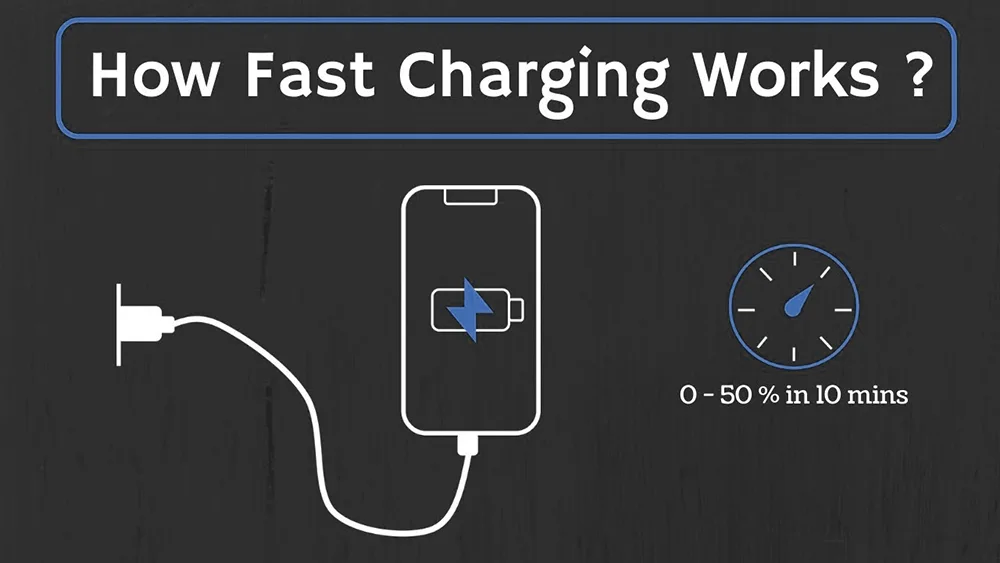
Fast charging works by delivering more electrical power to the device than basic charging systems. Electrical power is measured in watts, and watts can be calculated by multiplying voltage by current.
For example, 5 volts at 2 amps equals 10 watts. A system that uses higher voltage or higher current can deliver more power. Modern charging systems can adjust these values instead of sending one fixed level for the entire charge.
This is why the answer to what wattage is fast charging is more complex than simply picking the biggest number on a charger. The phone and charger must communicate and agree on a safe power level.
- ✦ Wattage
Watts describe the rate of electrical power available to the device.
- ✦ Voltage
Voltage is the electrical pressure used to move power through the charging system.
- ✦ Amps
Amps measure electrical current. Higher current can increase power when the system supports it.
- ✦ Power negotiation
Compatible devices can negotiate a suitable voltage and current rather than using the charger’s maximum output all the time.
Why Charging Slows Near Full Battery
A phone usually does not charge at its maximum advertised wattage from zero to 100 percent. The charging system often uses higher power when the battery is low, then reduces power as the battery approaches a high charge level.
This helps manage heat and battery stress. It also explains why a phone can gain a large amount of charge in a short time but take much longer to reach the final few percentage points.
- ✦ Low battery
The device may accept higher power when the battery is low and conditions are suitable.
- ✦ Mid-range charge
The phone may begin reducing power as the battery fills.
- ✦ High charge level
Charging usually becomes slower near the top to help manage heat and battery wear.
Is 20W Fast Charging?
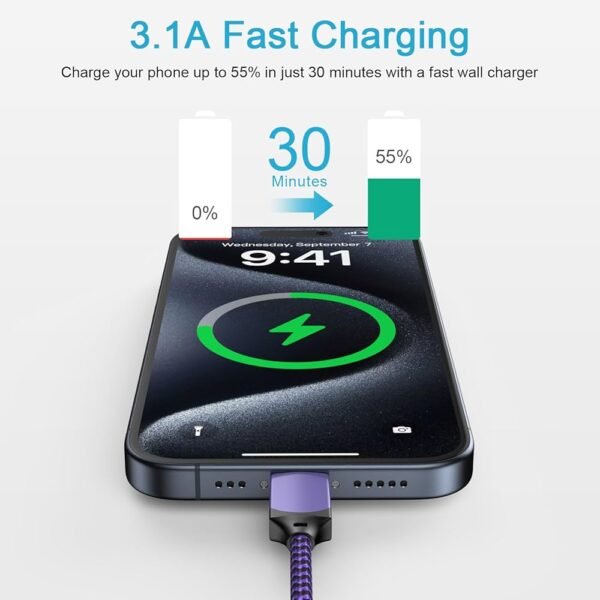
Yes, 20W is generally fast charging for a smartphone when compared with basic 5W charging. A 20W charger can make a noticeable difference when you need a quick battery boost before leaving home, heading to work, or getting in the car.
The actual result still depends on the phone. Some phones can accept 20W or more, while others may have a lower limit. If the phone is designed for only 10W, a 20W charger will not make it charge at 20W.
For many people, 20W is a practical balance between speed, charger size, heat, and cost. It is also enough for many everyday phone charging needs.
- ✦ Good for daily phone use
20W can provide a useful battery boost during short charging sessions.
- ✦ Not universal
Some phones support more than 20W, while others may accept less.
- ✦ Check compatibility
Look at the phone maker’s recommended charger and charging standard before buying.
Is 30W Better Than 20W?
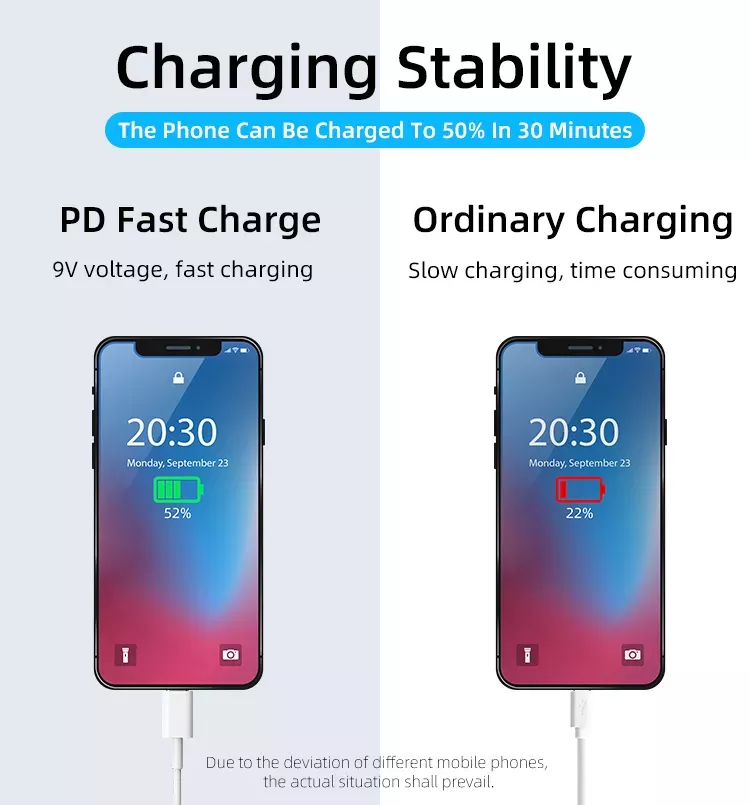
A 30W charger can be faster than a 20W charger when the phone supports the extra power. However, the difference may not be large in every charging session because phones change their power draw as the battery fills.
If your phone supports 30W charging, a quality 30W charger can be a sensible choice. If the phone supports only 20W, moving to 30W will not automatically make it charge faster.
- ✦ Phone supports 20W
A 30W charger normally provides no major speed advantage because the phone controls its own power intake.
- ✦ Phone supports 30W
A compatible 30W charger can allow the phone to reach its designed charging rate.
Is 45W, 65W, or 100W Fast Charging Better?
Higher wattage can mean faster charging, but only when the device supports it. A 45W charger can be useful for a compatible smartphone or tablet, while 65W and 100W chargers are especially useful for laptops and devices that need more power.
For phones, very high wattage does not always produce a proportional reduction in total charging time. The battery, thermal system, charging protocol, and software all affect the result.
USB Power Delivery has expanded the range of power available over USB-C. The USB-IF says USB PD 3.1 can support power levels up to 240W with suitable equipment and cables. That does not mean a phone should receive 240W; it means the standard can support much higher-power devices when designed for it.
- ✦ 45W
A useful high-power level for compatible phones, tablets, and some smaller computers.
- ✦ 65W
A versatile level that can work well for many phones, tablets, handheld computers, and laptops.
- ✦ 100W
A strong choice for many laptops and other higher-power USB-C devices, provided the device and cable support it.
- ✦ 140W to 240W
These are high USB Power Delivery levels aimed at compatible high-power devices, not ordinary phone charging.
Can a 65W Charger Damage a Phone?
A properly designed 65W charger does not normally force 65W into a phone that supports less. The phone and charger work together to establish an appropriate charging level.
The key is to use a reputable charger and a compatible cable. Avoid damaged cables, poorly made adapters, and products with unclear safety specifications.
- ✦ Higher rating is not forced power
A charger rated at 65W can supply up to its rated output, but the phone normally requests only the power it can use.
- ✦ Quality matters
A reputable charger with suitable safety protections is more important than simply choosing the highest wattage.
What Wattage Is Fast Charging for iPhone, Samsung, and Other Phones?
The answer to what wattage is fast charging depends heavily on the phone brand and model. There is no single wattage that applies to every Android phone or every iPhone.
Apple, Samsung, Google, and other manufacturers set their own charging limits and protocols. A charger that works at the advertised speed with one phone may provide a different speed with another.
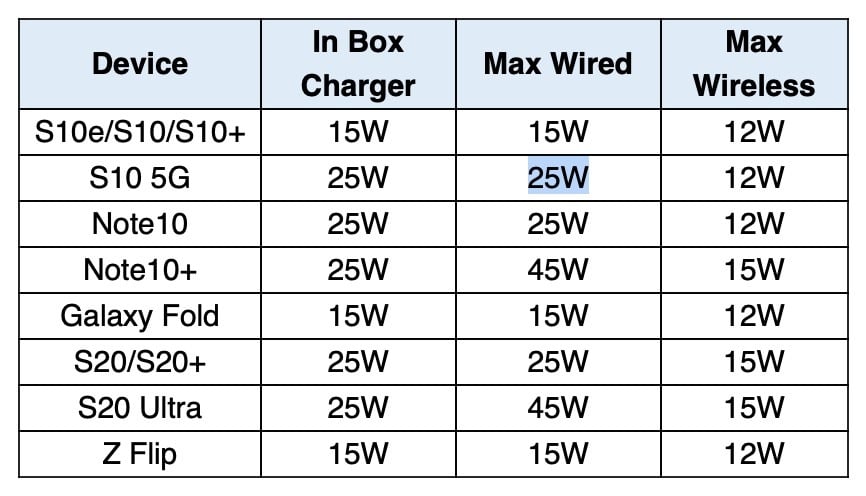
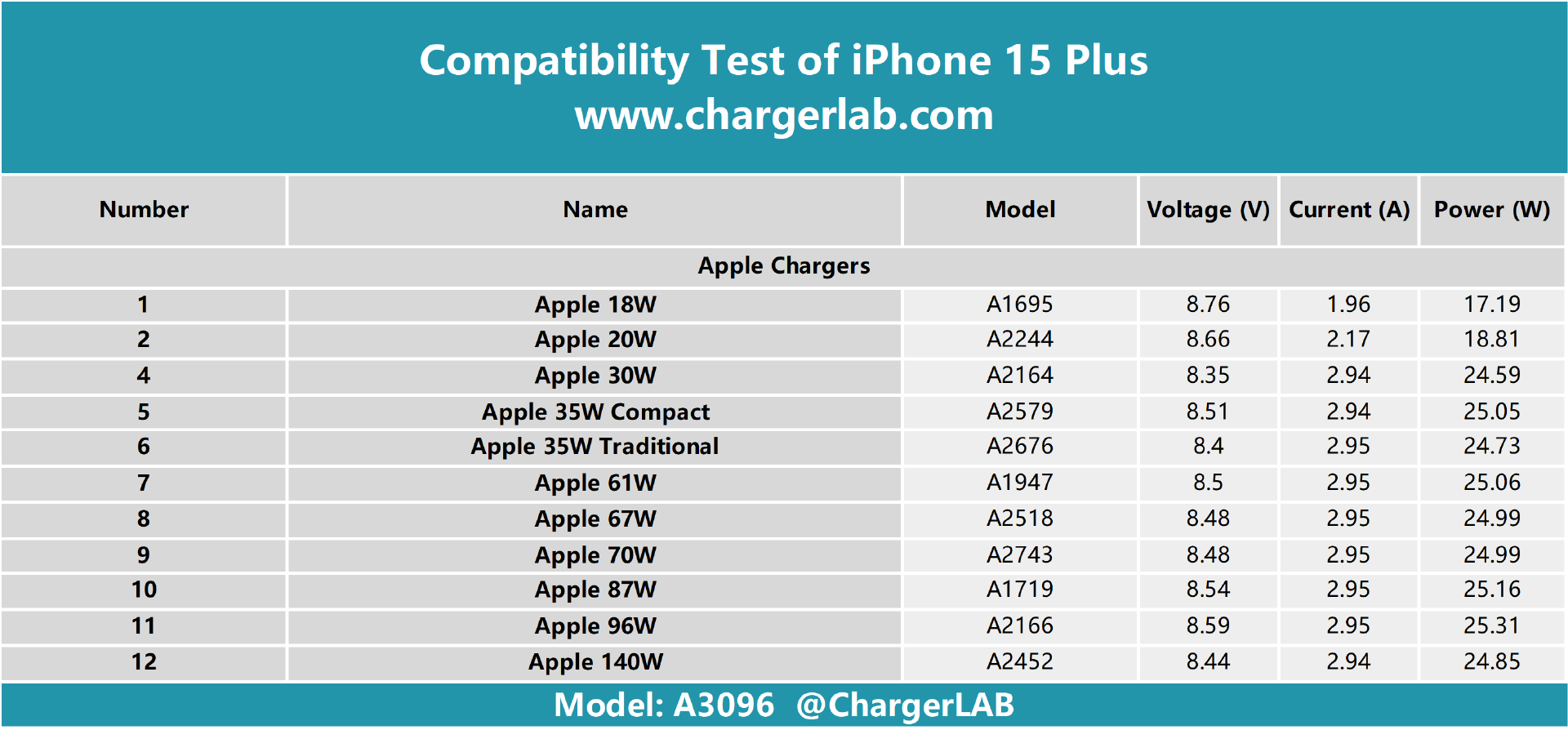
For example, Apple lists different fast-charging requirements across current iPhone models. Samsung also offers different charging levels across Galaxy devices, including 25W and 45W options on supported models. Always check the exact model rather than relying on the brand name alone.
- ✦ iPhone
Fast charging requirements vary by iPhone generation. Some models use 20W-class charging, while newer models can support higher adapter power under specific conditions.
- ✦ Samsung Galaxy
Samsung supports different charging rates across Galaxy models, including 25W and 45W charging on selected devices.
- ✦ Google Pixel
Pixel charging speed varies by model, and the phone may require a compatible USB Power Delivery charger for its supported rate.
- ✦ Other Android phones
Charging can range from around 18W to well above 100W, depending on the manufacturer and model.
Why Brand Names Can Be Confusing
Phone makers often use names such as Super Fast Charging, Turbo Charge, HyperCharge, VOOC, or other branded terms. These names describe charging systems, but they do not always tell you the exact wattage.
When comparing chargers, look for the actual watt rating and the charging standards your phone supports. This gives you a clearer picture than a marketing name alone.
- ✦ Check the model
The charging limit can change from one phone generation to another.
- ✦ Check the protocol
USB Power Delivery and other charging systems may have different requirements.
- ✦ Check the charger
The adapter must support the required output profile, not just a high maximum wattage.
Does the Cable Affect Fast Charging?
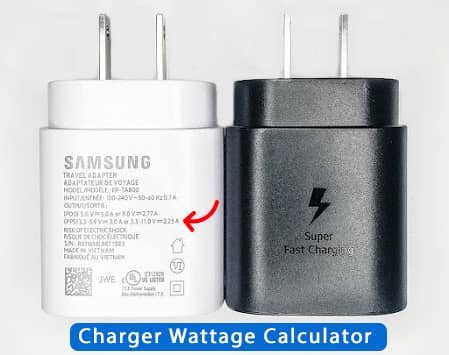
Yes. The cable can limit charging speed even when the phone and charger support a high wattage. This is easy to overlook because many people focus only on the charging brick.
USB-C does not automatically mean the cable supports every USB-C power level. USB-IF defines cable power ratings, and certified USB-C cables can carry clear power markings such as 60W or 240W.
For everyday phone charging, use a cable that supports the power level your charger and phone need. For higher-power laptops, check the cable rating carefully before assuming a USB-C cable can handle the full charger output.
- ✦ 60W-rated cable
A suitable 60W cable can support many phone, tablet, and lower-power laptop charging needs.
- ✦ 240W-rated cable
A suitable 240W cable is designed for higher USB Power Delivery power levels when the connected devices also support them.
- ✦ Unknown cable
A cable with unclear specifications may limit performance or may not be suitable for higher-power charging.
How to Choose the Right Fast-Charging Cable
Start with the maximum wattage your device can use. Then choose a cable that meets or exceeds the required power rating and supports the needed charging standard.
For a phone that needs 20W or 30W, a quality USB-C cable is usually enough. For a laptop using 100W or more, pay closer attention to the cable’s power rating and certification.
- ✦ Match the power
Choose a cable rated for at least the charging power you need.
- ✦ Use quality products
Good cables help reduce problems caused by poor construction, excessive resistance, or unclear specifications.
What Affects Real-World Fast Charging Speed?
The wattage printed on a charger is its maximum rated output, not a promise that your phone will draw that amount for the whole session. Real charging speed changes based on several factors.
Heat is one of the biggest practical limits. If the phone becomes too warm, the charging system may reduce power. This is one reason a phone can charge quickly in a cool room but more slowly while running demanding apps or sitting in direct sunlight.
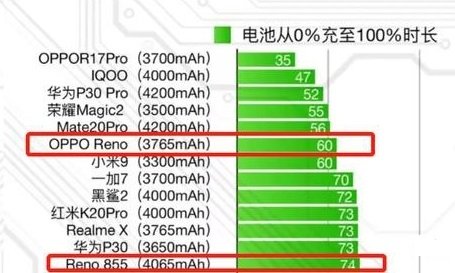
Battery level also matters. A phone may charge quickly at a low percentage and slow down as it approaches full. This means the best way to compare chargers is to look at real charging times under similar conditions, not only the watt number.
- ✦ Battery level
Charging often starts faster when the battery is low and slows as the battery fills.
- ✦ Temperature
High or very low temperatures can reduce charging power to protect the battery and device.
- ✦ Phone use
Gaming, video recording, navigation, and other heavy tasks can consume power while the phone charges.
- ✦ Charger protocol
The charger needs to support a charging standard and power profile that the phone can use.
- ✦ Cable
The cable must support the required power level and charging setup.
- ✦ Charger quality
Poor-quality adapters may not deliver their claimed performance or may lack suitable safety features.
Why a 100W Charger May Not Charge a Phone 5 Times Faster Than 20W
A 100W charger has a much higher maximum output than a 20W charger, but that does not mean a phone will charge five times faster. The phone may accept only 20W, 30W, or another lower amount.
Even when a phone supports high wattage, its charging system may use peak power only for part of the session. Battery chemistry, heat, software limits, and charging curves all affect the final time.
- ✦ Maximum power is not average power
A phone may reach a high peak wattage for a short period rather than using it for the whole charge.
- ✦ Battery chemistry matters
The battery determines how much power it can safely accept at different stages of charging.
- ✦ Heat changes the result
Higher power can create more heat, and the system may lower power when temperatures rise.
How to Choose the Right Fast Charger
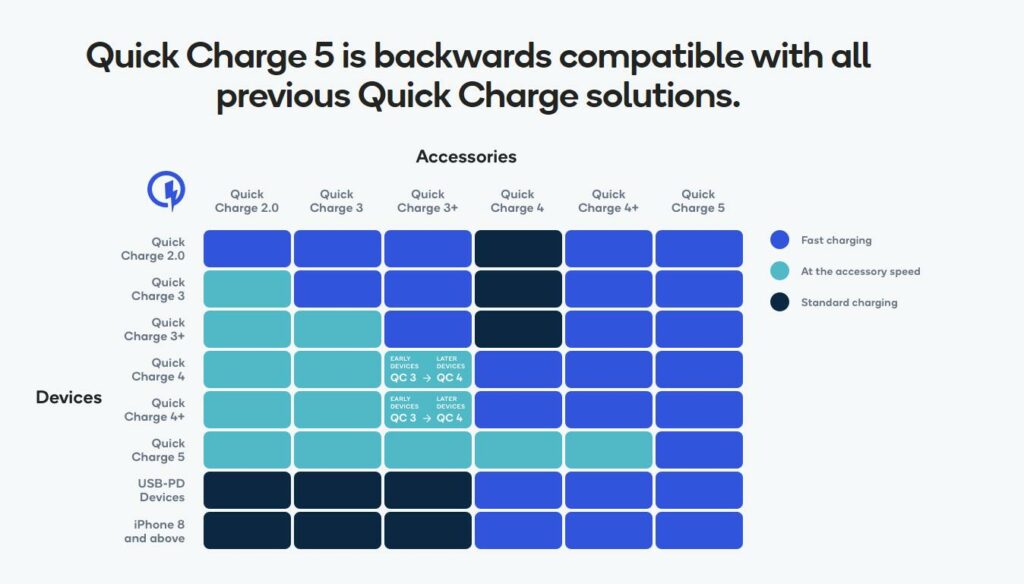
The best charger is not always the one with the highest wattage. For most people, the right choice is a reputable charger that matches the device’s maximum charging rate and supports the required charging standard.
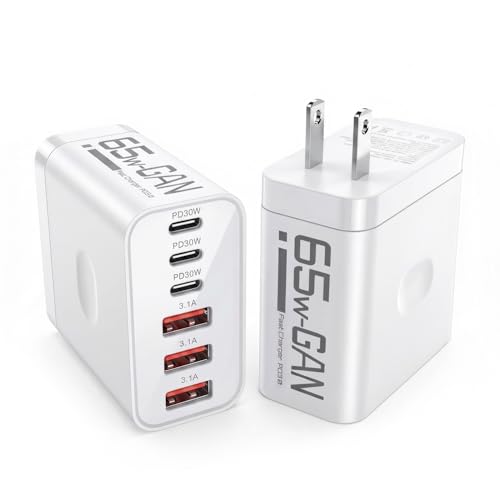
If you charge a phone and laptop at the same desk, a higher-power USB-C charger can be useful. A 65W or 100W multi-device charger may let you power both, although its total output may be shared between ports.
Before buying, check the phone or laptop maker’s charging requirements. Then check the charger’s output profiles and the cable’s power rating. This simple check can prevent you from paying for wattage your device cannot use.
- ✦ For basic phone charging
Look for a quality charger around 18W to 20W if your phone supports that level.
- ✦ For faster phone charging
Consider 25W to 45W or the exact wattage recommended by your phone maker.
- ✦ For a phone and tablet
A 45W to 65W charger can offer useful flexibility, depending on the devices.
- ✦ For a laptop
Many USB-C laptops need 45W, 65W, 100W, or more. Check the laptop’s stated power requirement.
- ✦ For several devices
A multi-port charger can be convenient, but check its total output and how power is shared between ports.
A Simple Buying Checklist
Start with the device. Find its maximum supported charging power and required protocol. Then choose a charger that meets those requirements without paying for unnecessary power.
For a U.S. home, office, or travel bag, a quality USB-C Power Delivery charger can be a flexible option because the same charger can often support several types of devices. Just make sure its ports provide the power you need when used together.
- ✦ 1. Check device wattage
Find the maximum charging power supported by your exact device model.
- ✦ 2. Check charging standard
Confirm support for USB Power Delivery or the charging system required by your device.
- ✦ 3. Check cable rating
Use a cable that supports the required power level.
- ✦ 4. Check total output
For multi-port chargers, make sure the charger can provide enough power when several devices are connected.
- ✦ 5. Buy from a trusted source
Choose products with clear specifications and appropriate safety and certification information.