How Does A Solar Power Bank Work: Complete 2026 Guide
A solar power bank works by using photovoltaic cells to convert sunlight into electricity, which is stored in an internal battery for later use to charge your devices. If you've ever been stuck in the middle of nowhere with a dead phone, you already know why this little gadget feels like magic. I've been relying on solar power banks for years now, from camping trips in the Rockies to long beach days where outlets are nowhere in sight. And trust me, once you understand how a solar power bank works, you'll never look at portable chargers the same way again. Let me walk you through everything, from the science behind those shiny panels to the real-world tips that actually make a difference.

The Core Science: How Solar Panels Convert Sunlight Into Electricity
At the heart of every solar power bank is a small solar panel made up of photovoltaic (PV) cells. These cells are usually crafted from silicon, a semiconductor material that does something pretty remarkable when sunlight hits it. Here's the short version of what happens.
When photons from sunlight strike the silicon cells, they knock electrons loose from their atoms. This creates a flow of direct current (DC) electricity. The solar cells are designed with a positive and negative layer, kind of like a tiny battery, and that imbalance is what gets those electrons moving in one direction. This whole process is called the photovoltaic effect, and it's the same principle that powers massive solar farms, just shrunk down to fit in the palm of your hand.
Most portable solar chargers use either monocrystalline or polycrystalline panels. Monocrystalline is more efficient, meaning it generates more power in a smaller space, but it also costs a bit more. Polycrystalline is cheaper but slightly less efficient. In my experience testing both, the difference is noticeable on cloudy days, where monocrystalline still pulls in a decent charge while polycrystalline struggles a bit more.
What Happens After the Sun Hits the Panel: The Role of the Charge Controller
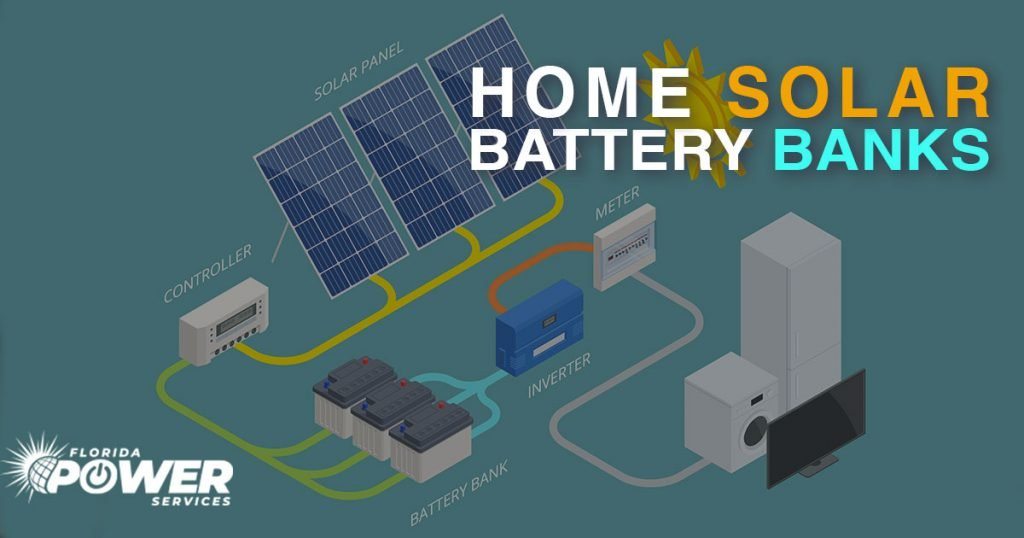
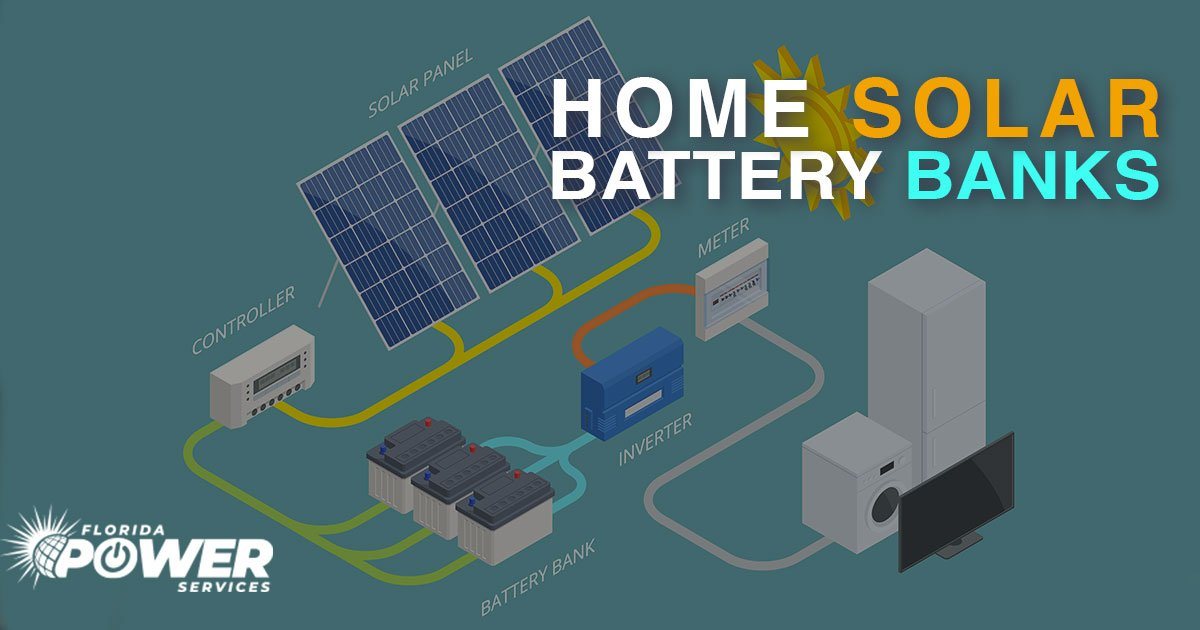
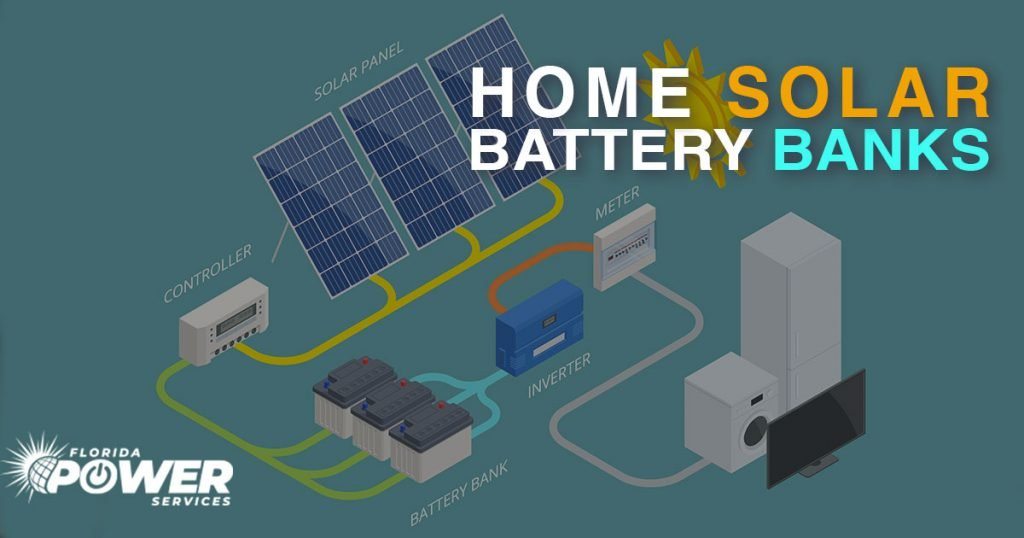
Once the solar panel generates electricity, that energy doesn't just dump straight into the battery. There's an important middleman called a charge controller, and skipping this step would be a serious mistake. The charge controller regulates the voltage and current coming from the solar panel to make sure the battery gets a safe, steady charge.
Without a charge controller, you risk overcharging, which can damage the battery, shorten its lifespan, or even cause it to swell up. I learned this the hard way years ago with a cheap solar charger that didn't have proper regulation. The battery puffed up like a little pillow and was completely useless after a few weeks. Lesson learned: always check for a quality charge controller.
Think of the charge controller as a traffic cop. It directs the flow of energy, prevents overload, and sometimes even includes features like temperature monitoring and automatic shutoff when the battery is full. This little component is one of the biggest reasons why some solar power banks last for years and others die after a few months.

Storing the Energy: Inside the Battery
The energy generated by the solar panel and regulated by the charge controller ends up stored in a rechargeable battery inside the power bank. Most modern solar power banks use lithium-ion or lithium-polymer batteries, and there's a good reason for that.
Lithium-ion batteries have a high energy density, which means they can store a lot of power in a compact size. They also hold their charge well when not in use, and they don't suffer from the "memory effect" that older battery types used to have. Lithium-polymer is similar but tends to be lighter and more flexible in shape, which is why you see it in slimmer power bank designs.
The battery capacity is measured in milliamp hours (mAh), and this is the number you'll see plastered all over the product listings. A 10,000 mAh power bank can theoretically charge a typical smartphone two to three times. A 20,000 mAh one can keep your phone and tablet going for a full weekend off the grid. I've carried both on hiking trips, and the bigger capacity is a lifesaver when you're out for more than a day or two.
Getting Power to Your Devices: The Output Stage
So far, the sun has done its job, the charge controller has kept things safe, and the battery has stored all that energy. Now comes the part most people care about: actually charging your phone, tablet, or other gadgets.
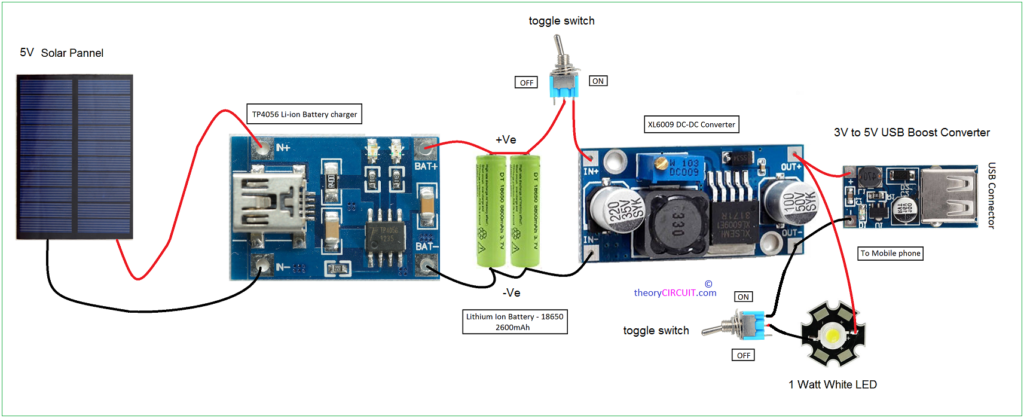
The battery inside the power bank outputs DC power, but your phone charges through a USB port that also expects DC. The difference is that the power bank uses a step-up converter or a built-in power management system to deliver the right voltage, usually 5V for standard USB charging. Newer models support fast charging protocols like Quick Charge or Power Delivery (PD), which can charge compatible devices much faster.
Here's a simple breakdown of the output process.
- The battery releases stored DC electricity.
- The internal circuit adjusts the voltage to match what your device needs.
- The power travels through a USB-A or USB-C port to your device.
- Your device's charging circuit takes over and fills up the battery.
Some solar power banks even come with multiple output ports, so you can charge a phone and a headlamp at the same time. I've used this feature on group camping trips, and it saves a lot of arguments about whose turn it is to charge.
Why Solar Charging Alone Isn't Usually Enough: A Realistic Look
Here's something that most product listings won't tell you upfront. Solar charging is slow, especially on a small panel. A typical solar power bank might have a 1 to 2 watt solar panel on its surface, which sounds tiny because it is. Under perfect midday sun, that panel might generate around 200 to 300 mAh per hour. For comparison, a standard 10,000 mAh power bank needs roughly 30 to 50 hours of direct sunlight to charge fully from zero.
That's why most people, myself included, use solar power banks as a hybrid solution. You charge them up at home via a wall outlet or computer, and then the solar panel acts as an emergency backup when you're off the grid. Think of it as a safety net, not your primary charging method.
I've tested solar power banks in all kinds of conditions, from blazing desert sun to overcast forest canopies, and the results vary wildly. Cloud cover, panel angle, and shade can cut efficiency by 50% or more. So if you're planning to rely on solar power, manage your expectations and bring a backup charging method just in case.
Key Components at a Glance
To tie everything together, here's a quick rundown of the main parts inside a solar power bank.
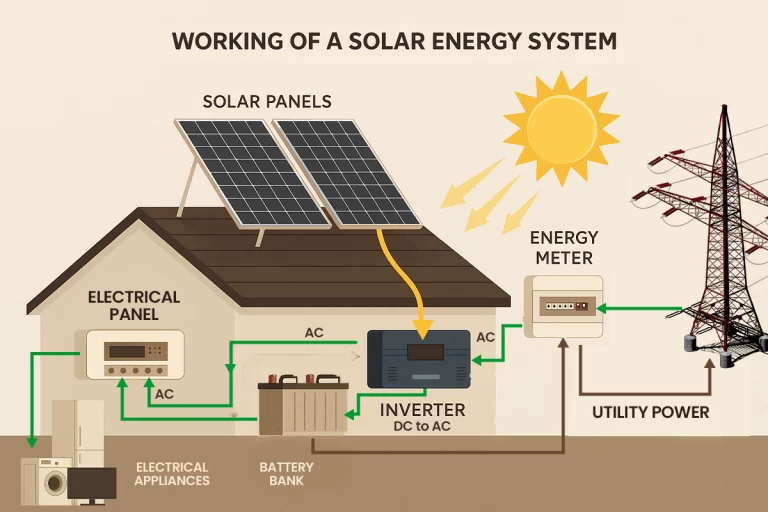
- Solar panel: Captures sunlight and converts it into DC electricity using the photovoltaic effect.
- Charge controller: Regulates voltage and current to protect the battery from overcharging.
- Battery: Stores the energy, usually lithium-ion or lithium-polymer, measured in mAh.
- Output ports: Deliver the stored power to your devices through USB-A, USB-C, or similar connections.
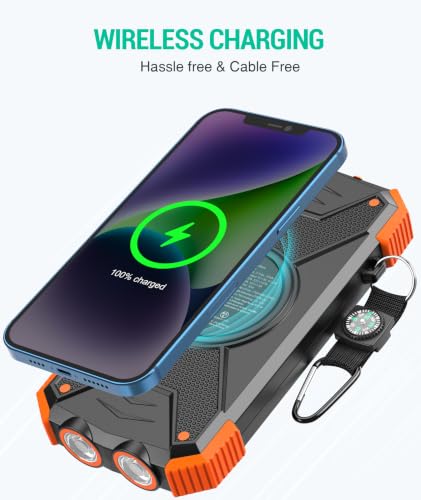
- LED indicators: Show you the battery level and sometimes the solar charging status.
- Housing: Protects everything from drops, dust, and water, often rated with an IPX level.
Knowing what each part does helps you shop smarter and understand what makes one solar power bank better than another. A bigger solar panel, a quality battery, and a reliable charge controller are the three things I always look for.

Tips to Get the Most Out of Your Solar Power Bank
After years of using these devices in real life, I've picked up a few habits that make a big difference.
- Angle the panel directly toward the sun for the best results, even a small tilt can boost efficiency.
- Avoid placing the power bank on hot surfaces like dark rocks, because heat reduces battery performance.
- Keep the solar panel clean, since dust and grime block sunlight and slow down charging.
- Pre-charge the power bank at home before heading out, so you start with a full battery.
- Use the solar panel as a top-up, not a full charge method, especially in less-than-ideal weather.
These small adjustments can literally double the solar charging speed in some conditions. I noticed a huge difference the first time I bothered to angle my panel properly on a beach trip. It went from a trickle to a steady, visible charge gain.

Frequently Asked Questions
How long does it take to charge a solar power bank with sunlight?
Charging a solar power bank fully with sunlight alone typically takes 25 to 50 hours, depending on the panel size, battery capacity, and sunlight intensity. Most people use a wall outlet for the initial charge and rely on solar as a backup.
Can a solar power bank charge a laptop?
Some high-capacity solar power banks with USB-C Power Delivery can charge laptops, especially smaller models like ultrabooks. Standard 5V USB ports usually don't provide enough power for a laptop, so check the output specs before buying.
Are solar power banks waterproof?
Many solar power banks are water-resistant with an IPX4 or IPX5 rating, meaning they can handle splashes and light rain. However, most are not fully waterproof, so submerging them in water is not recommended.
Do solar power banks work on cloudy days?
Yes, they still generate some power on cloudy days, but the output drops significantly compared to direct sunlight. Expect around 25% to 50% of the rated solar charging speed in overcast conditions.
Is it safe to leave a solar power bank in the sun while it charges?
Yes, it's designed for that, but try to keep the battery portion shaded if possible. Excessive heat can degrade battery health over time, so placing the panel in the sun while keeping the body of the power bank in a cool spot is ideal.
Wrapping It All Up
A solar power bank is a beautifully simple piece of tech when you break it down. Sunlight hits the solar panel, the photovoltaic effect turns that light into electricity, the charge controller keeps everything safe, the battery stores the energy, and the output ports deliver it to your devices whenever you need it. The real beauty is that it gives you a little piece of energy independence, whether you're camping in the wilderness, traveling abroad, or just surviving a power outage at home. Grab one that fits your lifestyle, treat the battery well, and you'll have a reliable sidekick for years to come. Got questions or your own solar power bank stories? Drop them in the comments. I love hearing how other people use these things in the wild.