What To Look For When Buying A Power Bank: 2026 Smart Guide
Buying a power bank is simple when you focus on capacity, port type, output speed, and overall build quality.
I've been through enough power banks over the years to know that picking one isn't as easy as grabbing the cheapest option on the shelf. The right power bank can save you from a dead phone on a long trip, while the wrong one can leave you frustrated with slow charging or a battery that barely holds a charge. In this guide, I'm breaking down exactly what to look for when buying a power bank so you can make a smart, confident choice.
Understanding Power Bank Capacity
The first thing most people check is capacity, and for good reason. Capacity determines how many times you can charge your device before the power bank itself needs recharging. It's measured in milliamp hours, or mAh, and this single number tells you a lot about what you're getting.
A 5,000 mAh power bank is enough to give most smartphones a single full charge. If you carry a tablet or need multiple charges throughout the day, look for something in the 10,000 to 20,000 mAh range. For longer trips, heavy travelers, or anyone charging multiple devices, 20,000 mAh or more is the sweet spot.
Here's something I learned the hard way: the advertised capacity isn't always what you actually get. No power bank delivers 100 percent of its stated capacity to your device. Energy loss through heat and voltage conversion means a 10,000 mAh power bank typically gives you around 6,000 to 7,000 mAh of usable power. Always factor this in when comparing options.
Charging Speed and Output Technology
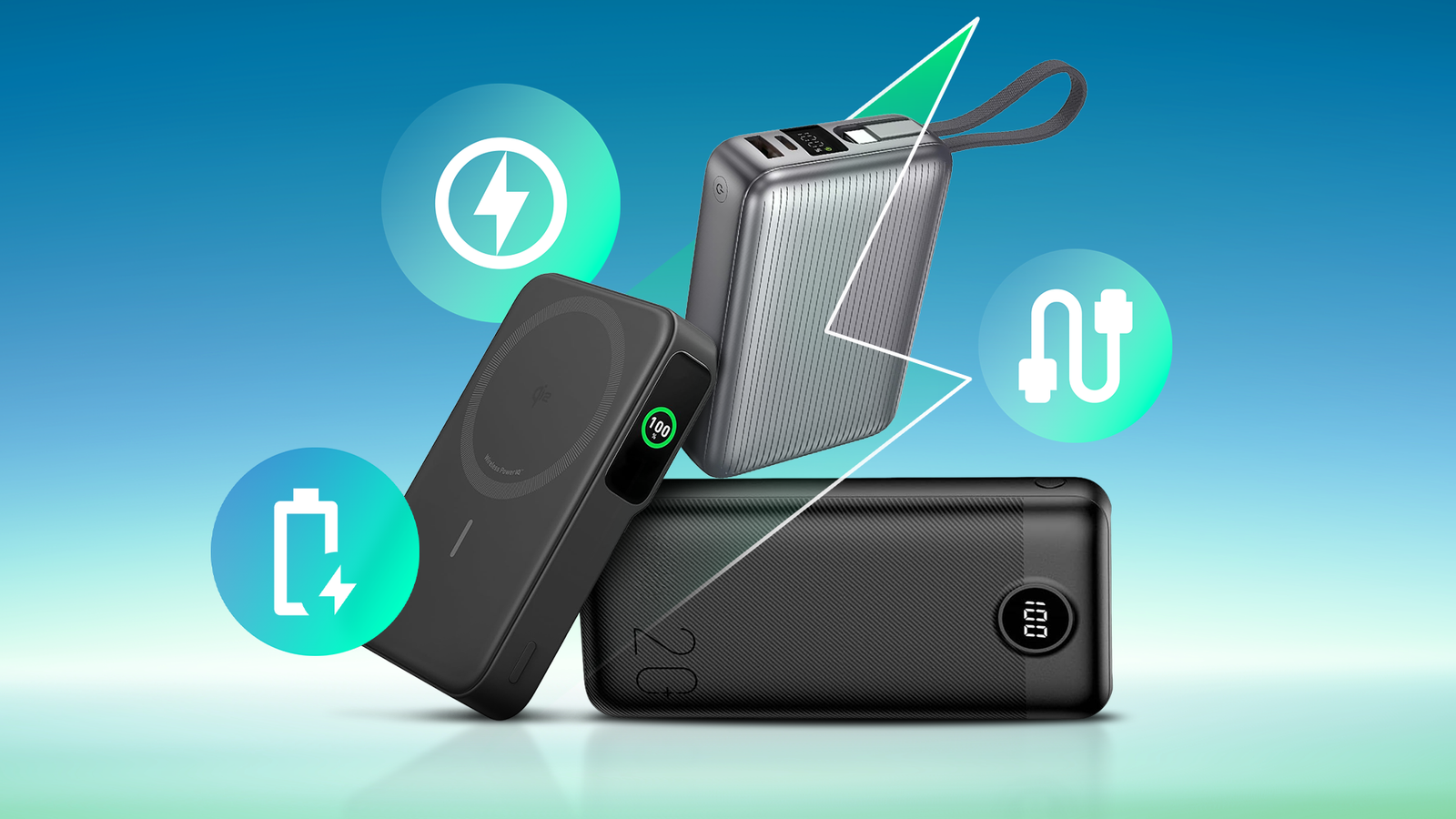
Speed matters, especially when you're in a rush. The output of a power bank, measured in watts or amps, tells you how fast it can charge your devices. Older power banks often charge at 1A, which is painfully slow. Modern options support 2.4A, 3A, or even higher outputs.
Fast charging protocols have changed the game. If your phone supports Quick Charge, Power Delivery, or similar fast charging standards, make sure your power bank does too. A power bank with USB-C Power Delivery can charge a laptop in some cases, which is incredibly handy for remote work or travel.
From personal experience, the difference between a 1A and a 3A output is night and day. I once owned a budget power bank that took over four hours to charge my phone. After switching to one with a 2.4A output, the same phone charged in under ninety minutes. That experience alone made me a believer in paying attention to charging speed.

Port Types and Number of Ports
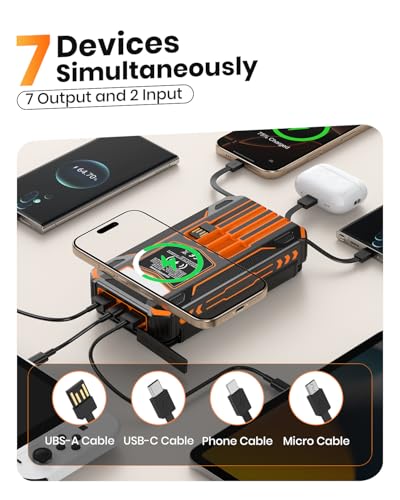
The number and type of ports on a power bank directly affect how useful it is in real life. Most power banks come with USB-A ports, which work with standard charging cables. Newer models add USB-C ports, which support faster charging and work with modern smartphones, tablets, and laptops.
Think about how many devices you typically charge at once. If you're only charging your phone, a single port is fine. But if you carry a phone, smartwatch, and wireless earbuds, multiple ports are a lifesaver. Some power banks even offer three or four output ports, letting you share with friends or family.
I always recommend at least two ports. There have been countless times when I needed to charge both my phone and a friend's device simultaneously, and a single-port power bank just couldn't handle the job. Dual ports offer flexibility without much extra cost.
Size, Weight, and Portability
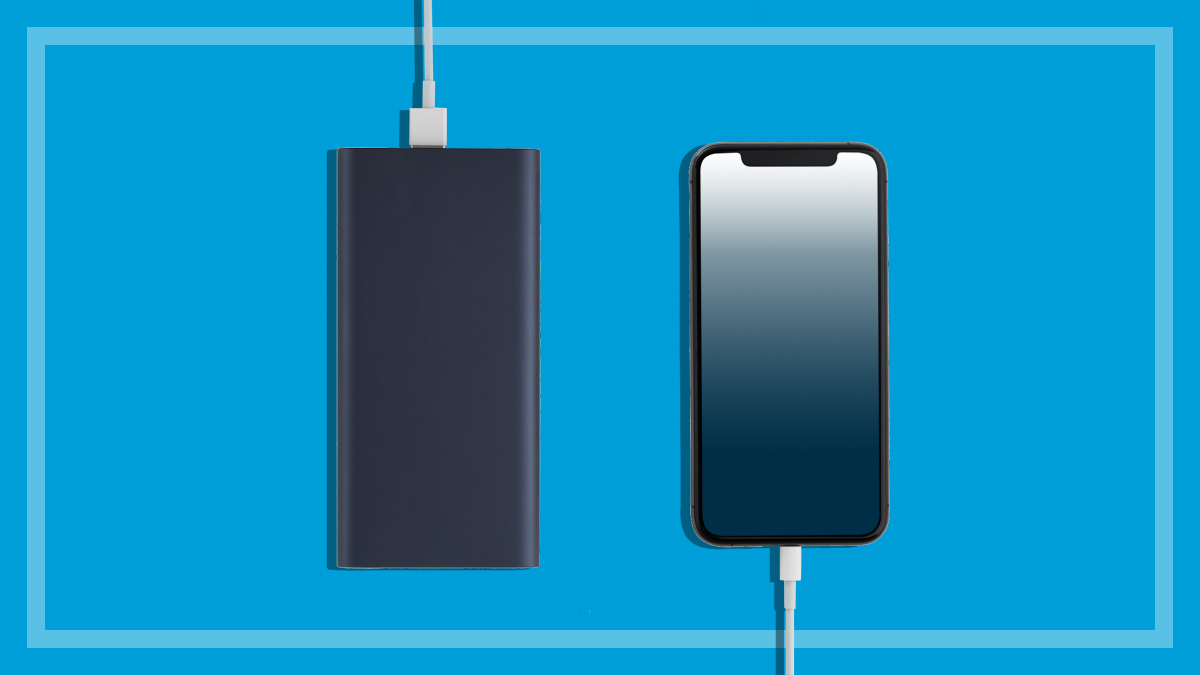
Power bank capacity and portability have a direct relationship. The higher the capacity, the larger and heavier the power bank tends to be. This is a trade-off you need to think about based on how you plan to use it.
A slim 5,000 mAh power bank fits easily in a pocket or small purse, making it perfect for daily commutes. A 20,000 mAh power bank, on the other hand, is bulkier and better suited for travel bags or backpacks. Carrying around a heavy power bank you don't need is just as frustrating as running out of battery.
I keep two power banks in my rotation. A compact 10,000 mAh model for everyday use and a larger 26,800 mAh brick for long flights and camping trips. Having the right tool for the right situation makes all the difference.

Build Quality and Safety Features
This is where many buyers cut corners, and it's a mistake that can be costly. A well-built power bank protects both itself and your devices. Look for models with overcharge protection, short circuit prevention, temperature control, and surge protection. These features prevent damage to your phone's battery and reduce the risk of the power bank overheating.
The outer casing matters too. Aluminum and high-grade plastic shells hold up better against drops and daily wear. Cheaply made power banks with thin plastic bodies are more likely to crack or fail after a few months of use.
I learned the importance of safety features the hard way. An old, no-name power bank I bought online started swelling after about six months. It didn't catch fire, thankfully, but it was a close call that taught me to stick with reputable brands and check for proper safety certifications.
Battery Type and Lifespan
Most modern power banks use lithium polymer or lithium ion cells. Lithium polymer batteries tend to be lighter, thinner, and more flexible in shape. Lithium ion batteries often offer slightly higher energy density, meaning more capacity in a smaller package.
Either type can last a long time if you treat it well. The lifespan of a power bank is measured in charge cycles, typically 300 to 1,000 full cycles before noticeable degradation. To maximize longevity, avoid letting it drain completely, don't leave it in hot cars, and store it at around 50 percent charge if you're not using it for a while.

Brand Reputation and Warranty
Brand matters more in this category than you might think. Established brands invest in quality components, safety testing, and customer support. They also tend to offer warranties, which protect your investment if something goes wrong.
Reading user reviews is one of the best ways to gauge reliability. Look for consistent feedback about durability, actual capacity versus advertised capacity, and how the company handles defects. A one-year warranty is standard, though some premium brands offer two years or more.

Price vs Value
Price is always a factor, but the cheapest option is rarely the best value. A power bank that costs a bit more but lasts three to four years offers far better value than a bargain bin option that fails in six months.
That said, you don't need to spend a fortune. Plenty of mid-range power banks from trusted brands deliver excellent performance, fast charging, and solid build quality without breaking the bank. Focus on the features that matter most to you and balance those against your budget.
Frequently Asked Questions
How many mAh do I need in a power bank?
It depends on your phone's battery size and how many charges you want. For one full phone charge, 5,000 mAh is enough. For two to three charges, go with 10,000 to 15,000 mAh. For extended trips or multiple devices, 20,000 mAh or more is ideal.
Is a higher wattage power bank better?
Higher wattage means faster charging, but only if your device supports it. A 100W power bank is great for laptops, but a 20,000 mAh phone won't benefit from that extra power. Match the wattage to your devices for the best results.
Can I bring a power bank on a plane?
Yes, but with limits. Most airlines allow power banks under 100Wh in carry-on bags. Power banks between 100Wh and 160Wh usually need airline approval. Anything over 160Wh is typically prohibited. Always check your airline's specific rules before flying.
How long does a power bank take to recharge itself?
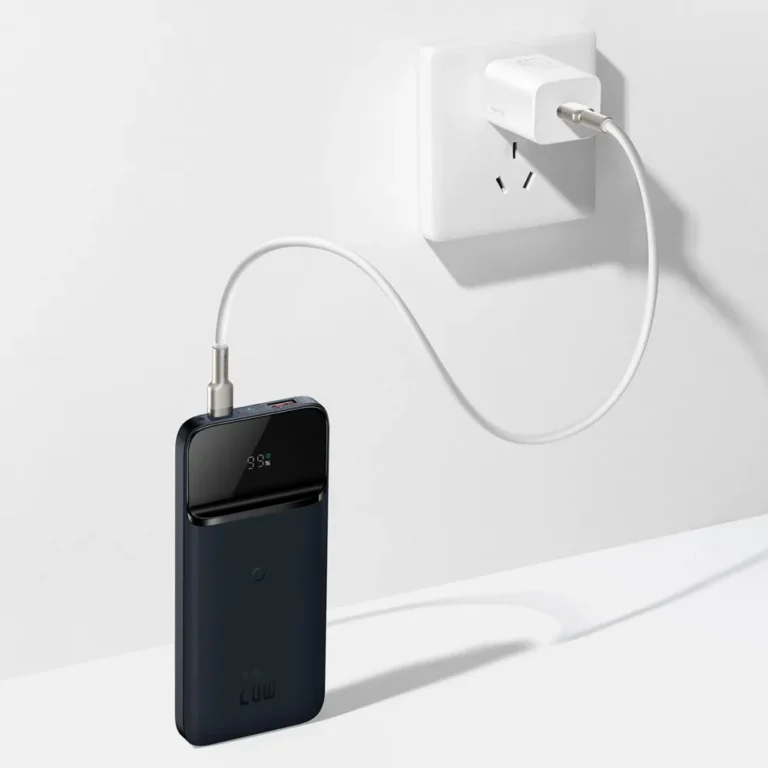
It depends on capacity and input speed. A 10,000 mAh power bank with an 18W input takes about three to four hours. Larger models can take six to ten hours. A USB-C input with Power Delivery speeds up recharging significantly.
Are wireless power banks worth it?
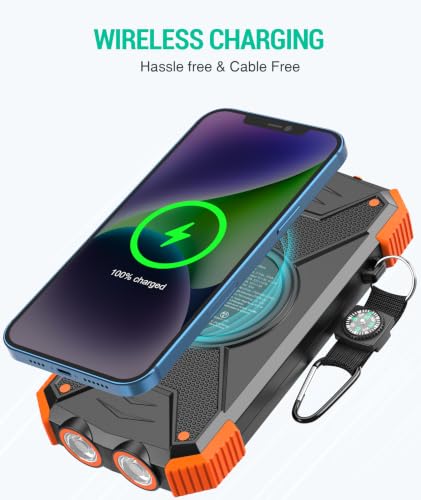
Wireless power banks are convenient for cable-free charging, but they charge slower and waste more energy due to heat. If you value speed and efficiency, wired options are still better. Wireless models make sense for casual top-ups at a desk or in a bag.
Conclusion
Choosing the right power bank comes down to matching your needs with the right features. Focus on capacity, charging speed, port types, and build quality. Don't overlook safety features or brand reputation, because a poorly made power bank can do more harm than good. Think about how and where you'll use it, and invest in a model that balances performance with portability. With the right power bank in your bag, you'll never have to worry about a dead battery at the worst possible moment. Ready to find your perfect match? Check out our detailed reviews of the best power banks for every budget.