How Do You Recharge A Power Bank: Fast And Safe Guide 2026
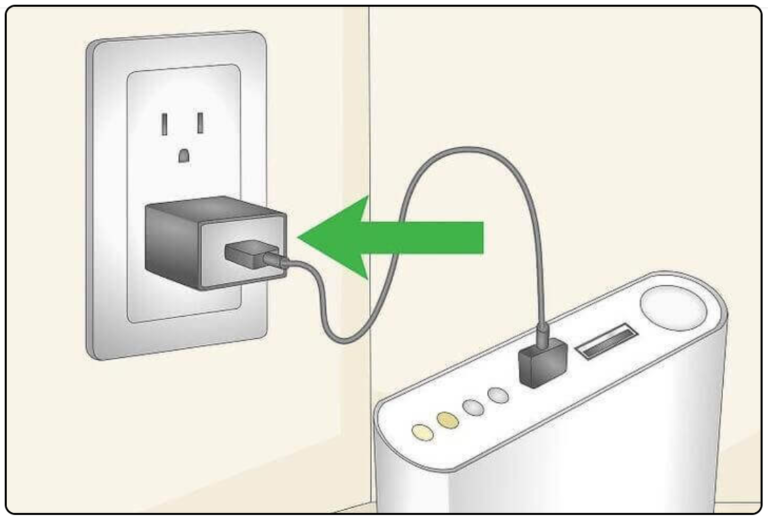
Plug the power bank into a wall charger using the right cable until full.
If you have ever wondered how do you recharge a power bank, this guide is for you. I test and use many models each year, from tiny keychain cells to high-capacity bricks for travel shoots. Here, I explain the exact steps, the gear you need, and the mistakes to avoid. You will learn the safe, fast, and smart way to recharge any power bank.

How a power bank actually charges
People ask, how do you recharge a power bank? It is simple, but a few details matter. A power bank holds energy in lithium-ion or lithium-polymer cells. Inside, a charge controller manages how power flows in, controls heat, and protects the battery.
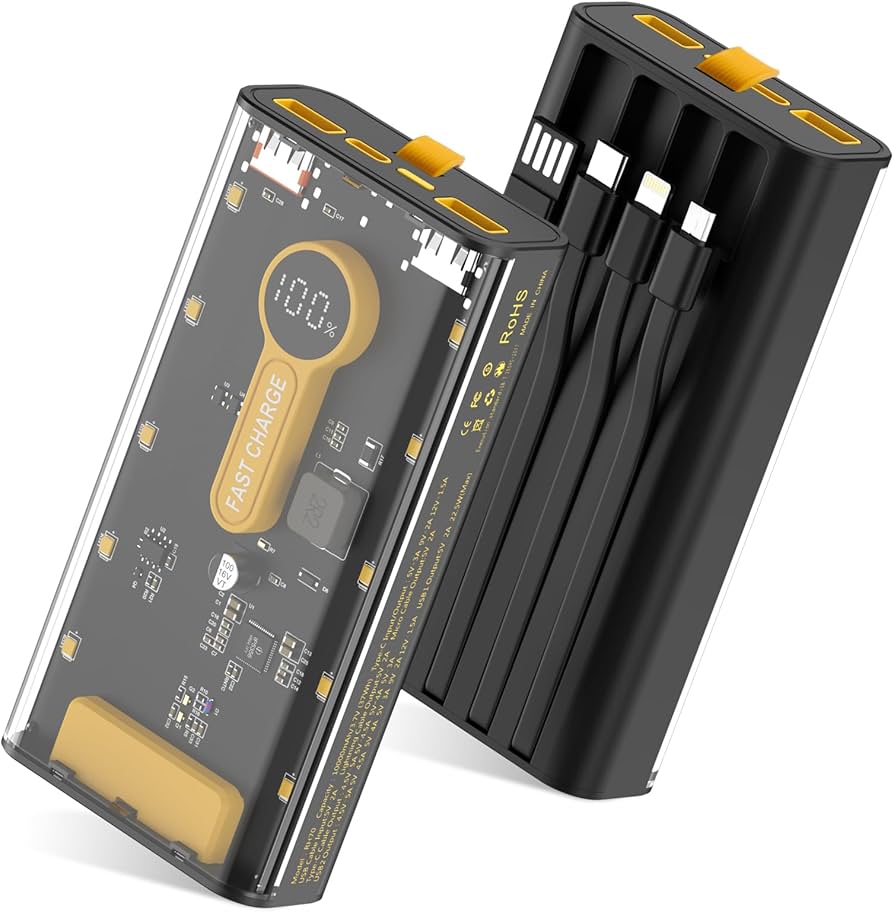
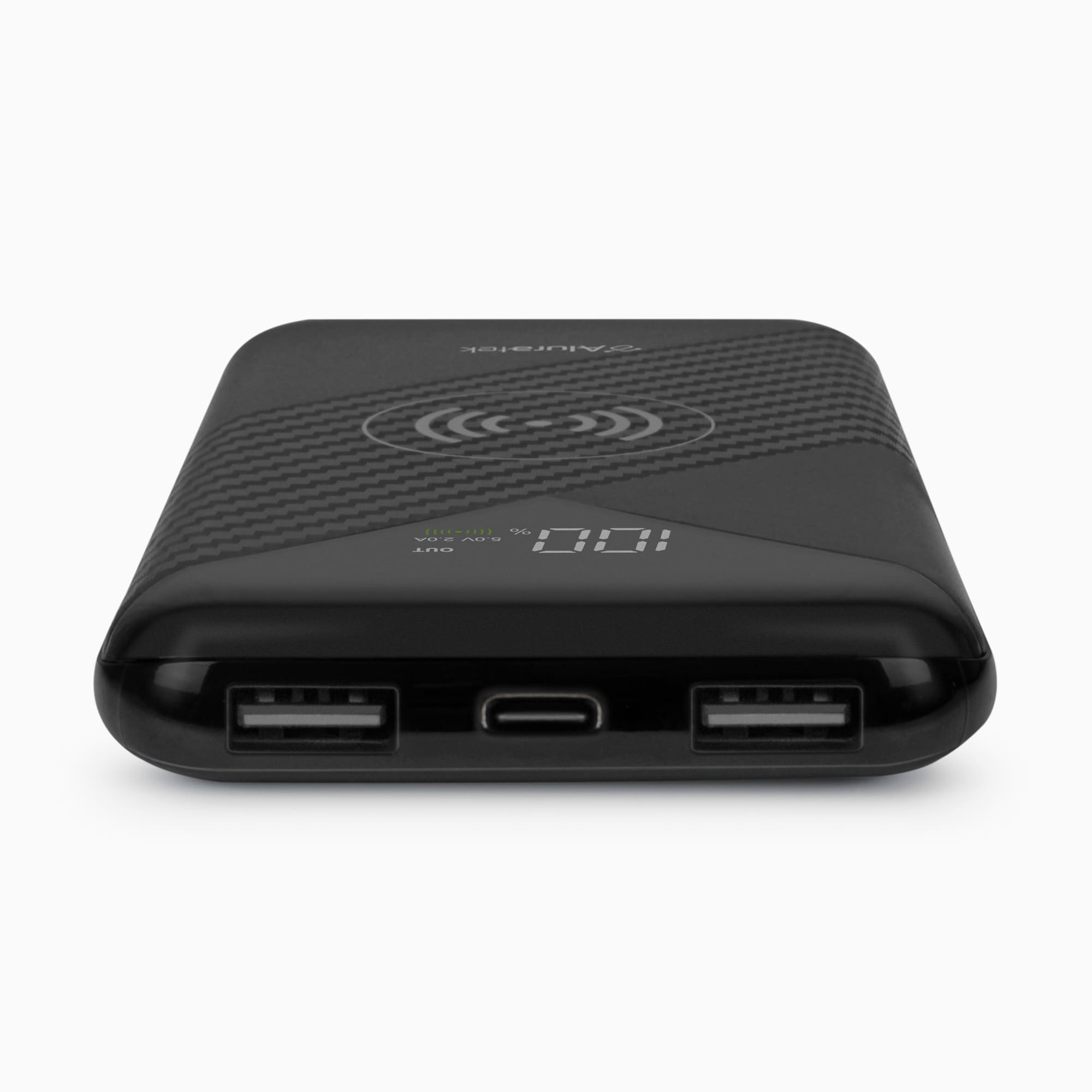
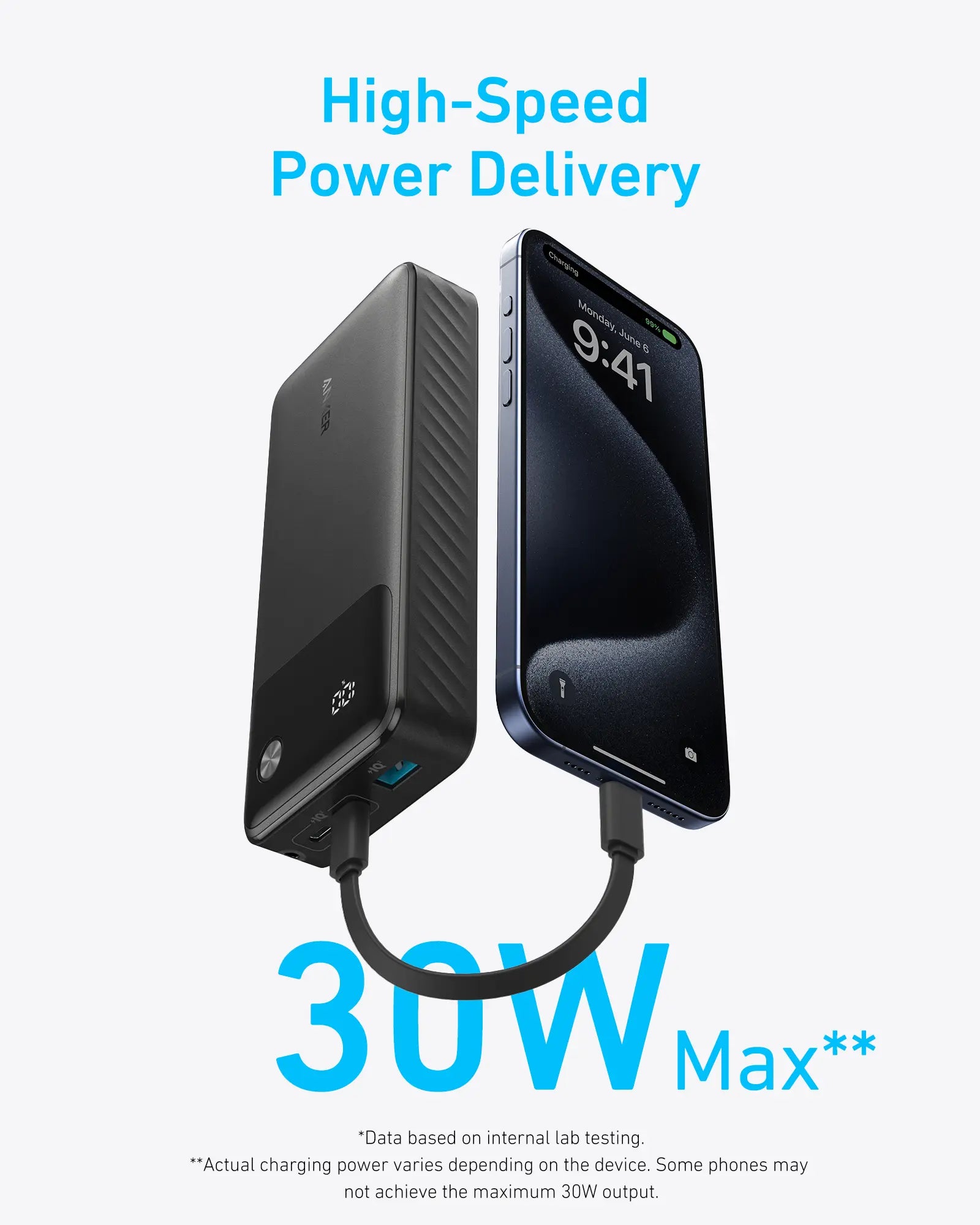
Most power banks have a USB-C input, a Micro-USB input, or both. Some also support USB Power Delivery or Quick Charge. These raise the input wattage. More watts mean faster charging, as long as your charger and cable can deliver it.
Look for the input rating printed on the case. You might see 5V⎓2A (10W), 9V⎓2A (18W), or 20V⎓1.5A (30W). Use a charger that matches or beats the input spec. The power bank will only draw what it can handle.
What you need before you start
Before you start, how do you recharge a power bank the right way? Gather the right tools. This sets you up for speed and safety.
What to have on hand:
- A wall charger that meets the input spec. A 20W USB-C charger is a great default.
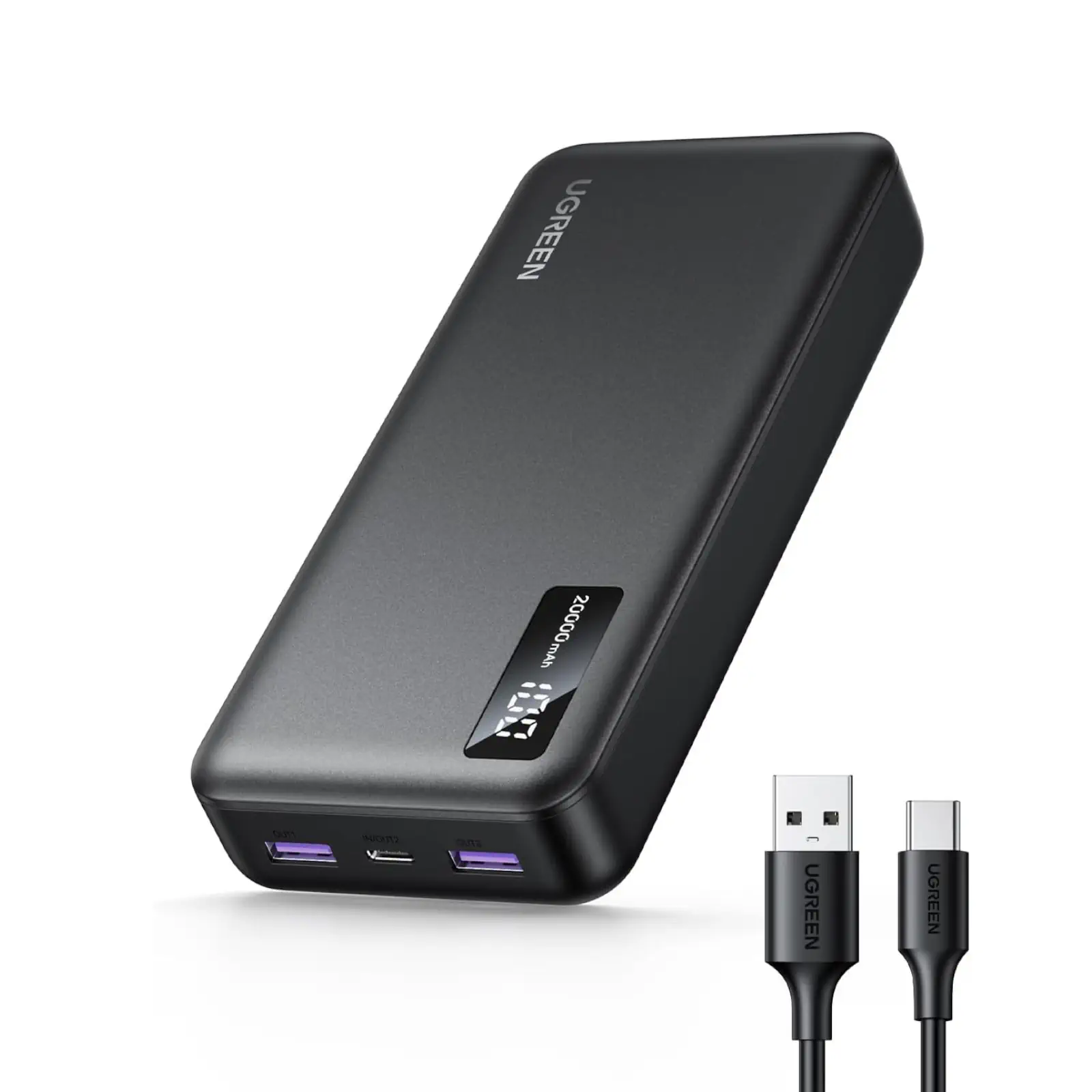
- A good cable that supports the needed current. USB-C to USB-C for modern banks. USB-A to Micro-USB for older ones.
- A working outlet or a known-good USB port. Avoid weak, unpowered hubs.
- Optional: a USB meter to see volts, amps, and watts. This helps you test speed.
Pro tip from my kit: cheap cables slow you down. I have seen a thin cable cap at 0.5A when the bank wanted 2A. A better cable cut my charge time in half.
Step-by-step: recharging your power bank
Follow these steps when someone asks how do you recharge a power bank. Keep it simple and steady.
- Check the input port and rating. Read the label near the port or on the back.
- Pick the right charger. Use a USB-C PD charger if the bank supports it.
- Use a solid cable. Avoid frayed or unknown cables.
- Plug the charger into the wall first. Then connect the cable to the bank.
- Watch the LEDs. They should start blinking to show charging.
- Let it charge until the LEDs show full. Many banks turn solid at 100%.
- Unplug from the bank first, then from the wall. This reduces wear on the port.
- Feel the case. Warm is normal. Hot to the touch is not. If hot, stop and check gear.
If your bank has a button, you may need to press it once to start charging. Some models auto-start, others do not.

Charging methods compared
There are many ways if you wonder how do you recharge a power bank. Each one has trade-offs.
Wall charger
* Best speed and stability.
- Use a charger rated 18–30W for modern banks.
USB-C Power Delivery
- Smart voltage. Can use 9V, 12V, or 20V to charge faster.
- Needs a PD charger and a USB-C cable with e-marker for higher power.
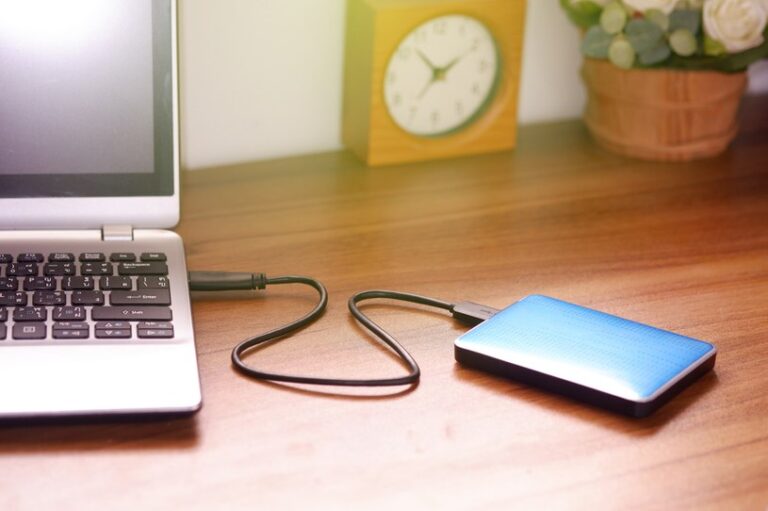
Laptop USB port
- Works in a pinch, but slow.
- Many laptop ports give only 2.5W–7.5W.
Car charger
- Good when driving.
- Use a quality 12V adapter with 18W+ output.
Solar panel
- Handy outdoors, but slow and weather-bound.
- Use a panel with a steady 5V output and a charge controller.
Wireless charging input (rare)
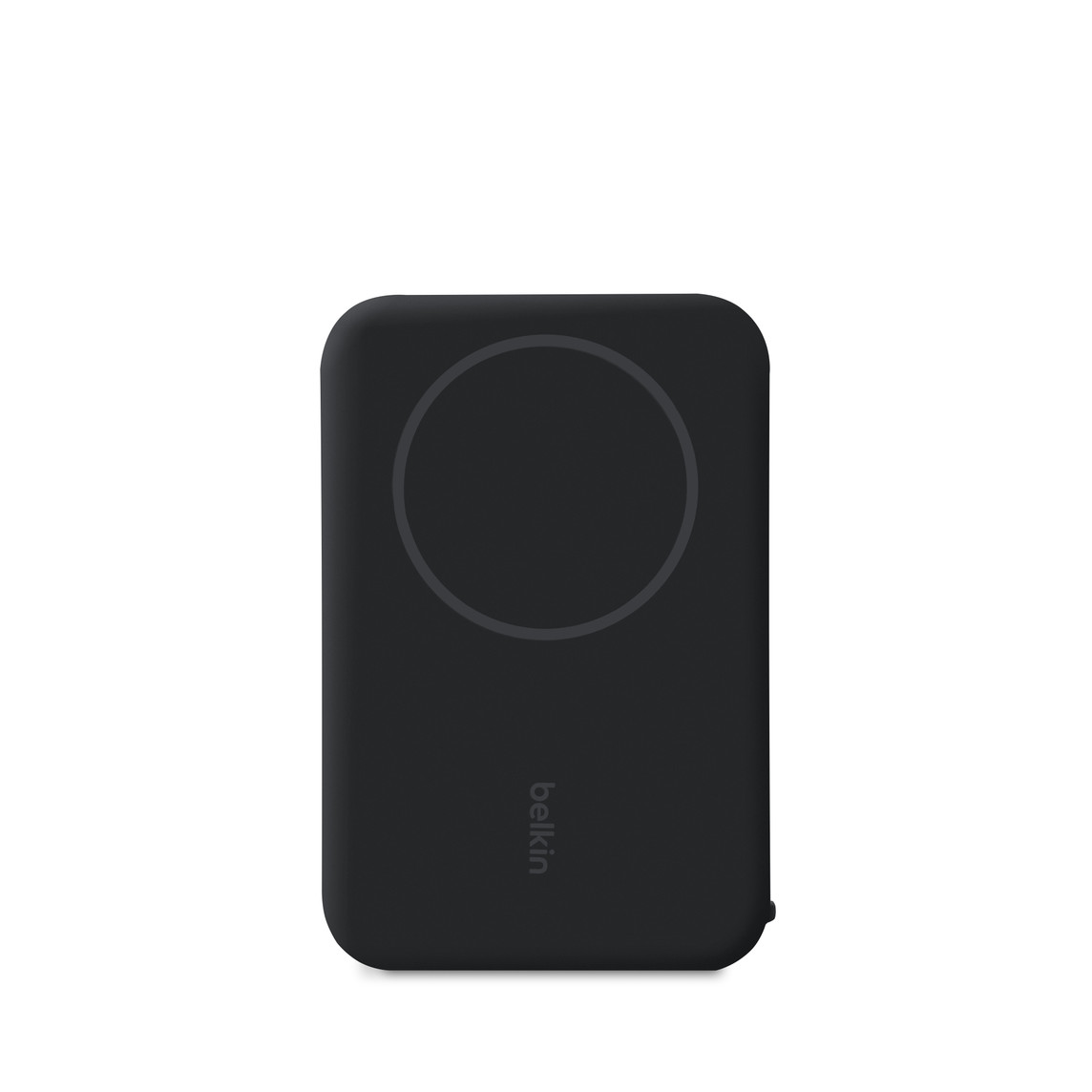
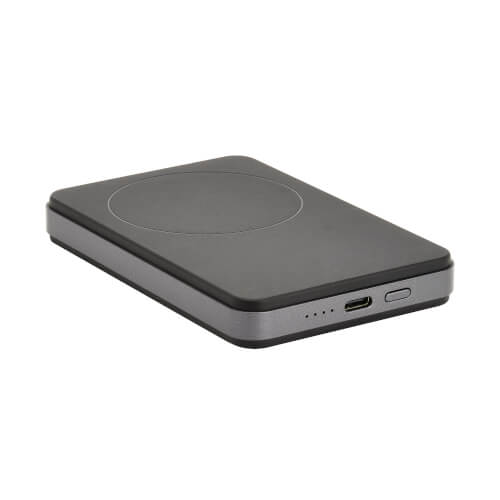
- Some banks can accept Qi input.
- It is slow and lossy. Use only when cables are not an option.
How long will it take? Understanding speed and time
To plan how do you recharge a power bank fast, learn two numbers: capacity and input power.
Capacity is often in mAh. Convert to Wh for a clearer view. Wh ≈ (mAh × 3.7V) ÷ 1000. A 10,000 mAh bank is about 37 Wh. Input power is volts times amps. A 9V⎓2A input is 18W.
A rough time estimate:
- Time (hours) ≈ Bank Wh ÷ Input W × 1.2 (to cover losses).
- Example: 37 Wh ÷ 18 W × 1.2 ≈ 2.5 hours.
- With a 10W charger, that same bank may take about 4.5 hours.
Real life note: I tested a 20,000 mAh unit that takes about 6 hours on 18W PD and almost 11 hours on a 5W cube. The charger and cable made all the difference.
Reading the lights and buttons
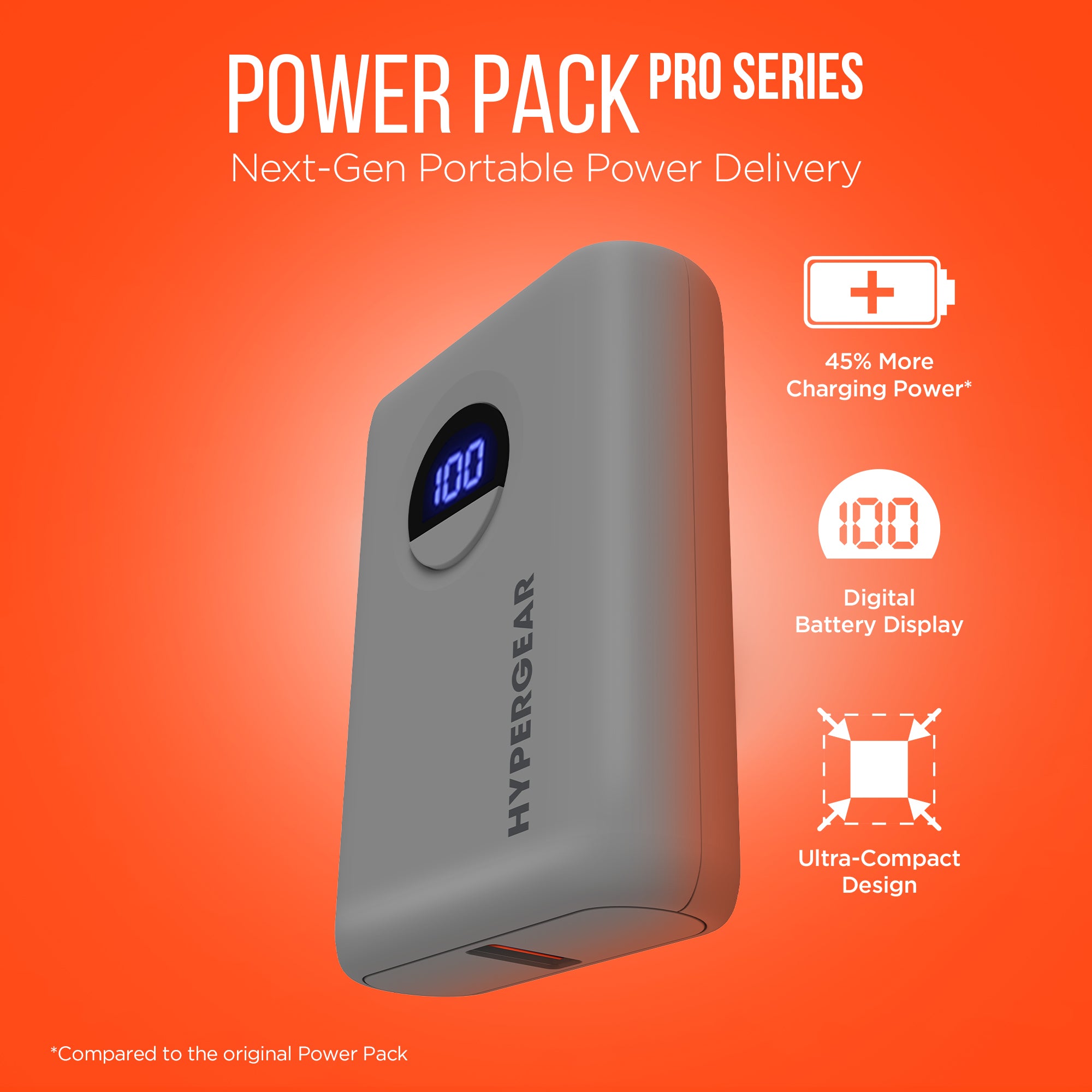
Lights tell you where you are with how do you recharge a power bank. Most banks use 4 LEDs. One light per 25% is common. A blinking LED often means “charging.” All solid usually means “full.”
Helpful patterns:
- One blinking LED: low battery and charging.
- Two or three solid LEDs: mid charge.
- All solid, then off: full or trickle top-off.
Some banks have a small display that shows a percent. Many have a button. A short press shows level. A long press may turn on a trick mode like low-power or trickle for earbuds.
Best practices to extend battery life
If you want longer life, and still ask how do you recharge a power bank safely, focus on heat and state of charge. Lithium cells like cool temps and mild levels.
Smart habits:
- Avoid full 0% to 100% swings daily. Aim for 20% to 80% when you can.
- Do not leave it in a hot car. Heat is the top battery killer.
- Use a charger that matches input. Bigger is not always faster if the bank cannot accept it.
- Store at about 50% if you will not use it for months.
- Top up every few months during storage.
From my travel bag: I keep two mid-size banks at 60–70% before trips. I finish the charge the night before I fly. This keeps the cells happy and ready.

Troubleshooting and common mistakes
If nothing happens and you ask how do you recharge a power bank now, walk through these checks. Most issues are simple.
Common fixes:
- Try a different cable. Cables fail more often than chargers.
- Try a known-good wall charger. Avoid old 5W cubes for big banks.
- Clean the port with a soft brush. Lint can block contact.
- Press the button once. Some models need it to start input.
- Let it cool. If it is hot, unplug and wait.
- Update your habits. Avoid charging through a laptop port if you want speed.
When to replace: if the bank swells, smells, or gets very hot, stop using it. Recycle it at a battery drop-off. Swelling is a safety warning.
Safety and certifications that matter
Safety matters when you think about how do you recharge a power bank. Quality banks include protection for overcharge, short circuit, and heat. Look for marks like CE, FCC, UL, or ETL. Many airlines require that spare lithium batteries be in carry-on, and most cap power banks at 100 Wh without special approval.
Extra tips:
- Do not cover the bank while charging. Let heat escape.
- Avoid pass-through charging unless the maker supports it. It adds heat.
- Use brand-name chargers and cables. Counterfeits can be risky.
- For USB-C, PD compliance helps avoid voltage mix-ups.
Frequently Asked Questions of how do you recharge a power bank
How do you recharge a power bank faster?
Use a USB-C PD charger that meets the bank’s input rating and a good cable. Keep the bank cool and avoid laptop USB ports, which are slow.
How do you recharge a power bank without a wall charger?
Use a high-power USB port on a PC, a car adapter, or a solar panel with a regulator. Expect slower speeds than a wall charger.
Can you use the power bank while it is recharging?
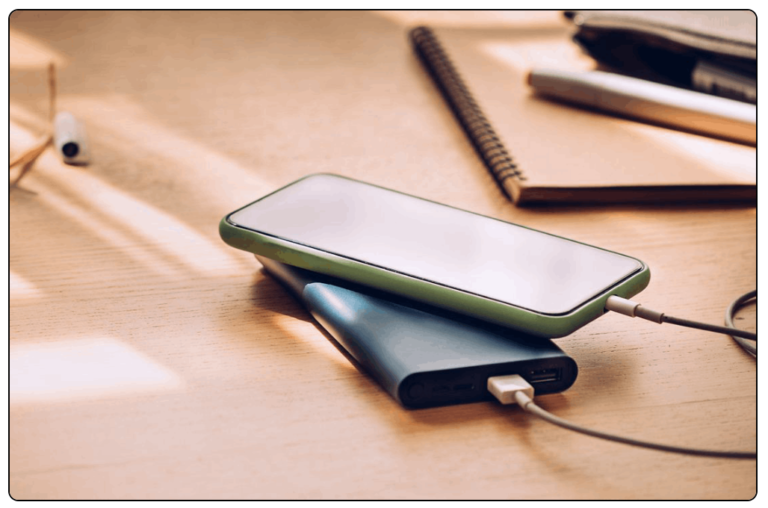
Some models allow pass-through charging, but it adds heat and can wear the battery. Check the manual; if allowed, use it only when needed.
Why does my power bank stop at 99%?
The last 1% is a slow top-off that balances the cells. Some displays round numbers, so 99% may already be full.
How often should I recharge a stored power bank?
Top it up every 2–3 months to keep it near 50–70%. This helps protect the cells during long storage.
Does cable quality affect how do you recharge a power bank?
Yes, thin or damaged cables limit current and increase time. Use short, certified cables for best results.
Is a 5W phone charger okay for how do you recharge a power bank?
It works, but it is slow for modern banks. A 10–20W charger is a better baseline.
Conclusion
Recharging a power bank is simple: use the right charger, a solid cable, and give it time to fill. You now know how do you recharge a power bank the safe, fast, and battery-friendly way. Pick a PD charger, keep heat down, and watch the LEDs for clear feedback.
Put this guide to work today. Test one change, like swapping to a 20W USB-C charger, and time the difference. Want more tips like this? Subscribe for practical gear guides, or drop a comment with the model you use and your charge time.