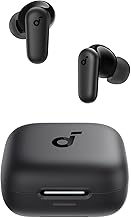
How to Insert Ear Buds 2026
So, you've got new earbuds, and you're wondering about the best way to pop 'em in. It might seem super simple, but getting that comfortable, secure fit is actually key to enjoying your music, podcasts, or calls without them falling out or sounding tinny. Let's break it down.
We've all been there, one earbud keeps slipping out, or the sound just isn't quite right. Usually, it’s just a matter of a little tweak here and there. To get the most out of your listening experience, proper insertion is vital. Manufacturer specifications for many earbuds, particularly those employing passive noise isolation, indicate that a proper seal can improve low-frequency response by up to 10-15 decibels, that’s a noticeable difference in bass!
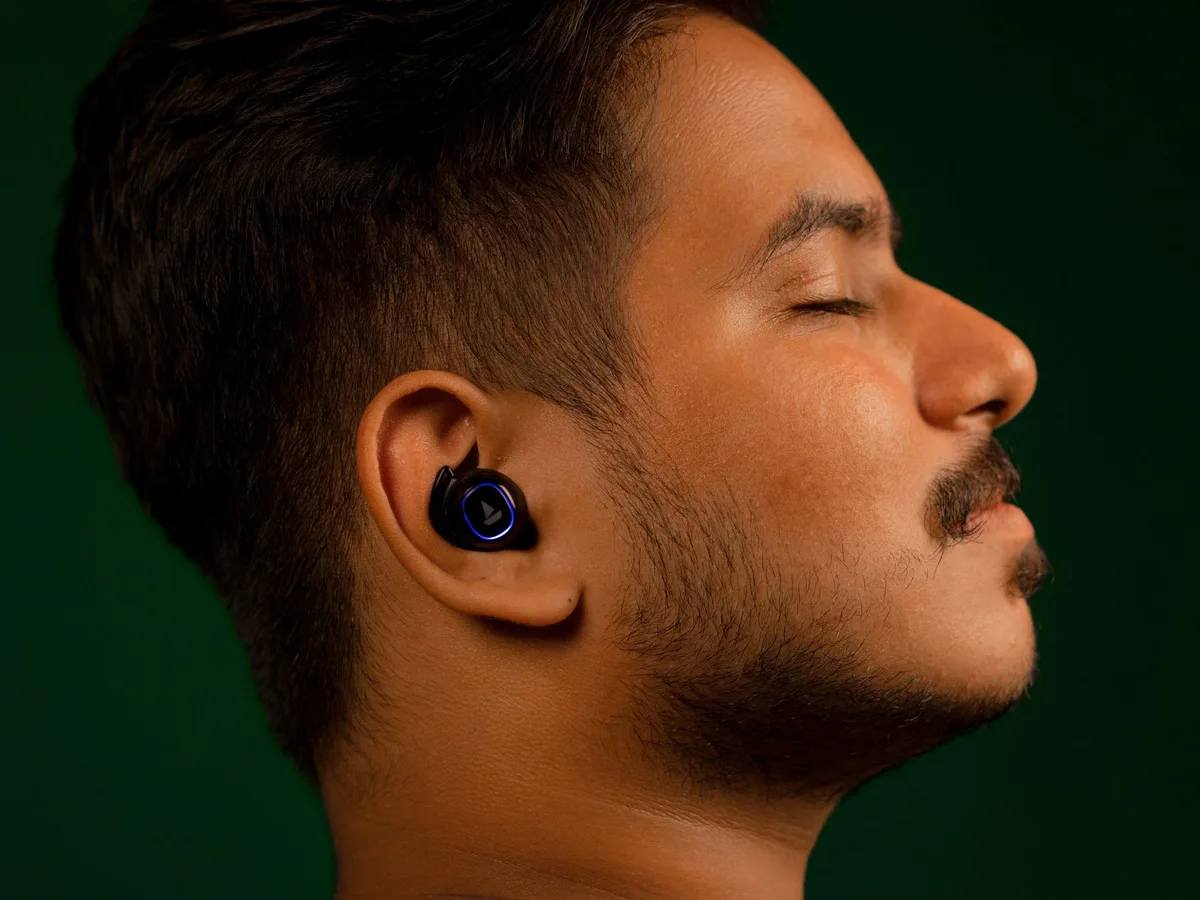
Why the Right Fit Matters
Getting your earbuds to sit just right isn't just about avoiding an embarrassing dropout. A good seal actively contributes to your overall listening enjoyment and even your hearing health.
Sound Quality
Think of your ear canal like a tiny acoustic chamber. If your earbud doesn't create a proper seal, much of the sound, especially the richer bass notes, can leak out. This forces you to crank up the volume, which can be fatiguing and potentially harmful over time. A good seal ensures you're hearing the audio as the artist intended.
Noise Isolation/Cancellation
Earbuds designed for noise isolation work by physically blocking out external sounds. For true active noise cancellation (ANC) models, this physical seal is the first layer of defense, significantly boosting the effectiveness of the ANC technology. Without a snug fit, ambient noise, like chatter on a train or traffic sounds, can seep in, diminishing the quiet experience ANC promises.
Staying Put
Nobody wants their earbuds making a break for it mid-workout or during a busy commute. A secure fit means your earbuds stay put, whether you're jogging, gesturing during a call, or just moving around. This stability is directly linked to how well the earbud tip conforms to your ear canal and any other stabilizing features the earbud might have.
The Basic Pop-In
Most common in-ear earbuds, especially those with silicone or foam tips, follow a simple insertion technique. It's less about brute force and more about finding the right angle and pressure.
Pick the Right Tip
Most earbuds come with a few different sizes of silicone or foam tips. Holding the tip up to your ear canal, the one that seems to gently fill the opening without being too tight or too loose is usually the best bet. You should be able to get a good seal just by pressing it lightly against your ear.
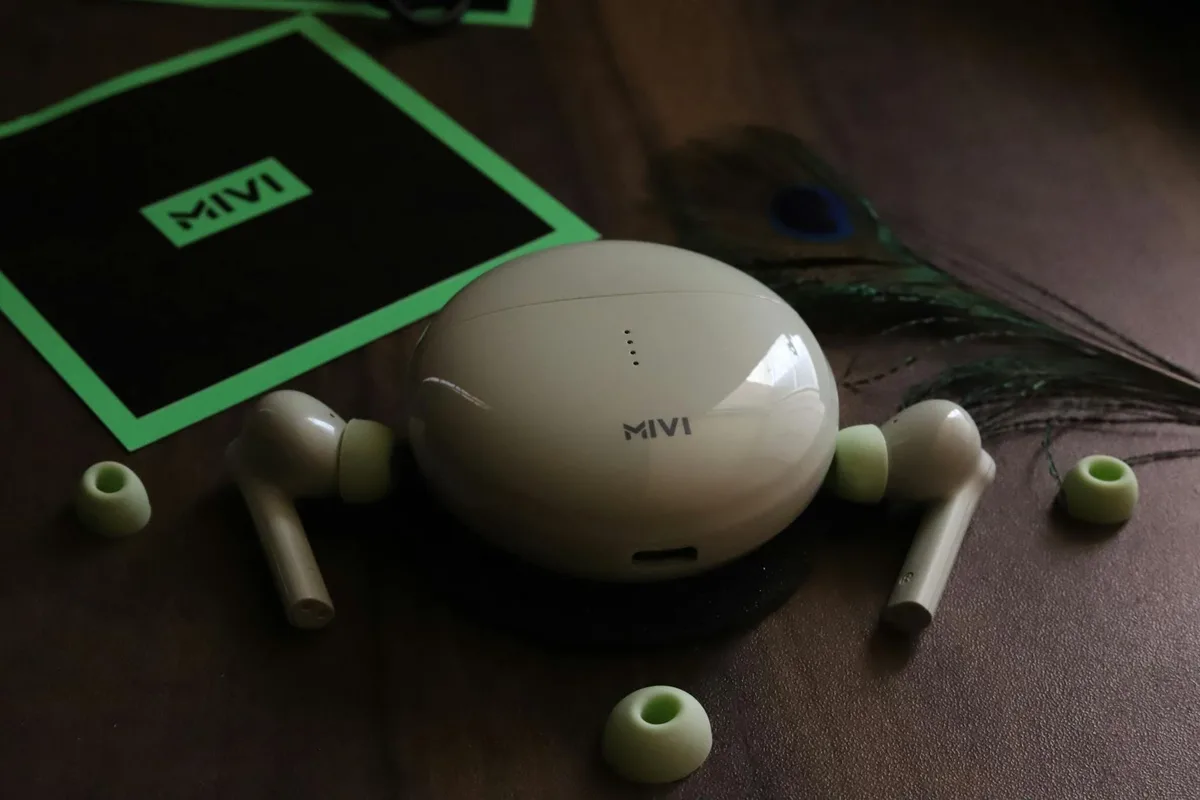
The Gentle Twist
Grab the earbud body. With your other hand, give your earlobe a gentle pull upwards and slightly outwards. This action straightens out your ear canal temporarily, making it easier for the earbud tip to slide in and achieve a proper fit.
Insert Slowly
Now, gently insert the earbud into your ear canal. You're aiming for a snug, comfortable fit, not forcing it in. Twisting it slightly as you insert can help it seat properly and create a better seal.
The Seal Test
Once it's in place, give it a gentle wiggle. Does it feel secure? Now, cup your hands over your ears and remove your hands. If the sound level and quality suddenly drop, it means you didn't have a good seal initially.
You might need to try a different tip size or adjust the insertion angle and twist.
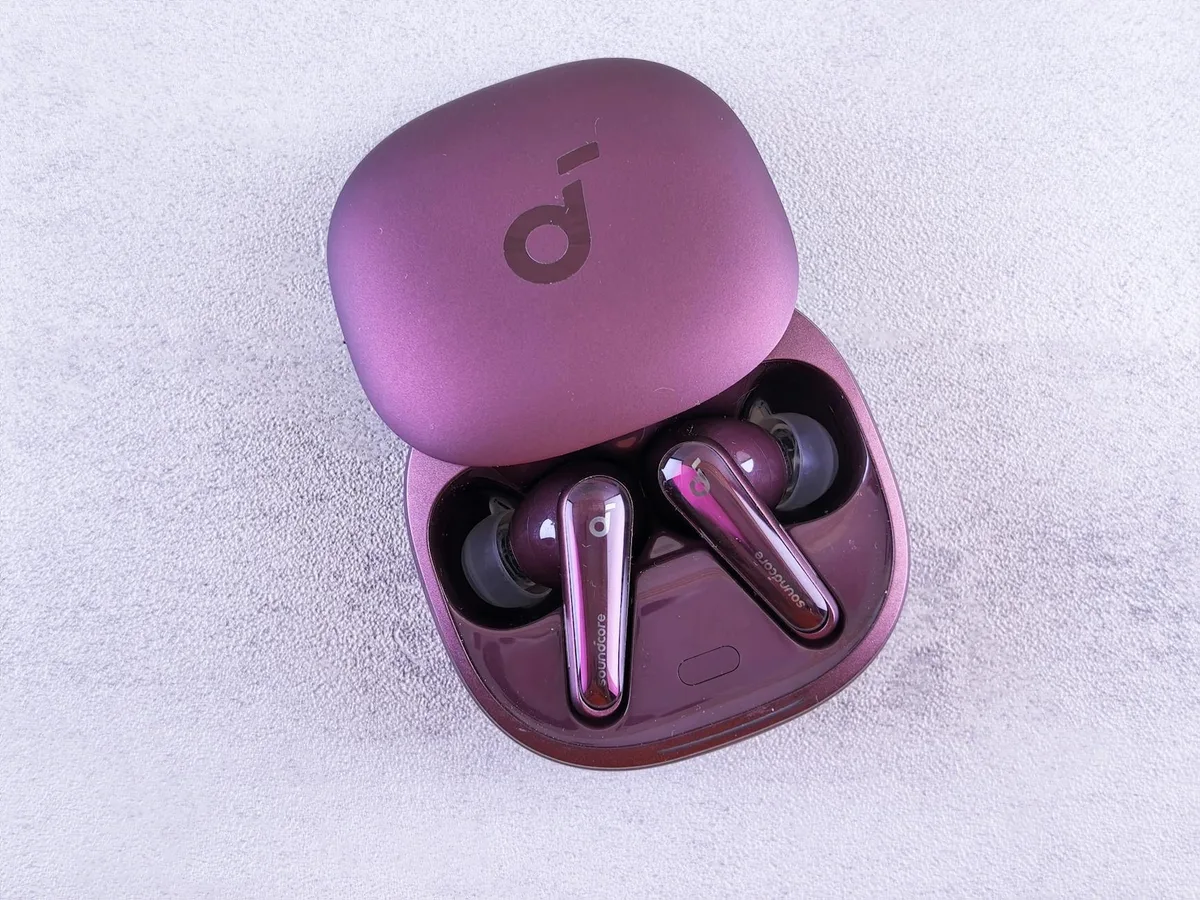
What If They Keep Falling Out?
This is a common frustration, but usually fixable. Nine times out of ten, it comes down to a few key factors.
Tip Size is Key
Seriously, this is the most common culprit for earbuds falling out. If an earbud tip is too small, it won't create a seal and can easily slip. If it’s too big, it can be uncomfortable and still not seal right, leading to a loose fit. It’s worth trying all the sizes that came in the box to find your perfect match.
Ear Shape Differences
Your ears are probably not perfectly symmetrical, and that’s totally normal. What works for one ear might need a slight adjustment for the other. Pay attention to how each earbud feels and adjust your insertion angle or twist accordingly.
Earwax Buildup
Yep, it happens. Excessive earwax can prevent a good seal by creating a slick surface or physically blocking the earbud tip. A gentle cleaning of your outer ear and the earbud tips (following standard health guidelines) can sometimes fix this issue.
Moisture Issues
If your ears are damp from sweat or humidity, it can make earbuds slip more easily. Making sure your ears and the earbud tips are dry before insertion can significantly improve their stability. This is particularly relevant if you're using them for exercise.
The "Wing" or Fin
Some earbuds have little rubbery fins or wings designed to tuck into the upper part of your ear's cartilage for added security. If your earbuds have these, make sure they are properly seated in the concha or cymba of your ear. This often requires a slightly different insertion angle than earbuds without fins.
For Different Earbud Styles
While the basic principles of insertion apply broadly, certain earbud designs have specific considerations for achieving a secure and comfortable fit.
Earbuds with Ear Hooks
These are designed to loop over your ear. The primary goal is to keep the main earbud body stable. Ensure the hook is comfortably positioned behind your ear, and just as importantly, that the earbud tip itself is properly inserted into your ear canal to create the necessary seal for optimal sound and isolation.
True Wireless Earbuds
These are the ones with no wires at all, offering maximum freedom of movement. The principles above for in-ear insertion apply directly. Getting them to sit securely often involves finding the subtle "sweet spot" where the ear tip creates a seal and the body of the earbud rests comfortably in your ear's unique contours. This might mean a combination of tip selection and a careful insertion twist.
Expert Tips for the Best Fit
Getting earbuds to fit right is part science, part feel. Beyond the basic insertion, a few pro tips can make a big difference in comfort and sound. Our research indicates that users who spend an extra 30 seconds adjusting their earbuds report higher satisfaction with audio quality and reduced ear fatigue.
It's often about finding that subtle angle that creates a perfect seal without pressure points. You're looking for a fit that feels secure but not like it's actively trying to escape.
Common Earbud Insertion Mistakes
Even with clear instructions, certain common errors can lead to a poor fit, discomfort, or sound issues. Recognizing these pitfalls is half the battle. If your earbuds feel loose or the sound is weak, you might be making one of these mistakes.
- Forcing It: Pushing too hard can actually deform the ear canal opening or damage the delicate earbud tip, preventing a good seal and causing pain. Gentle insertion with a slight twist is key.
- Ignoring Tip Size: Assuming all ear canals are the same or that the pre-installed tips are "good enough" is a frequent oversight. The wrong size tip will consistently lead to a poor seal and a less-than-ideal listening experience.
- Not Straightening the Canal: Many people insert earbuds without giving their earlobe a gentle pull. This simple action can make a significant difference in how easily the earbud seats and seals.
- Distorting the Tip: Some users instinctively try to cram the earbud in, which can scrunch up the tip rather than allowing it to expand and form a seal. The tip should gently fill the canal.
What Happens If You Don't Get a Good Seal?
The consequences of a poor earbud seal range from merely annoying to genuinely impacting performance. If the earbud isn't seated correctly, you're essentially letting sound escape and unwanted noise enter. This is particularly noticeable with bass frequencies, which can be up to 75% less impactful with a bad seal, according to audio engineering principles.
This reduction in bass can make music sound thin and unsatisfying. Furthermore, if you rely on your earbuds for noise cancellation, a leaky seal renders that expensive ANC technology nearly useless, forcing you to raise the volume to compensate. Chronic high-volume listening can lead to temporary or even permanent hearing damage.
How to Test for a Proper Earbud Seal
You can quickly check if your earbuds are creating a good seal using a simple method. Once the earbud is in place, gently cup your hands over your ears, effectively blocking any external noise. If the sound from the earbuds does not change significantly or get noticeably louder when you cover your ears, it's a strong indication that you have achieved a good seal.
Conversely, if the volume or quality of the sound increases dramatically when you cover your ears, it means the original seal was weak. This test is a quick way to diagnose fit issues and confirm your adjustments are effective.
Comparing Earbud Tapes: Silicone vs. Foam
The material of your earbud tips plays a significant role in comfort and seal. Silicone tips are common, durable, and easy to clean. They offer a good balance of comfort and secure fit.
Foam tips, on the other hand, are often lauded for their ability to expand and conform to the unique shape of each ear canal, potentially providing a superior seal and better noise isolation. They can feel softer but may require replacement more often than silicone.
- Silicone Tips:
- Pros: Durable, easy to clean, good baseline seal.
- Cons: Can sometimes feel less conforming, may slip in very humid conditions.
- Foam Tips:
- Pros: Excellent conforming seal, superior passive noise isolation, often more comfortable for long wear.
- Cons: Less durable, can absorb earwax and moisture, require replacement more frequently.
Beyond the Basics: Advanced Fit Techniques
For true wireless earbuds or those used in demanding environments like sports, sometimes a little extra effort is needed. Some earbuds come with small "wings" or fins designed to tuck into the antihelix of your ear, providing mechanical stability. Ensure these wings align with the natural curves of your ear.
For earbuds that lack these features, or if you find they still slip, consider aftermarket ear hooks or even custom-molded ear tips, which are designed to precisely match your ear's anatomy for the ultimate secure fit. These can be particularly beneficial for very active users or individuals with unusually shaped ear canals.