Fast Charging vs Slow Charging: Which Is Better for Your Phone?


Is Fast Charging Good?
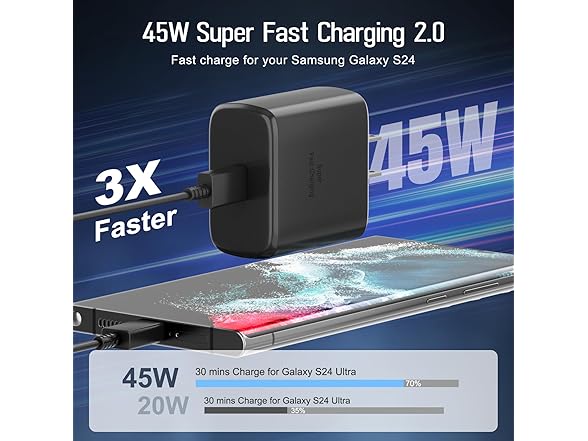
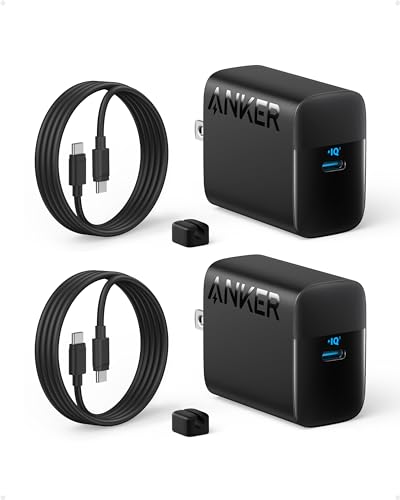
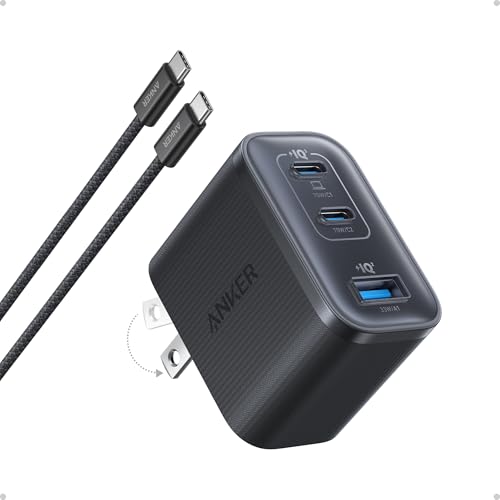
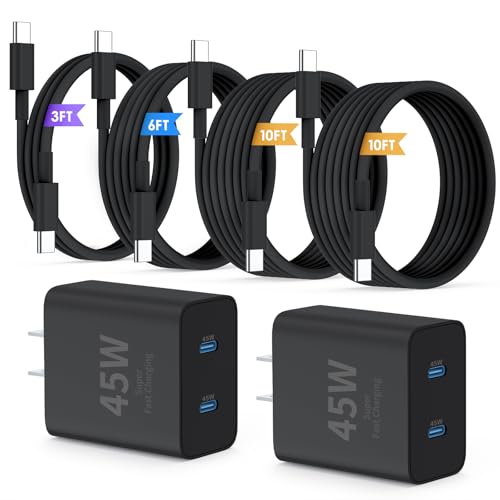
Yes, fast charging is good for people who need power in a hurry. It can cut charging time by a large amount when the phone, charger, cable, and charging standard all support the higher power level. In my practical use of fast charging, the biggest benefit was simple: I did not need to wait for a full charge before leaving home. A short break could add enough power for several more hours of use.
The key point in fast charging vs slow charging is that charging speed does not stay at the same level from zero to full. Phones often charge fastest when the battery is low. They then reduce power as the battery gets fuller. This helps control heat and protect the battery. Fast charging can create more heat than low-power charging, so I would use it when speed matters rather than treating maximum charging speed as a goal every time.
What Makes It Stand Out / Key Features
- High Charging PowerFast charging can deliver much more power than basic low-power charging when the device and charger support it.
- Shorter Wait TimeA short charging session can provide useful battery power before work, travel, school, or a night out.
- Adaptive ChargingModern phones can reduce charging power as the battery fills to help manage heat and battery stress.
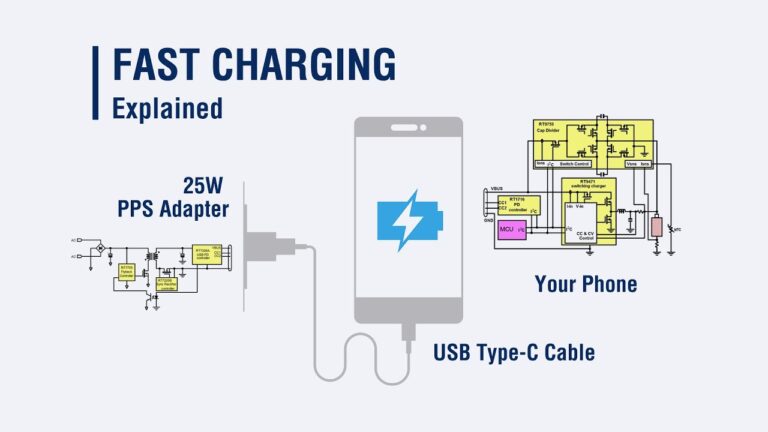
- USB-C SupportMany modern phones use USB-C and can support fast charging through compatible USB Power Delivery or another supported standard.
- Useful for TravelFast charging can reduce the time you need to stay near an outlet at airports, hotels, coffee shops, and rest stops.
- Best at Low BatteryFast charging is most useful when the battery is low and you need a quick boost rather than a full charge.
My Recommendation
Choose fast charging if your day is busy or you often need a quick battery boost. It is especially useful for commuters, travelers, students, and people who use their phones heavily.
| Best For | Why |
|---|---|
| Busy commuters | A short charging break can add useful battery power before leaving. |
| Frequent travelers | Less time near outlets can make travel days easier. |
| Heavy phone users | Quick top-ups help when video, maps, calls, or games drain the battery. |
Is Slow Charging Good?
Yes, slow charging is good when you have plenty of time. It can be a simple choice for overnight charging, desk use, or other long charging periods. In my practical comparison of fast charging vs slow charging, slow charging felt less urgent. I could plug in the phone and stop thinking about it. When the phone had many hours to charge, extra speed offered little real value.
Slow charging can also mean less heat, depending on the charger, phone, room temperature, and charging level. That does not mean slow charging automatically makes a battery last much longer. Battery aging depends on many factors, including heat, charge cycles, time spent at high charge levels, and the battery design. So I see slow charging as a useful low-power option, not a magic battery-health trick.
What Makes It Stand Out / Key Features
- Lower Charging PowerSlow charging uses less power than high-speed charging and can suit long charging periods.
- Long Charging WindowIt works well when your phone can remain connected for several hours.
- Simple SetupBasic chargers and compatible cables can provide a lower-power charging option without chasing maximum wattage.
- Potentially Lower HeatLower power can produce less heat in many situations, although actual temperature depends on the whole charging setup.
- Good for Desk UseA slower charge can work well when the phone sits near you for a long work or study session.
- Useful for Long Rest PeriodsWhen speed does not matter, slow charging can provide steady power without needing a high-power charger.
My Recommendation
Choose slow charging if your phone has hours to charge and you rarely need emergency power. It fits calm charging routines, desk use, and long rest periods.
| Best For | Why |
|---|---|
| Overnight charging | The phone has many hours, so maximum speed may not matter. |
| Desk users | A long work session gives the phone time to gain power. |
| Light phone users | Lower charging speed is often enough when battery demand is modest. |
fast charging vs slow charging: Side-by-Side Test
The best way to understand fast charging vs slow charging is to look at daily use. Charging speed is only one part of the story. Heat, battery level, charger support, and your schedule all matter.
There is no single charging speed that fits every moment. Think of fast charging as a sprint and slow charging as a walk. The sprint wins when time is short. The walk works when you have plenty of time.
Charging Speed: Which Is Faster?
This is the clearest difference in fast charging vs slow charging. Fast charging is built to reduce the time you spend waiting.
| Feature | Product 1 | Product 2 |
|---|---|---|
| Charging power | Higher | Lower |
| Quick top-up | Excellent | Limited |
| Time to useful charge | Shorter | Longer |
⭐ Product A – 10/10 | Product B – 6/10
Fast charging has the edge when every minute counts.
Heat: Which Runs Cooler?
Heat matters because repeated high temperatures can contribute to faster battery aging over time.
| Feature | Product 1 | Product 2 |
|---|---|---|
| Typical power level | Higher | Lower |
| Heat potential | Higher in many cases | Lower in many cases |
| Thermal control | Usually managed by the phone | Usually simpler |
⭐ Product A – 7/10 | Product B – 9/10
Slow charging has the edge when low charging power is the goal.
Battery Health: What Matters?
Fast charging gets blamed for battery wear, but the full picture is more complex. Heat, time at high charge levels, and charge cycles also matter.
| Feature | Product 1 | Product 2 |
|---|---|---|
| Heat management | Important | Usually easier |
| Battery aging risk | Depends on heat and use | Depends on heat and use |
| Battery protection features | Common on modern phones | Common on modern phones |
⭐ Product A – 8/10 | Product B – 8/10
Neither method guarantees better battery health; temperature and charging habits matter more.
Daily Convenience: Which Feels Easier?
For fast charging vs slow charging, convenience depends on how often you need to leave home with little battery.
| Feature | Product 1 | Product 2 |
|---|---|---|
| Morning rush | Excellent | Poor |
| Long desk session | Very good | Very good |
| Emergency top-up | Excellent | Limited |
⭐ Product A – 10/10 | Product B – 7/10
Fast charging has the edge for busy daily routines.
Overnight Charging: Which Fits Better?
If the phone will sit near an outlet for hours, charging speed becomes less important.
| Feature | Product 1 | Product 2 |
|---|---|---|
| Need for speed | Low | Low |
| Long charging window | Suitable | Suitable |
| Low-power approach | No | Yes |
⭐ Product A – 8/10 | Product B – 9/10
Slow charging has a small edge when the phone has all night to charge.
Travel: Which Helps More?
Travel changes the fast charging vs slow charging debate because outlets may be scarce and schedules can be tight.
| Feature | Product 1 | Product 2 |
|---|---|---|
| Airport charging | Excellent | Slow |
| Road trips | Excellent | Good |
| Short breaks | Excellent | Limited |
⭐ Product A – 10/10 | Product B – 6/10
Fast charging has the edge for most travel situations.
Cost: Do You Need More Hardware?
Fast charging can require a compatible charger and cable. Slow charging often works with simpler hardware.
| Feature | Product 1 | Product 2 |
|---|---|---|
| High-power charger | May be needed | Usually not needed |
| Cable requirements | Must support required power | Usually less demanding |
| Setup cost | Can be higher | Can be lower |
⭐ Product A – 8/10 | Product B – 9/10
Slow charging has the edge if keeping hardware costs low is your goal.
Final Verdict: Which Should You Buy?
In the fast charging vs slow charging debate, fast charging is the better fit for people who often need power quickly. It shines before work, during travel, and when a phone reaches a low battery at the worst possible time. Slow charging makes more sense when the phone can sit near a charger for hours.
For most people, the best approach is not to pick only one. Use fast charging when time matters. Use lower-power charging when time does not. Also keep the phone cool and use a charger and cable that match the phone maker’s requirements. That gives you speed without turning every charging session into a race.