What are earphones: Easy Guide
Earphones are small, portable listening devices that sit inside or just outside your ear canal. They convert electrical audio signals into sound waves using miniature speakers called drivers, and they connect to your phone, computer, or audio source either through a cable or Bluetooth. As of 2026, true wireless earbuds have become the dominant style globally, though wired models still hold a strong niche among audiophiles, musicians, and commuters on a budget.
The basic idea hasn't changed since the 1990s, but the tech inside has. A typical pair of modern earphones packs a dynamic driver between 6mm and 14mm, supports Bluetooth codecs like LDAC and AAC, and may include active noise cancellation, transparency modes, and IPX4 water resistance. What matters most, though, is how you use them.
NIOSH research sets the safe noise exposure limit at 85 dB over 8 hours, and going above that for long stretches can cause permanent hearing damage. That's the part most people skip when they ask what earphones are, so we'll cover that too.
Quick Answer
Earphones are small personal audio devices worn in or on the ears. They use tiny drivers to turn electrical signals into sound. Most modern pairs connect wirelessly over Bluetooth.
They come in wired, wireless, true wireless, and bone conduction styles.
What Earphones Are and How They Actually Work
At the simplest level, an earphone is a transducer. It takes an electrical audio signal from your device and turns it into mechanical vibration, which your eardrum picks up as sound. The component doing the work is called a driver, and it's housed inside a small sealed chamber aimed directly at your ear canal.
Here's the path sound takes from your phone to your brain:
- Your device outputs an electrical audio signal.
- The signal travels through a cable or Bluetooth radio to the earphone.
- Inside the earphone, the driver moves a tiny diaphragm back and forth.
- That movement pushes air, creating sound waves.
- The sound waves travel down your ear canal and vibrate your eardrum.
- Your inner ear converts those vibrations into nerve signals your brain reads as music or speech.
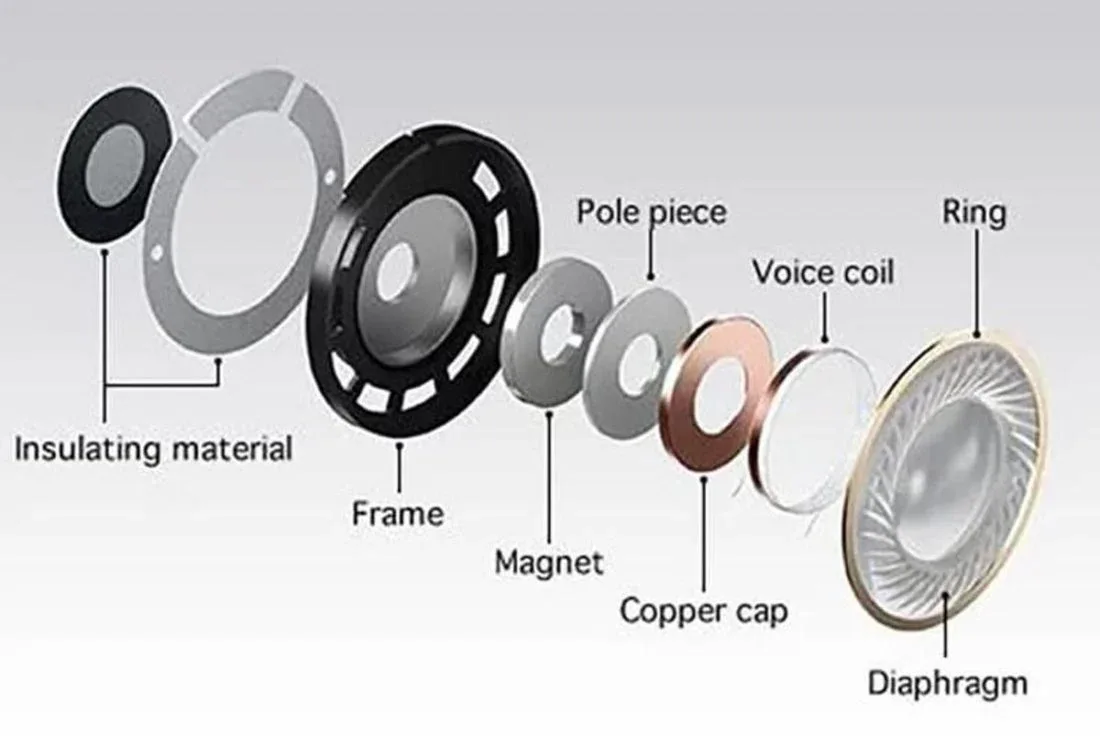
Most consumer earphones use a dynamic driver. That's a small voice coil attached to a diaphragm sitting inside a magnetic field. When the current changes, the coil moves, the diaphragm moves with it, and air gets pushed.
Same principle as a full-size speaker, just shrunk to fit in your ear.
Audiophile and professional in-ear monitors (IEMs) sometimes use balanced armature drivers or hybrid setups. Balanced armatures use a tiny reed that pivots inside a coil, and they tend to deliver more detail in the mid and high frequencies. Hybrids combine both, so you get bass weight and clarity in one package.
The Main Types of Earphones Explained
Earphones get lumped into one big bucket, but they break into several distinct categories. Each one fits differently, sounds a bit different, and suits different uses.
In-Ear Canal Earphones (IEMs)
These are the most common style today. The tip sits inside your ear canal and forms a seal. That seal blocks outside noise passively and helps bass response.
Most true wireless earbuds use this design.
Earbuds (Non-Canal Style)
These rest in the outer ear without sealing the canal. The original EarPods from Apple are a classic example. They let in more ambient sound, which some people prefer for safety while running or cycling.
True Wireless Earbuds (TWS)
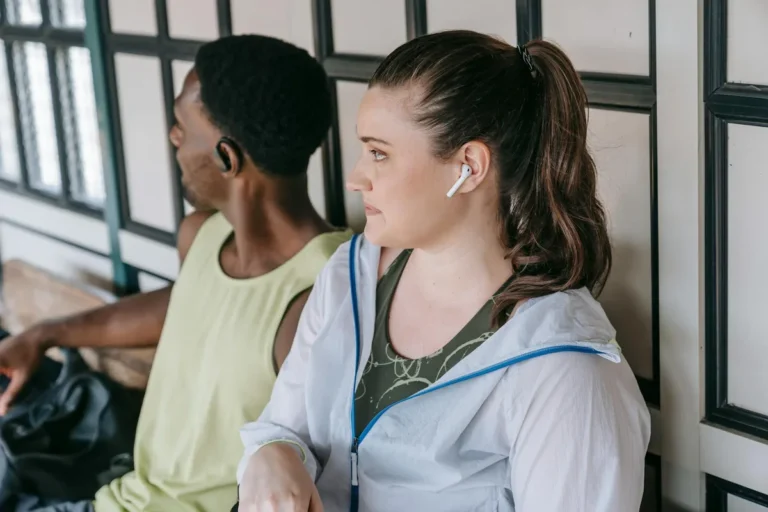
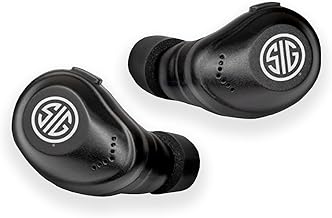
Two independent earpieces with no cable between them. They come with a charging case that doubles as a portable battery. Battery life typically ranges from 4 to 12 hours per charge, with the case adding 20 to 40 more hours.
Neckband Earphones
Two earbuds connected by a flexible band that rests on your neck. The band holds the battery and Bluetooth radio. They're popular for running because they won't fall on the ground if an earbud pops out.
Bone Conduction Earphones
These sit on your cheekbones, not in your ears. They vibrate your skull, and your inner ear picks up the sound directly. Shokz makes the most popular models.
They leave your ears open, which is great for outdoor awareness.
Open-Ear Earphones
A newer category that uses small speakers near the ear canal without sealing it. They aim sound at the canal while letting ambient noise through.
Wired vs. Wireless Earphones: What's the Real Difference
The choice between wired and wireless used to be simple. Wired meant better sound, wireless meant convenience. As of 2026, that line is blurry, but the trade-offs still exist.
| Factor | Wired Earphones | Wireless Earphones |
|---|---|---|
| Sound quality | No compression, no latency | Depends on codec (LDAC, AAC, aptX) |
| Battery | Never needs charging | 4–12 hours per charge |
| Latency | Near zero | 40–200ms depending on codec |
| Connection | 3.5mm, USB-C, or Lightning | Bluetooth 5.0 or higher |
| Price for quality | Often cheaper for the same sound level | Premium models cost more |
| Use case | Studio, gaming, audiophile listening | Commute, gym, casual daily use |
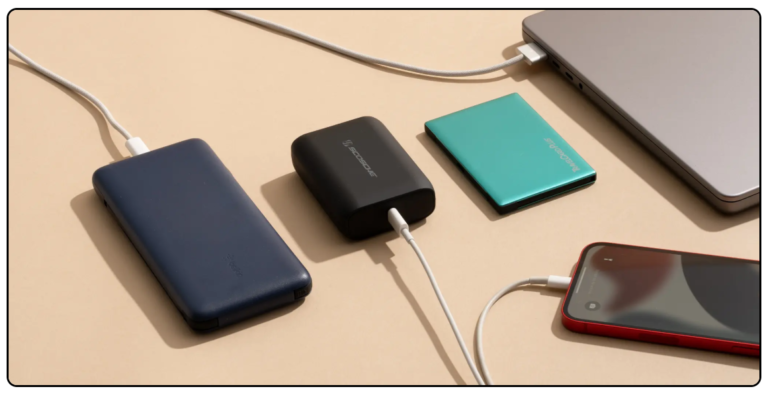
If you care about zero latency for gaming or video editing, wired still wins. If you want freedom from cables and your phone doesn't have a headphone jack, wireless is the practical choice. For travel, a portable charger for topping up on the go can keep your wireless case powered for days.
Bluetooth codecs matter more than most people think. SBC is the baseline and sounds compressed. AAC is what iPhones use, and it's efficient. aptX and aptX HD are Qualcomm options for Android.
LDAC is Sony's high-res codec and streams up to 990kbps, close to wired quality. LC3 is the next-gen codec coming with Bluetooth LE Audio, promising better quality at lower bitrates.
Key Parts Inside an Earphone (Drivers, Tips, Cables, and More)
Once you know the parts, the spec sheets stop looking like alphabet soup. Here's what's actually inside a pair of earphones and what each piece does.
The Driver
The heart of the earphone. It moves air to make sound. Driver size is measured in millimeters and typically ranges from 6mm to 14mm in consumer models.
Bigger drivers generally move more air and produce stronger bass, but tuning matters more than raw size.
The Housing
The shell that holds the driver. It can be plastic, aluminum, or resin. The shape and material affect resonance, comfort, and how the earphone sounds.
A well-sealed housing keeps bass tight.
The Ear Tip
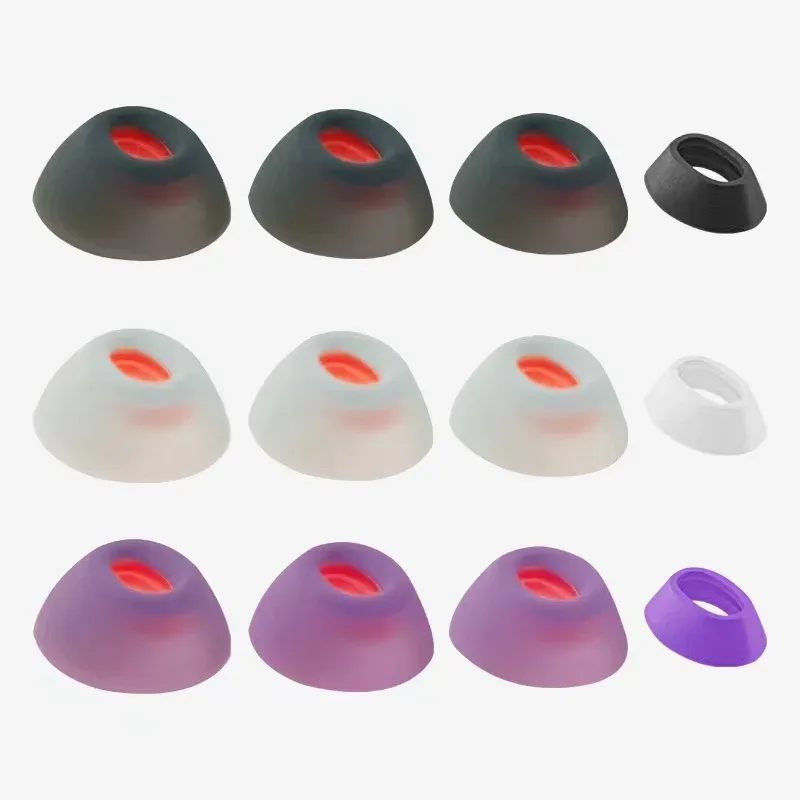
The soft piece that sits in your ear canal. Silicone is the most common, but memory foam tips conform to your ear shape for a better seal. Getting the right tip size is the single biggest factor in sound quality and comfort.
A poor seal means weak bass and more outside noise.
The Cable (Wired Models)
Can be rubber, braided, or flat. Braided cables resist tangling and last longer. The jack type matters too: 3.5mm is universal, USB-C is on modern Android phones, and Lightning was on older iPhones.
The Battery (Wireless Models)
Usually a small lithium-ion cell in each earbud, plus a larger one in the charging case. Over time, all lithium batteries degrade, so wireless earbuds typically last 2 to 4 years before battery life gets noticeably worse.
The Microphone
For calls and voice assistants. Cheaper models have one mic per side. Premium models use multiple mics with beamforming to focus on your voice and reject background noise.
The Controls
Touch-sensitive panels or physical buttons. Touch controls look sleeker but can trigger accidentally. Physical buttons are more reliable during workouts.
How Active Noise Cancellation Works in Earphones
Active noise cancellation, or ANC, is one of the most marketed features in modern earphones. It's also one of the most misunderstood. ANC doesn't block all sound.
It targets specific low-frequency noise and uses a clever trick to cancel it out.
Here's the basic idea:
- Tiny microphones on the outside of the earbud listen to ambient sound.
- The earphone's processor analyzes that sound in real time.
- It generates an "anti-noise" wave that is the exact opposite phase.
- When the two waves meet, they cancel each other out through destructive interference.
The result is a noticeable reduction in low-frequency rumble. Think airplane engines, bus motors, HVAC hum, and office chatter. ANC works best on consistent, droning sounds below 1 kHz.
It does almost nothing for sudden, sharp noises like a car horn.
There are three main types of ANC:
| Type | How It Works | Strength |
|---|---|---|
| Feedforward | Mics on the outside of the earbud | Good for general noise, can struggle with wind |
| Feedback | Mics inside the ear canal | Better at adapting to seal changes, can hiss |
| Hybrid | Both outside and inside mics | Best overall, used in premium models |
Adaptive ANC adjusts the cancellation level in real time based on your environment. Sony's WF-1000XM series and Apple's AirPods Pro are known for strong adaptive ANC. Transparency mode is the opposite of ANC.
It uses the same microphones to pipe outside sound into your ears, useful for quick conversations or hearing traffic.
What Earphones Do to Your Ears (and Hearing)
This is the part most articles skip, and it's the part that matters most. Earphones are not dangerous by design, but they can absolutely damage your hearing if you misuse them.
The risk is noise-induced hearing loss (NIHL). It happens when tiny hair cells in your cochlea get damaged by loud sound. Once those cells die, they don't grow back.
The damage is permanent and cumulative.
The closer the driver sits to your eardrum, the louder the sound can get with less power. In-ear earphones can easily reach 100 dB or more at full volume on a phone. At that level, safe exposure time drops to about 15 minutes per day, according to NIOSH's recommended exposure limits.
Common signs you're listening too loud:
- Ringing or buzzing in your ears after removing the earphones (tinnitus)
- Sounds seem muffled the next morning
- You have to turn the TV up louder than before
- People around you can hear your music leaking
Safe Listening Thresholds You Should Know
Sound is measured in decibels (dB), and the scale is logarithmic. Every 10 dB increase represents a tenfold jump in sound intensity. A 90 dB sound isn't 12% louder than 80 dB.
It's 10 times more intense.
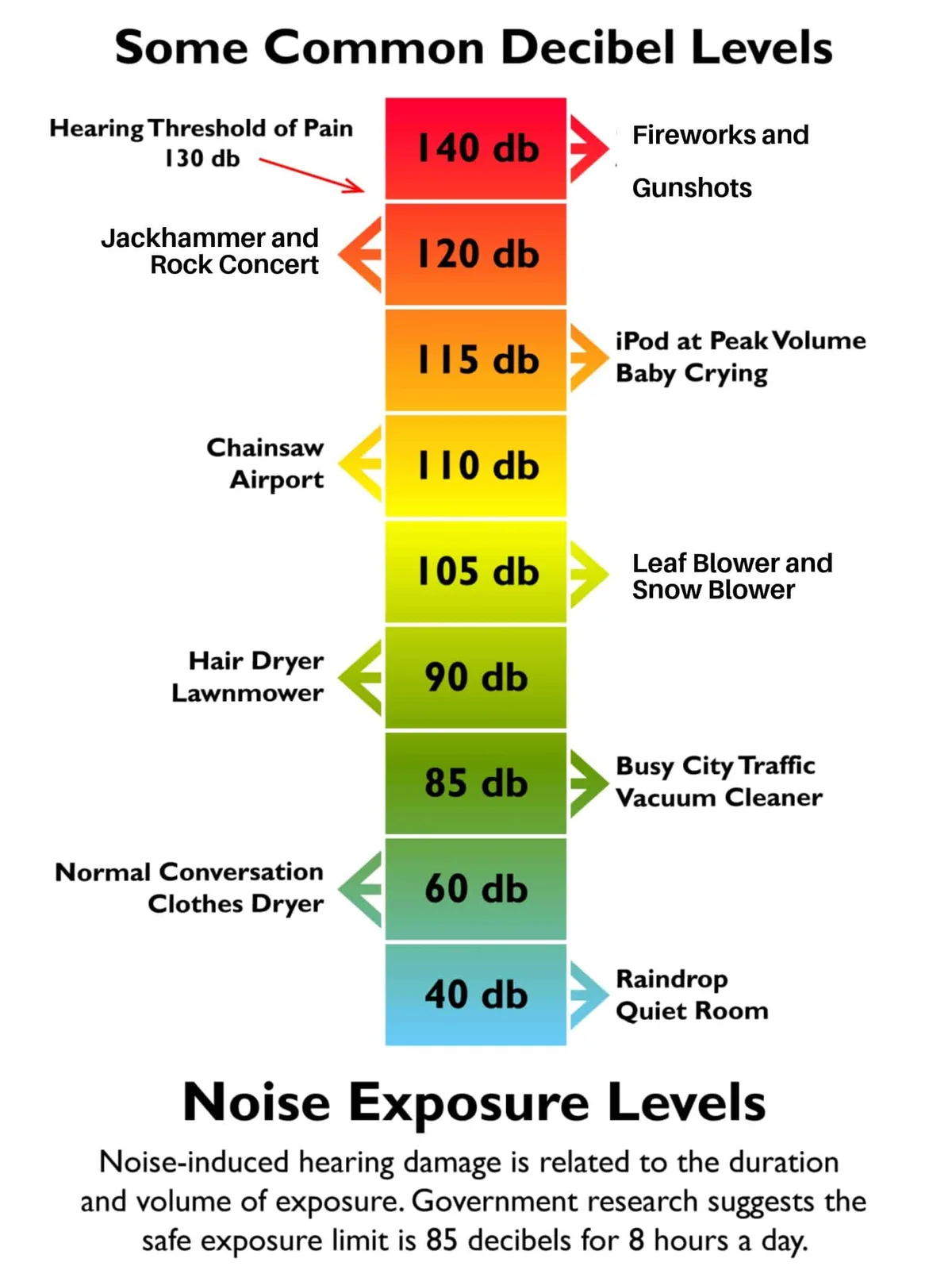
Here's how exposure time changes with volume, based on NIOSH guidelines:
| Sound Level | Safe Exposure Time | Real-World Example |
|---|---|---|
| 70 dB | Unlimited | Normal conversation |
| 80 dB | 8 hours | Busy traffic |
| 85 dB | 8 hours (REL) | Inside a moving car |
| 88 dB | 4 hours | Loud restaurant |
| 94 dB | 1 hour | Subway train |
| 100 dB | 15 minutes | Maximum phone volume through earphones |
| 110 dB | 2 minutes | Power tools, loud concert |
The World Health Organization recommends the 60/60 rule for personal audio: listen at no more than 60% of max volume for no more than 60 minutes at a stretch. Both iOS and Android now include built-in volume limiters and hearing health tracking. iPhones track headphone audio levels in the Health app. Android phones offer similar tools under Sound settings.
Common Earphone Problems and How to Fix Them
Even good earphones act up sometimes. Most issues are easy to fix without buying a new pair.
- One earbud not charging: Clean the contacts with a dry cotton swab. Earwax and skin oil block the metal pads.
- Bluetooth won't pair: Forget the device in your phone's Bluetooth settings, then re-pair from scratch.
- Sound is quieter on one side: Swap the ear tips. A poor seal on one side kills bass and makes that side sound thin.
- Latency during video: Switch to a low-latency codec like aptX Low Latency, or use wired earphones.
- Tangle issues: Wrap cables in a figure-eight pattern instead of a circle.
- Battery drains fast in the case: Make sure the case is fully closed and the earbuds are seated properly.
- Ear tips keep falling off: Stretch them gently and press firmly back onto the nozzle.
- ANC sounds worse than before: Reset the earphones and re-fit them.
Who Earphones Are Best For (Use Cases by Listener Type)
Different listeners need different things from their earphones. Here's how the categories line up.
Commuters and Travelers
Look for strong ANC, long battery life, and a pocketable charging case. Transparency mode helps at the platform.
Gym and Runners
Prioritize IPX4 or higher water resistance and a secure fit. Bone conduction is worth considering for outdoor runners who need full situational awareness.
Office and Remote Workers
Focus on microphone quality and multipoint pairing. Comfort matters for all-day wear.
Gamers and Streamers
Low latency is king. Wired is still the safest bet. Look for a detachable boom mic if you game on console or PC.
Audiophiles and Musicians
Wired IEMs with multiple balanced armature drivers or hybrid setups. Brands like Sennheiser, Campfire Audio, and 64 Audio are common picks. A good fit matters more than the driver count.
Sleepers
Look for tiny, low-profile sleep earbuds with no ANC. Comfort beats sound quality for sleep use.
Earphones vs. Headphones vs. Earbuds: Clearing the Confusion
The terminology gets messy fast. Brands use these words interchangeably, but there are real differences.
- Earphones: A broad term for any small personal listening device worn in or on the ears.
- Earbuds: Technically, earbuds sit in the outer ear without entering the canal. The term is often used loosely to mean any small ear-worn device.
- In-ear monitors (IEMs): Earphones that sit inside the ear canal with a seal. Most modern wireless earbuds are technically IEMs.
- Headphones: Larger devices worn over or on the ears. They typically offer better soundstage but are less portable.
When in doubt, "earphones" is the safe umbrella term.
Features That Actually Matter When Choosing Earphones
Spec sheets are packed with buzzwords. Here's what actually changes your experience.
Fit and Comfort
The single most important factor. Try multiple ear tip sizes. Memory foam tips usually seal better than silicone.
Active Noise Cancellation
Worth paying for if you fly, commute, or work in noisy spaces.
Battery Life
Look for at least 6 hours per charge with ANC on. The case should add 24+ hours total.
Water Resistance
IPX4 handles sweat and light rain. IPX5 and above handle heavier water.
Microphone Quality
Critical for calls. Look for models with multiple mics and noise reduction.
Codec Support
LDAC and aptX HD matter for Android. AAC matters for iPhone.
Multipoint Pairing
Lets you stay connected to two devices at once.
If you're always on the move, a reliable backup cell for your charging case goes a long way toward avoiding dead-battery stress.
Earphone Specs Explained Without the Jargon
| Spec | What It Means | Why It Matters |
|---|---|---|
| Frequency response | Range of bass to treble (Hz to kHz) | 20 Hz to 20 kHz covers human hearing. Wider isn't always better. |
| Impedance | Electrical resistance, in ohms | Lower (16–32 ohms) is easier to drive. Higher (50+) needs more power. |
| Sensitivity | Loudness per milliwatt (dB/mW) | Higher means louder at the same volume setting. |
| Driver size | Diameter of the driver in mm | Bigger doesn't always mean better sound. |
| THD | How much the earphone distorts the signal | Lower is better. Under 1% is solid for consumer gear. |
| Latency | Delay between signal and sound | Lower is better for video and gaming. |
Caring for Your Earphones to Make Them Last
- Clean ear tips weekly with mild soap and water. Let them dry fully before reattaching.
- Wipe the driver grilles with a dry, soft-bristled brush.
- Charge the case before it hits 0%. Deep discharges wear lithium batteries faster.
- Store earphones in the case when not in use.
- Avoid extreme heat. Leaving earphones in a hot car can warp the housing.
- Replace ear tips every 6 to 12 months.
- Keep software updated. Firmware updates often fix bugs and improve ANC.
Earphone Safety Standards and Regulations Worth Knowing
- WHO Make Listening Safe initiative: A global effort to reduce hearing loss from recreational noise.
- NIOSH Recommended Exposure Limit (REL): 85 dB over 8 hours.
- EN 50332: European standard that caps the maximum sound output of personal audio devices sold in the EU.
- IEC 62368-1: International safety standard for audio and video equipment.
- EU children's headphone cap: Headphones marketed to children in the EU must limit output to 85 dB.
- FCC RF exposure rules: Govern Bluetooth radio output in wireless earphones sold in the U.S.
The CDC's noise and hearing page is a solid starting point for verifying hearing health data.
Step-by-Step Guide to Using Earphones Safely
Start by picking the right ear tip size. A good seal matters more than any spec on the box.
Insert the earphone and twist it gently forward. The cable should run over and behind your ear for a stable fit.
Set your device volume to 50% before you put the earphones in. Adjust from there, aiming to stay under 60% for daily listening.
Take a 5-minute break every hour. Your ears need recovery time, especially at higher volumes.
Clean your ear tips once a week. Dry them fully before reattaching, since moisture trapped in the nozzle damages the driver.
Charge the case before it drops below 20%. Deep discharges shorten lithium battery life over time.
If you're traveling or off-grid, a compact power source for the case keeps the audio going without a wall outlet.
Common Earphone Mistakes That Damage Your Ears
Cranking the volume to drown out background noise. ANC or better isolation fixes this at a much lower volume.
Wearing earphones for 3+ hours straight. Your ears need airflow and rest to stay healthy.
Sharing ear tips between people. It spreads bacteria and rarely fits either user well.
Ignoring tinnitus after a long session. That ringing is a warning sign, not a normal side effect.
Using cheap no-name earphones at full volume. Build quality and driver tuning vary wildly in budget gear.
Sleeping with earphones that have stiff cables. Pressure on the canal for hours can cause soreness.
Skipping firmware updates. ANC and Bluetooth stability both improve with updated firmware in most models.
Real-World Scenarios: Choosing Earphones by Situation
Daily subway commute. ANC is non-negotiable, battery life of 7+ hours matters, and transparency mode helps at the platform.
Marathon training. Bone conduction keeps your ears open to traffic. Sweat resistance at IPX5 or higher prevents corrosion.
Working from home. Multipoint pairing lets you take a phone call while watching a video on your laptop. Microphone quality matters more than sound quality.
Studio tracking. Wired IEMs with balanced armature drivers and a flat frequency response. Latency must be near zero.
Sleeping in a noisy hotel. Purpose-built sleep earbuds with a low profile and no ANC hiss.
How Long Do Earphones Usually Last?
Most consumer earphones last 2 to 4 years with regular use. Wired models often outlast wireless ones, since there are no batteries to degrade. True wireless earbuds typically hit 60% of original battery capacity after 2 to 3 years, which is when most users start replacing them.
Build quality matters more than brand. A $30 pair with care can outlast a $200 pair that's tossed in a gym bag daily.
Are Expensive Earphones Worth the Money?
Past about $150 to $200, you pay for refinement, not huge sound leaps. Build quality, ANC strength, codec support, and app features improve noticeably. Below that range, returns diminish fast.
If you only listen to podcasts and calls, expensive earphones are overkill. If you care about music quality, ANC, or call clarity, the premium tier earns its keep.
Can Earphones Damage Your Eardrum?
Not directly, no. The eardrum is tough. What gets damaged are the hair cells in the cochlea, which convert vibrations into nerve signals.
Loud volumes over time destroy those cells, and they never regrow.
A cheap pair at safe volumes is safer than a premium pair cranked to max.
Should You Let Others Use Your Earphones?
It's fine occasionally, but not ideal. Ear tips sit in the ear canal, which is warm, moist, and full of bacteria. Sharing tips spreads skin flora and can lead to outer ear infections.
If you do share, swap in fresh tips or clean the silicone with alcohol wipes first.
Do Earphones Emit Radiation?
Yes, but the levels are extremely low. Bluetooth radio output is well below FCC safety limits, typically under 10 milliwatts. That's a fraction of what your phone emits during a call.
Wired earphones eliminate the radio entirely. The audio signal itself isn't radiation. It's just electricity moving through a wire.
Frequently Asked Questions About Earphones
What are earphones in simple terms?
Earphones are small personal audio devices that sit in or on your ears. They use tiny built-in speakers called drivers to play sound from a phone, computer, or other audio source. They can be wired or wireless.
Are earphones and earbuds the same thing?
Not exactly. Earbuds technically sit in the outer ear without sealing the canal. Earphones is a broader term that includes earbuds, in-ear monitors, and other small ear-worn devices.
In casual use, the words are often swapped.
What are the safest earphones for hearing?
Look for models with built-in volume limiting, good passive isolation, and strong ANC. Good isolation means you listen at lower volumes because outside noise is already reduced.
How loud is too loud for earphones?
Above 85 dB for extended periods is the danger zone. At max phone volume, many earphones can hit 100 dB or higher. If someone nearby can hear your music, it's too loud.
Do earphones cause hearing loss?
They can, yes. Prolonged listening at high volumes damages the hair cells in your inner ear. The damage is permanent.
What are the main types of earphones?
In-ear canal, earbuds, true wireless, neckband, bone conduction, and open-ear. Each fits differently and suits different uses.