How Does Solar Power Bank Work: 2026 Complete Guide
Ever found yourself stranded with a dead phone and no outlet in sight? I have, and that single hiking trip pushed me to finally understand how a solar power bank works to turn sunlight into a life-saving phone charge.
After years of testing portable chargers in real-world conditions, from desert trails to humid coastlines, I've learned that a solar power bank isn't just a battery with a panel glued on. It's a small, smart system that captures sunlight, converts it into usable energy, stores it safely, and then delivers that energy to your devices on demand. If you've ever wondered what's actually happening inside that little brick under the sun, this guide will walk you through every step in plain language.
What Is a Solar Power Bank and How Does It Work
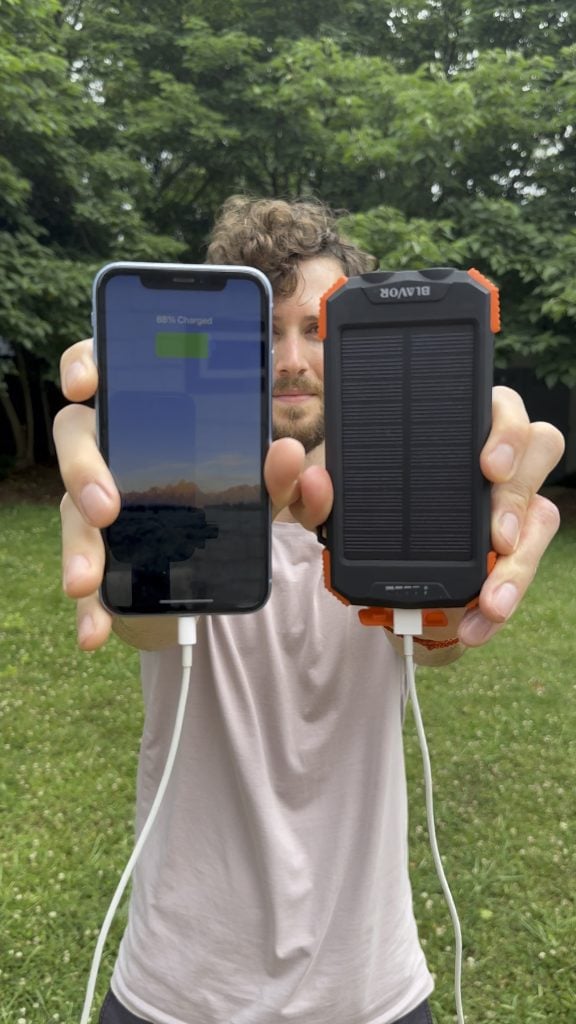
A solar power bank is a portable battery with a built-in solar panel. It works by using photovoltaic cells to convert sunlight into electrical energy, which is stored in an internal lithium battery and later used to charge phones, tablets, lights, and other USB devices.
Think of it like a tiny power plant you can carry in your backpack. The sun hits the panel, electrons get moving, a charge controller keeps things safe, and the battery holds onto that energy until you need it. When you plug in your phone, the stored power flows out through a USB port, just like a regular power bank, only the source of that energy started as sunlight.
In my own testing, I've found that the process has four main stages: sunlight absorption, energy conversion, energy storage, and energy output. Let's break each one down so it all makes sense.
The Core Components Inside a Solar Power Bank
To really understand how a solar power bank works, you have to know the parts doing the heavy lifting. Each piece plays a specific role, and skipping any one of them would make the whole system fall apart.
Solar Panel (Photovoltaic Cells)
The solar panel is the face of the operation. It contains photovoltaic cells, usually made of silicon, that turn sunlight into direct current electricity through the photovoltaic effect. When photons from sunlight strike the cells, they knock electrons loose, creating a flow of electrical current.
Most portable solar panels use monocrystalline or polycrystalline cells. Monocrystalline is more efficient and lasts longer, while polycrystalline is cheaper but slightly less effective. In real life, I've noticed that even a small 5-watt panel can produce enough trickle charge to keep a battery topped off on a sunny day, though it won't fully charge a large power bank from zero in a reasonable time.
Charge Controller
The charge controller is the brain of the system. It regulates the voltage and current coming from the solar panel before it reaches the battery. Without it, the battery could overcharge, overheat, or get damaged by unstable power input.
Modern solar power banks often use a built-in controller called a Maximum Power Point Tracking (MPPT) system or a simpler PWM (Pulse Width Modulation) controller. MPPT squeezes more energy out of the panel by constantly adjusting the input, which is especially helpful in low-light or changing conditions.
Battery (Energy Storage)
The battery is where the converted solar energy lives until you need it. Most solar power banks use lithium-ion or lithium-polymer cells because they're lightweight, hold a lot of energy, and can be recharged hundreds of times.
The battery capacity is measured in milliamp hours (mAh) or watt hours (Wh). A 20,000 mAh power bank, for example, can charge a typical smartphone about four to six times. From my experience, a higher capacity battery is a lifesaver on long trips, but it also makes the unit heavier.
USB Output Ports and Power Management
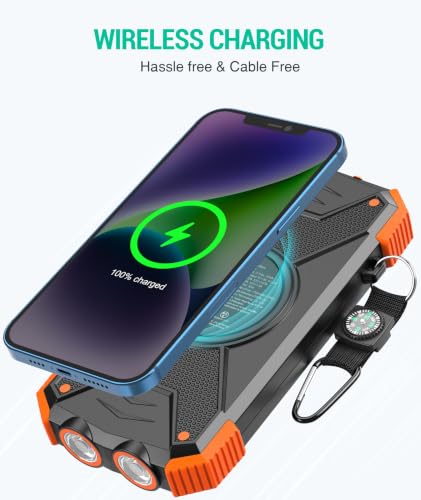
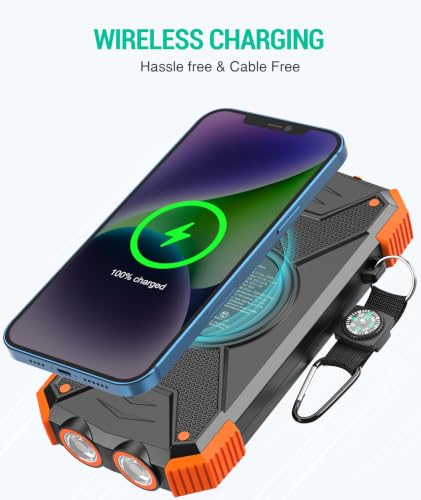
The USB ports are how the stored energy gets out to your devices. A good solar power bank includes multiple ports, often a standard USB-A and a USB-C with Power Delivery (PD) for fast charging.
Some models also include Quick Charge support, which can charge compatible phones from zero to fifty percent in about thirty minutes. Inside, a power management chip handles output voltage, prevents short circuits, and balances the load across ports.
Indicator Lights and Micro-USB Input
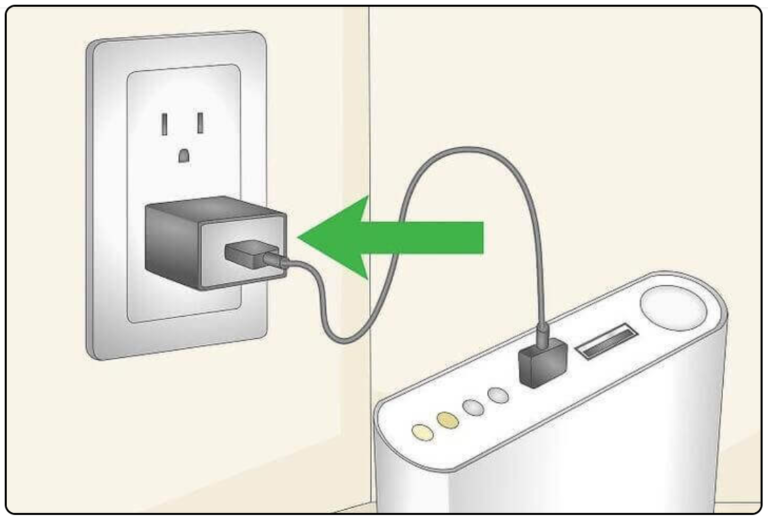
Indicator lights show battery level and charging status, while a micro-USB or USB-C input allows you to charge the power bank from a wall outlet. This dual charging option is important because solar charging alone is slow, and most people top up their bank from the wall before leaving home.
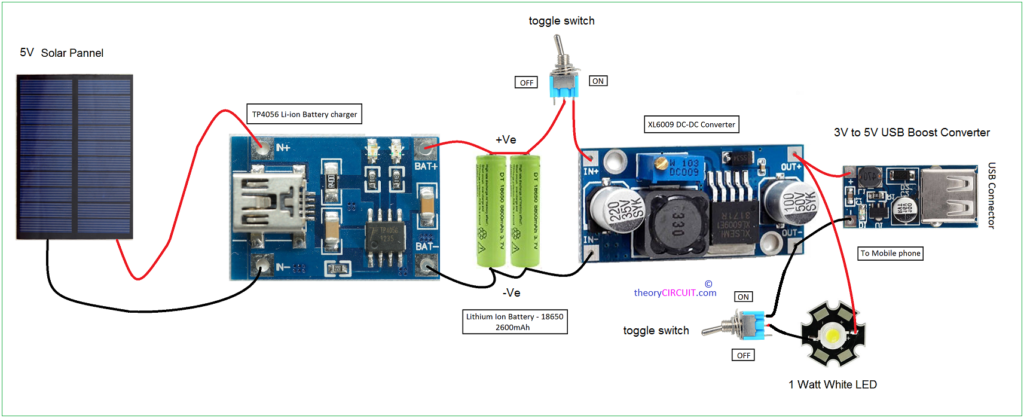
Step-by-Step Process: How Solar Energy Becomes Phone Power
Now that you know the parts, let's follow the energy from the sun to your screen. The whole process is a quiet chain reaction that happens every time you leave your power bank in the sun.
Step 1: Sunlight Hits the Solar Panel
The journey starts when sunlight reaches the photovoltaic cells on the panel's surface. Each cell is made of two layers of silicon, one positively charged and one negatively charged, creating an electric field at the junction.
When sunlight photons strike the silicon, they transfer their energy to electrons, knocking them free. The electric field then pushes these free electrons in one direction, creating a flow of direct current electricity.
Step 2: The Charge Controller Regulates the Power
The raw electricity from the panel is uneven and can spike depending on cloud cover, shade, or the angle of the sun. The charge controller smooths this out, protecting the battery from damage.
It also prevents reverse current flow at night, which is when electricity can leak back into the panel. A good controller keeps the battery happy, which in turn keeps the power bank alive for years.
Step 3: Energy Is Stored in the Battery
Once regulated, the electricity flows into the lithium battery, where chemical reactions store it as potential energy. This is the same basic chemistry that powers your phone, laptop, and electric car.
The battery's capacity determines how much energy can be stored. Larger capacity means longer phone usage off the grid, but also longer solar charging times when relying on sunlight alone.
Step 4: Power Is Delivered Through the USB Port
When you plug in your phone, the battery releases stored energy as direct current. Most modern power banks also convert this to standard USB voltage (5 volts) or higher for fast charging.
The power management chip ensures your device gets the right amount of current. Some banks can even detect whether you plugged in a phone, a tablet, or a small flashlight and adjust output automatically.
Step 5: The Cycle Repeats
Once drained, the power bank can be recharged by sunlight again or by a wall outlet. Most users, myself included, charge by wall when possible and use solar as a backup to top up during the day.
This hybrid approach is what makes solar power banks so practical. You get the convenience of regular charging and the freedom of solar top-ups when you're off the grid.
Why Solar Power Banks Charge Slowly From Sunlight
If you've ever left a solar power bank in the sun for hours and barely seen the battery percentage move, you're not imagining things. Solar charging is slow for a few important reasons.
Most portable solar panels are small, usually between 1 and 5 watts, to keep the bank pocket-friendly. A 5-watt panel in perfect noon sun might produce around 300 to 400 mAh per hour, which is tiny compared to a 10,000 mAh wall charger pushing 2 amps.
Cloud cover, shade, and the angle of the sun all reduce output. Even a shadow from your hand can drop efficiency by half. This is why experts, including me, recommend treating solar as a supplement, not the main way to charge a large power bank.
Advantages of Using a Solar Power Bank
Solar power banks shine in specific situations, and knowing the benefits helps you decide if one fits your lifestyle.
- Off-grid charging in remote areas, perfect for camping, hiking, or emergency kits
- Eco-friendly energy that reduces reliance on grid power
- Dual charging options for wall input and solar top-ups
- Portability and rugged design, often built with water resistance and shock protection
- Emergency backup during power outages or natural disasters
In my experience, a solar power bank has been a quiet hero during long road trips, unexpected blackouts, and beach weekends where outlets are scarce. It's not a magic device, but it gives you a real edge when the grid is out of reach.
Limitations You Should Know About
Transparency matters, and solar power banks have real drawbacks that buyers should understand.
- Slow solar charging speeds compared to wall outlets
- Limited panel size that restricts energy capture
- Weather dependency that makes solar unreliable in cloudy or rainy regions
- Battery degradation over time, especially if stored in hot cars or direct sun
- Lower output for laptops and high-power devices unless the bank supports high-watt USB-C PD
A good rule of thumb is to never leave a solar power bank baking in a hot car. Heat damages lithium batteries and shortens their lifespan. I learned this the hard way with an early model that puffed up after a summer of beach trips.
Tips to Get the Most Out of Your Solar Power Bank
After years of using these devices in real conditions, I've picked up a few habits that make a real difference.
- Pre-charge from the wall before any trip, and use solar for top-ups only
- Angle the panel directly at the sun and avoid even partial shade
- Clean the panel surface often, as dust cuts output significantly
- Avoid high temperatures, and store the bank in a cool, dry place
- Turn off the bank when not in use to prevent slow battery drain
- Choose a model with at least a 10,000 mAh capacity for weekend trips
Small habits like these can double the usable power you get from the sun and extend the life of your device by years.
Who Should Buy a Solar Power Bank
Not everyone needs one, but for certain people, a solar power bank is a game-changer.
- Campers, hikers, and backpackers who spend days off the grid
- Travelers in regions with unreliable power
- Emergency preppers building a blackout-ready kit
- Photographers and drone pilots in remote locations
- Festival-goers and beach lovers without easy access to outlets
If you spend most of your time near an outlet, a regular power bank will serve you better. But if your weekends look like mine, full of trails, campfires, and dead phone batteries, a solar power bank earns its place in your bag.
Frequently Asked Questions
Do solar power banks actually work in real life?
Yes, solar power banks work, but they're best for slow top-ups rather than full charges. In real-world testing, a 5-watt panel in good sunlight adds about 10 to 20 percent battery per day, which is enough to keep a phone alive on a weekend trip.
Can a solar power bank charge a laptop?
Most solar power banks can't charge a laptop unless they have a high-watt USB-C Power Delivery port rated at 45 watts or higher. Always check the output specifications before assuming it can power larger devices.
How long does it take to fully charge a solar power bank by sun?
It depends on panel size and sunlight, but a 20,000 mAh bank with a 5-watt panel can take 40 to 60 hours of direct sun to fully charge. This is why wall charging is the practical option for full refills.
Is it safe to leave a solar power bank in the sun all day?
It's safe for short periods, but extended exposure to high heat can damage the lithium battery and shorten its lifespan. Avoid leaving it in direct sun inside a hot car or on dark surfaces that absorb heat.
What's the difference between a solar power bank and a regular power bank?
A regular power bank only charges from a wall outlet, while a solar power bank adds a built-in solar panel for off-grid top-ups. Both use the same lithium battery technology, but solar models offer an extra charging method at the cost of slower solar speeds.
Final Thoughts
Learning how a solar power bank works is less about technical mystery and more about understanding a simple chain of energy conversion. Sunlight becomes electricity, electricity becomes stored chemical energy, and stored energy becomes a charged phone, all inside a device that fits in your hand.
A solar power bank won't replace a wall outlet, and it isn't a high-speed charger. But for the right person, someone who spends time off the grid or wants a reliable backup during emergencies, it's a practical tool that delivers real peace of mind.
If you're ready to add one to your kit, start with a trusted model, build the habit of pre-charging by wall, and treat the solar panel as your backup top-up system. That's the sweet spot where solar power banks truly shine.
Have a question or a personal experience with solar power banks? Drop a comment below and share your story. Your tip might help another reader find their perfect off-grid setup.