How To Use Solar Power Bank: Complete 2026 Guide
Using a solar power bank is simple: place it in direct sunlight to charge its internal battery, then connect your phone or device with a USB cable to draw power on the go.
If you've ever been mid-hike, miles from an outlet, watching your phone dip into the red, you already know why a solar power bank is worth owning. I've used mine on camping trips, during power outages, and even on long beach days where a wall plug is just not an option. They feel almost magical, like a tiny power plant in your backpack. But they only work well if you know how to use them properly. Let me walk you through everything, from setup to long-term care, so you get the most out of yours.
What Is a Solar Power Bank and How Does It Work
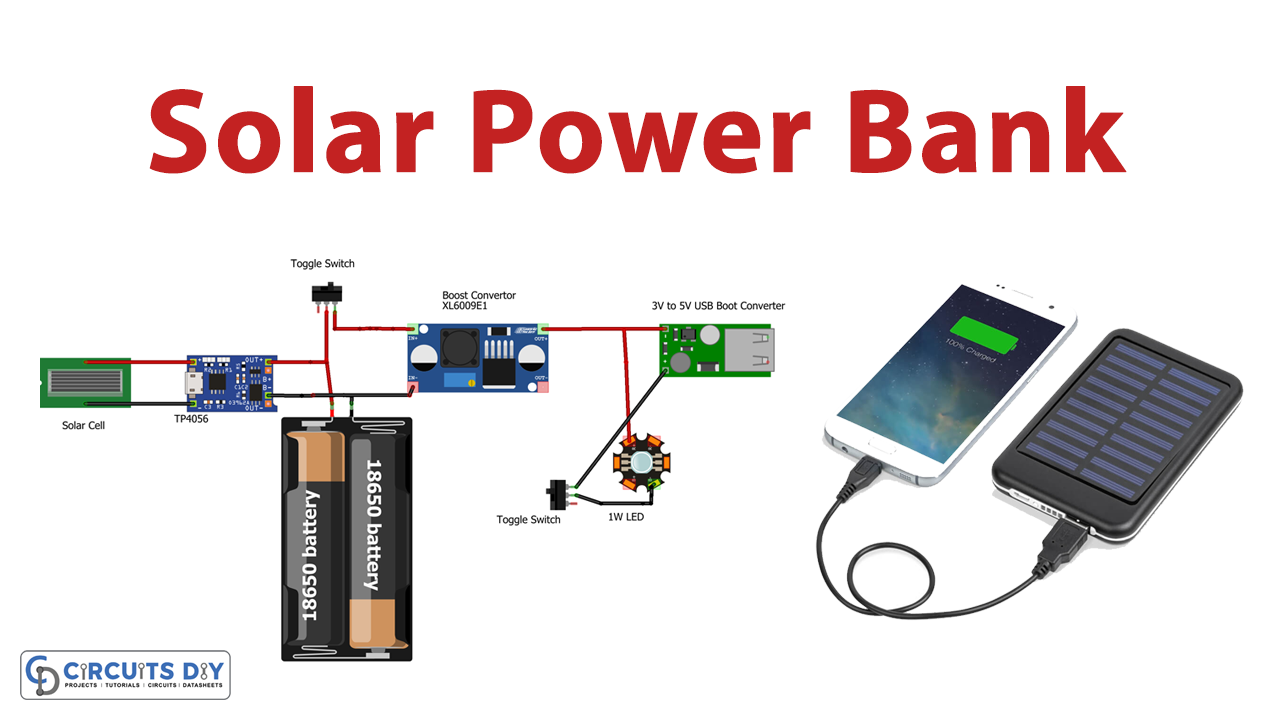
A solar power bank is a portable battery with built-in solar panels. The panels convert sunlight into electrical energy, which charges the internal battery. You can then use that stored energy to charge phones, tablets, flashlights, or small electronics through USB ports.
Think of it like a regular power bank, but with the bonus of being able to recharge itself using the sun. That said, solar charging is usually slower than wall charging. Most of the time, people charge their solar power bank at home through a wall outlet or USB port, and use the solar feature as a backup or top-up when outdoors.
How to Use a Solar Power Bank Step by Step
Using a solar power bank is not complicated, but doing it right makes a big difference in performance and battery life. Here is the process I follow every time.
Step 1: Charge the Power Bank Fully Before Your Trip
Before you head outside, plug the solar power bank into a wall outlet or computer using the included USB cable. Let it charge fully. This usually takes 4 to 8 hours depending on the model and capacity.
I made the mistake once of relying only on solar charging before a camping trip. Big lesson learned. The bank arrived half full, and cloudy skies made things worse. Now, I always top it off at home first.
Step 2: Place It in Direct Sunlight for Solar Charging
Once outdoors, set the power bank flat with the solar panel facing the sun. Angle it so the light hits the panel as directly as possible. Avoid shade, windows, or partial coverage. Even a small shadow on the panel can drop charging efficiency by a lot.
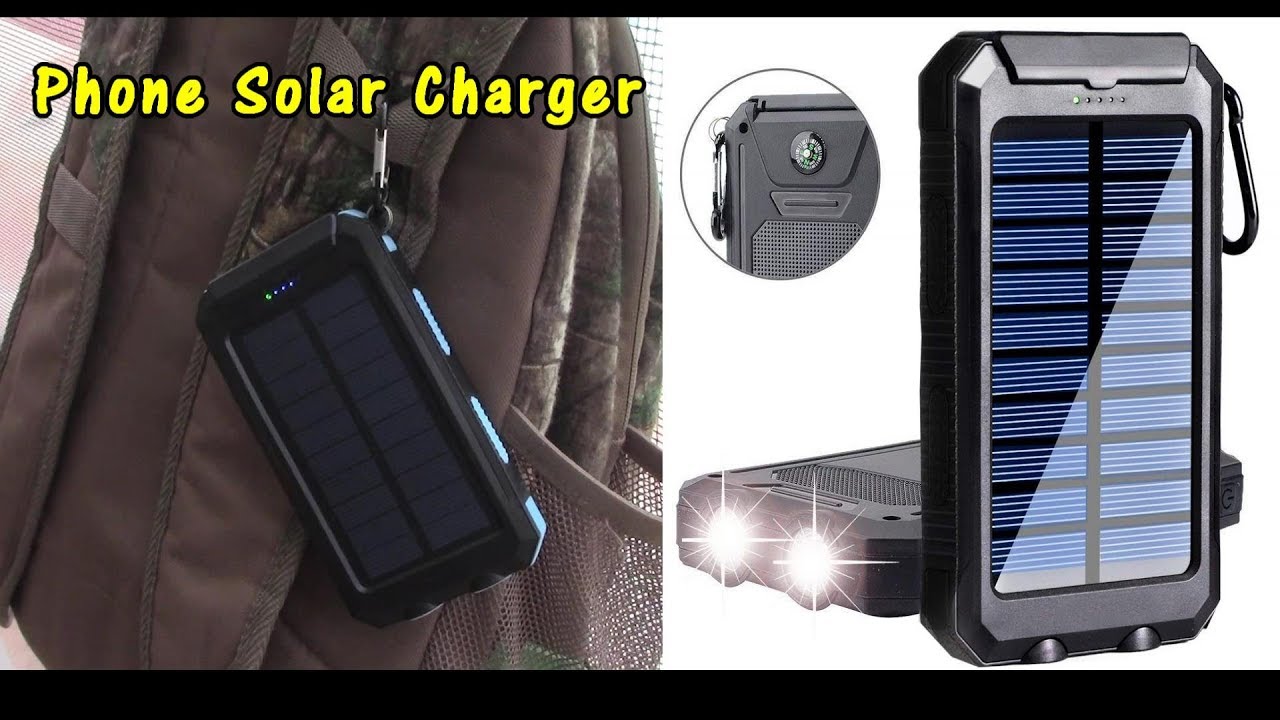
The best times for solar charging are between 10 AM and 4 PM when the sun is strongest. If you are hiking, you can clip the bank to the outside of your backpack so it charges while you walk.
Step 3: Connect Your Device Using the Right Cable
Use a good quality USB cable to connect your phone, flashlight, or other device to the power bank's output port. Most solar banks have one or more USB-A or USB-C ports. Make sure the cable matches your device.
Press the power button on the bank if it has one. Some models turn on automatically when you plug in a device.
Step 4: Monitor the Charging Status
Check the LED indicators on the power bank. These small lights usually show how much battery is left and whether the device is charging. If the lights blink or turn red, that often means low battery or weak solar input.
I usually keep an eye on the indicator during long charges. It helps me know when to move the bank into the sun or pull it back into the shade to protect it from overheating.
Step 5: Store It Properly When Not in Use
When you are done, turn off the power bank and store it in a cool, dry place. Avoid leaving it in a hot car or in direct sun for long periods when not charging. Heat can damage the battery over time.

Tips to Get the Most Out of Your Solar Power Bank
After years of using these devices, I have picked up a few habits that really help.
- Charge through a wall first, then top up with sun.
- Keep the solar panel clean and free of dust.
- Use the bank in full sun, not behind glass.
- Carry a short, high-quality USB cable.
- Avoid draining the bank to zero before recharging.
- Turn off the bank when not in use to save power.
- Do not leave it in extreme heat or cold.
These small habits add up and can double the useful life of your power bank.
Common Mistakes to Avoid with Solar Power Banks
I have made a few of these myself, so trust me when I say they are easy to do.
- Assuming solar alone is enough. Most banks need wall charging for full capacity.
- Leaving the bank in a hot car. Heat kills lithium batteries fast.
- Using a damaged cable. A bad cable slows charging and can harm the port.
- Expecting fast solar charging. The sun is slower than a wall outlet.
- Ignoring the weather. Cloudy days give weak results, so plan ahead.
- Not checking the battery level. Running it flat often shortens battery life.
Avoiding these mistakes will keep your power bank healthy for years.
How Long Does It Take to Solar Charge a Power Bank
The answer depends on the size of the bank, the strength of the sun, and the panel quality. On average, a 10,000 mAh solar power bank can take 20 to 40 hours of direct sunlight to fully charge. That is why most people use solar as a backup, not the main method.
Wall charging the same bank usually takes 4 to 6 hours. So the sun is great for topping up, not for full charges unless you have days of steady sun.
Best Situations to Use a Solar Power Bank
Solar power banks shine in specific situations where regular chargers cannot help. Here are the times I find them most useful.
- Camping and hiking trips.
- Emergency kits for power outages.
- Beach days or pool days.
- Long flights or layovers.
- Road trips and RV travel.
- Outdoor festivals or events.
- Boating or fishing trips.
In each of these cases, the sun becomes a free, endless power source, which is hard to beat.
How to Maintain Your Solar Power Bank for Long Life
A little care goes a long way. Treat your power bank well and it will last for years.
- Charge it at least once every 2 to 3 months even if unused.
- Keep the solar panel clean with a soft, dry cloth.
- Avoid dropping it or exposing it to water unless it is rated waterproof.
- Store it at room temperature when possible.
- Do not overcharge it. Unplug once it hits 100 percent.
- Use the right wattage for your devices. Some banks support fast charging, but only with compatible cables.
These habits keep the battery cells healthy and the panel working at full power.
Solar Power Bank vs Regular Power Bank
Both have their place, but they are not the same. Here is a quick comparison.
- Charging speed. Regular banks charge much faster from a wall.
- Convenience. Solar banks offer freedom from outlets.
- Weight. Solar banks are usually a bit heavier due to the panel.
- Cost. Solar banks often cost more for the same capacity.
- Use case. Regular banks are best for daily use. Solar banks are best for travel and emergencies.
I keep both. A regular power bank lives in my bag for daily top-ups. The solar bank comes out for trips and backup.

Safety Tips When Using a Solar Power Bank
Safety matters, especially with batteries and heat.
- Do not leave the bank in direct sun for hours when not charging. It can overheat.
- Stop using it if the bank swells, smells strange, or gets too hot.
- Keep it away from flammable surfaces when solar charging.
- Do not expose it to water unless it is rated for it.
- Use only the cables that came with the bank or trusted brands.
These tips protect both you and the device.
Frequently Asked Questions
Can a solar power bank charge a laptop
Most solar power banks can only charge small electronics like phones, tablets, and lights. To charge a laptop, you need a high-capacity power bank with a USB-C PD port and at least 30W output. Some heavy-duty solar banks can do this, but they are larger and more expensive.
How many times can a solar power bank charge a phone
It depends on the capacity. A 10,000 mAh bank can usually charge a smartphone 2 to 3 times. A 20,000 mAh bank can charge it 4 to 6 times. Real-world results vary based on phone battery size and cable quality.
Is solar charging bad for the battery
Solar charging does not harm the battery by itself, but heat from the sun can. Always keep the bank in a well-ventilated spot and avoid extreme heat. Charging slowly under the sun is actually gentler on the battery than fast wall charging.
Can solar power banks work on cloudy days
Yes, but charging is much slower. Cloud cover blocks a lot of the sun's energy, so expect 25 to 50 percent of normal charging speed. On overcast days, it is better to rely on a wall charge or save the solar power for when skies clear.
Are solar power banks worth it
For outdoor lovers, travelers, and emergency preppers, they are absolutely worth it. They give you freedom from outlets and peace of mind during blackouts. For everyday city use, a regular power bank is usually more practical and faster.
Final Thoughts
Learning how to use a solar power bank the right way turns it from a gimmick into a real lifesaver. Charge it fully before you go, place it in direct sun, use good cables, and take care of the battery. Do that, and it will keep your devices powered through hikes, storms, and long days off the grid.
If you found this guide helpful, drop a comment with your favorite solar power bank model or your own tips. And if you want more guides on portable power, off-grid gear, or travel tech, stick around. There is plenty more to explore.