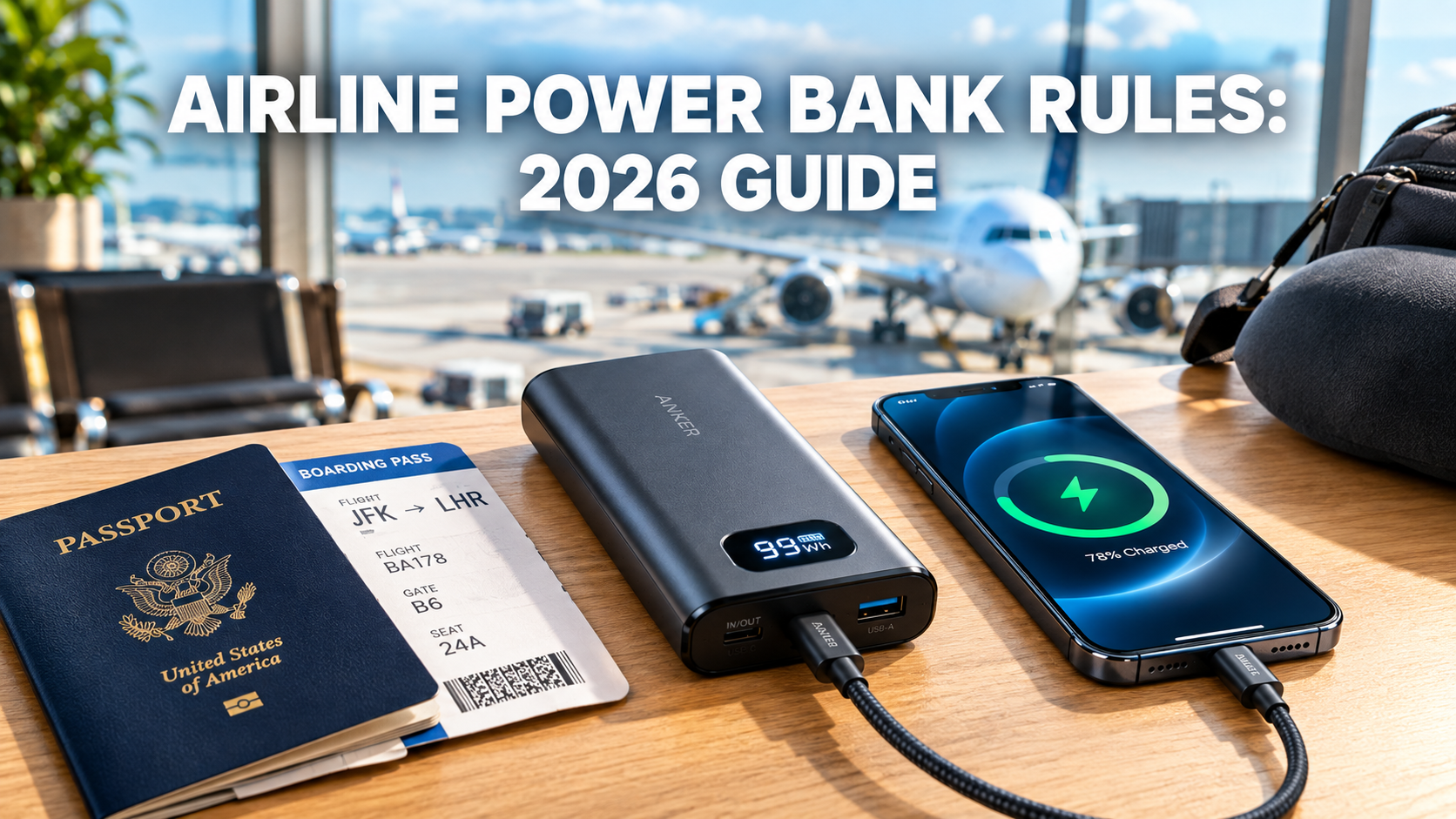
What Size Power Bank Is Allowed On A Plane: 2026 Guide
Airlines allow power banks under 100Wh (about 27,000mAh) in carry-on bags, and anything above that must be approved by the airline before flying. Knowing the exact rules around power bank size can save you from losing your charger at the security gate or worse, having your flight delayed. I've flown dozens of times with power banks, learned the hard way, and now I'm breaking it all down so you can pack smart and stress-free.
Understanding Power Bank Size Limits for Flights
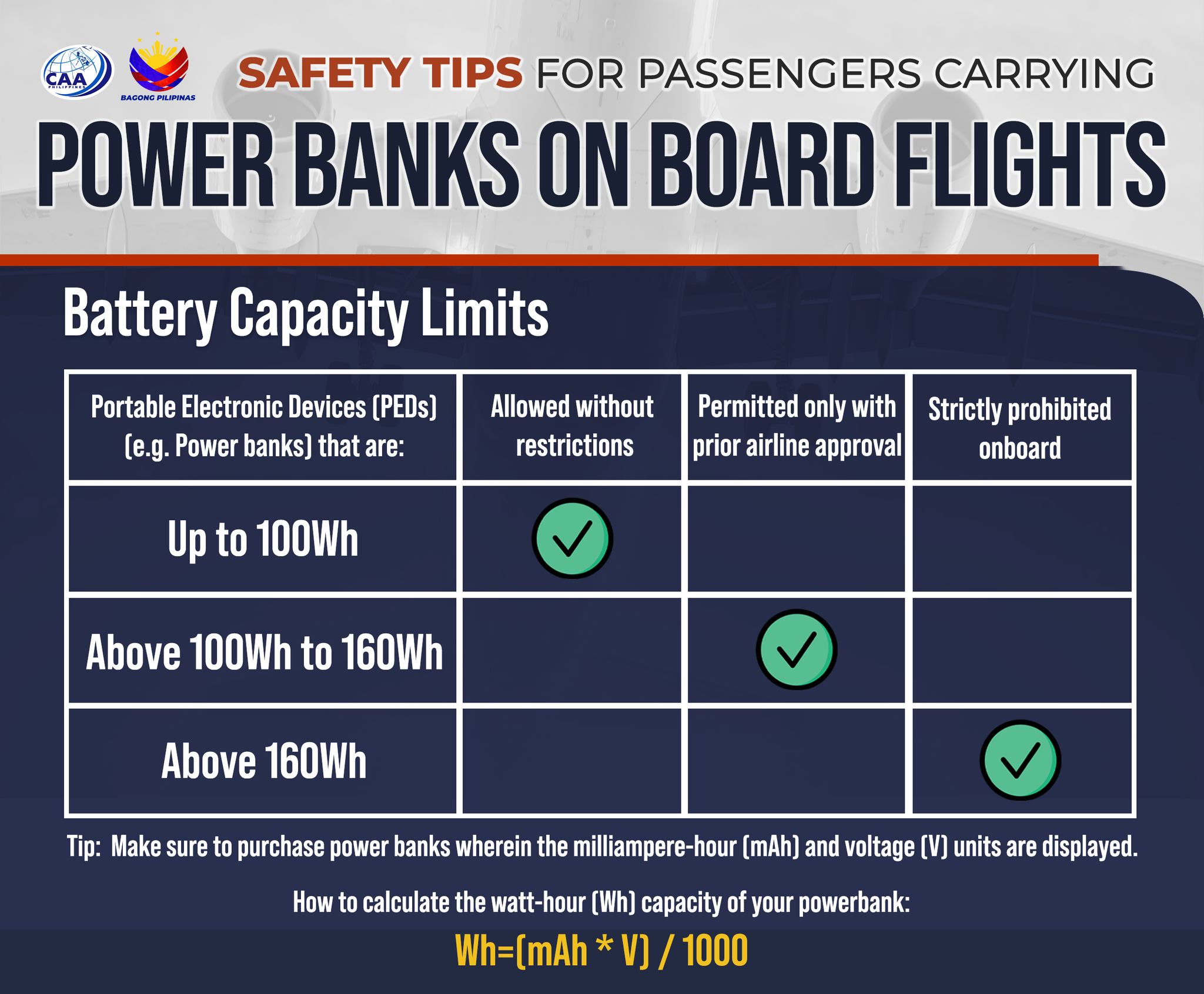
Airlines don't just care about the physical size of your power bank. What truly matters is the watt-hour (Wh) rating or the milliampere-hour (mAh) at a specific voltage. Most international airlines, including those following International Civil Aviation Organization (ICAO) and IATA guidelines, have a clear rule: power banks under 100Wh are allowed in carry-on luggage without airline approval.
Power banks between 100Wh and 160Wh require airline approval before you board. Anything above 160Wh is strictly prohibited on passenger aircraft. These limits exist because lithium-ion batteries can overheat, catch fire, or even explode under pressure changes or physical damage, and since power banks are considered "spare batteries," they must always go in your carry-on bag, never in checked luggage.
Quick Reference for Power Bank Limits
- Under 100Wh: Allowed in carry-on, no approval needed (covers most everyday power banks)
- 100Wh to 160Wh: Allowed only with airline approval before travel
- Over 160Wh: Banned from all passenger flights
- Voltage standard: Most airlines calculate Wh using 3.7V as the base voltage for lithium-ion cells

How to Calculate Your Power Bank's Watt-Hour Rating
Figuring out your power bank's Wh rating is easier than you think. You don't need to be an engineer or read complicated specs. Most power banks have their capacity listed in mAh on the casing or the box, and a simple formula does the trick.
The formula is:
Wh = (mAh × Voltage) ÷ 1000
For example, if your power bank is 20,000mAh and uses the standard 3.7V lithium cell, the math looks like this: (20,000 × 3.7) ÷ 1000 = 74Wh. That power bank is perfectly safe to carry on any flight without extra steps.
Common Power Bank Capacities and Their Wh Ratings
- 5,000mAh = roughly 18.5Wh (pocket size, no issues)
- 10,000mAh = roughly 37Wh (great for daily use, allowed)
- 20,000mAh = roughly 74Wh (very common, allowed on all flights)
- 27,000mAh = roughly 99.9Wh (just under the limit, allowed)
- 30,000mAh = roughly 111Wh (requires airline approval)
- 50,000mAh = roughly 185Wh (not allowed on planes)
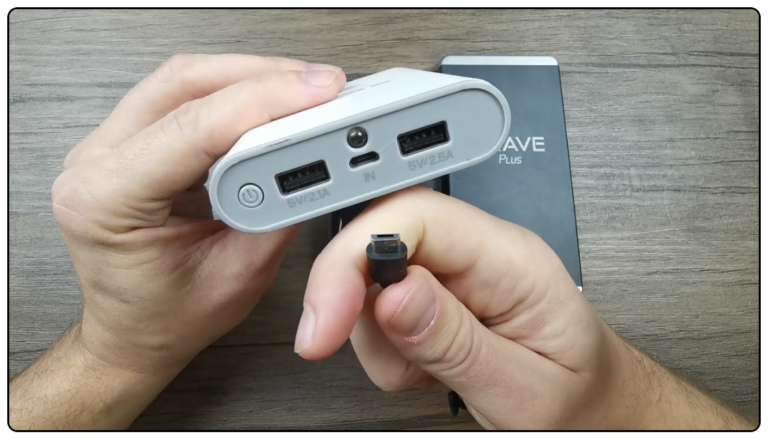
If your power bank has the Wh rating printed directly on it, even better. You can skip the math and just read the label.

Airline-Specific Rules You Should Know
While the 100Wh rule is the global standard, some airlines have their own quirks and stricter rules. I learned this the hard way on a trip from Tokyo to Seoul when my 30,000mAh power bank got flagged at the gate. The airline required pre-approval that I didn't have, and I had to leave it behind.
Here's a quick look at how major carriers handle power banks:
- American Airlines: Allows up to 100Wh in carry-on, 100-160Wh with approval, bans over 160Wh
- Delta: Same 100Wh rule, with strict limits on quantity (usually two per passenger)
- United Airlines: Allows under 100Wh freely, requires approval for 100-160Wh range
- Emirates: Follows IATA standards, 100Wh limit, requires approval for larger units
- Lufthansa: Strict enforcement, all spare batteries in carry-on only
- Ryanair and EasyJet: Limit to 100Wh, may limit quantity to one or two power banks
- Asian carriers (ANA, JAL, Singapore Airlines): Generally follow the 100Wh rule but may have quantity limits
Before you fly, always check your specific airline's website or call their support line. Rules can change, and you don't want to find out at the airport.
Why Power Banks Must Stay in Your Carry-On
You might wonder why power banks can't just go in your checked bag with everything else. The answer comes down to safety. In the cargo hold, there's no one to react if a battery overheats or catches fire. Fires in the cabin can be spotted and handled quickly, but fires in the hold can go unnoticed until it's too late.
Lithium-ion batteries are the heart of every power bank, and while they're generally safe, they can experience thermal runaway. This is a chain reaction where the battery overheats, catches fire, and becomes nearly impossible to stop. Pressure changes in the cargo hold, rough baggage handling, and the lack of fire suppression systems make checked luggage a terrible place for spare batteries.
This is why aviation authorities worldwide, from the FAA to EASA to CAAC, all have the same rule: power banks go in the cabin, not the hold.

Practical Tips for Flying With a Power Bank
After years of flying with every size power bank you can imagine, I've picked up a few tricks that make the whole process smoother. These small steps can save you time, stress, and maybe even your favorite charger.
- Always keep your power bank in your carry-on bag, never in checked luggage
- Bring the original packaging or a clear label showing the Wh rating
- Tape over the charging port to prevent accidental activation
- Don't pack damaged, swollen, or recalled power banks
- Charge your power bank before the flight if possible, since some airlines ask about charge level
- Keep power banks loose and visible during security screening
- Carry only what you need, since some airlines limit the number of power banks per passenger
- Avoid storing power banks in hot places like car trunks before heading to the airport
What to Do If Your Power Bank Is Too Large
If your power bank is over 100Wh and you didn't get airline approval, you have a few options. You can leave it at home, ship it to your destination, or buy a smaller one at your arrival airport. Some travelers even rent power banks at their destination, which has become a popular trend in major cities like London, Tokyo, and New York.
Frequently Asked Questions
Can I bring a 20,000mAh power bank on a plane?
Yes, a 20,000mAh power bank is allowed on all flights because it equals about 74Wh, which is under the 100Wh limit. You can carry it in your carry-on bag without any special approval from the airline.
Are 30,000mAh power banks allowed on planes?
A 30,000mAh power bank is roughly 111Wh, which is above the 100Wh limit. You can still bring it, but only with prior airline approval. Without that approval, security will likely confiscate it at the checkpoint.
Can I pack a power bank in my checked luggage?
No, power banks are not allowed in checked luggage under any circumstances. They must always be in your carry-on bag due to the fire risk associated with lithium-ion batteries in the cargo hold.
How many power banks can I bring on a flight?
Most airlines allow two to four power banks per passenger, as long as each one is under 100Wh. Some budget carriers may limit you to one, so it's best to check your airline's specific policy before you pack.
What happens if my power bank doesn't have a Wh rating listed?
If your power bank only lists mAh, security staff may use the formula (mAh × 3.7) ÷ 1000 to estimate the Wh rating. If it comes out under 100Wh, you're good to go. If it comes out higher, you may need airline approval or risk having it confiscated.

Conclusion
Flying with a power bank doesn't have to be stressful once you know the rules. Stick to power banks under 100Wh for worry-free travel, keep them in your carry-on, and always check your airline's specific policy before you fly. A little prep goes a long way, and it could save you from losing your charger or missing your flight.
If you found this guide helpful, share it with a fellow traveler or drop a comment below with your own power bank travel tips. Safe travels and happy charging.