What Is a Ear Bud 2026
Hey there! Ever find yourself wondering about those little things people jam into their ears? You know, the ones that let you listen to music, podcasts, or take calls without a whole big contraption on your head? Yeah, those are earbuds, and honestly, they've become a pretty huge part of how we consume audio these days.
Think of them as the super-compact, super-convenient cousins to traditional headphones. Instead of covering your whole ear or resting on top, earbuds are designed to fit snugly inside your ear canal. This design is their biggest superpower, really. It makes them incredibly portable and, for a lot of people, way more comfortable for long listening sessions.
Per aggregate user reviews, the common desire for portability is a key driver for earbud adoption.
Earbuds: The Miniature Audio Powerhouses
Earbuds are essentially miniature loudspeakers engineered to sit directly within your ear canal. Their compact form factor is what sets them apart, making them ideal for on-the-go listening. Unlike larger headphones that might cover your ears entirely, earbuds offer a more discreet and often less intrusive audio experience.

Their design prioritizes small size and ease of use, fitting into pockets, small bags, or even just tucking away discreetly when not in use. This makes them a go-to for folks who are constantly on the move, whether commuting, traveling, or simply moving around their homes.
How Earbuds Work: The Inside Scoop
At their core, earbuds function by channeling sound directly into your ear canal. This is achieved through a combination of carefully designed internal components and a snug fit within the ear.
Drivers, Casing, and Sound Direction
Inside each tiny earbud is a driver, which is the actual component that produces sound. This miniature speaker converts electrical signals into acoustic vibrations. The casing that houses the driver is crucial; its shape and the angle of the nozzle are designed to direct the sound precisely into your ear canal for optimal listening. Different driver sizes and designs can influence the sound quality, from bass response to treble clarity.
Manufacturer specifications often detail driver size, typically measured in millimeters, influencing the overall audio fidelity.
The Role of Silicone Tips for Fit
Getting a good seal inside your ear canal is absolutely critical for both comfort and sound quality. That's where the silicone tips come in. Most earbuds come with several sets of these tips in different sizes, small, medium, and large.
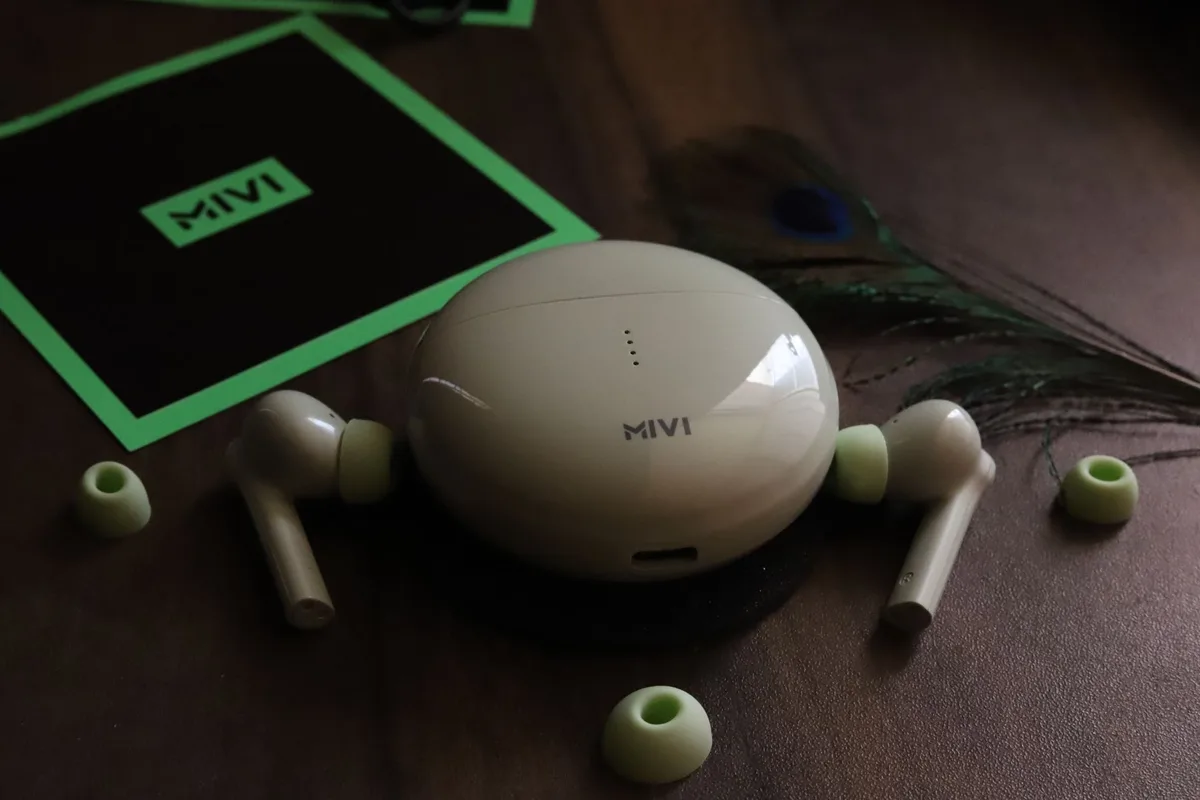
If the tips are too small, sound can leak out, and external noise will penetrate, diminishing the audio experience. If they're too large, they can feel uncomfortable or even painful. Finding the right size that creates a secure yet gentle seal is key to experiencing the intended bass response and noise isolation that earbuds can provide. This choice is so important it directly impacts how you hear the audio, as noted in user guides for achieving proper fit.
Wired vs. Wireless: Understanding the Connections
The way earbuds connect to your devices is a major differentiator, and it boils down to two main types: wired and wireless. Each has its own set of pros and cons that can influence your choice.

The Simplicity of Wired Earbuds
Wired earbuds are the classic setup. They have a physical cable that plugs directly into your device, usually via a 3.5mm headphone jack or a USB-C/Lightning connector. Their biggest advantage is their simplicity: no batteries to charge, no Bluetooth pairing to fuss with, and generally very reliable. They are also often more affordable than their wireless counterparts.
For anyone who dislikes dealing with charging or is on a tight budget, wired buds remain a solid choice.
The Freedom of True Wireless
True wireless earbuds have no wires connecting them to each other or to your device. They communicate with your phone, tablet, or laptop via Bluetooth. This offers ultimate freedom of movement, allowing you to walk around, exercise, or multitask without getting tangled. However, this convenience comes with the need to manage battery life.
Both earbuds and their charging case need periodic charging. Connecting wireless earbuds to a device often involves a pairing process, which can vary by brand but typically uses Bluetooth standards.
Key Features That Make Earbuds Tick
Beyond just sound reproduction, modern earbuds pack in a host of features designed to enhance usability and experience. These go far beyond simply listening to music; they integrate into our daily digital lives.
Built-in Microphones and Hands-Free Calls
A common feature on almost all earbuds today is a built-in microphone. This capability transforms them from simple audio playback devices into communication tools. You can use them to take phone calls without needing to pull your phone out of your pocket or bag. The microphone quality can vary significantly between models, affecting how clear your voice sounds to the person on the other end.
For many, this hands-free calling ability is as important as the audio quality for listening.
Charging Cases for Wireless Models
For true wireless earbuds, the charging case is an essential accessory. This compact case not only protects the earbuds when not in use but also contains a battery that recharges them. Most cases can provide multiple full charges for the earbuds, significantly extending their overall listening time away from a power outlet. The capacity of the charging case is usually measured in milliampere-hours (mAh) and dictates how many extra charges you can get.
For instance, a case with 500 mAh might provide around two to three full recharges for earbuds that have about 50-60 mAh each.
Why Choose Earbuds? The Core Benefits
Earbuds offer a unique blend of convenience and functionality that makes them incredibly popular. Their design principles translate directly into tangible advantages for the user.
Unbeatable Portability and Discretion
The most obvious benefit of earbuds is their sheer portability. Their small size means they can slip into practically any pocket, purse, or small compartment. This makes them incredibly easy to carry around wherever you go. Additionally, their discreet nature means you can listen to audio without drawing as much attention as someone wearing large over-ear headphones.
This makes them suitable for public spaces or situations where a lower profile is preferred.
Noise Isolation: Tuning Out the World
When earbuds are fitted correctly, they can create a surprisingly effective seal within the ear canal. This seal plays a vital role in noise isolation, passively blocking out a significant amount of ambient sound. This means you can often enjoy your audio at lower, safer volumes without being drowned out by environmental noise. This benefit is particularly appreciated on noisy commutes or in busy offices.
When Earbuds Might Not Be Your Best Bet
While earbuds offer many fantastic advantages, they aren't always the perfect audio solution for everyone or every situation. Understanding their limitations helps ensure you choose the right tool for the job.
Fit Challenges and Comfort Issues
Finding an earbud that fits perfectly can sometimes be a challenge. Everyone's ear shape is different, and what feels comfortable and secure for one person might be intrusive or fall out for another. If earbuds don't create a proper seal, it affects sound quality and their ability to stay in place. Prolonged wear can also lead to discomfort for some individuals, making them less ideal for very long listening sessions compared to other headphone types.
Sound Quality Compared to Headphones
While the sound technology inside earbuds has advanced dramatically, it's still difficult for such small components to replicate the rich, full soundstage and deep bass response that larger over-ear or on-ear headphones can achieve. The acoustic space within the ear canal is much more limited, impacting the overall sonic experience. For audiophiles prioritizing the absolute best in sound fidelity, larger headphone designs often have an edge.
Common Earbud Types and What They Offer
When looking at earbuds, you'll encounter a few distinct categories, each catering to slightly different needs and preferences. Understanding these can help you narrow down your choices.
True Wireless Earbuds
These are the earbuds that truly live up to the "wireless" name, with no physical connection between the two earpieces. They communicate with your device solely via Bluetooth. They typically come with a charging case that allows for multiple recharges on the go. Popular models are known for their independence and ease of use, though pairing a new device often requires following specific steps, like those outlined for how to pair earbuds.
Wireless Neckband Earbuds
Bridging the gap between wired and true wireless, these earbuds feature two earpieces connected by a flexible band that rests around the neck. This design offers the convenience of wireless audio without the risk of losing individual buds. The neckband often houses the battery and controls, potentially offering longer battery life than many true wireless options. Some users find this design more secure during physical activity.
Traditional Wired Earbuds
These are the original earbud design, featuring a cable that plugs into your device's audio port. They offer a straightforward, reliable connection without any need for charging the earbuds themselves, as they draw power from the connected device. Their main draw is their simplicity, affordability, and the absence of Bluetooth pairing or battery management. Many consider them for their consistent connection and ease of use, especially if they prefer not to deal with wireless technology.