How To Use A Solar Power Bank: Your Complete 2026 Guide
A solar power bank charges with sunlight and stores energy in its built-in battery, letting you charge phones, tablets, and small electronics on the go. It works like a regular power bank, but instead of relying only on a wall outlet, it draws power from the sun through small built-in solar panels.
If you love camping, hiking, traveling, or just want a backup charger for emergencies, learning how to use a solar power bank the right way can save you a lot of frustration. I've tested several models over the years, and trust me, a little know-how goes a long way. In this guide, I'll walk you through everything step by step, from unboxing to charging your devices in the wild.
What Is a Solar Power Bank and How Does It Work
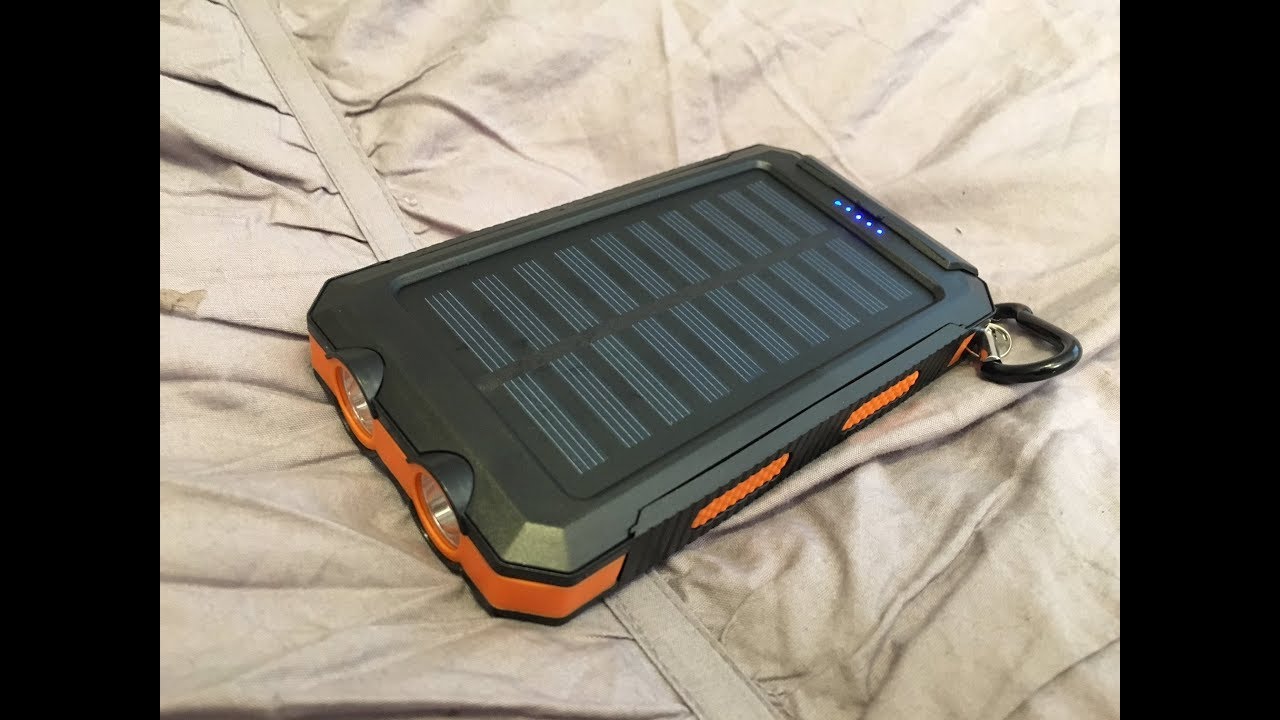
A solar power bank is a portable battery pack with a small solar panel attached. The solar panel converts sunlight into electrical energy, which is then stored in the internal lithium battery. You can later use that stored energy to charge your phone, earbuds, smartwatch, or even a small tablet.
Think of it like a tiny power plant you can carry in your backpack. The sun does the fueling, and the battery does the storing. Most solar power banks also have a regular USB input, so you can charge them from a wall outlet when sunlight isn't available.
The key thing to understand is that the solar panel is usually slow at charging the bank itself. So while it's great in a pinch, it's best used as a backup method rather than your primary charging source.
Choosing the Right Solar Power Bank for Your Needs
Before you learn how to use a solar power bank, it helps to pick the right one. Not all solar power banks are built the same, and the wrong choice can leave you disappointed.
Here are the main things to look for:
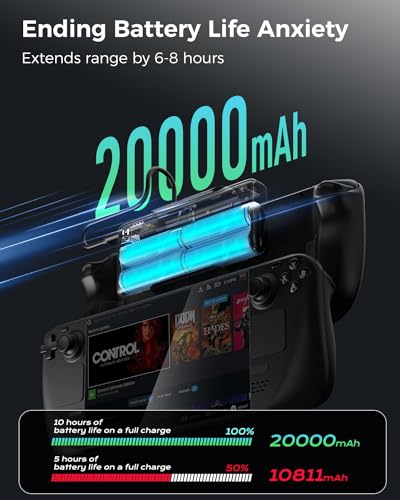
- Battery Capacity (mAh): This tells you how much energy the bank can hold. A 10,000 mAh bank can charge a phone two to three times. A 20,000 mAh model can do more, but it will also be heavier.
- Solar Panel Quality: Mono-crystalline panels are more efficient than poly-crystalline ones. They charge faster in direct sunlight.
- Ports: Look for USB-A, USB-C, or even wireless charging if your phone supports it.
- Durability: If you're hiking or camping, pick one with a rugged, water-resistant design.
- Built-in Features: Some have flashlights, compasses, or carabiner clips for easy carrying.
A good rule of thumb is to match the bank's capacity to your trip length. For a weekend camping trip, 10,000 to 20,000 mAh is usually enough for most people.

Unboxing and First-Time Setup
Once you get your solar power bank, don't just toss it in your bag and hope for the best. A little setup goes a long way.
Here's what to do right out of the box:
- Check the Battery Level: Most new power banks come with a partial charge. Turn it on and see how much juice is left using the LED indicators.
- Fully Charge It First: Before your first trip, charge it fully using a wall outlet. This conditions the battery and gives you a clean starting point.
- Read the Manual: Sounds boring, I know, but every model is a little different. The manual will tell you what each port does and how to use the flashlight or extra features.
- Test All Ports: Plug in a phone or cable to make sure everything works before you're out in the wild.
I learned this the hard way on a camping trip. I grabbed a power bank from my drawer, headed into the mountains, and only then realized the USB-C port was loose. Lesson learned, always test before you go.
How to Charge a Solar Power Bank with Sunlight
Now for the main event, charging your solar power bank with the sun. This is where most people get frustrated, but it doesn't have to be complicated.
Follow these steps for the best solar charging results:
- Place It in Direct Sunlight: The solar panel needs direct sun, not shade or indirect light. Lay it flat or clip it to your backpack.
- Angle It Toward the Sun: If possible, tilt the panel so it faces the sun directly. This boosts charging speed by quite a bit.
- Avoid Hot Surfaces: Don't place it on hot rocks or sand. Extreme heat can damage the battery over time.
- Be Patient: Solar charging is slow. A 10,000 mAh bank might take 20 to 40 hours of direct sun to fully charge. That's why it's a backup, not a primary method.
- Check the Indicator Lights: Most banks have LEDs that show charging status. Make sure they blink or light up to confirm the panel is working.
A personal tip from my own experience: if you're hiking, clip the solar panel to the outside of your backpack. It charges while you walk, and you get free energy without any extra effort.

How to Charge Your Devices Using a Solar Power Bank
Once your solar power bank has some juice stored up, using it to charge your phone or other gadgets is super easy. It works just like a regular power bank.
Here's how to do it:
- Turn On the Power Bank: Most models have a power button. Press it to activate the output ports.
- Connect Your Device: Use the right cable, usually USB-A to USB-C, USB-A to Lightning, or USB-C to USB-C, depending on your phone.
- Check the Charging Indicator: Your phone should show it's charging. The power bank's LED lights may also indicate output activity.
- Use Pass-Through Charging Cautiously: Some banks let you charge the bank and your device at the same time, but this can shorten the battery's lifespan. Use it sparingly.
- Unplug When Done: Don't leave your phone plugged in longer than needed. It wastes energy and can overheat the device.
I always keep a short, high-quality charging cable in my bag. Long cables waste power, and cheap cables break easily. A solid 1-foot USB-C cable is my go-to travel companion.
Tips to Maximize the Performance of Your Solar Power Bank
Want to get the most out of your solar power bank? These tips will help you stretch every bit of stored energy and keep your bank in great shape for years.
- Use the Wall Outlet When Possible: Solar charging is slow. Charge from a wall when you can, and save solar for emergencies or outdoor trips.
- Keep the Solar Panel Clean: Dust, dirt, and grime block sunlight. Wipe the panel with a soft cloth regularly.
- Store It Properly: Keep the bank in a cool, dry place when not in use. Heat and moisture are the enemies of lithium batteries.
- Don't Drain It Completely: Try to recharge the bank before it hits 0%. Deep discharges wear out the battery faster.
- Use It in Good Weather: Solar charging works best on clear, sunny days. Cloudy skies will still charge it, but much more slowly.
- Avoid Cheap Knockoffs: A poorly made solar power bank can overheat, swell, or even catch fire. Stick with trusted brands.
A little care goes a long way. I have a power bank I've been using for over four years now, and it still holds a strong charge, because I follow these simple habits.
Common Mistakes to Avoid When Using a Solar Power Bank
Even experienced users make mistakes with solar power banks. Here are the most common ones and how you can avoid them.
- Relying Only on Solar Charging: The solar panel is a backup, not the main charger. Wall charging is always faster and more efficient.
- Leaving It in a Hot Car: Heat builds up inside a parked car and can damage the battery. Take it with you when you leave the vehicle.
- Ignoring the Weather: Solar panels don't work well in the rain or at night. Plan ahead.
- Overloading the Ports: Don't plug in too many devices at once unless the bank supports it. It can overheat or shut down.
- Using the Wrong Cable: Some cables only support charging, not data. Make sure you're using a proper charging cable.
I've made the mistake of leaving a power bank on a car dashboard in the summer. The battery swelled slightly and never held a full charge again. Now, I always keep it in the shade.
Safety Tips for Using a Solar Power Bank
Safety should always come first, especially when dealing with batteries and electronics. Solar power banks are generally safe, but here are a few things to keep in mind.
- Don't Expose It to Fire or Water: Most banks aren't fully waterproof. Treat them like any other electronic device.
- Avoid Puncturing or Dropping: A damaged battery can be dangerous. Handle it with care.
- Don't Charge a Swollen Battery: If the bank looks puffy or smells strange, stop using it right away and dispose of it properly.
- Use the Right Charger: Stick with the original cable or a high-quality replacement. Cheap cables can cause short circuits.
- Keep It Away from Kids and Pets: Small parts and batteries can be a choking hazard or toxic if swallowed.
A good habit is to inspect your power bank before every trip. A quick once-over takes 30 seconds and can save you from a lot of trouble later.

Frequently Asked Questions About How to Use a Solar Power Bank
How long does it take to charge a solar power bank in the sun?
It depends on the battery size and the strength of the sunlight. A 10,000 mAh bank can take 20 to 40 hours of direct sunlight to fully charge. The solar panel is best used to top off the battery or provide emergency power, not for full charges.
Can a solar power bank charge a laptop?
Most solar power banks can only charge small devices like phones, tablets, and earbuds. Some high-capacity models with USB-C Power Delivery can charge a laptop, but they are larger, heavier, and more expensive. Check the wattage output before trying.
Is it safe to leave a solar power bank in the sun while charging?
Yes, it is generally safe, but avoid extreme heat. Don't leave it on dark surfaces in direct sun, as they absorb more heat. Placing it on a light-colored surface or in partial shade during peak afternoon hours can help protect the battery.
Do solar power banks work on cloudy days?
Yes, they do work, but much more slowly. Cloud cover reduces the amount of sunlight reaching the panel, so charging can take two to three times longer than on a clear day.
How do I know if my solar power bank is charging from the sun?
Most power banks have LED indicator lights that blink or stay solid when solar charging is active. You can also check the input reading on the bank's display if it has one. If the lights don't respond, try adjusting the angle toward the sun.
Final Thoughts
Learning how to use a solar power bank is simple once you understand the basics. Start with a full wall charge, use the sun as a backup, keep the panel clean, and handle the battery with care. These small habits will keep your power bank working well for years.
Solar power banks are a game-changer for outdoor adventures, emergency kits, and everyday travel. They won't replace a wall charger anytime soon, but they give you peace of mind when you're off the grid.
If you found this guide helpful, share it with a friend who loves the outdoors, or drop a comment below with your own solar power bank tips. I'd love to hear how you use yours in the wild.