What To Look For In A Power Bank: 2026 Buying Guide
When shopping for a power bank, focus on capacity, charging speed, port types, build quality, and safety features to match your real-world needs.
I still remember the first time I bought a cheap power bank at a gas station. It was clunky, slow, and barely charged my phone once before dying. That little mistake taught me more about portable power than any spec sheet ever could. Now, after years of testing batteries on road trips, flights, and long workdays, I can tell you exactly what separates a great power bank from a frustrating paperweight.
A power bank is a portable battery that stores energy to charge your devices on the go. It works by transferring stored electrical power through a USB cable to your phone, tablet, or laptop. Modern power banks are essential for travelers, remote workers, gamers, and anyone who relies on their devices throughout the day.
Whether you are a casual user or a tech enthusiast, knowing what to look for in a power bank can save you money, protect your devices, and keep you powered up when it matters most. Let me walk you through the real-world details that actually matter.
Capacity: How Much Power Do You Really Need
Capacity is the heart of any power bank. It tells you how much energy the device can store and deliver to your gadgets. Most power banks list their capacity in milliampere-hours, often written as mAh.
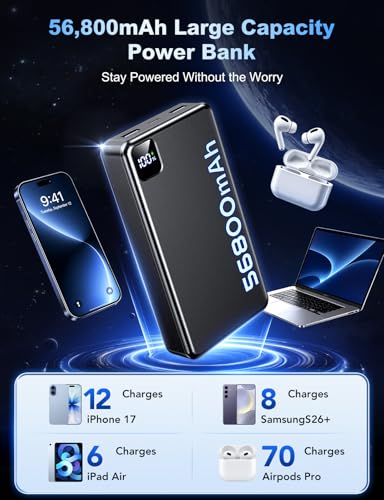
A typical smartphone battery holds between 3,000 and 5,000 mAh. A tablet needs around 7,000 to 10,000 mAh, and a laptop can demand 20,000 mAh or more for a full charge. To figure out the right size, think about how many times you want to charge your devices before needing to recharge the power bank itself.
Here is a simple way to estimate:
- 5,000 mAh can fully charge a small phone once
- 10,000 mAh can charge most phones two to three times
- 20,000 mAh can charge a phone five times or a tablet twice
- 30,000 mAh or more is best for laptops, travel, and multi-device users
Keep in mind that no power bank is 100 percent efficient. Some energy is always lost as heat during the transfer. A good rule of thumb is to expect around 60 to 70 percent of the listed capacity to actually reach your device.
From my own experience, a 10,000 mAh model is the sweet spot for daily commuters. It fits in a jacket pocket, weighs under a pound, and easily covers a full day of phone use. But if you travel often or work remotely from cafes, stepping up to 20,000 mAh or higher gives you peace of mind that you will not run out of juice before finding an outlet.

Charging Speed: Wattage and Fast Charging Standards
Nobody wants to wait around for hours while their phone slowly fills up. Charging speed depends on two things: the wattage output of the power bank and the fast charging standard your device supports.
Look at the output rating, usually listed in watts. A basic 5W charger is painfully slow. Most modern power banks offer 18W, 30W, 45W, or even 100W outputs. Higher wattage means faster charging, especially for laptops and tablets.
Fast charging standards also matter. The most common ones include:
- USB Power Delivery, which is the universal standard for iPhones, iPads, MacBooks, and many Android phones
- Qualcomm Quick Charge, used by many Android devices
- Samsung Adaptive Fast Charging
- OnePlus Warp Charge and Dash Charge
If your phone supports 30W charging, a 30W power bank will unlock those fast speeds. If you pair a 5W power bank with a fast-charging phone, the phone will charge at a crawl, wasting the phone's capabilities.
I once made the mistake of buying a high-capacity power bank that only had a 10W output. It technically worked, but charging my phone felt like watching paint dry. Since then, I always check the wattage and ensure it matches or exceeds my device's input rating.
Ports: USB-C, USB-A, and Beyond
The number and type of ports determine how many devices you can charge at once and what kind of cables you will need.
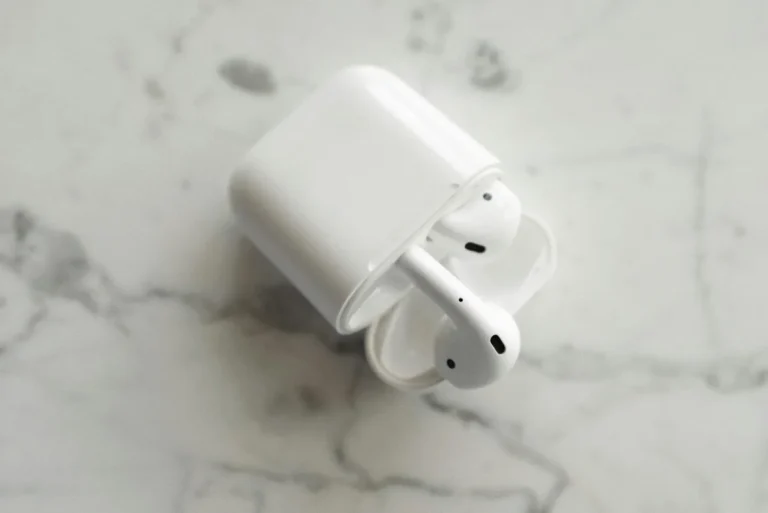
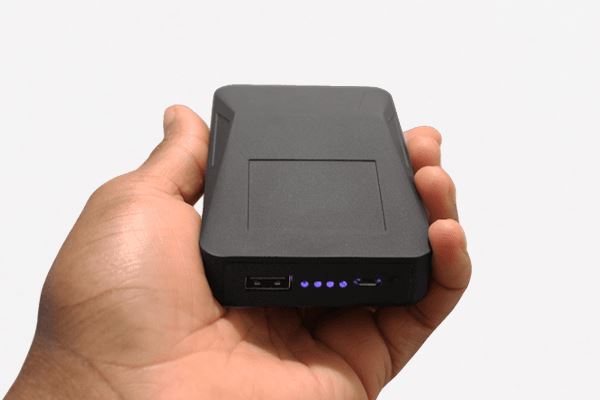
USB-C is now the gold standard. It supports fast charging, high wattage, and is used by most modern phones, tablets, and laptops. USB-A is the older rectangular port still found on many accessories. It works fine for smaller gadgets like earbuds, smartwatches, or older phones.
Some premium power banks include:
- Multiple USB-C ports for charging two laptops simultaneously
- AC outlets for plugging in a regular wall charger
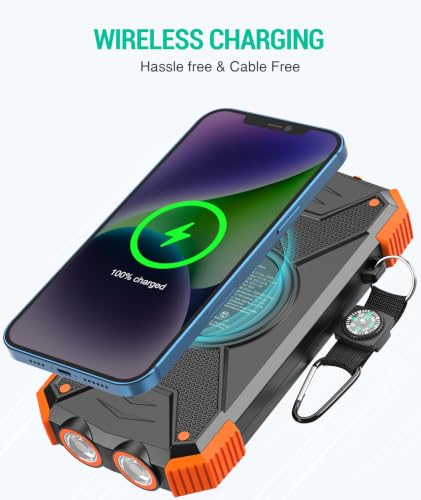
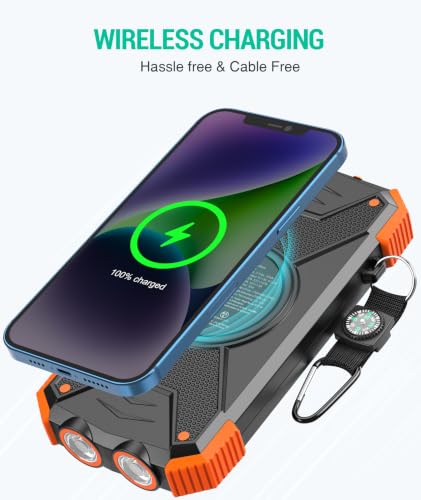
- Wireless charging pads built into the top
- DC outputs for specific devices like cameras or drones
Think about your typical carry. If you only charge a phone and earbuds, two ports are plenty. If you travel with a laptop, tablet, and phone, look for at least two USB-C ports with high wattage.

Size, Weight, and Portability
Capacity and portability often sit on opposite ends of a seesaw. The more energy a power bank holds, the larger and heavier it usually becomes.
A 5,000 mAh power bank is about the size of a credit card and weighs less than a deck of playing cards. It is perfect for slipping into a pocket or small purse for emergency top-ups.
A 10,000 mAh model is roughly the size of a smartphone and weighs between six and ten ounces. It balances power and portability well.
A 20,000 mAh power bank feels more like a small brick, often weighing around a pound. It is still backpack-friendly but too heavy for most pockets.
Anything over 30,000 mAh is travel-sized luggage. These are best for camping trips, international flights, or digital nomads who work far from outlets.
I usually tell people to match the power bank to their bag. If it lives in a small sling or jacket pocket, stick to 10,000 mAh. If it rides in a backpack or laptop bag, go bigger.

Build Quality and Durability
A power bank takes a beating. It sits in bags, drops on floors, and travels through airports, trains, and coffee shops. Build quality affects how long it will last and how safe it remains.
Look for a solid outer shell made from ABS plastic, polycarbonate, or aluminum. Aluminum feels premium and helps dissipate heat, but it can scratch easily. Plastic is lighter and more impact-resistant.
Pay attention to the seams, buttons, and port covers. Loose-fitting ports or wobbly buttons are early signs of poor construction. Some brands add rubberized edges or bumpers for extra drop protection.
If you spend time outdoors, look for an IP rating. An IPX4 rating means the power bank can handle splashes of water. Higher ratings like IP67 protect against dust and temporary submersion. These are great for campers, hikers, and beach-goers.
Safety Features: Protection Circuits and Certifications
This is where cheap power banks cut corners, and it is the area you should never compromise on. A bad power bank can overheat, swell, or in rare cases, catch fire.
Reputable brands include multiple safety layers:
- Overcharge protection that stops sending power once your device is full
- Overcurrent protection that prevents too much electricity from flowing
- Short circuit protection that shuts down the bank in case of a fault
- Temperature control that throttles or shuts off if the unit gets too hot
- Overvoltage protection that guards against power spikes
Look for certifications from recognized bodies like UL, CE, FCC, or RoHS. These marks mean the product has passed independent safety testing.
A swollen or bulging power bank is a red flag. If you ever notice yours getting hot to the touch, smelling odd, or physically puffing up, stop using it immediately and recycle it properly.
Pass-Through Charging and Recharge Time
Pass-through charging lets you charge the power bank while it charges your device at the same time. It is a small feature but a lifesaver in hotels, cars, and offices where outlets are limited.
Recharge time is another practical detail. A 20,000 mAh power bank with a basic 10W input can take ten hours or more to refill. One with a 30W USB-C input can recharge in three to four hours. If you travel frequently, faster input saves a lot of downtime.
Some power banks include built-in AC wall plugs that fold out, so you can plug the whole unit directly into a wall socket. Others use detachable cables. Choose the style that matches your routine.

Extra Features That Add Real Value
Beyond the basics, a few thoughtful extras can make a power bank feel like a daily essential.
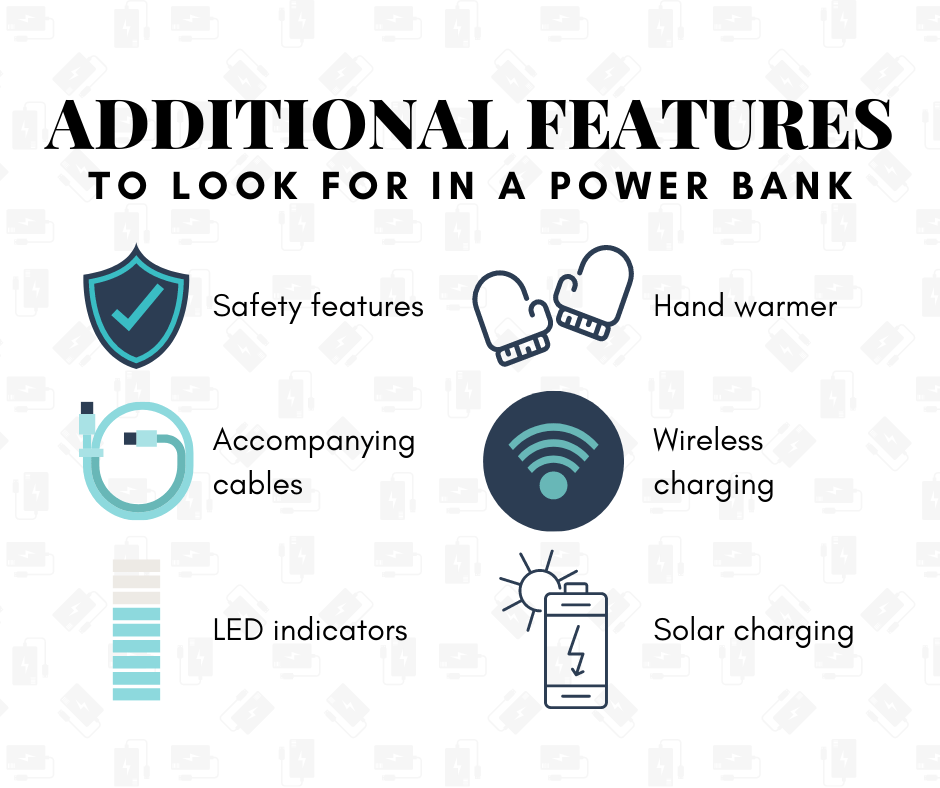
- Built-in cables remove the hassle of forgetting your cord
- LED flashlights help during power outages or late-night camps
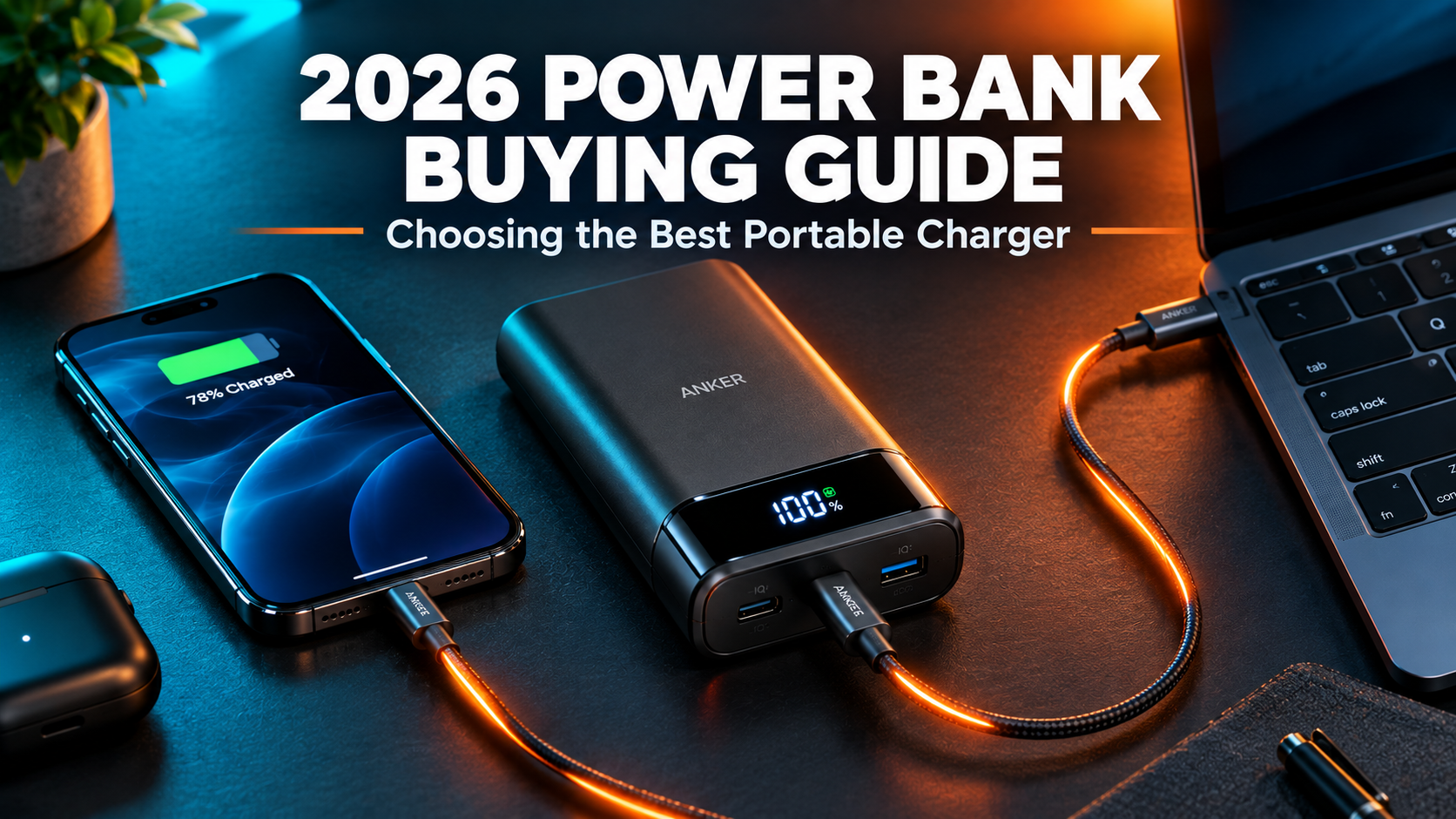
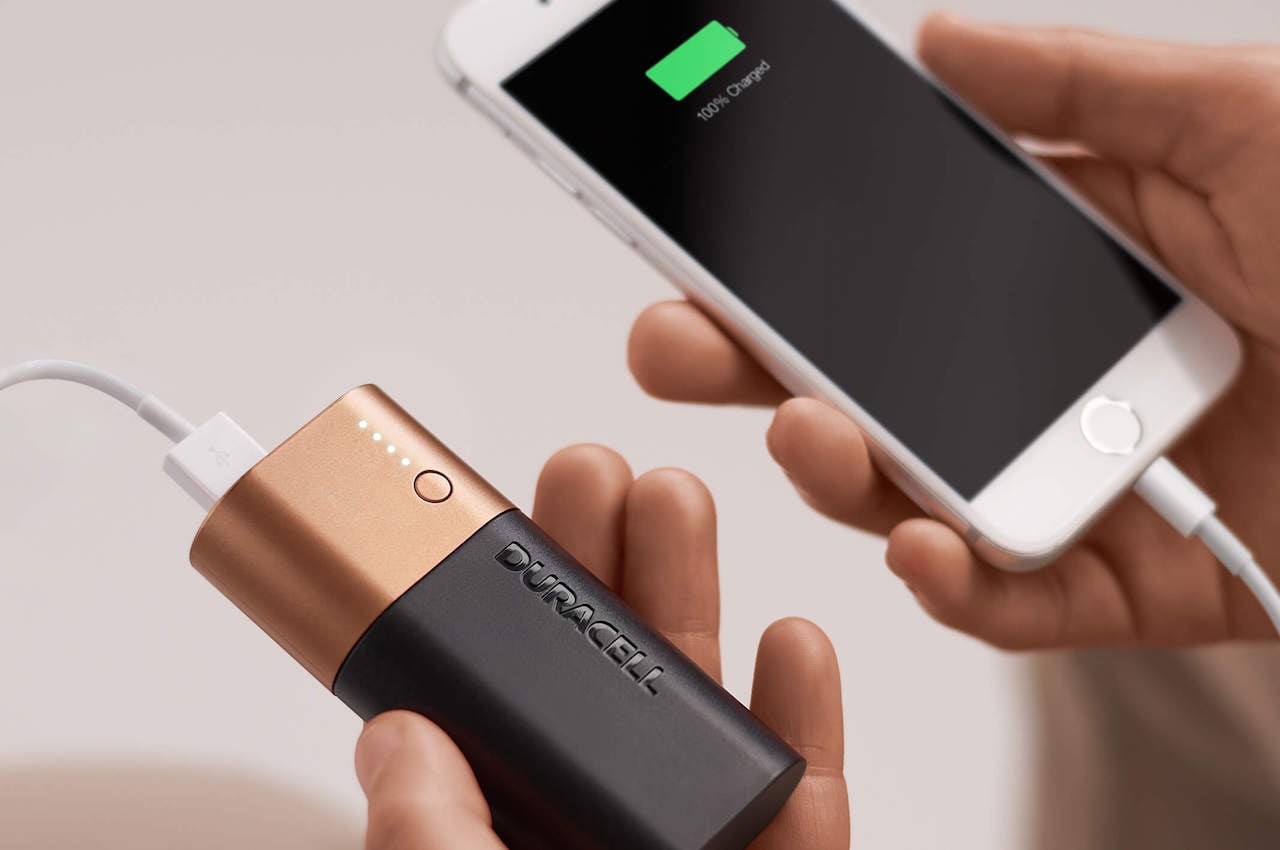
- Digital displays show exact remaining percentage instead of vague dots
- Solar panels are marketed for outdoor use, but most are too weak to be useful
- Wireless charging pads let you drop a compatible phone on top without cables
I love a clean digital display. Watching the percentage tick down while charging gives me a real sense of how much power I have left, and it removes the guesswork of blinking lights.
Brand Reputation and Warranty
Brand reputation speaks volumes. Established companies like Anker, RAVPower, Aukey, Belkin, Mophie, and Nimble have built trust through consistent quality and customer support.
A solid warranty is also a sign of confidence. Most reputable brands offer 12 to 24 months of coverage. Some premium brands offer 30 months or even lifetime limited warranties.
Avoid no-name brands with exaggerated claims. If a 5,000 mAh power bank is advertised as charging a laptop three times, the numbers are probably inflated. Stick with brands that publish honest specs and respond to customer issues.

Price vs. Value: Finding the Sweet Spot
Price often reflects quality, but not always. The cheapest power banks under fifteen dollars usually use low-grade cells, lack safety features, and deliver far less capacity than advertised. The most expensive models over one hundred dollars often include premium materials, GaN technology, and laptop-level wattage.
A good mid-range power bank between thirty and sixty dollars covers most people's needs with reliable performance and safety. If you need laptop charging or massive capacity, expect to pay between seventy and one hundred fifty dollars.
Think of it like buying shoes. You can grab a ten-dollar pair that falls apart in a month, or you can invest in a pair that lasts for years. Power banks are the same: spend a little more for peace of mind.
Frequently Asked Questions About Power Banks
How many mAh do I need to charge a phone twice?
A 10,000 mAh power bank will charge most modern phones about two to three times. Remember to factor in 30 to 40 percent efficiency loss, so the real-world output is closer to 6,000 to 7,000 mAh.
Can a power bank damage my phone?
A quality power bank with proper voltage regulation and safety certifications will not damage your phone. The phone's internal charging circuit controls how much power it draws, so it only takes what it needs.
Is it okay to leave a power bank charging overnight?
Modern power banks with overcharge protection are designed to stop charging once full, so overnight charging is generally safe. Still, it is good practice to unplug once full to extend the battery's lifespan.
How long do power banks last?
Most lithium-ion power banks last between 300 and 500 full charge cycles, which translates to about two to three years of regular use. Storing it at room temperature and avoiding full discharges can extend its life.
Can I take a power bank on a plane?
Yes, but with limits. Airlines allow power banks under 100Wh in carry-on bags. Most 20,000 mAh models fall under this limit. Larger banks between 100Wh and 160Wh require airline approval, and anything over 160Wh is banned.
Conclusion
Choosing the right power bank comes down to understanding your devices, your habits, and the small details that make daily life easier. Capacity sets the foundation, but charging speed, port variety, safety features, and build quality shape the everyday experience. A great power bank feels invisible until you need it, then it becomes the most valuable thing in your bag.
Start by thinking about what you actually carry. Match the capacity and ports to your real devices, not the dream setup. Spend a little more for trusted brands and proper safety certifications, because cutting corners on power is never worth the risk.
If you found this guide helpful, share it with a friend who is always running out of battery, or leave a comment with your own power bank tips and tricks. The more we share, the smarter our tech choices become.