Fast Charging vs Normal Charging: Which Is Better?


Is Fast Charging Good?
Yes, for people who often need a quick battery boost. In the fast charging vs normal charging debate, fast charging solves the biggest problem: waiting. I like it most when I have only 15 or 30 minutes before leaving home. A short charge can give me much more useful battery than a slow charger can in the same time.
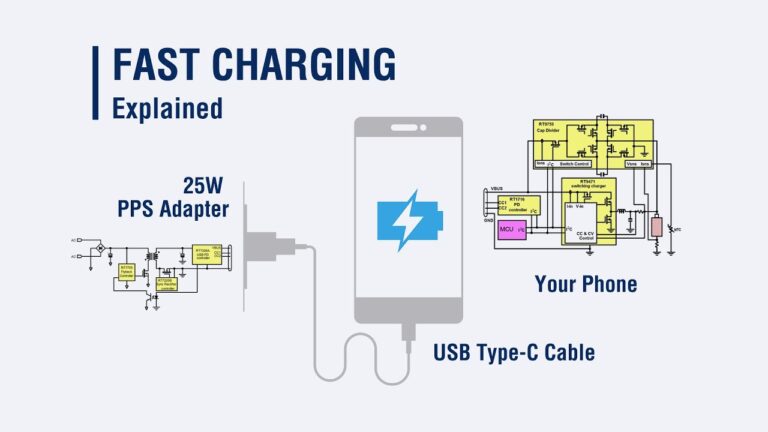
I have also found that fast charging changes how I plan my day. I do not need to keep my phone plugged in for hours. Still, fast charging is not magic. The phone, charger, cable, and charging system must all support the needed standard. Higher charging power can also create more heat, so the phone may slow the charge as it gets full.
What Makes It Stand Out / Key Features
- Shorter Charge TimeFast charging can add a useful amount of battery in a short window.
- Higher Power InputCompatible phones can accept more charging power than basic charging modes.
- Smart Power ControlModern phones can adjust charging power based on temperature, battery level, and other limits.
- Useful for Busy DaysIt works well when you have only a short break before work, travel, or errands.
- Wide Device SupportMany modern phones, tablets, and other devices support some form of fast charging.
- Heat ManagementSupported devices can reduce charging power when heat rises.
My Recommendation
Consider fast charging if you often run low on battery and need a quick boost. It is especially useful for commuters, travelers, students, and busy workers.
| Best For | Why |
|---|---|
| Busy commuters | A short break can provide a useful battery boost. |
| Frequent travelers | Quick charging helps when outlets and free time are limited. |
| Heavy phone users | It can reduce the time spent waiting beside a charger. |
Is Normal Charging Good?
It depends, but yes, normal charging remains useful. In the fast charging vs normal charging debate, normal charging makes the most sense when time is not a problem. I often prefer a slower charge when my phone will sit near a power outlet for several hours. Overnight charging is a simple example.
Normal charging feels like filling a cup with a steady stream instead of using a strong hose. It takes longer, but that does not matter when the phone has plenty of time. It may also produce less heat than a higher power charging session, though the actual heat depends on the phone, charger, battery level, room temperature, and charging system.
What Makes It Stand Out / Key Features
- Slower Charging PaceNormal charging adds power at a lower rate than supported fast charging modes.
- Good for Long SessionsIt works well when the phone can remain connected for several hours.
- Simple SetupBasic charging does not require the highest supported power level.
- Often Lower HeatLower charging power can mean less heat during charging, although results vary by device.
- Overnight FriendlyIt can suit users who plug in before bed and unplug in the morning.
- Lower Speed PressureIt is less focused on getting a large amount of power into the battery quickly.
My Recommendation
Consider normal charging if your phone has plenty of time to charge. It suits overnight charging, desk use, and people who do not often need a rapid battery boost.
| Best For | Why |
|---|---|
| Overnight chargers | Several hours of charging make speed less important. |
| Desk users | A phone can stay near power for long periods. |
| Light users | They may not need rapid battery recovery during the day. |
fast charging vs normal charging: Side-by-Side Test
The clearest way to understand fast charging vs normal charging is to compare daily needs. Charging speed is only one part of the story. Heat, battery care, cost, and convenience also matter.
I see the choice as a race versus a long walk. Fast charging gets you moving sooner. Normal charging works well when you are not in a hurry. Neither mode fits every person or every situation.
Charging Speed: Which Wins?
Speed is the biggest difference in fast charging vs normal charging. Fast charging is built for short charging windows.
| Feature | Fast Charging | Normal Charging |
|---|---|---|
| Charging pace | Faster | Slower |
| Short breaks | Very useful | Less useful |
| Overnight charging | Useful | Very suitable |
| Time to useful battery | Usually shorter | Usually longer |
⭐ Fast Charging – 10/10 | Normal Charging – 7/10
Fast charging has the edge when every minute counts.
Heat: What Should You Know?
Heat matters because charging turns some electrical energy into heat. Higher charging power can raise thermal load.
| Feature | Fast Charging | Normal Charging |
|---|---|---|
| Power level | Higher | Lower |
| Heat potential | Can be higher | Often lower |
| Thermal controls | Common on modern devices | Usually less demanding |
| Best practice | Use a compatible charger and keep vents clear | Use a compatible charger and avoid extreme heat |
⭐ Fast Charging – 8/10 | Normal Charging – 9/10
Normal charging has an edge when lower charging power is the main goal.
Battery Health: Does Speed Matter?
Fast charging does not automatically mean poor battery health. Battery age depends on many factors, including heat and charging habits.
| Feature | Fast Charging | Normal Charging |
|---|---|---|
| Battery wear | Depends on heat and usage | Depends on heat and usage |
| High power period | More intense | Less intense |
| Heat control | Important | Still important |
| Battery protection | Modern phones use charging controls | Modern phones use charging controls |
⭐ Fast Charging – 8/10 | Normal Charging – 9/10
Normal charging has a slight edge for users who want a lower power charging routine, but both can be safe when used correctly.
Daily Convenience: Which Fits Better?
The best charging mode often depends on your daily schedule.
| Feature | Fast Charging | Normal Charging |
|---|---|---|
| Busy mornings | Excellent | Limited |
| Long desk sessions | Useful | Excellent |
| Travel days | Excellent | Less flexible |
| Overnight use | Good | Excellent |
⭐ Fast Charging – 10/10 | Normal Charging – 8/10
Fast charging fits changing schedules, while normal charging shines when time is available.
Charger Cost: What Changes?
Cost depends on the charging standard, power level, brand, and whether you already own a compatible charger.
| Feature | Fast Charging | Normal Charging |
|---|---|---|
| Charger needs | May need a higher power compatible charger | May work with a basic compatible charger |
| Cable needs | Cable may need to support the required power | Basic compatible cable may be enough |
| Initial setup cost | Can be higher | Can be lower |
| Value | Strong when time has high value | Strong when time is not a concern |
⭐ Fast Charging – 8/10 | Normal Charging – 9/10
Normal charging can cost less to set up, but fast charging can save valuable time.
Safety: What Should You Use?
Both can be safe when the charger, cable, and phone are compatible and in good condition.
| Feature | Fast Charging | Normal Charging |
|---|---|---|
| Compatibility | Important | Important |
| Heat management | More important at higher power | Still important |
| Damaged cables | Avoid | Avoid |
| Quality charger | Recommended | Recommended |
⭐ Fast Charging – 9/10 | Normal Charging – 9/10
Neither mode should be treated as unsafe by default; correct equipment matters more.
Best Use Case: Who Needs What?
The fast charging vs normal charging choice becomes easy when you match the mode to your routine.
| Feature | Fast Charging | Normal Charging |
|---|---|---|
| Emergency battery boost | Excellent | Poor fit |
| Overnight charging | Good | Excellent |
| Frequent travel | Excellent | Fair |
| Long charging window | Good | Excellent |
⭐ Fast Charging – 10/10 | Normal Charging – 8/10
Fast charging suits urgent power needs, while normal charging suits long, predictable charging periods.
Final Verdict: Which Should You Buy?
In fast charging vs normal charging, there is no single mode for every person. Fast charging is the better fit when you need power quickly. It helps during busy mornings, travel, commutes, and unexpected low battery moments.
Normal charging makes more sense when your phone can sit near a charger for hours. It can suit overnight use and calm desk routines. If I had to choose one setup for a busy daily carry, I would keep fast charging available and use slower charging when I have plenty of time.